|
EN
Subscribe to our Newsletter
This text explores Farmuk as a conceptual design system situated between art, fashion, and myth. Through an interview with artistic director Fereshteh Haddadpour, it examines how form, material, and process construct identity beyond function. The discussion highlights key collections such as Bakhtiari and Douran, emphasizing uniqueness, limitation, and lived material as central to Farmook’s design philosophy.
By Zara Saberi
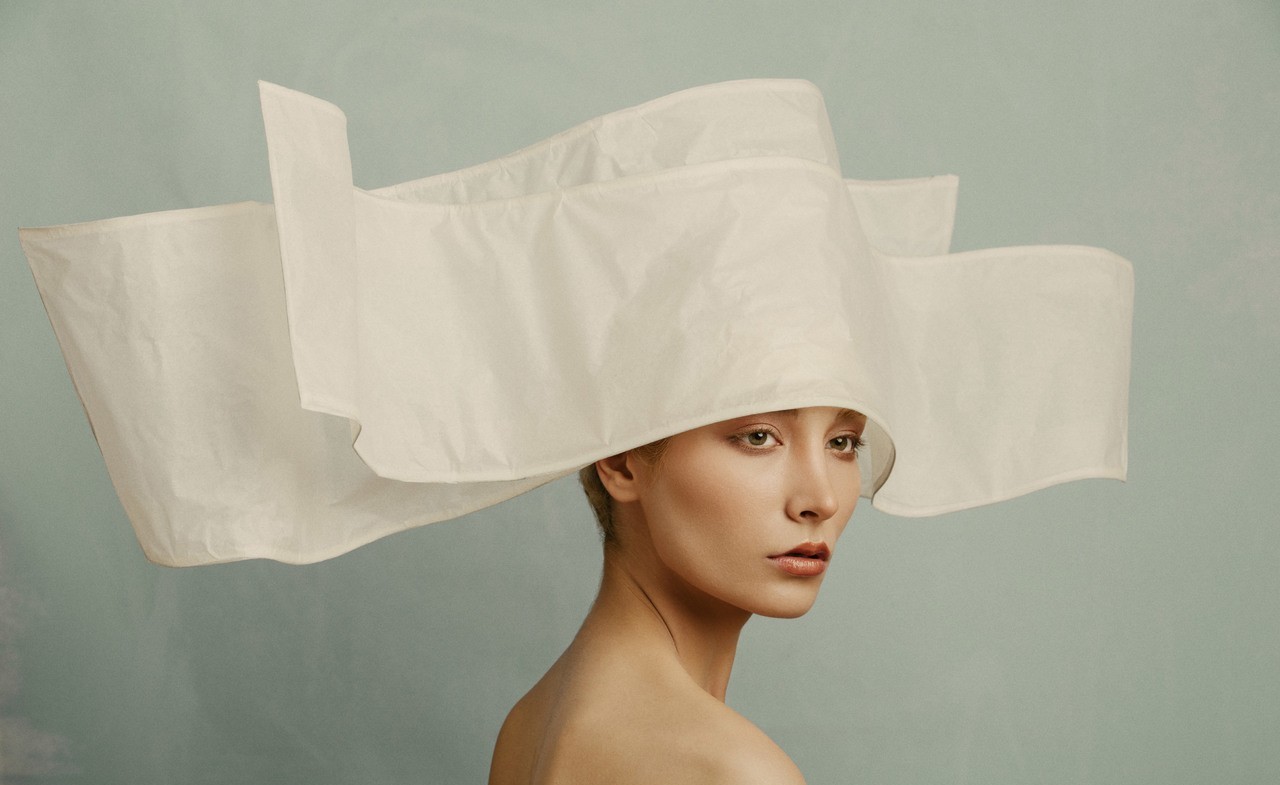
Photo: Courtesy of Farmuk
Before form is seen, it is felt. Before it is recognized as an object, it is perceived as a presence. It is within this invisible interval, between perception and vision, between body and space, that Farmook takes shape. Not as a brand, but as a condition: a mental state, a visual language, and a way of engaging with design in which everything moves beyond function and becomes experience.
In 2016, in a city that simultaneously carries the weight of the past and anticipates the future, two perspectives converged. Not to create a product, but to redefine a relationship, the relationship between the human body and what it wears. This beginning was less a collaboration than an overlap, a moment where image, stage, material, and movement became a shared language.
The name “Farmuk” draws from a myth in which three women of fate weave the thread of life. Here, however, that narrative is transformed. What is woven is no longer time, but identity. Form. Experience. Each piece becomes an extension of this act of weaving: an attempt to translate the invisible, emotion, memory, presence, into something that can be touched, seen, and lived with.
Within the world of Farmook, design does not begin with need, but with a question. A question that often remains unanswered, yet takes shape through the process of making.
Here, the product is not the outcome, but the trace of a search. Every hat, every form, every surface is part of this trajectory, a path along which meaning gradually emerges from within the material itself. The hat, as the chosen medium, may at first appear limited. Yet it is precisely within this limitation that Farmuk finds its strength. As the object closest to the head, to the mind, to identity, it becomes a platform for expression. The hat is no longer something merely worn; it becomes something that defines presence.
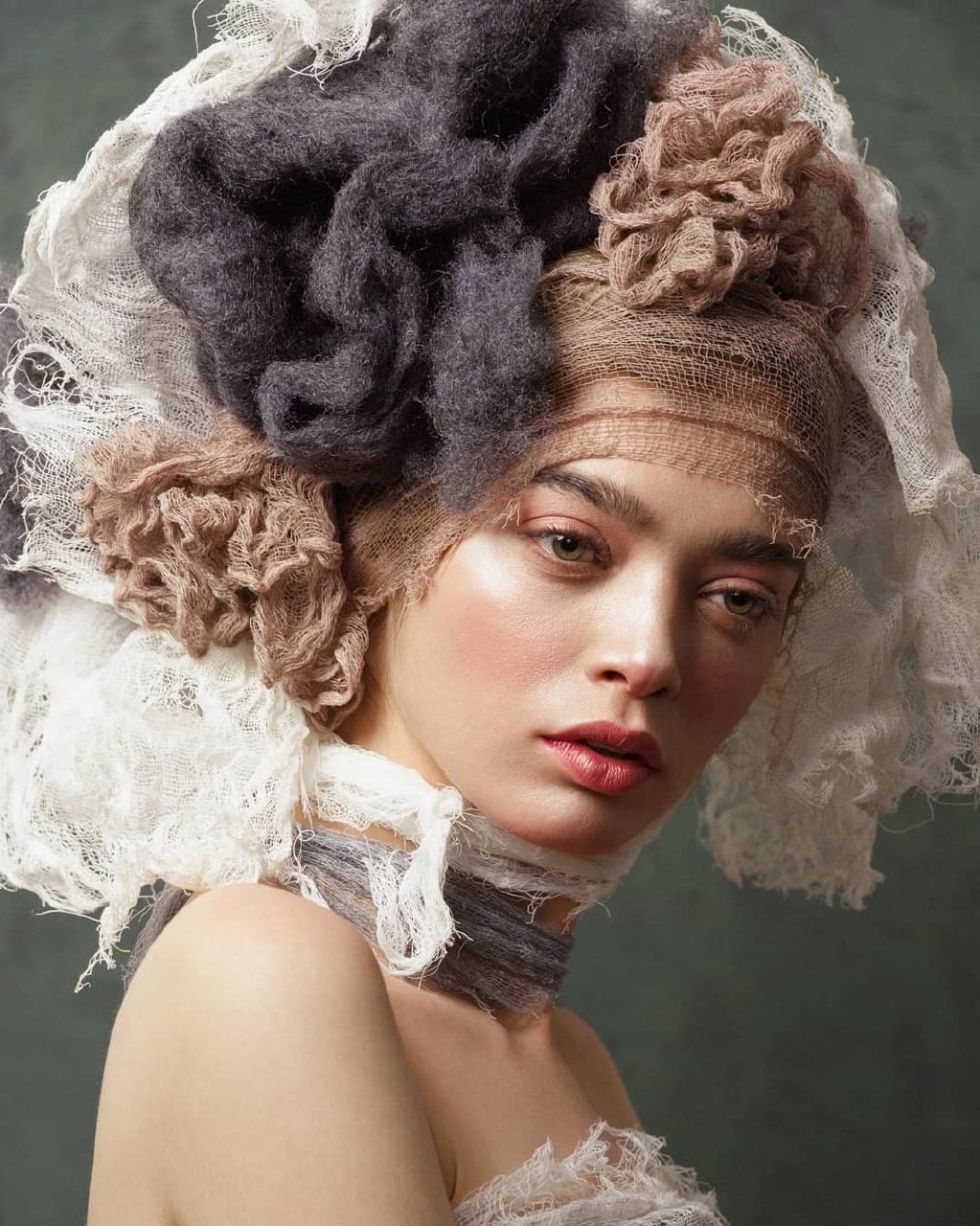
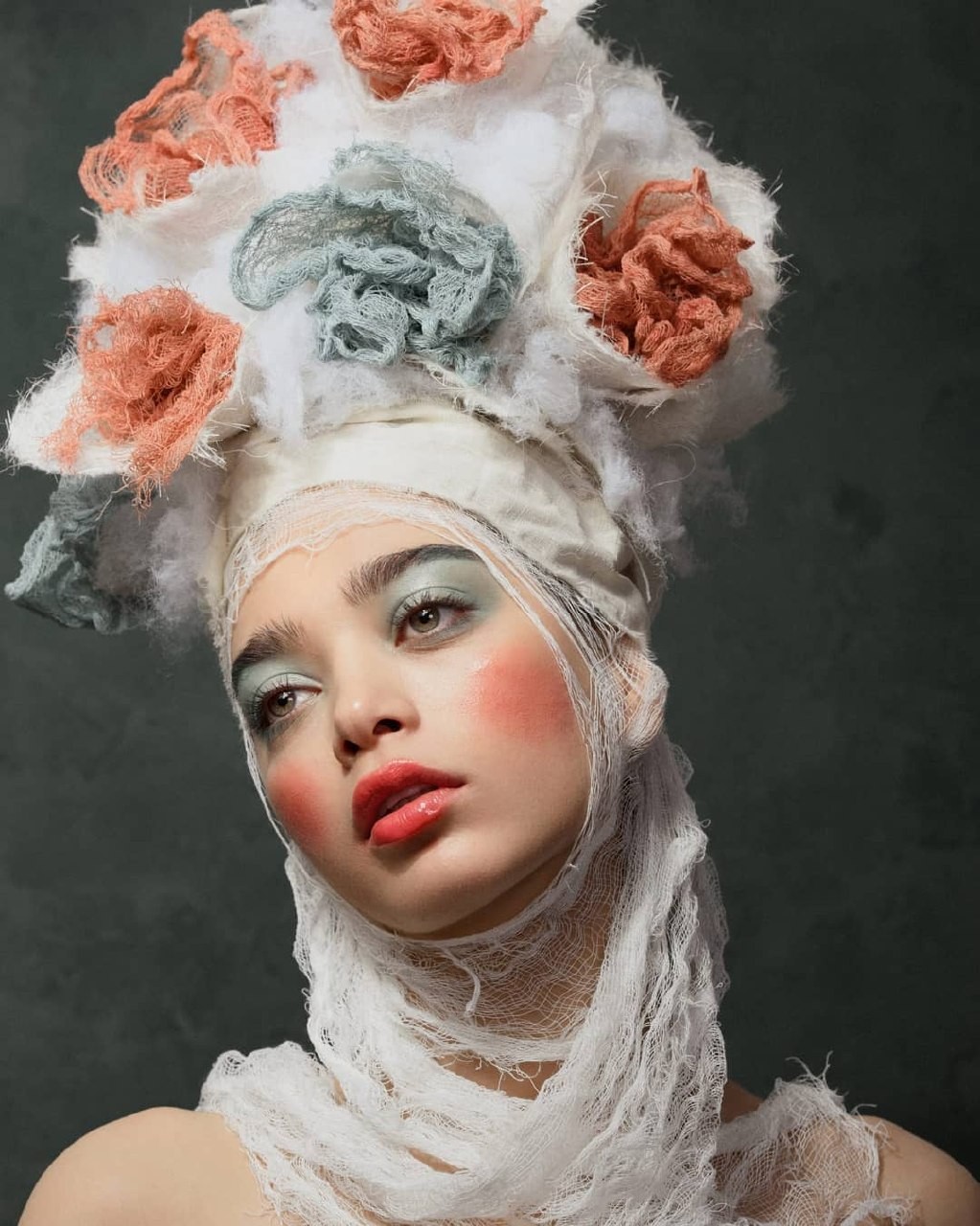
Photo: Courtesy of Farmuk
In this context, the process of making holds as much significance as the final result. Handcrafted molds, steam that grants flexibility to the material, heat that dissolves the boundary between control and chance, each stage is not simply a technique, but a decision. What ultimately takes form is something irreproducible.
Because within Farmuk, repetition has no place. Each piece is singular, not only because it is handmade, but because each time, the dialogue between material and designer leads to a different outcome. This singularity is not merely a feature; it is a position. A stance against a world driven by replication.
This language first took clear shape in the Bakhtiari collection. Not as a representation of a culture, but as its translation into form. The movement of nomadic tribes, long journeys, shifts in terrain, all were transformed into lines and volumes. Curves reminiscent of wind, fractures emerging from stone.
In this collection, the hats became extensions of the body, not separate from it, but continuous with it. Protrusions redefined the balance between head and shoulders. Forms were not only seen, but felt, in their weight, their pressure, in the way they settled onto the body.
Colors emerged from the earth. Not selected, but extracted. Shades of brown, soil, and tones that belonged more to memory than to color itself. Patinas connected surfaces to time. Every mark, every variation in tone, was a trace of process, something that had happened and remained.
The Douran Collection
Photo: Courtesy of Farmuk
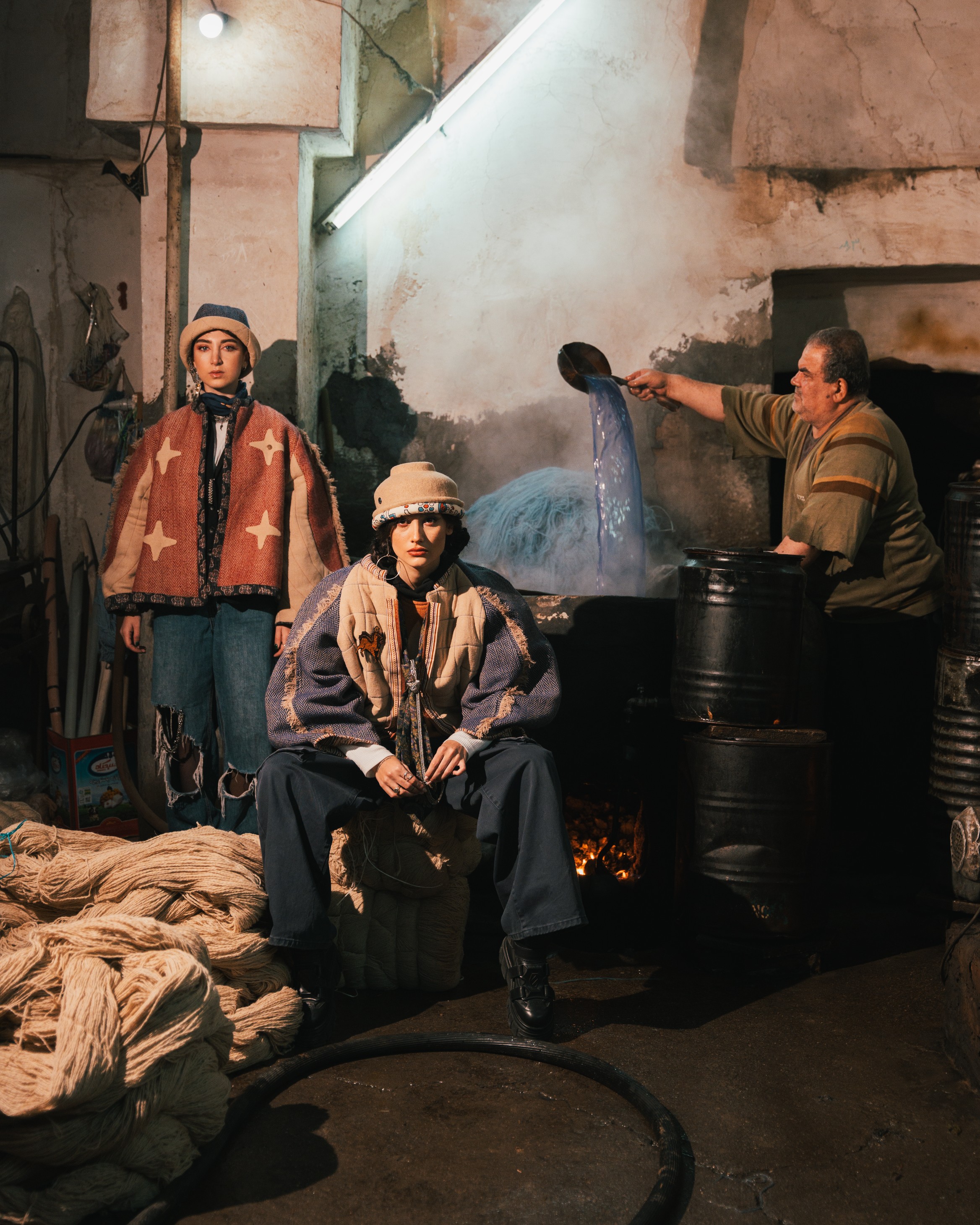
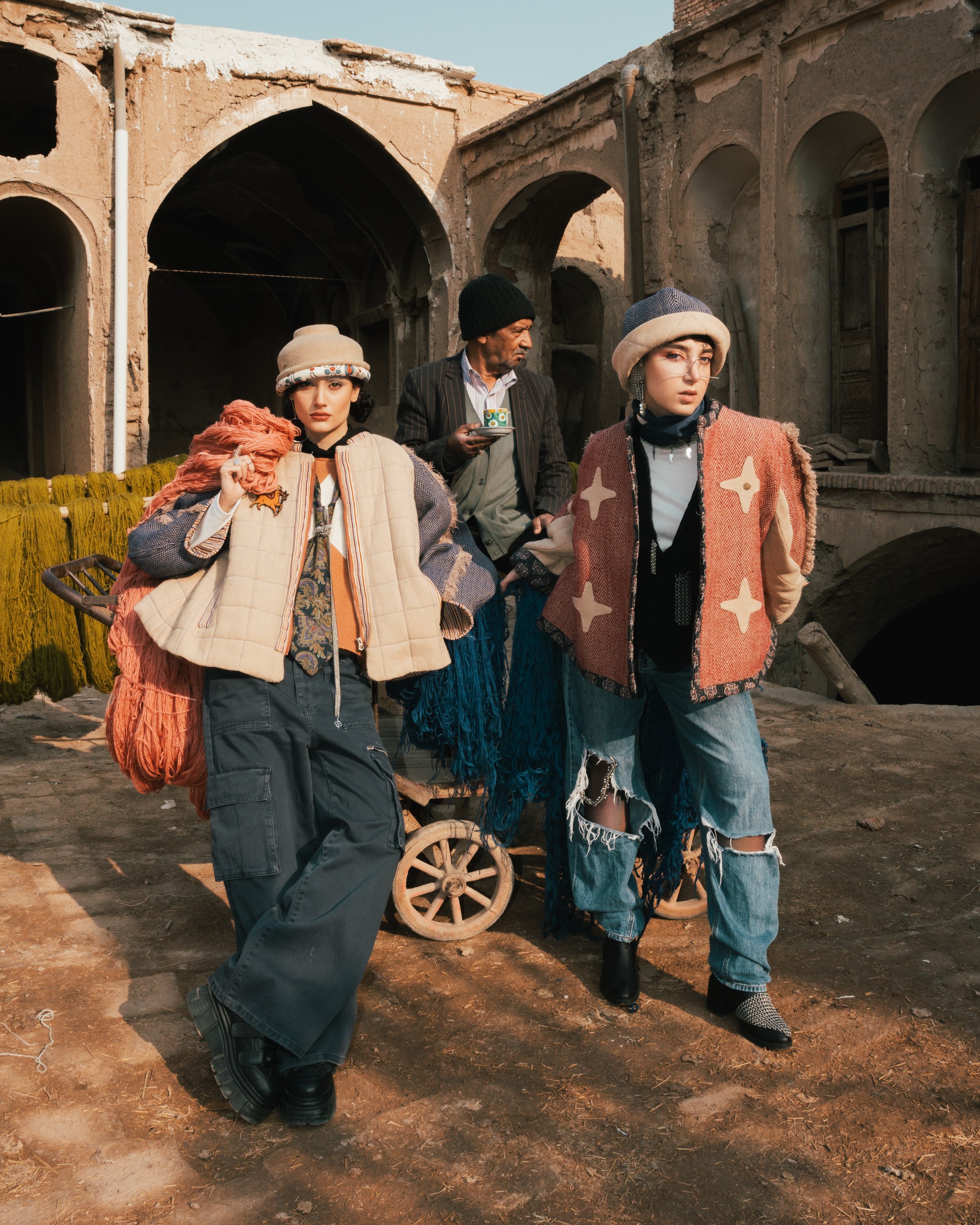
In Doran, this material sensibility deepened. Fabrics that had already lived were reintroduced into the process. Handwoven textiles, natural dyes, textures that are not only visible but tangible. Here, forms began to diverge, some moving closer to the head, others distancing themselves, extending upward.
This divergence was not merely formal, but reflective of different states of being. Some hats were introverted, compact, close. Others open, elongated, outward-reaching. Each piece embodied a particular mental condition.
With collections such as Mirrors and Lines, Farmuk entered a territory in which form is no longer fixed. Light became part of the design. Surfaces began to reflect. Hats transformed with movement. What is seen is no longer a static image, but a shifting experience.
At this stage, the viewer is no longer merely an observer. Their presence becomes part of the work. Angle, distance, light, all contribute to the formation of the experience. Each encounter becomes distinct.
Yet beneath all these transformations, one principle remains constant: limitation as a deliberate choice.
In a world of infinite options, choosing limitations is a radical act. Focusing on the hat as a singular medium allows every possibility to be explored to its fullest extent. Form is examined with precision. Every subtle variation acquires meaning.
This limitation leads to singularity, not as a result, but as a necessity. When each piece emerges from a living process, it cannot be replicated. And in this, it becomes something beyond product, it becomes experience.
Form, in this world, operates as language. A language that precedes words. Height, angle, curvature, all carry meaning. The hat becomes a sentence expressed before speech.
This language emerges from the intersection of two distinct perspectives. Arash Akandeh, with a background in illustration, approaches the surface as a canvas. Color, in his work, is not a mere selection, but the result of reaction. Heat transforms material, producing outcomes that exist between control and chance.
Patinas hold particular significance here, not as decoration, but as record. A record of a moment, a process, a transformation. Each surface carries a story, one that cannot be fully narrated, but can be understood.
Photo: Courtesy of Farmuk
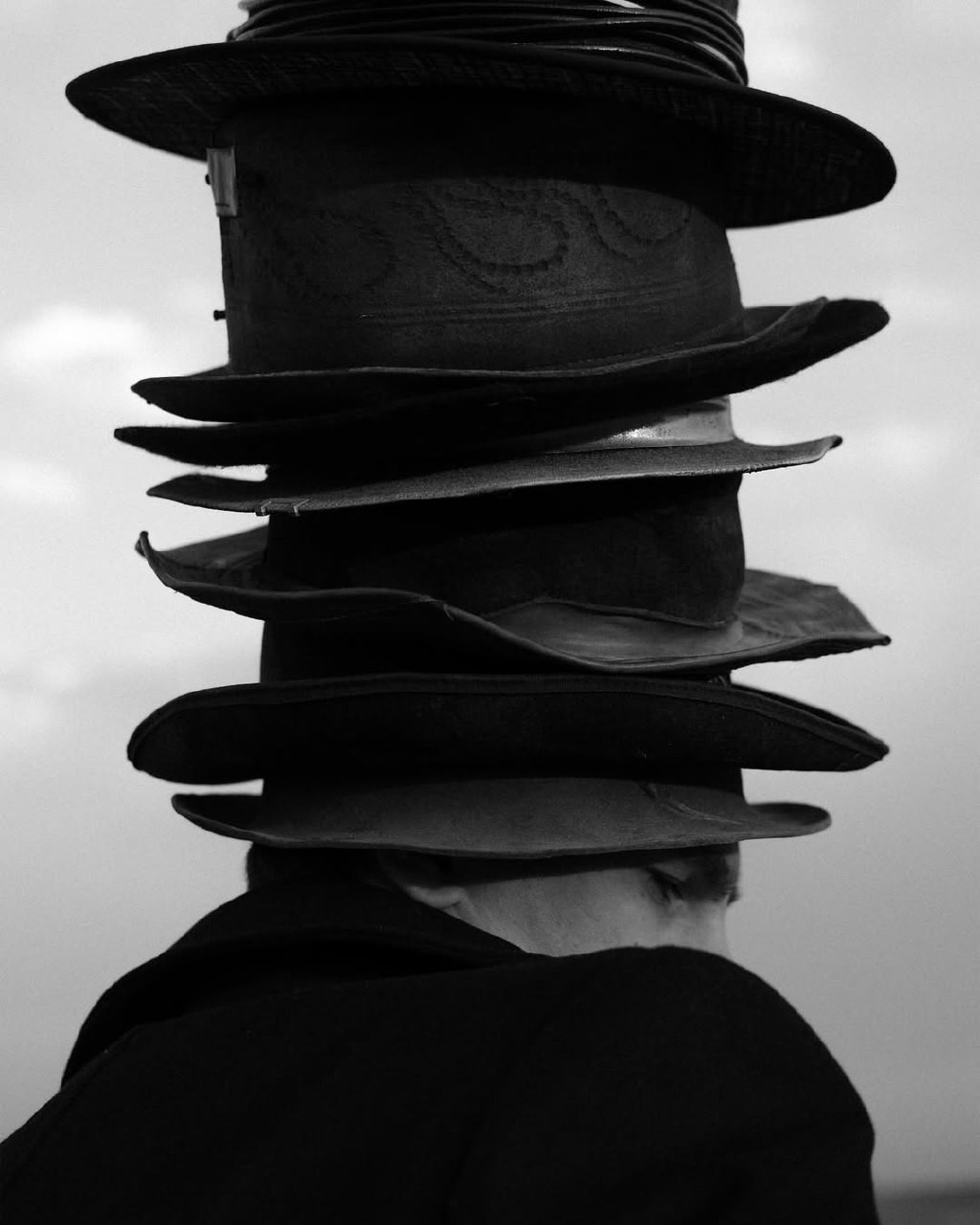
On the other side, Fereshteh Haddadpour approaches form in relation to the body. For her, a hat without movement is incomplete. Her experience in performance allows her to conceive form within space, in light, in motion, in relation to the gaze.
What emerges is not merely something to be worn, but something to be performed. Each hat becomes, in a sense, a stage element, part of a larger narrative.
At the intersection of these two approaches, Farmook becomes something beyond a brand. It becomes a system, a system in which material, form, body, and space exist in continuous relation.
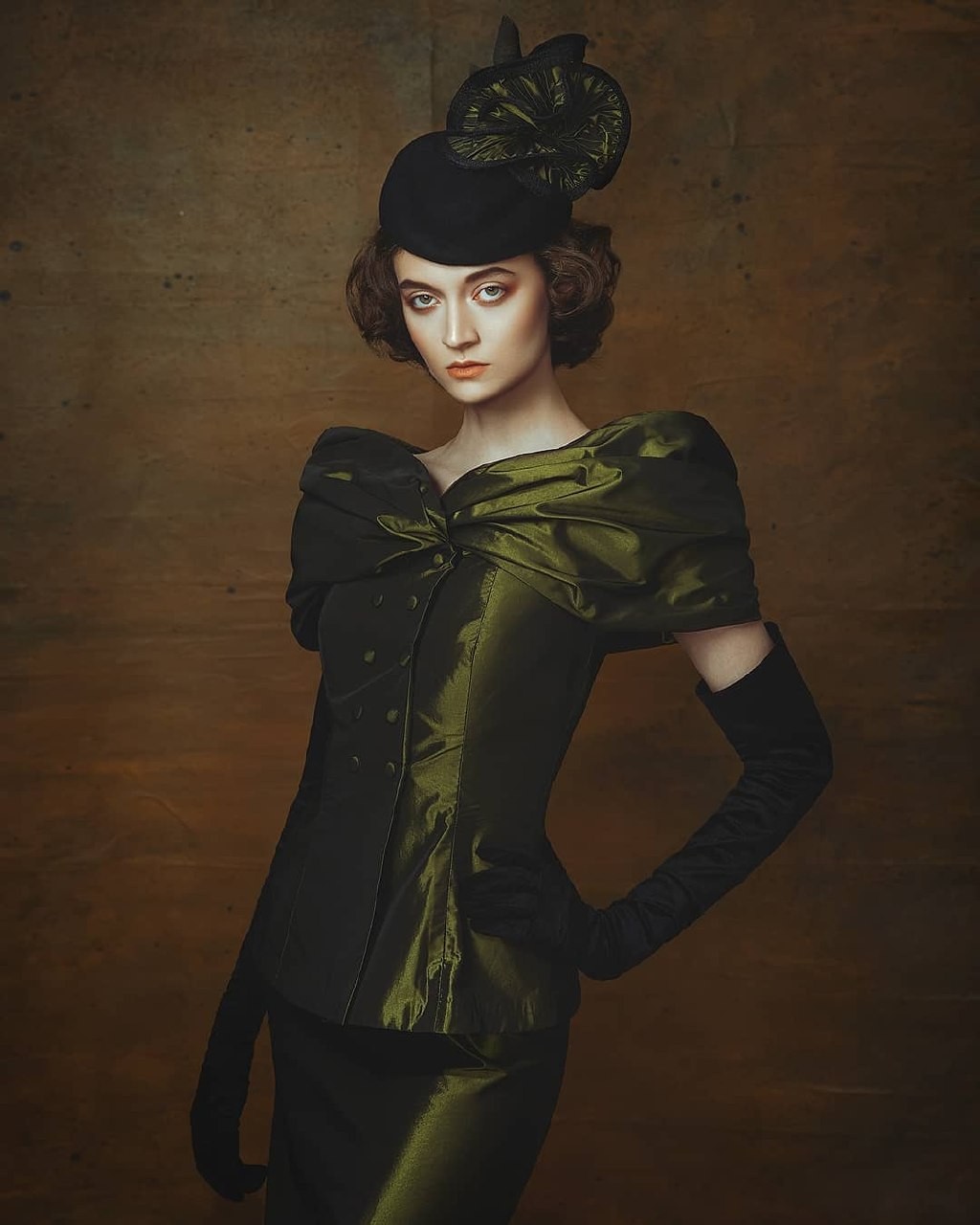
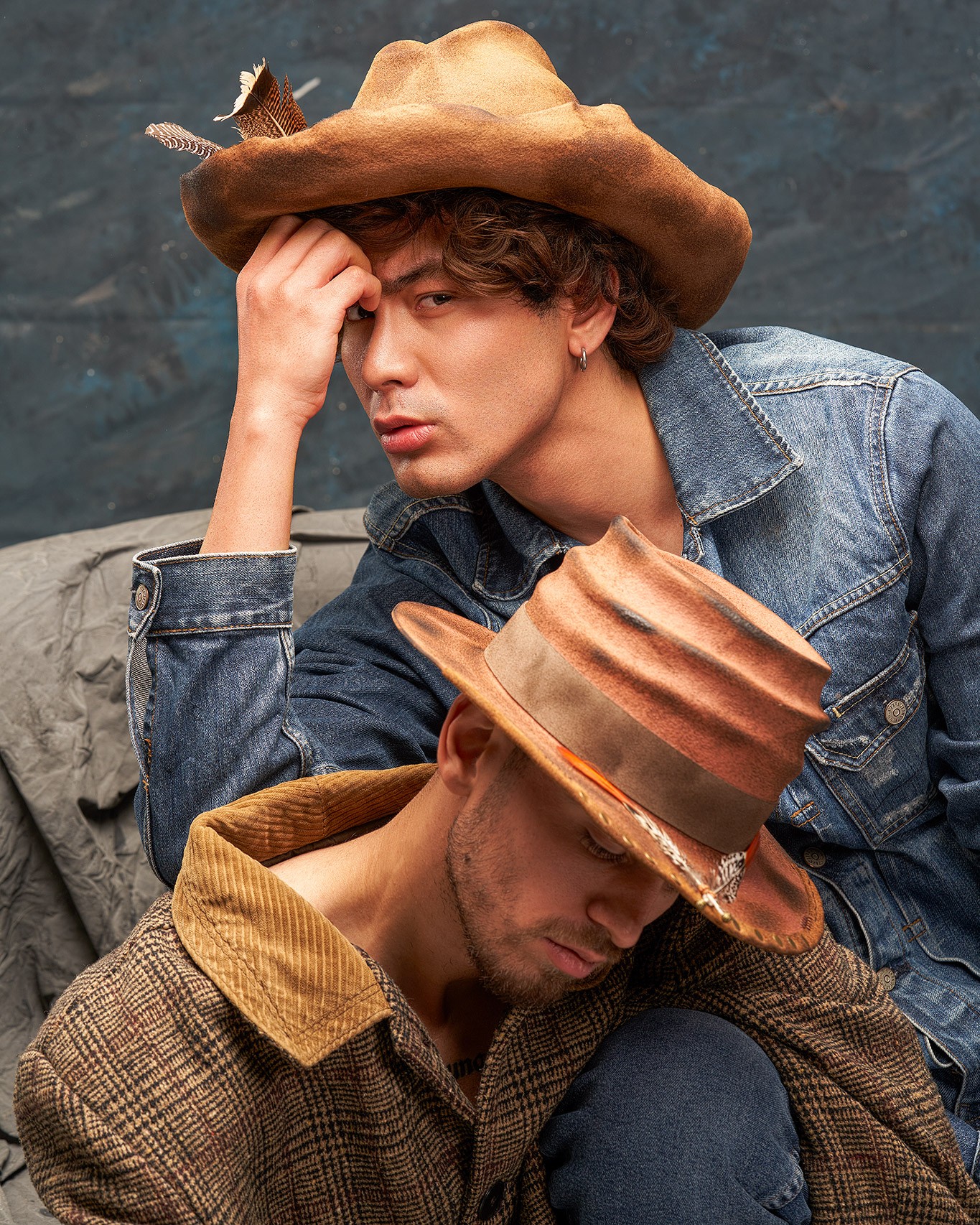
Photo: Courtesy of Farmuk
The audience of this world seeks meaning, not as an abstract concept, but as experience. Wearing a hat, here, is not a simple choice; it is a position.
In a fashion landscape driven by speed, consumption, and repetition, Farmuk proposes an alternative path, one in which time matters, process is visible, and each piece is understood as an event rather than a product.
This approach situates Farmuk close to independent and conceptual movements in global fashion. Yet what distinguishes it is not only form, but root.
A root grounded in culture, in myth, and in lived experience, yet not confined to the past. Instead, it operates as material for constructing the future.
In continuation of this perspective, an interview was conducted with Fereshteh Haddadpour, the artistic director of Formuk. This conversation aimed to illuminate the different layers of this design world through a series of fundamental questions.
In this interview, the following questions were asked and discussed:
DIBA: How can the form of a wearable object transform the body’s experience in space, and how is this experience redefined in Formuk’s hat designs?
DIBA: How do limitations and uniqueness, rather than being constraints, become tools for constructing identity in conceptual design?
DIBA: In the “Bakhtiari” collection, how is culture moved beyond the level of reference and ornamentation and transformed into structure and formal logic?
DIBA: In “Douran,” what effect does the use of materials with lived histories, such as handwoven textiles, have on the final meaning of the work?
DIBA: Can a progression be observed across Formuk’s collections from objective forms toward abstraction, and what does this shift mean in the experience of the work?
DIBA: How does the process of making, alongside the final result, become part of meaning-making?
DIBA: How does Formouk offer an alternative approach to contemporary fashion’s logic of mass production and speed, based on time, process, and uniqueness?
Finally, can Formuk be defined at the intersection of art and fashion, and how is this boundary shaped through the experience of body, form, and space
Written by Zara Saberi
Research and references are used for contextual accuracy.
