
|
EN
Subscribe to our Newsletter
Richard Avedon transformed fashion photography by replacing static poses with movement, emotion, and narrative. Through groundbreaking fashion editorials and psychologically powerful portraits, he redefined modern visual culture and influenced generations of photographers, artists, and image-makers.
By the Editorial Staff
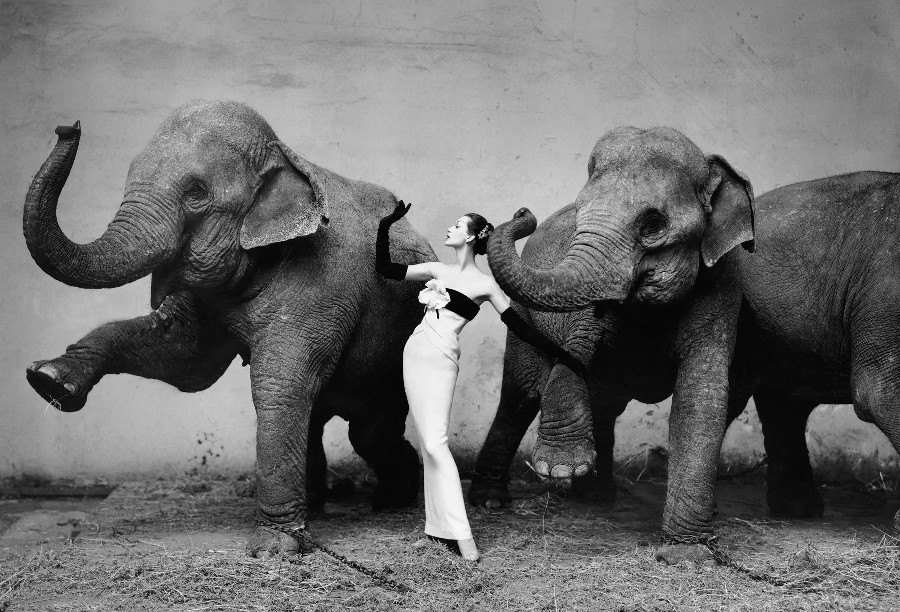
Dovima with elephants, evening dress by Dior, Cirque d’Hiver, Paris, August 1955
Photo: Getty Images
To understand modern photography is, in many ways, to understand Richard Avedon.
He did not simply document faces, he dismantled them, reassembled them, and revealed something far more profound beneath their surface. In an era when beauty was polished, distant, and idealized, Avedon brought it closer, uncomfortably close, until it became human.
His images do not ask to be admired; they demand to be confronted.
From the elegance of postwar fashion to the raw intimacy of large-format portraiture, Avedon’s work exists in a space between contradiction and clarity. He blurred the boundaries between art and commerce, performance and authenticity, surface and depth, ultimately reshaping not only photography, but the very way we see ourselves.
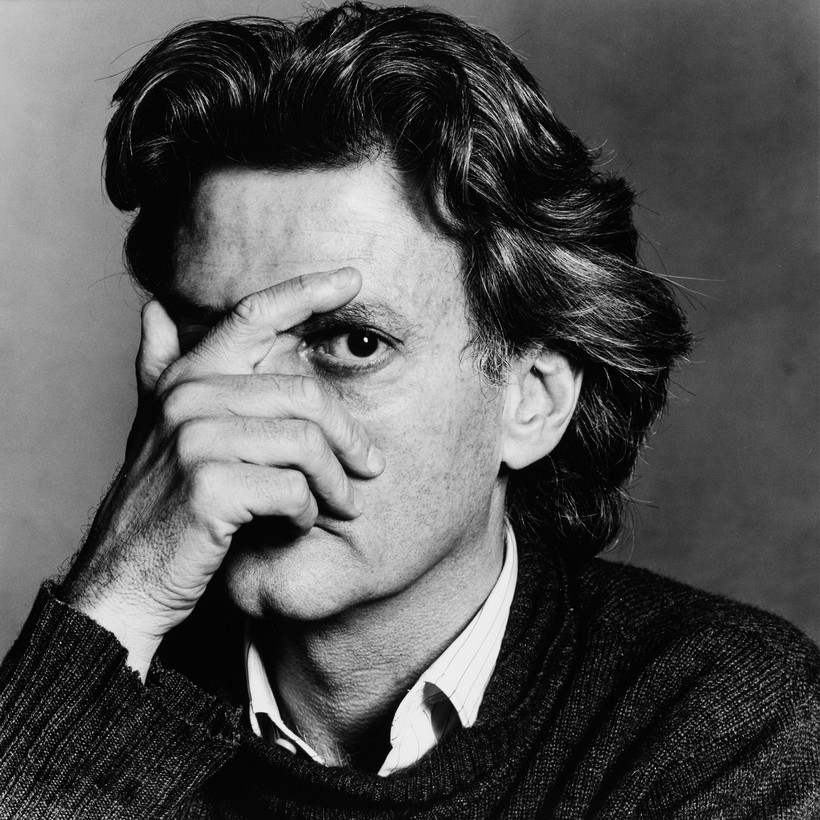
Born in New York City in 1923, Avedon was introduced early to both fashion and visual culture through his family’s clothing business. This environment quietly shaped his understanding of image-making, not merely as representation, but as construction.
His formal entry into photography came during his service in the Merchant Marines, where he produced identification portraits. This experience, photographing thousands of faces, would later inform his lifelong fascination with the human subject. It was here that repetition gave way to recognition: the face is never just a face.
After the war, Avedon refined his craft under the guidance of influential mentors and quickly entered the world of fashion publishing. Yet from the beginning, he resisted convention.
Reinventing Fashion: Movement, Narrative, and Desire
Before Avedon, fashion photography existed within strict visual codes, static poses, controlled compositions, and an emphasis on garments as objects of display. Avedon disrupted this entirely.
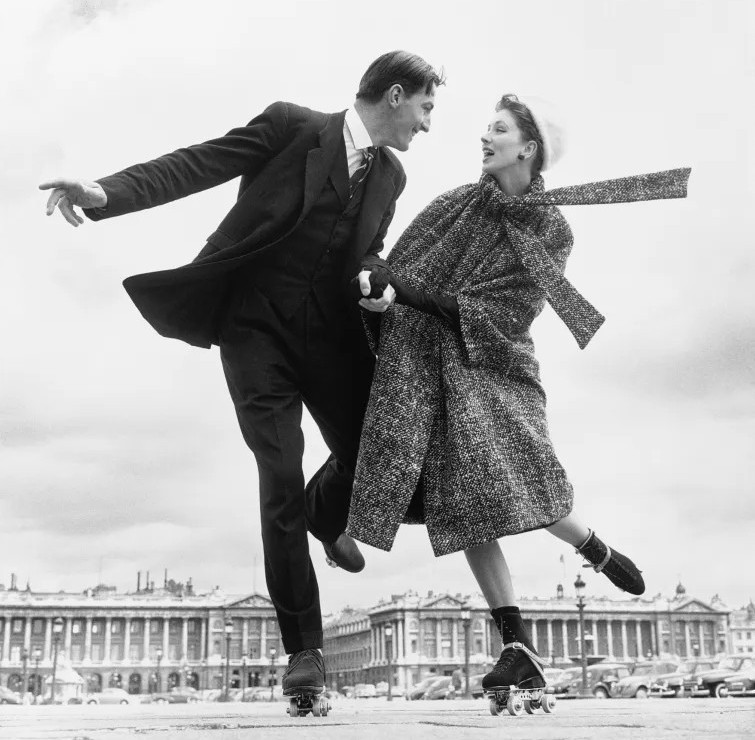
He introduced movement.
Models ran, laughed, turned, and interacted with their surroundings. They were no longer passive figures but active participants in a visual story. Avedon approached fashion as a form of storytelling, each image a fragment of a larger narrative.
His work suggested that clothing is not simply worn; it is lived in.
This shift had profound implications. Fashion imagery became dynamic, emotional, and cinematic. The viewer was no longer observing from a distance but drawn into a moment, a scene unfolding in real time.
Avedon understood that what people desire is not the product itself, but the feeling it represents. His photographs captured that feeling with extraordinary clarity.
Photo: Getty Images
While Avedon’s fashion work changed an industry, his portraiture redefined an art form.
His approach was deceptively simple: a plain white background, controlled lighting, and a subject placed directly before the lens. Yet within this simplicity lay immense psychological depth.
By removing context, Avedon forced the viewer to confront the subject without distraction. There is nowhere else to look, and nothing else to interpret.
The result is often unsettling.
His subjects, whether celebrities, artists, or anonymous individuals, appear exposed. Their expressions are not always composed or flattering. Instead, they reveal tension, vulnerability, and complexity.
Avedon believed that a portrait is not a passive capture but an active exchange. The subject’s awareness of being photographed becomes part of the image itself. In this space, performance and authenticity collide.
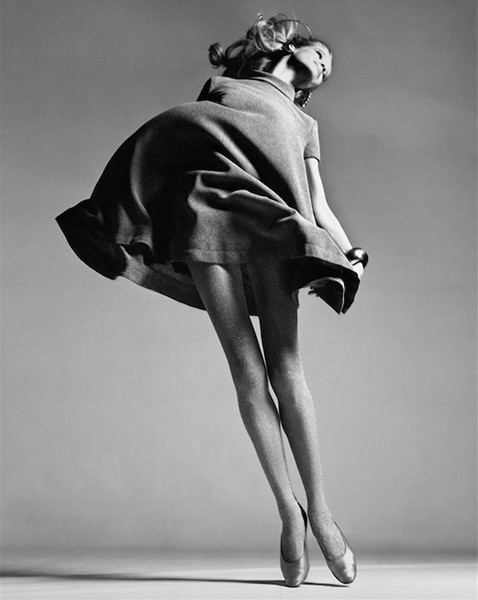
Veruschka, Dress by Bill Blass, New York, 1967
Suzy Parker and Robin Tattersall, coat by Dior, Place de la Concorde, Paris, August 1956
Photo: Getty Images
One of Avedon’s most enduring contributions is his rejection of idealized beauty.
Rather than concealing flaws, he emphasized them. Wrinkles, asymmetries, gestures, all became essential elements of the image. His photographs suggest that imperfection is not a deviation from beauty, but its foundation.
This philosophy was particularly radical in the context of fashion, where perfection had long been the standard. Avedon replaced it with something more honest — and far more compelling.
His frequent use of black-and-white photography further reinforced this approach. Without the distraction of color, the viewer is drawn into texture, form, and emotion. The image becomes less about appearance and more about presence.
Avedon’s career unfolded at the intersection of two often opposing domains: commercial fashion and fine art.
What set him apart was his refusal to treat them as separate.
Editorial assignments became opportunities for artistic experimentation. Portraits of public figures became cultural documents. His work consistently challenged the notion that commercial photography lacks depth or meaning.
In doing so, Avedon helped elevate photography within the broader art world. He demonstrated that images created for magazines could possess the same emotional and intellectual weight as those displayed in galleries.
His influence extended across disciplines, shaping not only photography, but also fashion, media, and the construction of celebrity itself.
Later Work: Time, Mortality, and the American Condition
As his career progressed, Avedon’s focus shifted increasingly toward themes of time, identity, and mortality.
He began to explore subjects beyond the world of fashion and celebrity, turning his attention to ordinary individuals, workers, drifters, and people living on the margins of society. These portraits are among his most powerful.
Stripped of glamour, they reveal a different kind of truth: the complexity of human experience.
In his later years, Avedon also produced deeply personal work, including a series documenting his father’s illness and decline.
These images confront the passage of time with unflinching honesty, blurring the line between art and personal history.
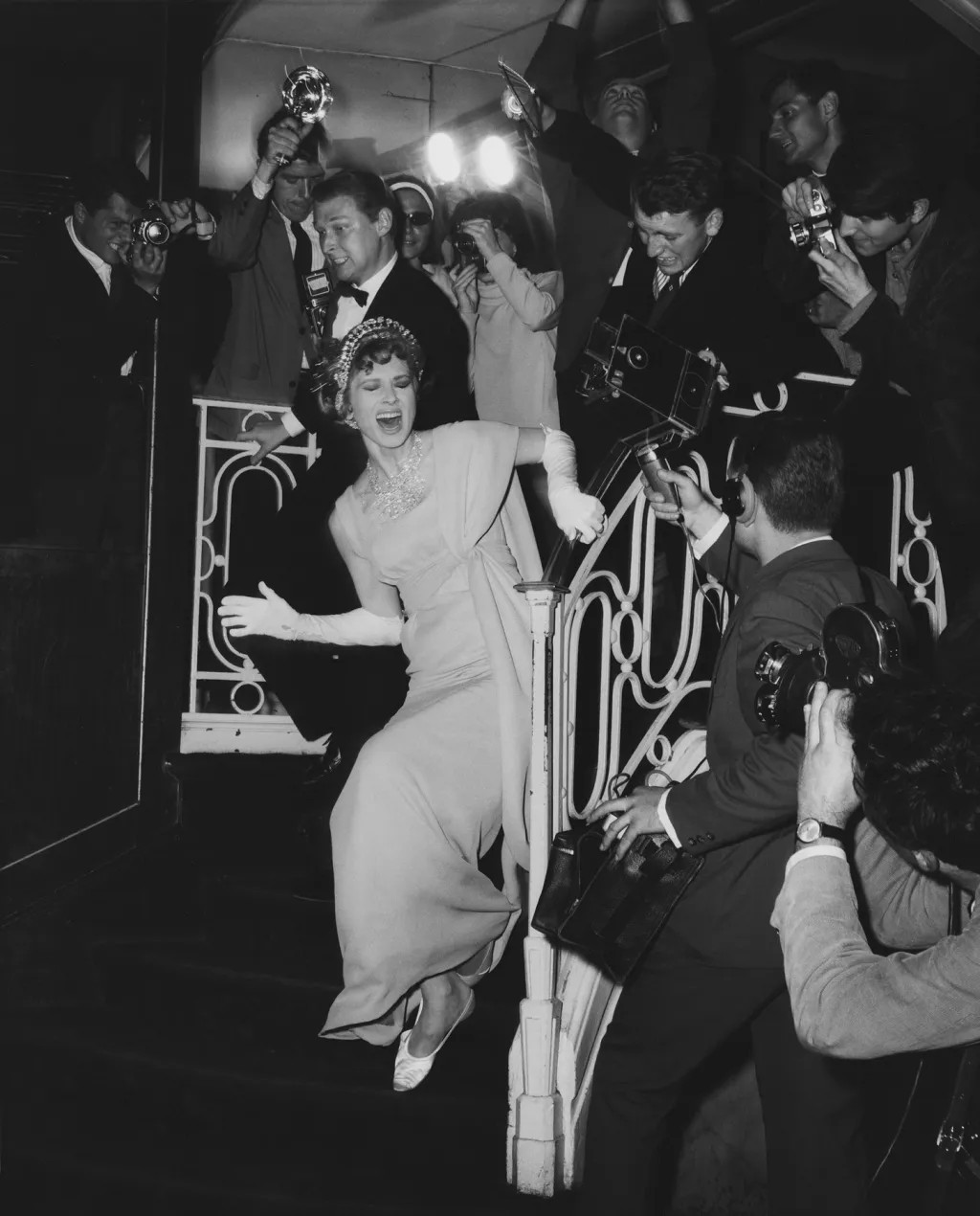
Mike Nichols Suzy Parker Rock Europe,” dress by Lanvin-Castillo, Maxim’s, Paris, 1962
Photo: Getty Images
Richard Avedon passed away in 2004 while on assignment.
However, his presence in contemporary photography remains undeniable. His techniques, aesthetic principles, and conceptual approach continue to influence generations of photographers, artists, and image-makers.
From editorial spreads to fine art exhibitions, echoes of Avedon’s vision are everywhere.
This article is an original editorial analysis produced by [DIBA magazine]
Research and references are used for contextual accuracy.
