|
EN
Subscribe to our Newsletter
This article explores the practice of Atelier Cph, a Copenhagen-based artist-driven design studio founded by Sara Ingemann and Mandy Rep. Focusing on material, tactility, and experimentation, it examines their visual language, creative process, and the balance between commercial and artistic work, alongside selected interview insights into their philosophy.
By the Editorial Staff
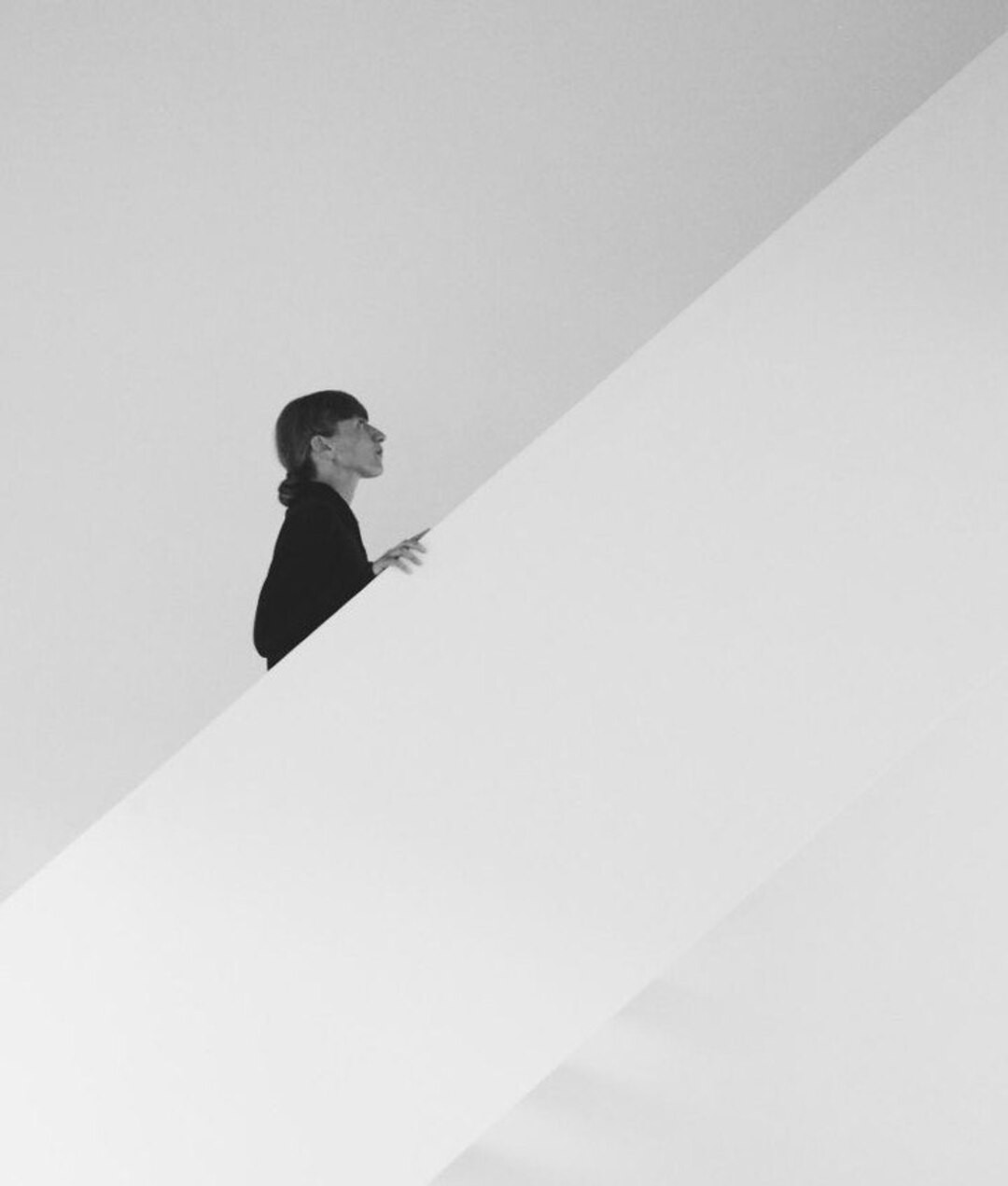
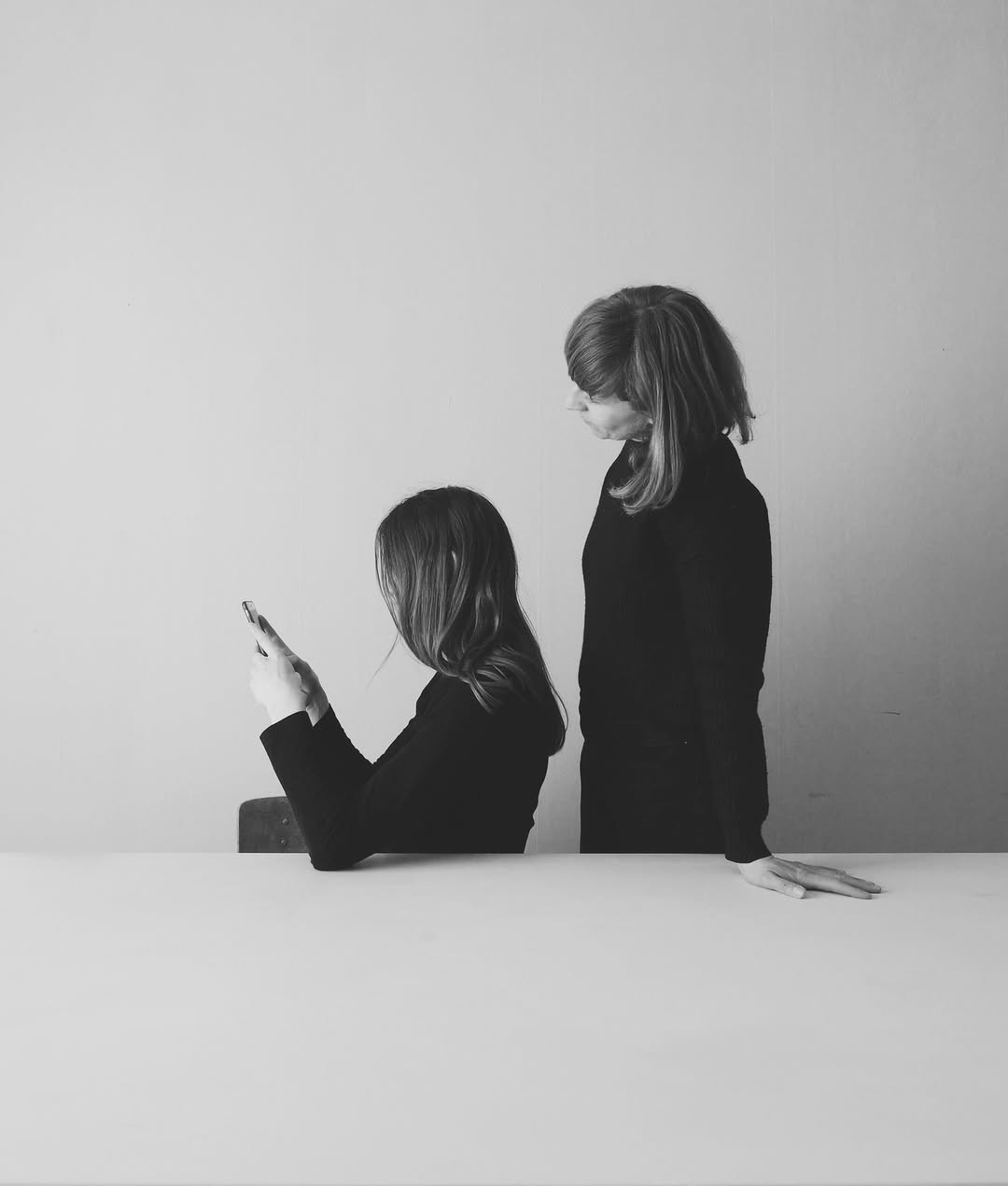
Photo: Courtesy of Atelier Cph
There is a quiet resistance happening in contemporary design, a return to material, to touch, to the imperfect. In a landscape increasingly defined by screens and speed, Atelier Cph moves in the opposite direction, shaping a practice grounded in tactility, intuition, and the slow language of making.
Since 2012, Atelier Cph has been shaping a universe where intuition, material, and experimentation come together in a quiet, deliberate way.
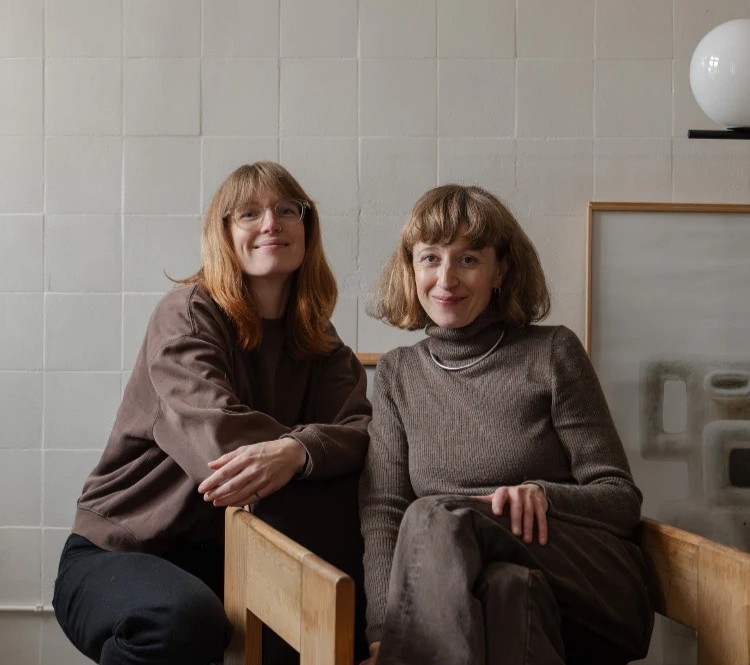
Founded by trend forecaster Sara Ingemann and art director Mandy Rep, the Copenhagen-based studio moves between artistic exploration and applied design with a natural ease. Their work spans trend research, concept styling, and brand development for fashion, design, and lifestyle clients, while continuing to evolve through a parallel practice of prints, sculptures, and tactile artworks that retain the immediacy of the hand.
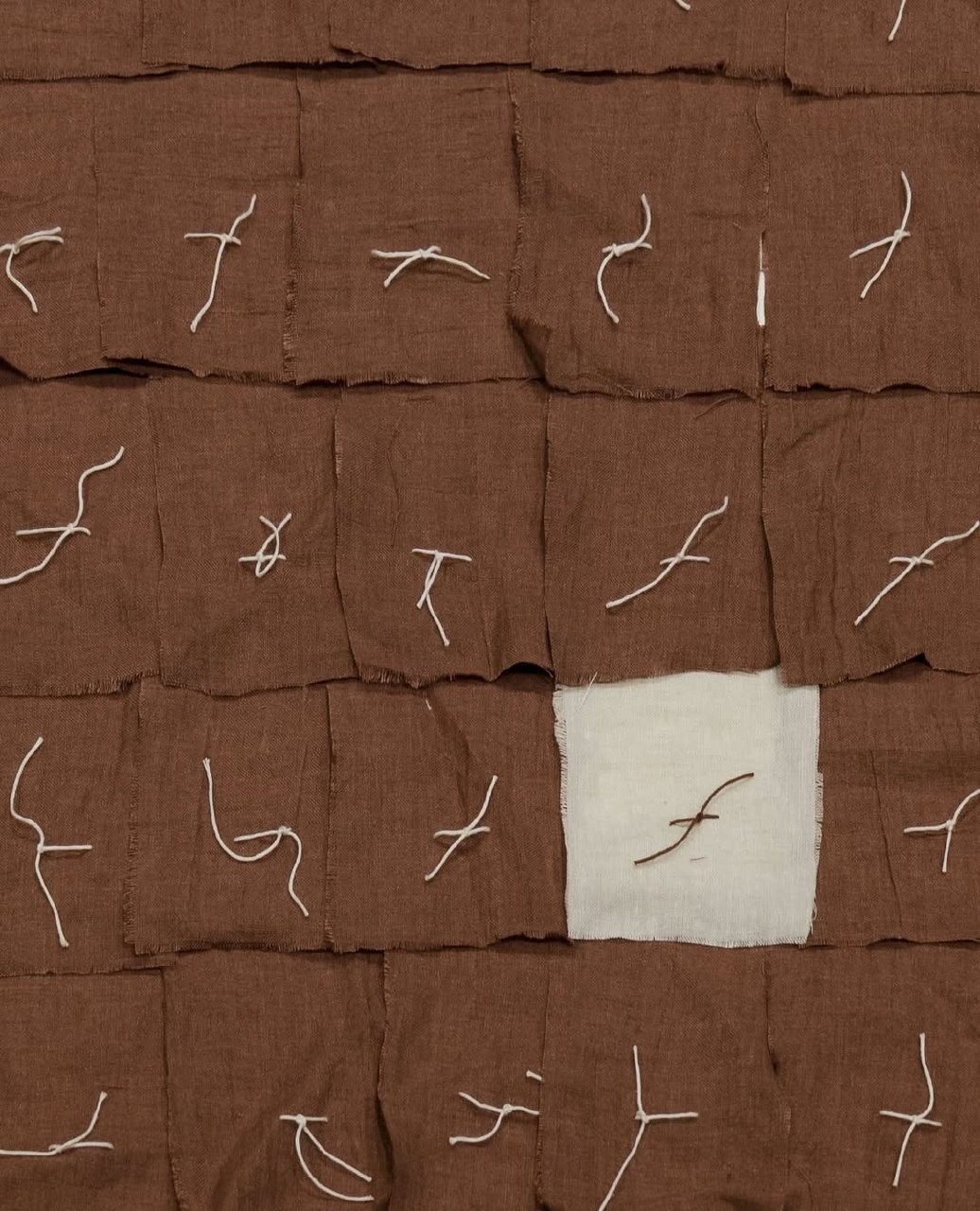
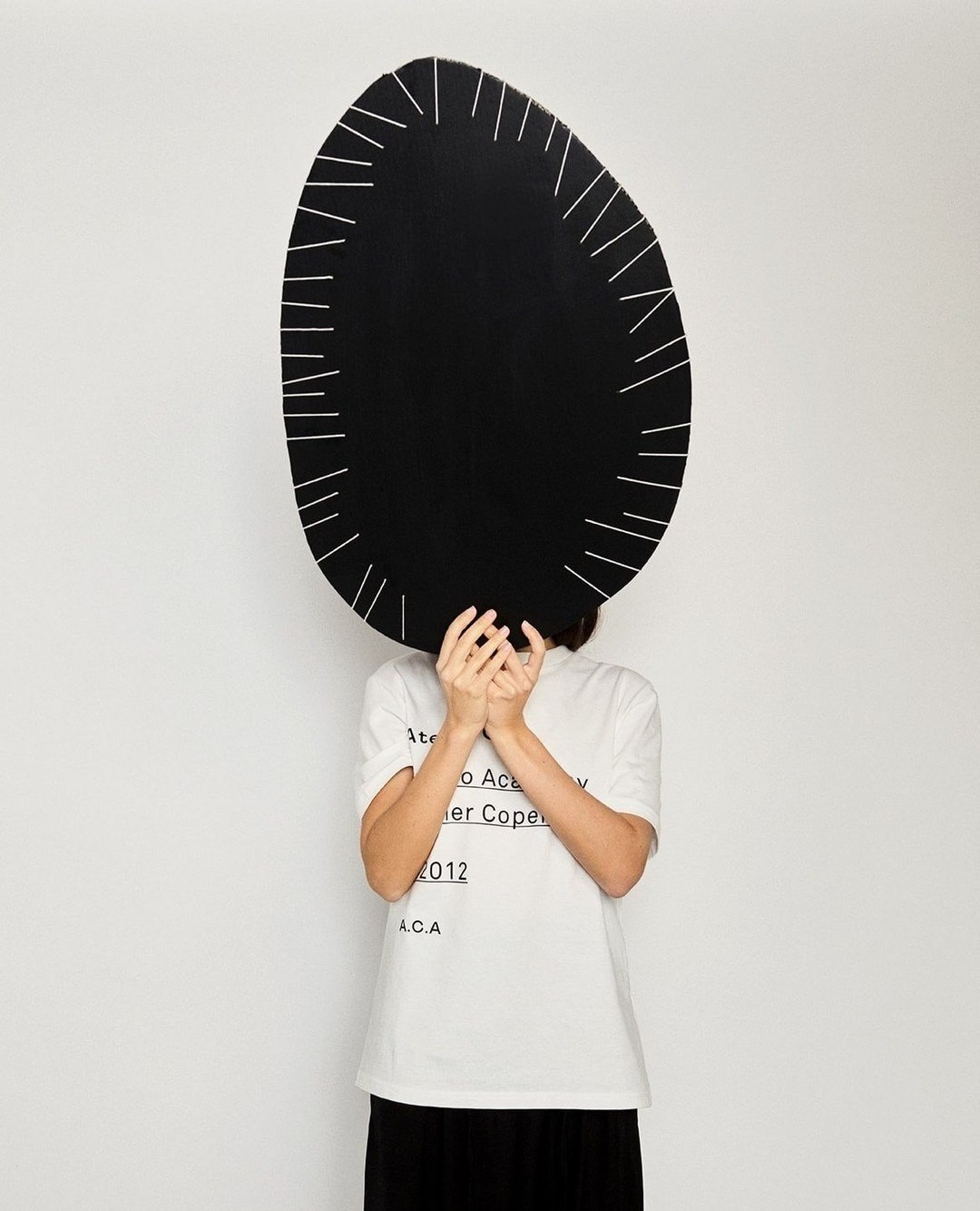
Photo: Marieke Verdenius - Courtesy of Atelier Cph
In April 2025, they moved into a new studio on Østerbro, a space that works as both workshop and exhibition, but also as a place for ongoing experimentation. Materials often lead the process here. Leftovers, fragments, discarded objects, even something found on the street, can become the starting point for a new piece. What matters is not only the outcome, but how the work comes into being.
Their visual language develops through the meeting of two approaches: intuition and structure, storytelling and composition, instinct and material. Over time, this exchange has shaped a shared language that feels both precise and open, minimal, yet expressive, and always evolving.
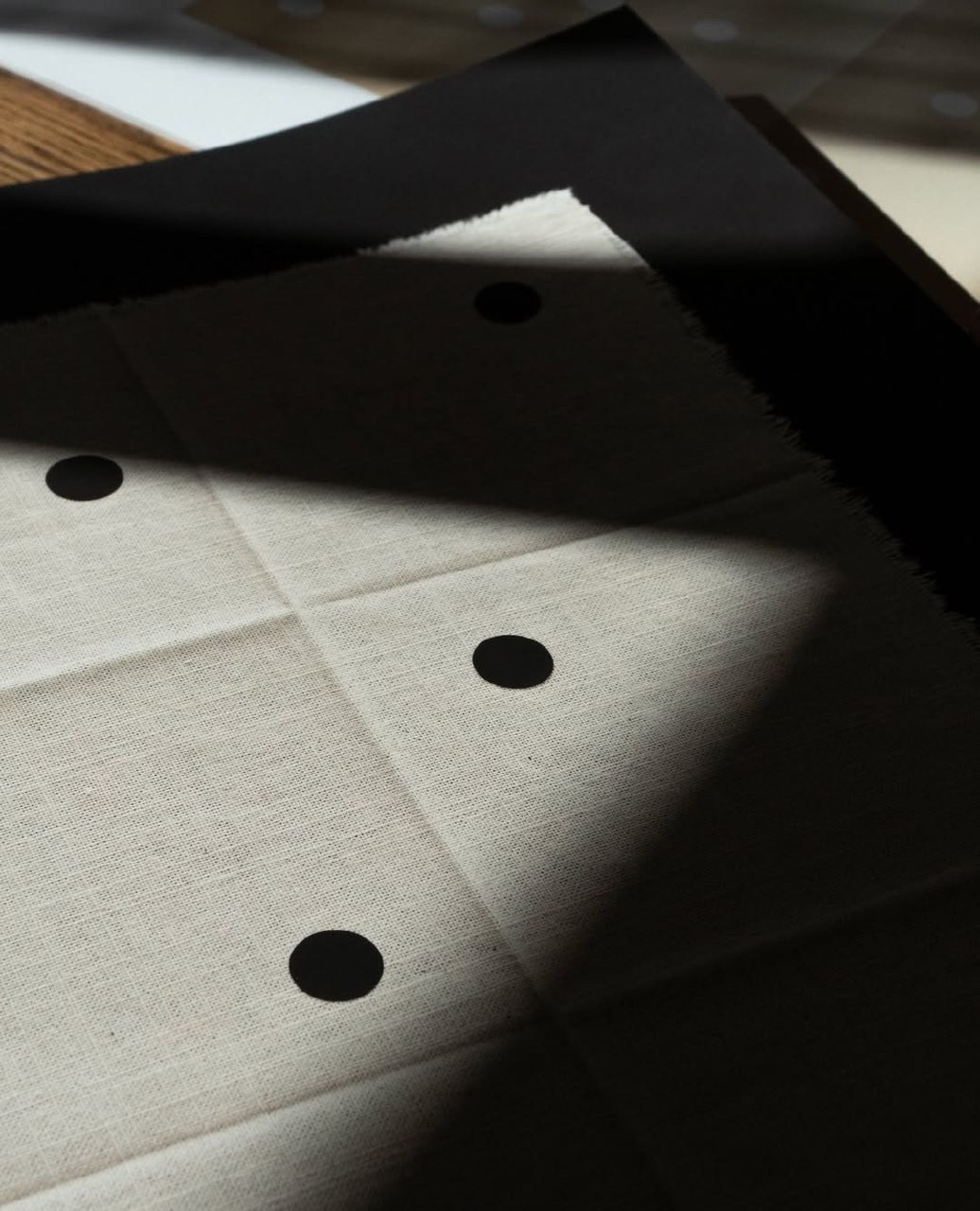
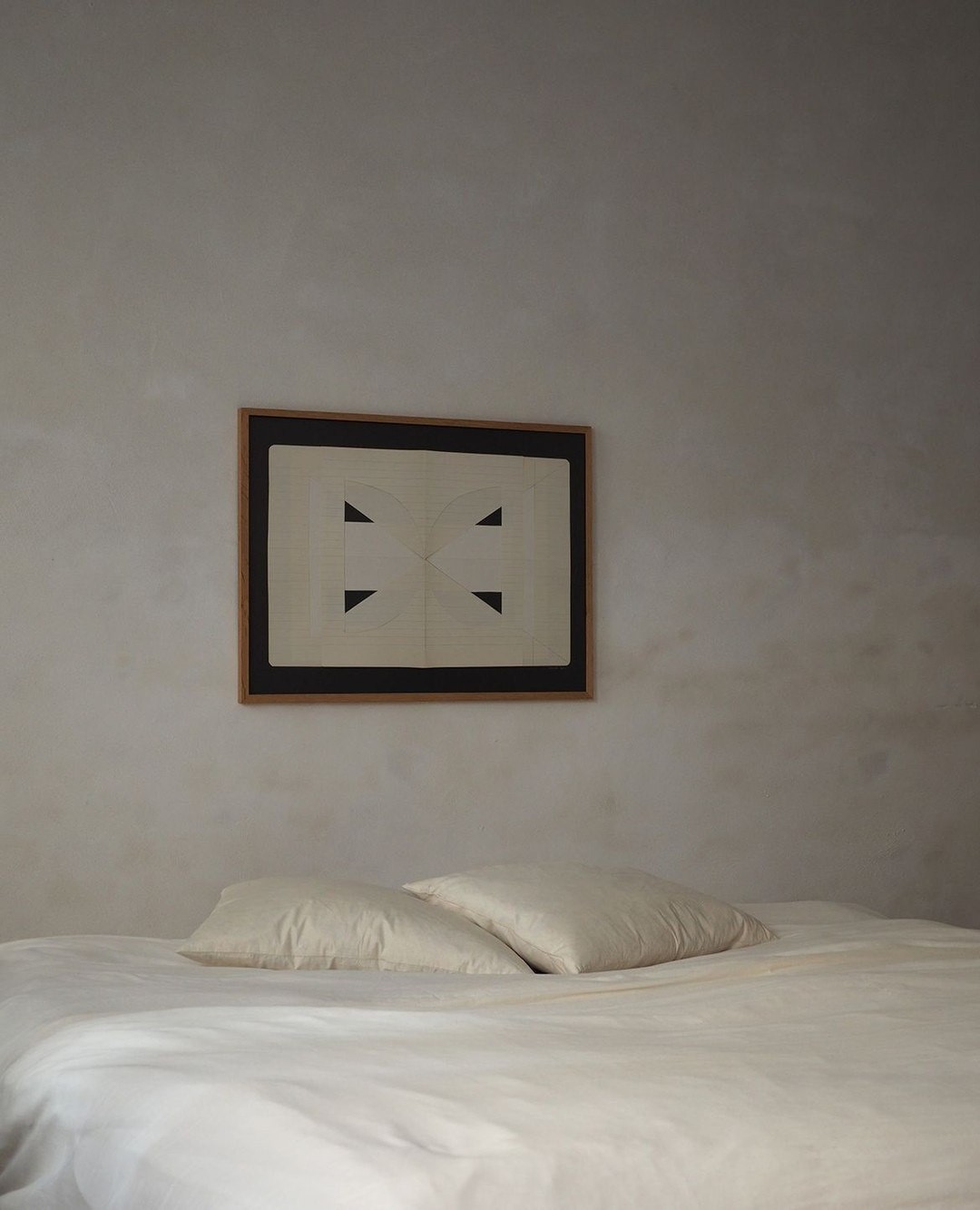
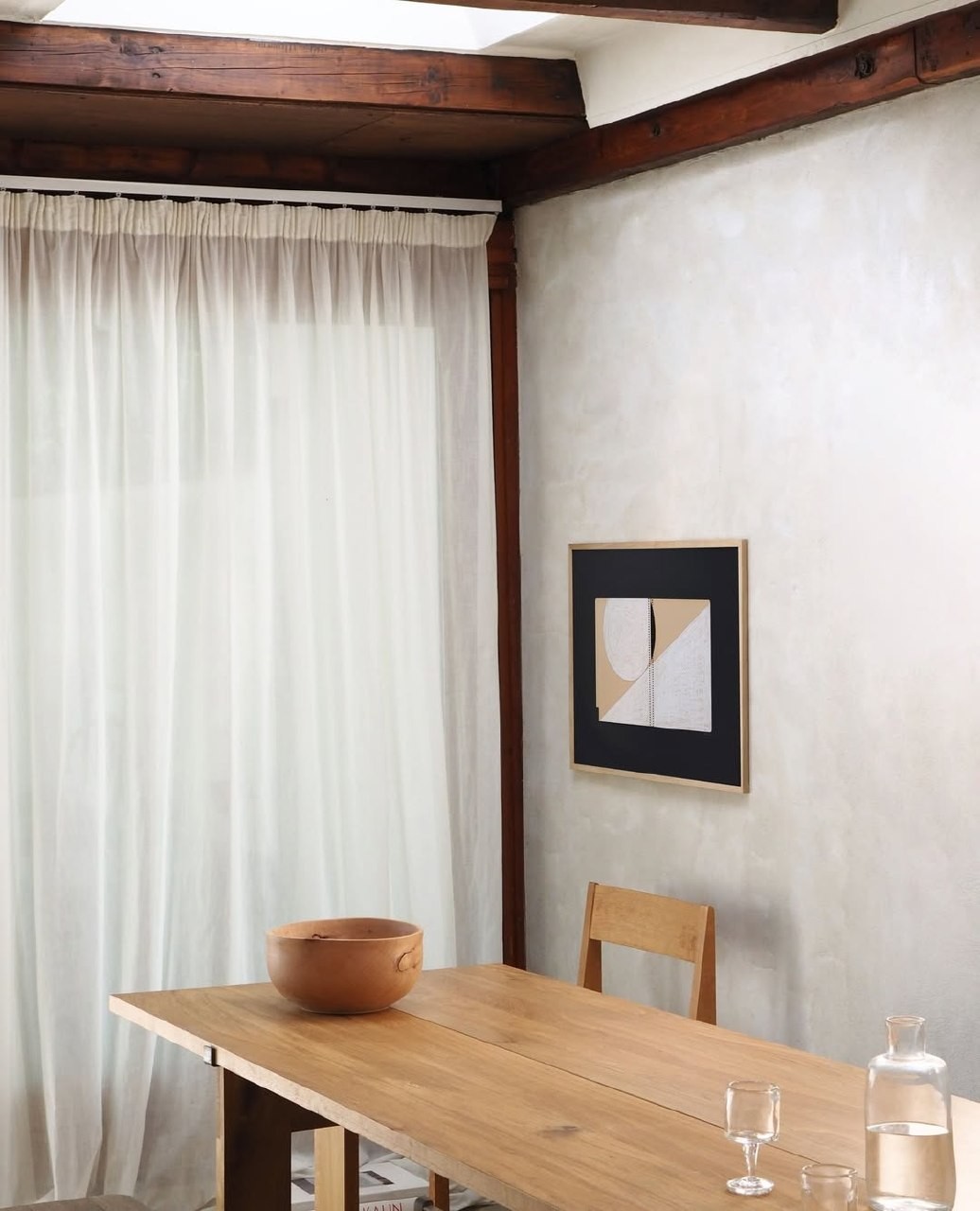
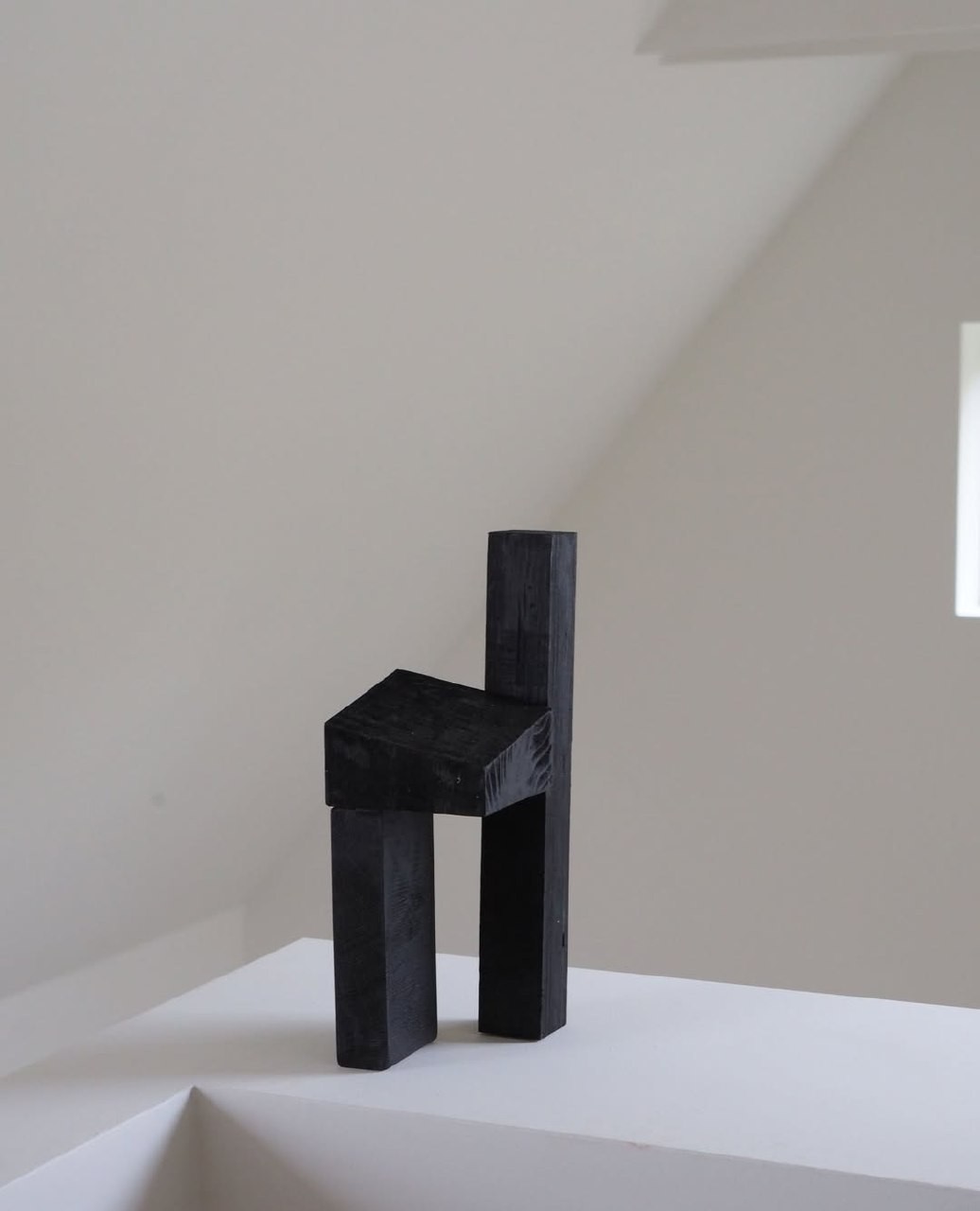
Photo: Courtesy of Atelier Cph
Minimalism, however, is only the first impression. The work itself is more tactile, more raw, and often intentionally unresolved. Sketches frequently become final pieces, keeping their rough edges and visible gestures. Rather than refining everything, there is a conscious decision to preserve the process, to allow imperfections to remain and give each piece a sense of honesty and presence.
In a digital-first world, this focus on tactility takes on a deeper meaning. Materials, textures, and surfaces bring a sense of presence that cannot be replicated on a screen. They slow things down and invite a more attentive way of experiencing objects. This thinking extends into the workshops they have been hosting over the past four years, where making becomes something shared, physical, and immediate.
Each project usually begins with the material itself. Its qualities, weight, texture, malleability, guide the direction, while concept and research stay present in a more subtle way. Architecture, particularly movements like Bauhaus, De Stijl, Brutalism, and Constructivism, offers structure and rhythm, while art opens up space for experimentation, from quiet, meditative compositions to more expressive forms. At times, inspiration comes from something entirely unexpected, a found object, a surface, a small detail, shifting the everyday into something considered and new.
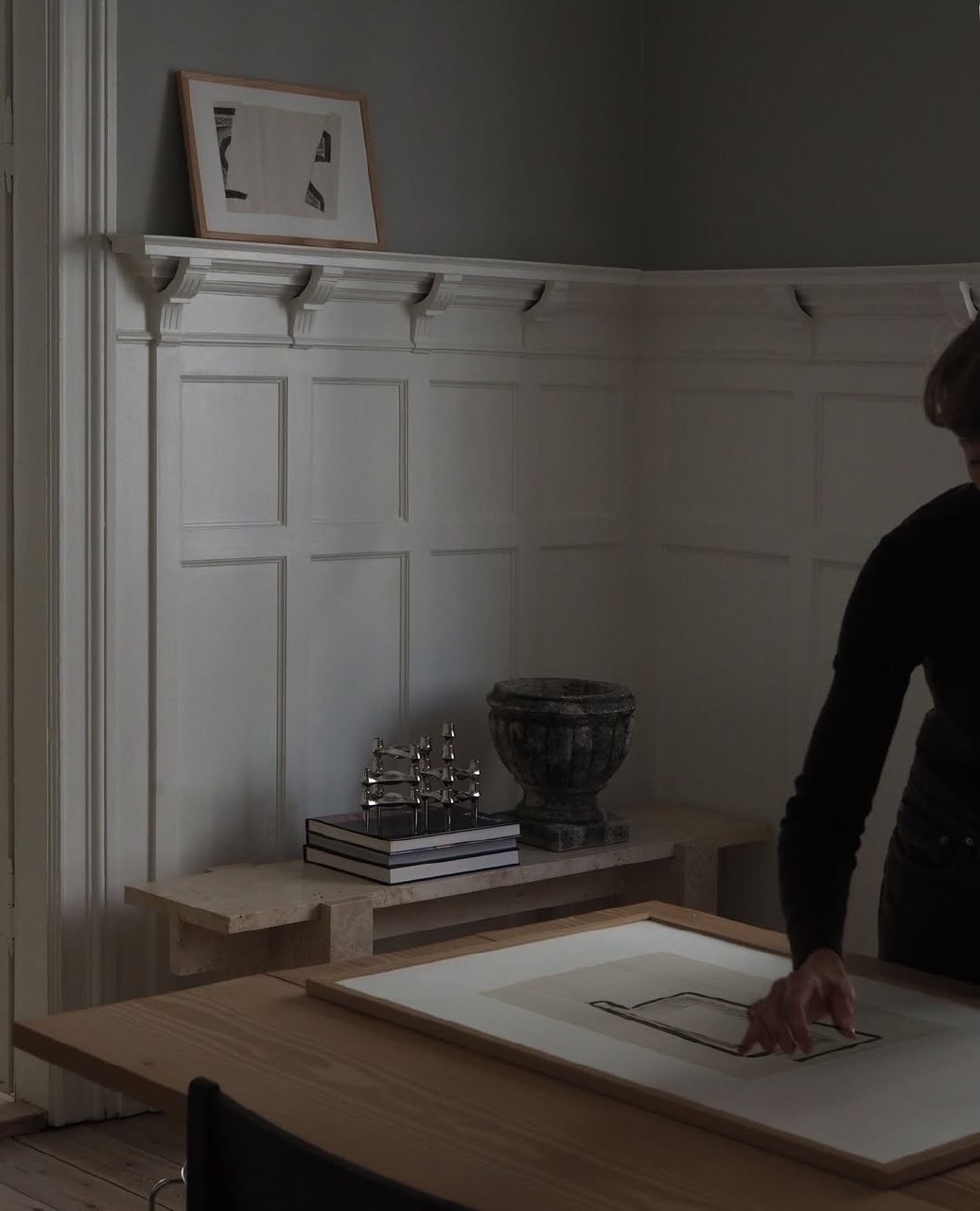
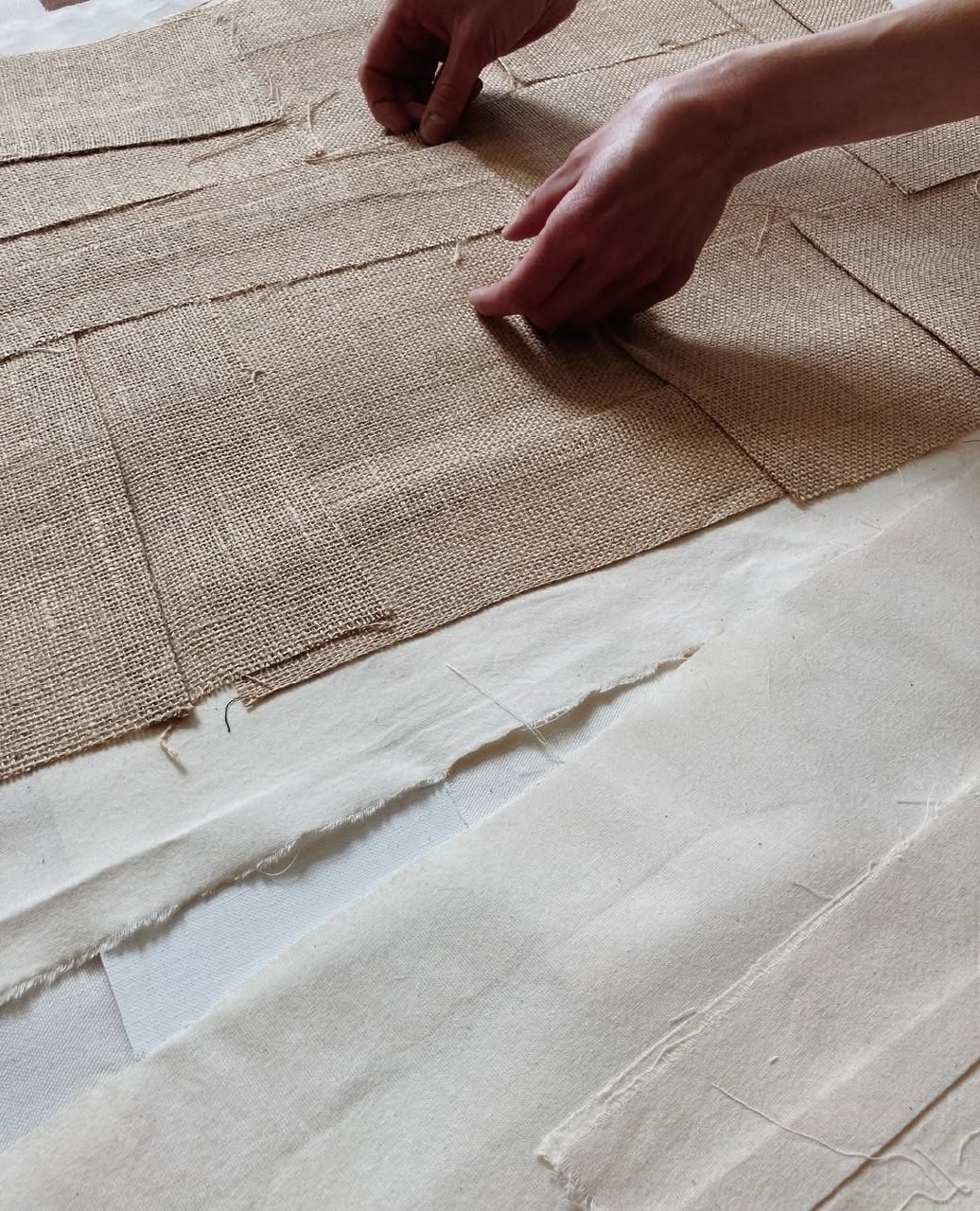
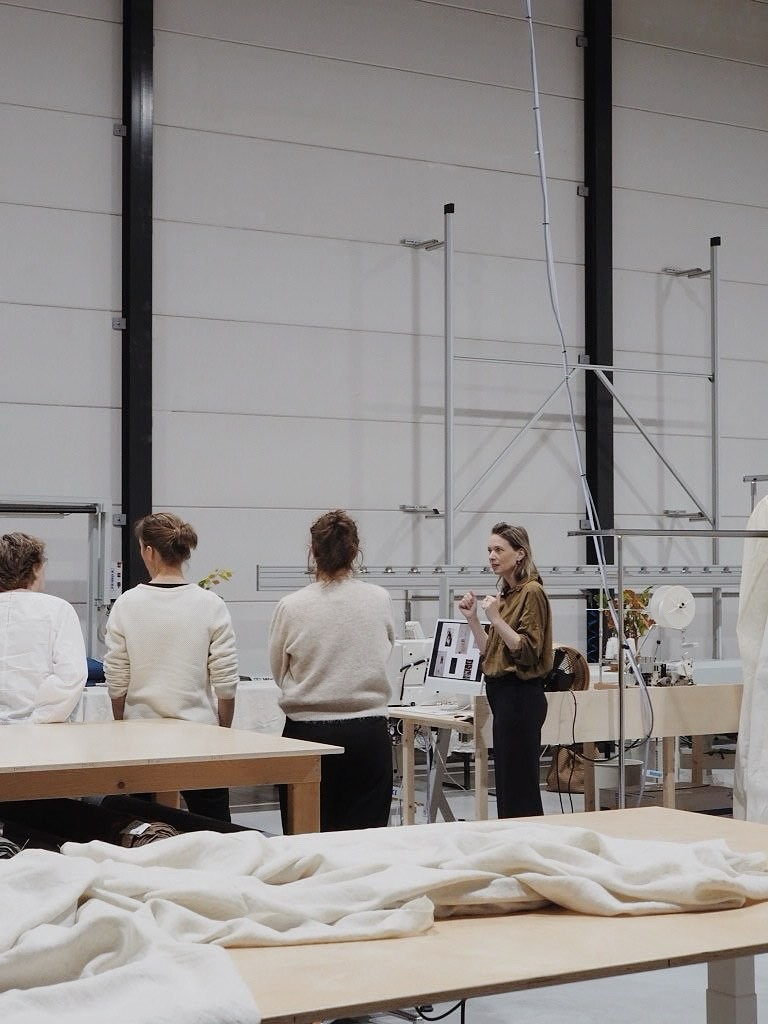
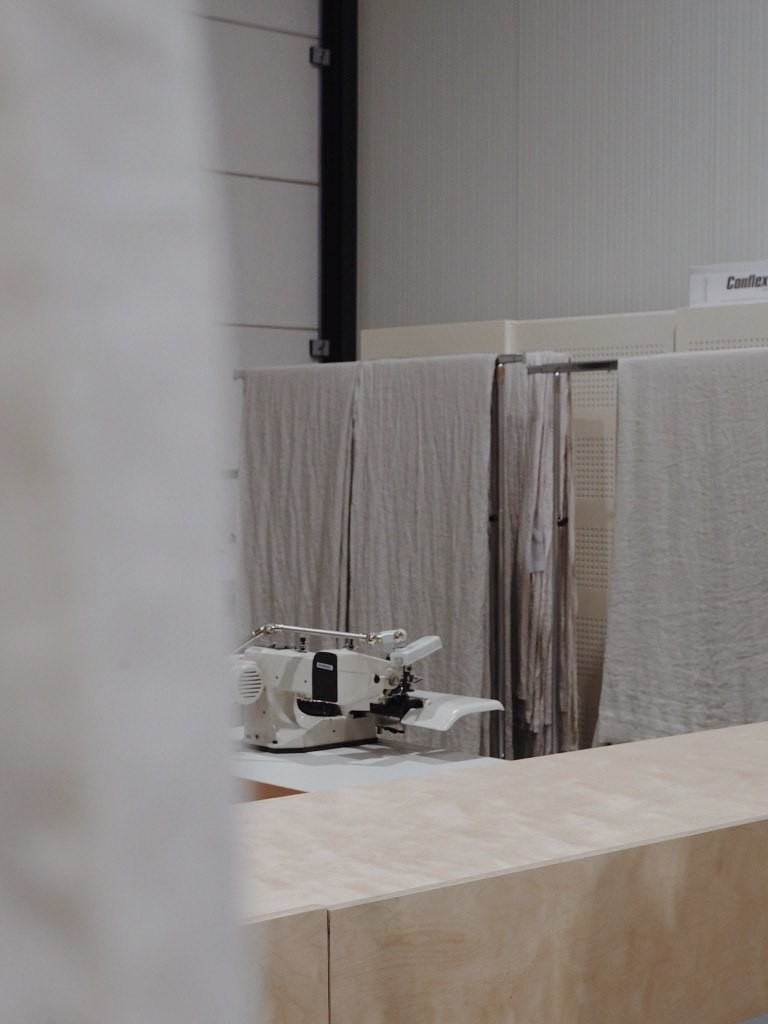
Photo: Courtesy of Atelier Cph
The relationship between commercial work and personal practice remains fluid. Rather than separating the two, they inform each other. Client projects introduce new contexts and challenges, while independent work allows for experimentation and freedom. This balance keeps the studio in motion, with each project approached through the same attention to detail, curiosity, and commitment to long-lasting design.
Atelier Cph exists within this ongoing dialogue between intuition and structure, material and idea. It is a practice grounded in process, where minimalism carries weight, tactility shapes experience, and objects are created not only to be seen, but to be felt. In a time increasingly defined by the digital, their work offers a return to something more physical, something slower, more present, and deeply human.
What follows is a glimpse into the thinking behind Atelier Cph, a studio shaped by instinct, material exploration, and an enduring sensitivity to form.
We asked the artists to reflect on their process, and these moments from our conversation reveal the heartbeat of their studio.
DIBA: How did your backgrounds (trend forecasting vs art direction) shape your shared language?
Atelier Cph: Our different backgrounds are really the foundation of our shared language. Sara’s experience within trend forecasting brings a strong intuitive sense for emerging aesthetics, cultural movements, and visual storytelling, while Mandy’s background in art direction and graphic design adds a more structured, compositional and material-driven perspective.
We often find ourselves drawn to the same sources of inspiration, which we continuously share and develop together. Over time, this has shaped a very aligned visual language. We inspire each other a lot and have a deep respect for each other’s strengths, which allows the collaboration to feel both natural and evolving.
DIBA: How would you define your visual language beyond minimalism?
Atelier Cph: While our work is often perceived as minimal, we see it as more tactile, material-driven and expressive. We believe in creating artworks that are timeless in design, pieces that people can live with and enjoy for many years.
Our visual language isn’t just minimalism. It might look clean and simple at first, but the way we actually work is much more raw and unfinished. We really love the process, and a lot of the time our sketches end up becoming the final piece, with all their rough details still there. Instead of polishing everything, we like keeping the imperfections and the feeling of how it was made. So even if the overall look is minimal, the work itself is more expressive, intuitive, and a bit unrefined, in a way that feels honest to us.
DIBA: Why is tactility important today in a digital-first world?
Atelier Cph: In a time where so much is experienced through screens and AI, we feel a strong need to reconnect with something physical and real. Working with our hands and embracing imperfection is an essential part of that. Tactility brings a sense of presence and authenticity it slows things down and creates a more sensory experience.
For us, materials, textures and surfaces are a way of grounding our work and creating pieces that people can connect with on a deeper level. It adds a human dimension that digital environments often lack. This is also why we started doing workshops four years ago to connect with people, share our process, and give something back to the community.
DIBA: Where does a project begin for you: concept, material, or intuition?
Atelier Cph: Most often, it begins with the material itself. We test and experiment with different techniques, allowing the material to guide the process. At the same time, concept and research are always present in the background, subtly informing the direction as the project develops.
DIBA: How do you balance commercial projects with artistic freedom?
Atelier Cph: We see our commercial and artistic work as closely connected rather than separate. Client projects allow us to apply our way of thinking within different contexts, while our own artistic practice gives us the freedom to experiment and push ideas further.
Maintaining that balance is important to us, it keeps the work dynamic and evolving. We approach both with the same level of curiosity, craftsmanship and attention to detail, always aiming to create something that feels honest and long-lasting.
A closer look at the ideas shaping Atelier Cph, where material, intuition, and process remain inseparable.
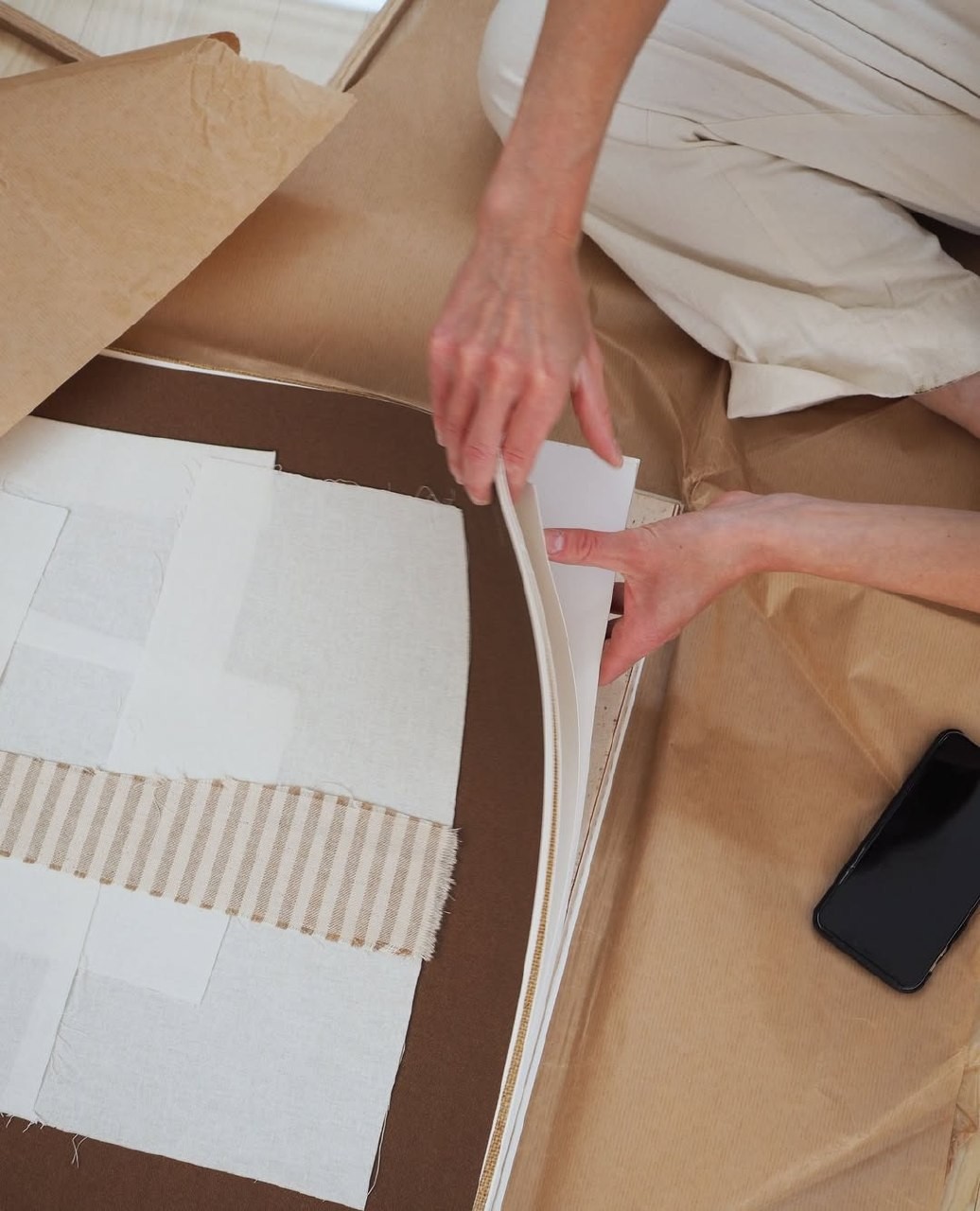
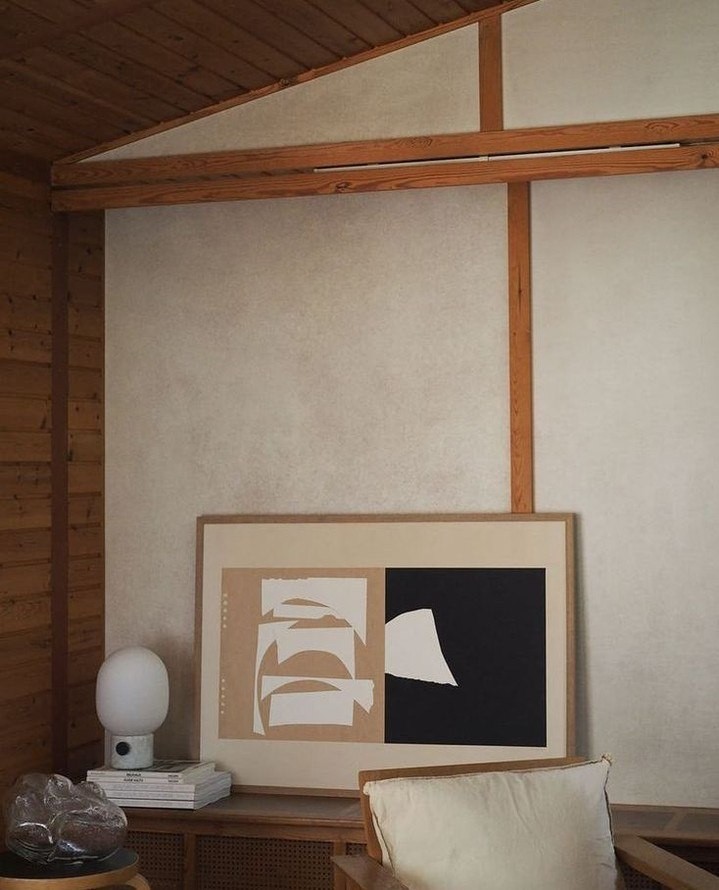
Photo: Courtesy of Atelier Cph
This article is an original editorial analysis produced by [DIBA magazine]
Research and references are used for contextual accuracy.
