
|
EN
Subscribe to our Newsletter
Fred — a photographer whose language is light, and whose latest collection is a wound that nobody dared to name.
Some photographs stop you. Not because they are beautiful though they are, but because you sense, immediately, that they came from somewhere a camera does not usually go. Not a studio. Not designed light. Not a pose calculated to look effortless. But somewhere at the border between consciousness and surrender, somewhere the mind no longer trusts what it perceives.
Fred knows that border. Not as an artistic concept. As a lived experience.
Sixteen years in a profession that demands, above all else, the capacity to see, has built an eye that does not pass over things lightly. But Lost in a Dream, his most recent collection, is not the product of seeing. It is the product of something he has, by his own account, genuinely survived.
By Zara Saberi
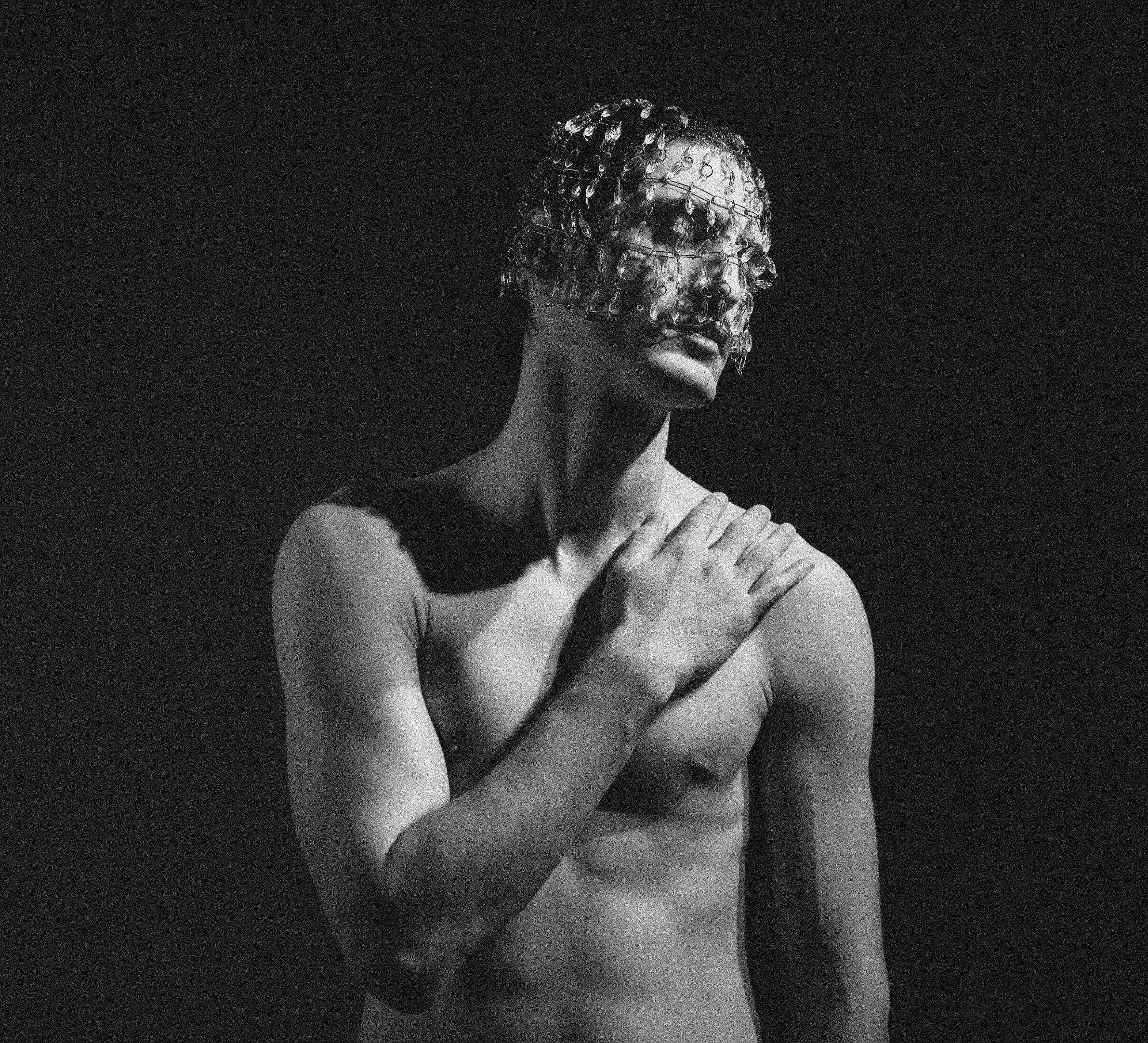
Photo: Fred
Fred was born in 1987. But his relationship with the image began long before he reached any professional age.
"My earliest encounters with the visual world took place beside my father, where I learned to sense light, form, and emotion long before I understood meaning or technique."
This sentence sounds simple. What lies behind it is not. Learning feelings before technique , this kind of visual education is rare. Most photographers begin with craft and arrive, years later if they are fortunate, at emotion. Fred travelled that road in reverse.
A formal education in cinema gave structure to that first language.
"To me, every frame is a scene, every portrait a character, and every campaign a complete narrative."
This perspective , which treats fashion photography not as the documentation of clothing but as human storytelling , is precisely what separates his work from others.
Sixteen years. Hundreds of projects. Major international brands. Designers who began from nothing. More than sixteen terabytes of selected work. But ask him to name the single most essential principle of his practice, and the answer is one word.
Simplicity.
"I believe beauty lives in simplicity, and a photograph should be born in the camera, not created through excessive editing. The raw image is the authentic image."
In a world where every image passes through ten filters and twenty layers of retouching before it reaches an audience, this position is almost radical. For Fred, it is not an aesthetic preference. It is a conviction.
To understand how Fred thinks, you need to know that many of his concepts begin not with fashion, not with a trend, not with a visual reference , but with music.
Jazz. Blues. Rock. Classical.
"Music is like a breath to me. It defines the rhythm, tonality, and emotional atmosphere of an image. Many of my concepts and campaigns begin with the mood of a single piece of music , where sound transforms into visual storytelling."
This reveals something important about how he works. He begins with feeling, with a mood, a tone, a rhythm, and then searches for the image that can translate it. This approach is the inverse of most commercial photographers, who begin with a brief and work toward a picture.
Perhaps this is what made Lost in a Dream possible.
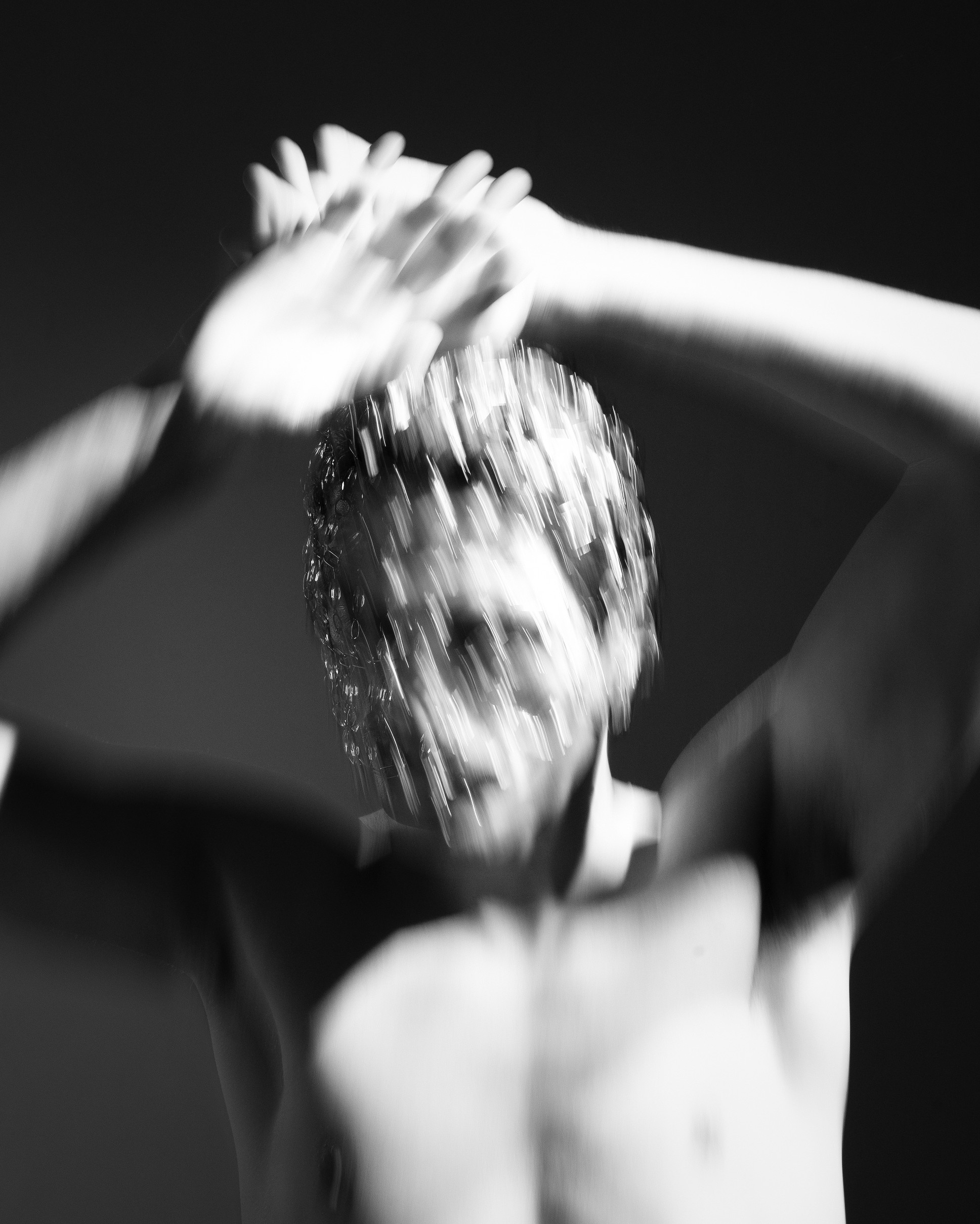
Photo: Fred
The collection Lost in a Dream opens with a statement few photographers would have the courage to write:
"Based on a true story."
This series documents a period in a person's life, a time when the boundary between waking and dreaming begins, quietly, to dissolve. When the mind, pressed beneath the weight of stress, exhaustion, or thoughts that refuse to quieten, starts to lose its grip on what is real. Not a metaphor. Not an artistic conceit. A real psychological and physical state, one that Fred has lived through.
The blurred movements in the photographs are not accidental. The unfinished faces are deliberate. This is the visual language of someone who knows what it feels like to become invisible , not to the world, but to yourself.
"Each image captures a moment when the person no longer knows whether to trust what they see or what they feel inside."
Read that again. This is a description of dissociation, the experience of detachment from oneself, from reality, from any reliable sense of perception. A phenomenon experienced by millions, named by few. Fred did not merely name it. He gave it a form.
"Lost in a dream is not a poetic expression here; it is a wound, something lived, felt, and carried in silence. A pain that lingers, like standing before a fogged-up mirror and realising you can no longer recognise the face looking back."
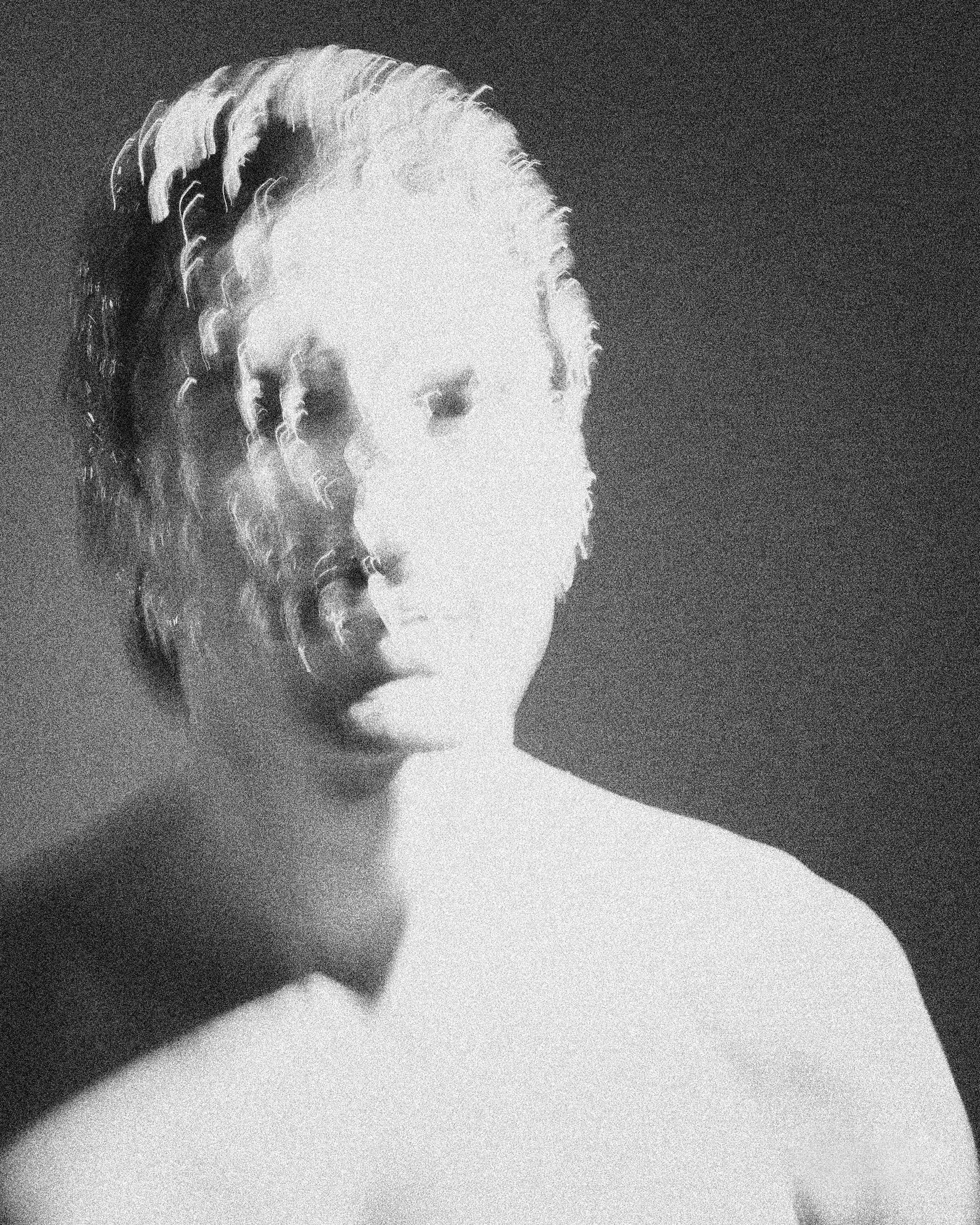
Photo: Fred
In a world where fashion photography increasingly moves toward visual spectacle, elaborate effects and heavy post-production, Fred has chosen the opposite direction.
Minimalism. Realism. Emotional clarity.
These three words are his working manifesto. But do not mistake them for modesty, simplicity in Fred's work does not mean less. It means precise. Every element that remains in the frame has earned its place. Every light that falls has something to say.
Cinema, Architecture and Psychology, the three sources Fred names as direct influences, all point toward the same convergence: structure in service of feeling. Form in service of content. Technique in service of truth.
"Fashion is one of the rare fields where beauty, technique, emotion, art, and thought coexist seamlessly, an alignment that fuels my passion for this industry."
This perspective places Fred in a position that is neither purely commercial photographer nor purely fine art practitioner, but someone who inhabits the space between, and builds work from that in-between place. Work that is accessible to a general audience and respected by a critical one.
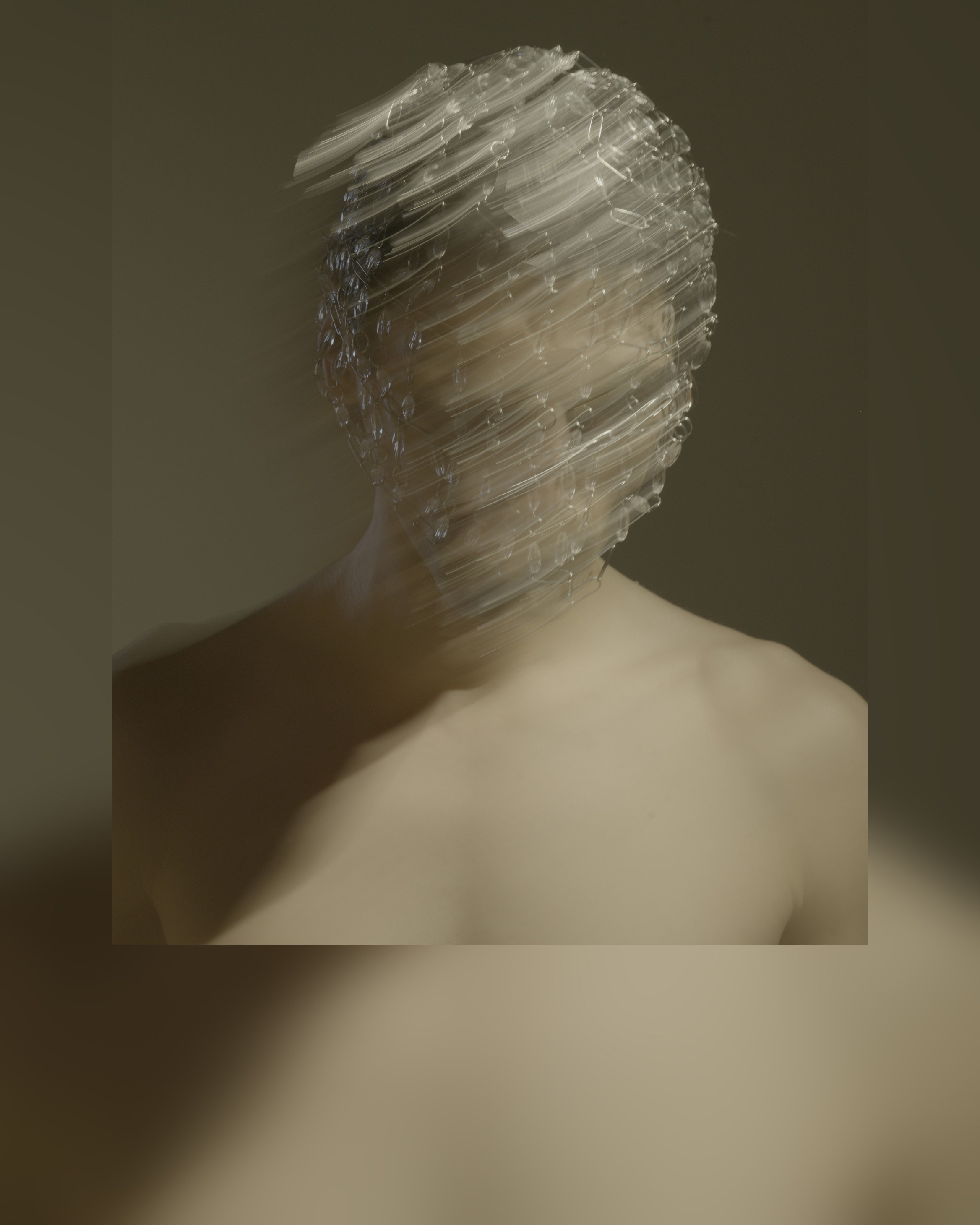
Photo: Fred
Sixteen terabytes.
For someone unfamiliar with image files, this number might seem abstract. For anyone who works with RAW photography, it represents years of uninterrupted work. Thousands of hours behind the camera. Thousands of moments that Fred decided were worth keeping.
But more significant than the volume is the selection. This archive consists of chosen works, meaning what remains has passed through a critical eye that counts self-editing among its skills.
Over these years, Fred has not simply taken photographs, he has played a key role in shaping the visual identity of brands. From major international names to designers for whom he created their very first campaign. This kind of collaboration extends beyond photography into visual strategy, the understanding of what a brand needs to say, and how a single image can carry that.
In the end, the question that remains is why Lost in a Dream, this personal, painful and unflinchingly honest collection , matters.
In a world that produces thousands of fashion images every day, most of them are beautiful. Some are technically flawless. Many follow the trend. A rare few create it.
But what is truly scarce, what is genuinely rare , is an image that comes from a lived truth. From a place where the photographer was not the observer but the subject. Where the camera was not a tool of documentation but a tool of survival.
"The photographs reveal a quiet but difficult fight to hold on to reality while everything within starts to drift."
Fred did not make this collection to win an award. He did not make it go viral. He made it because he had to, because sometimes the only way to understand an experience is to transform it into an image.
And that, that interior compulsion toward honesty, is what makes Fred's work, amid thousands of daily images, worth stopping for.
My intention has always remained the same: to transform simplicity into power, authenticity into art, and every subject into an image that feels both contemporary and timeless.
— Fred
Written by Zara Saberi
Research and references are used for contextual accuracy.
