
|
Subscribe to our Newsletter
Peter Lindbergh, the visionary German photographer, transformed fashion by putting humanity, emotion, and storytelling above polish and glamour. His iconic black-and-white imagery not only launched the supermodel era of the 1990s but also redefined how fashion could capture personality and presence. This article delves into his life, philosophy, cultural impact, and enduring influence on the visual language of fashion photography.
By the Editorial Staff
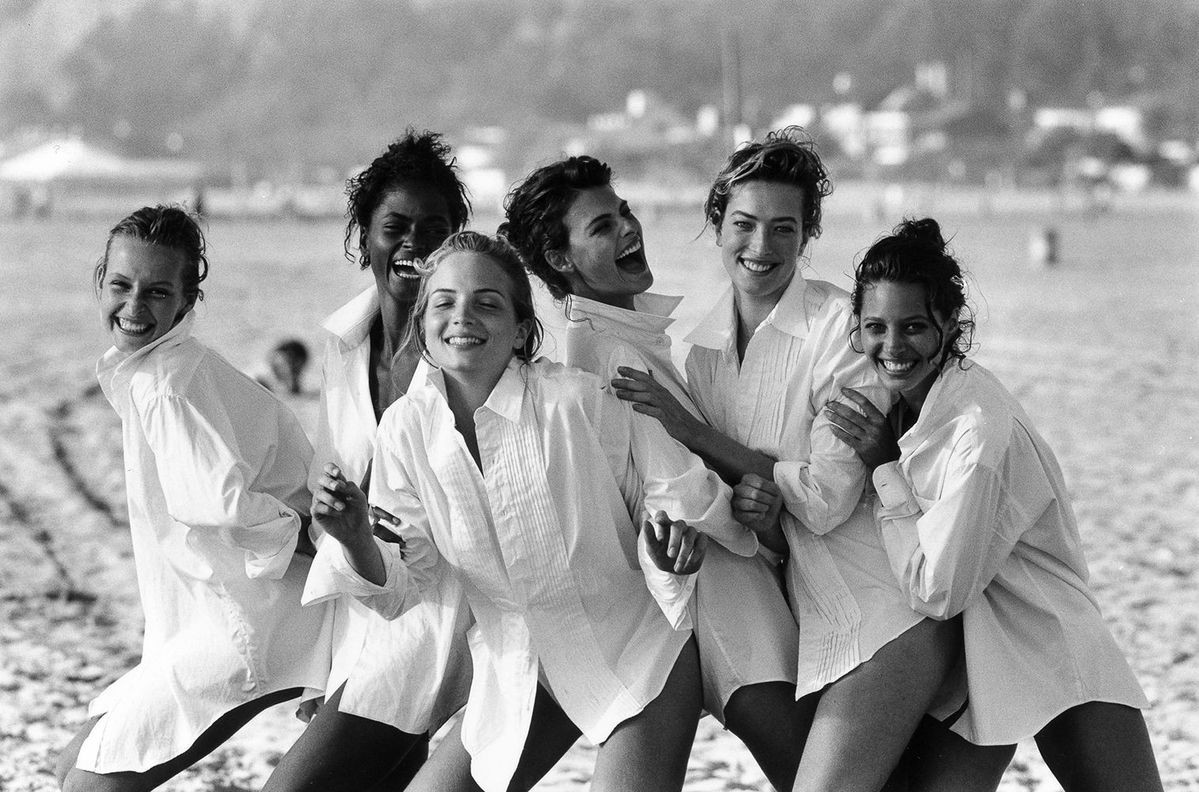
Photo: Peter Lindbergh
In a world dominated by airbrushed perfection and highly staged editorials, Peter Lindbergh introduced a radically human perspective. He didn’t just photograph clothing, he captured the soul, emotion, and presence of his subjects. In his images, fashion became secondary to narrative; the photograph wasn’t just about style, it was about people, stories, and real life moments. This fresh approach shifted the very foundation of how fashion could be visually communicated.
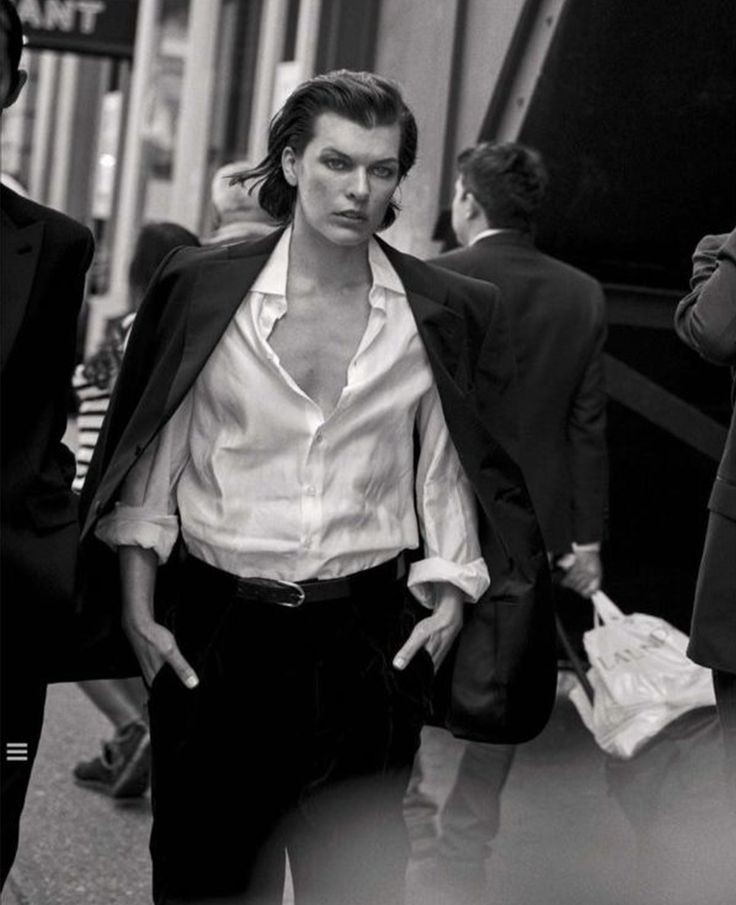
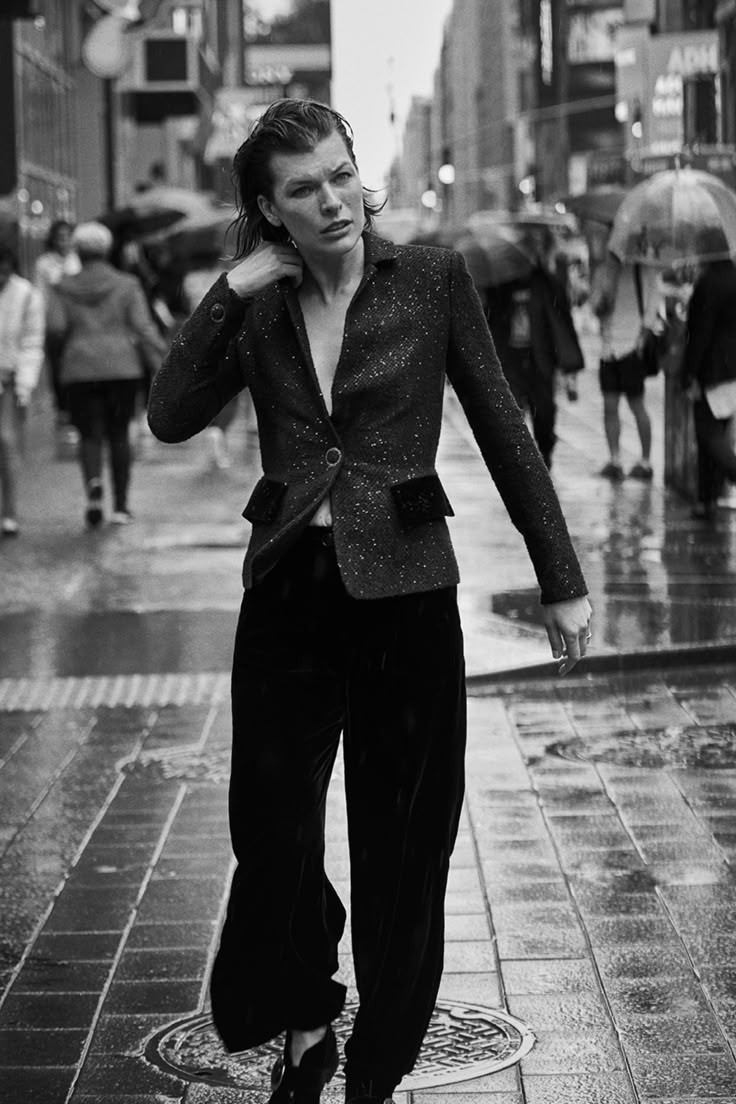
Walking, Peter Lindbergh, 90s
Photo: Pinterest
Born Peter Brodbeck in 1944 in Lissa (then under German occupation in Poland), Lindbergh spent his formative years in Duisburg, Germany. Surrounded by industrial landscapes, stark architecture, and the raw textures of everyday life, he developed an eye for authenticity and simplicity that would define his photographic vision.
Lindbergh studied at the Academy of Fine Arts in Berlin, after which he assisted renowned photographer Hans Lux. In 1973, he established his own studio in Düsseldorf and began exploring fashion photography seriously, laying the foundation for a career that would challenge industry norms and redefine beauty standards.
In an era dominated by glossy perfection, retouched skin, and meticulously staged editorials, Peter Lindbergh made a conscious and radical choice: he embraced realism, imperfection, and the lived experience of his subjects. Rejecting the artificiality that characterized much of fashion photography in the 1980s, he turned to black-and-white imagery as a tool to strip away distraction, allowing the viewer to focus on what truly mattered, the person behind the clothing. The absence of color, heavy makeup, or overt styling created a sense of intimacy and honesty that made his photographs feel cinematic, timeless, and deeply human.
For Lindbergh, beauty was never about flawless skin, airbrushed features, or exaggerated youth. Instead, it emerged from strength, vulnerability, resilience, and character. He sought to capture the stories etched into a face, the lines, expressions, and gestures that reveal individuality and lived experience. In doing so, his work became both a stylistic revolution and a cultural statement, questioning rigid ideals of beauty and challenging the fashion industry's obsession with surface-level perfection.
This philosophy extended beyond visual style, it influenced the way models, photographers, and audiences thought about fashion imagery. By prioritizing authenticity over spectacle, Lindbergh inspired a generation of photographers to explore emotion, personality, and narrative depth. He proved that fashion photography could be more than a showcase for clothing; it could be a medium for storytelling, empathy, and human connection.
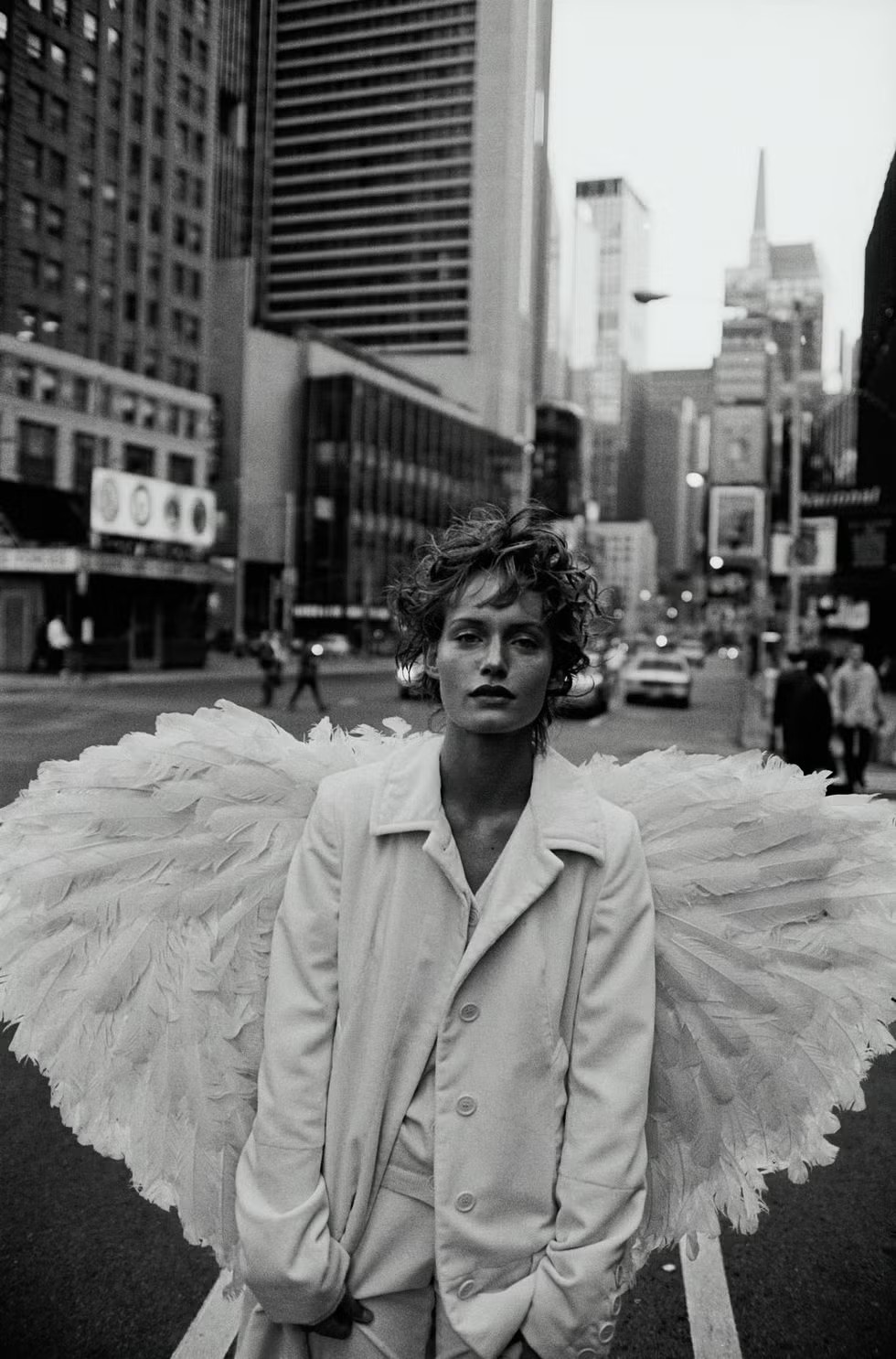
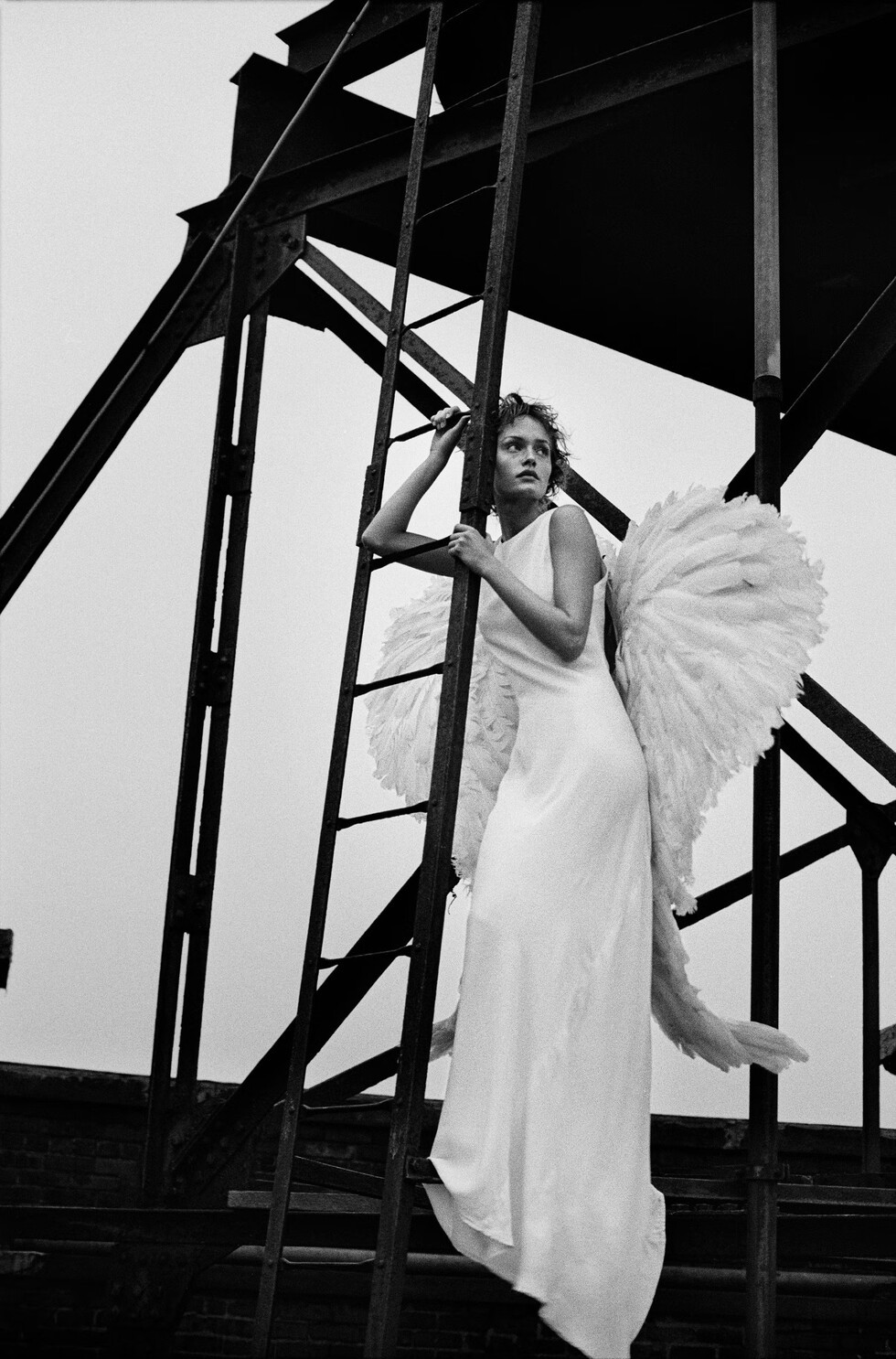
Amber Valletta in the December 1993 issue of Harper's BAZAAR
Photo: Peter Lindbergh
The 1990 British Vogue cover featuring Linda Evangelista, Naomi Campbell, Cindy Crawford, Christy Turlington, and Tatjana Patitz is widely regarded as a transformative moment in the history of fashion photography. Unlike the highly polished, individually-focused editorials that had dominated the 1980s, Lindbergh’s image brought five young, relatively unknown models together in a single frame, presenting them not as mannequins or accessories to clothing, but as individuals with presence, character, and agency.
Shot in stark black-and-white, with minimal styling and restrained makeup, the photograph emphasized humanity over artifice. The models’ natural expressions, subtle interactions, and the deliberate simplicity of the composition created a sense of spontaneity and intimacy. Viewers were invited not merely to look at fashion, but to connect with the personalities and emotional presence of the women themselves. It was, in essence, a visual manifesto: fashion photography could celebrate individuality, charisma, and story rather than just glamour.
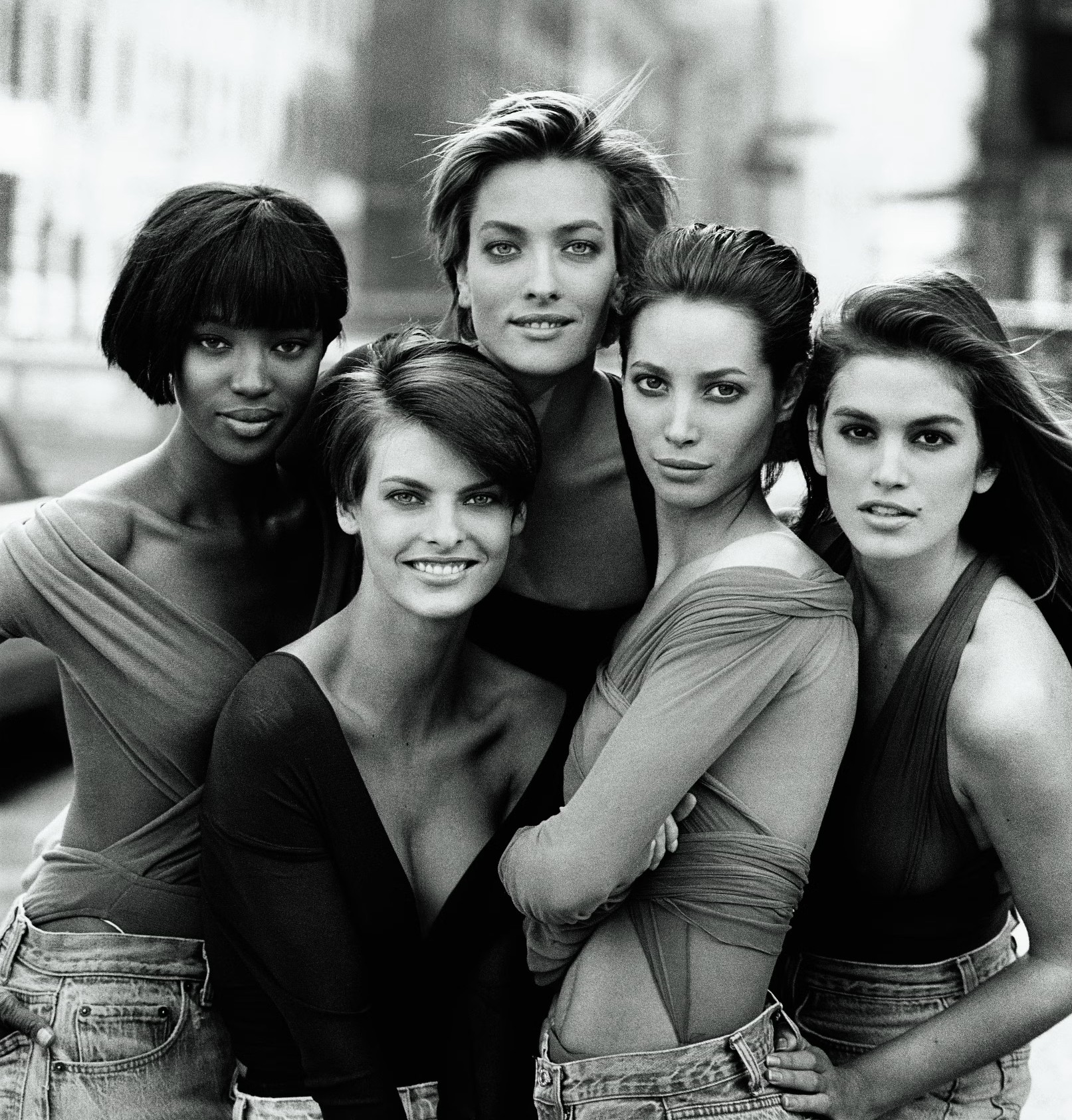
Naomi Campbell, Linda Evangelista, Tatjana Patitz, Christy Turlington, and Cindy Crawford shot by Lindbergh in 1990 for British Vogue
Photo: Peter Lindbergh
The cultural impact of this cover cannot be overstated. For the first time, models were elevated to cultural icons whose influence extended beyond the runway and magazine pages. They became embodiments of strength, elegance, and autonomy, figures who shaped public imagination and popular culture alike. Lindbergh’s approach challenged the prevailing paradigm in which models were often passive objects of beauty, transforming them into agents of presence and power.
Lindbergh’s vision extended far beyond a single cover. By emphasizing cinematic realism and humanist storytelling, he redefined the aesthetic language of fashion photography. Editorials became less about artificial poses and more about narrative, mood, and authenticity. The photograph’s raw honesty and cinematic composition set the stage for a new era, one in which fashion imagery could convey emotion, depth, and personality, while still serving the commercial purpose of showcasing clothing.
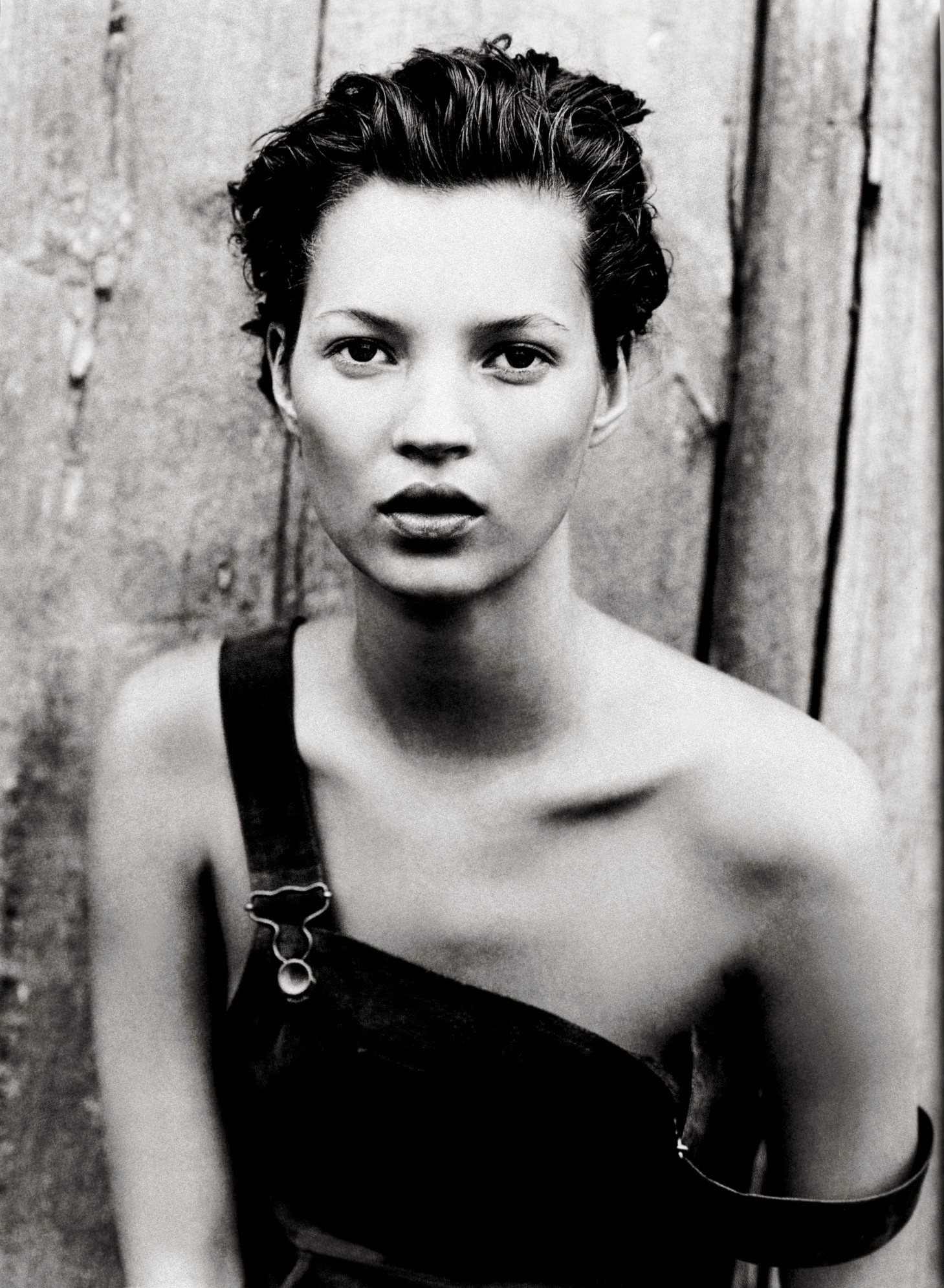
Kate Moss, Harper's BAZAAR, 1994
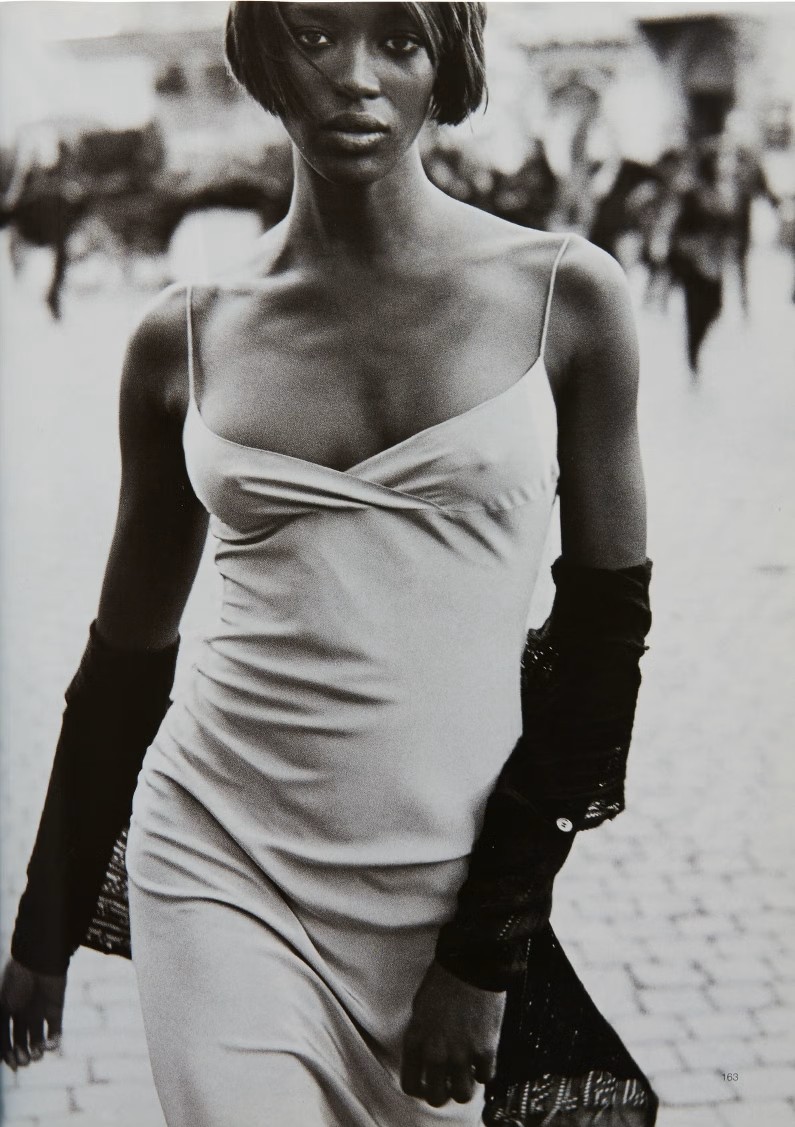
Naomi Campbell, Harper's BAZAAR, 1997
Photo: Peter Lindbergh
The supermodel era that followed, anchored by figures like Evangelista, Campbell, Crawford, and Turlington, was inseparable from Lindbergh’s lens. It was a time when models gained cultural authority, influencing fashion trends, media, and popular culture. They were no longer anonymous faces but icons whose presence carried meaning, whose image could tell a story and evoke emotion. Lindbergh’s work proved that fashion photography could be a form of humanistic art, merging aesthetic beauty with psychological and cultural resonance.
In retrospect, the 1990 British Vogue cover represents more than a milestone in fashion history, it embodies a philosophical shift in how beauty, identity, and power could be portrayed through photography. By capturing five women together, each fully realized as an individual yet part of a collective statement, Lindbergh redefined the cultural role of the model and set a new standard for fashion imagery: one rooted in authenticity, narrative, and emotional depth.
While Peter Lindbergh is celebrated for transforming fashion photography, his influence extended far beyond the runway and magazine pages. He approached portraiture with the same humanist philosophy he brought to fashion, seeing each subject as a story, not just a face.
Lindbergh’s work with the Pirelli Calendar (1996, 2002, 2017) exemplifies this approach. Unlike traditional calendar photography, which often emphasized sexualized glamour or idealized beauty, Lindbergh’s images were intimate, cinematic, and narrative-driven. His women were not props; they were individuals with presence, character, and agency. Through thoughtful composition, natural lighting, and an emphasis on personality, these portraits communicated a sense of authenticity rarely seen in commercial photography.
Beyond models, Lindbergh captured some of the most iconic cultural figures of the era. Portraits of Tina Turner, Beyoncé, and Meghan Markle revealed facets of their personality that went beyond fame and performance. Turner’s raw energy, Beyoncé’s quiet intensity, Markle’s poised introspection, each was framed with empathy and insight, allowing the viewer to connect with the human essence of the subject. Lindbergh’s signature ability to build trust and evoke honesty in his subjects made each portrait feel alive, narratively rich, and emotionally compelling.
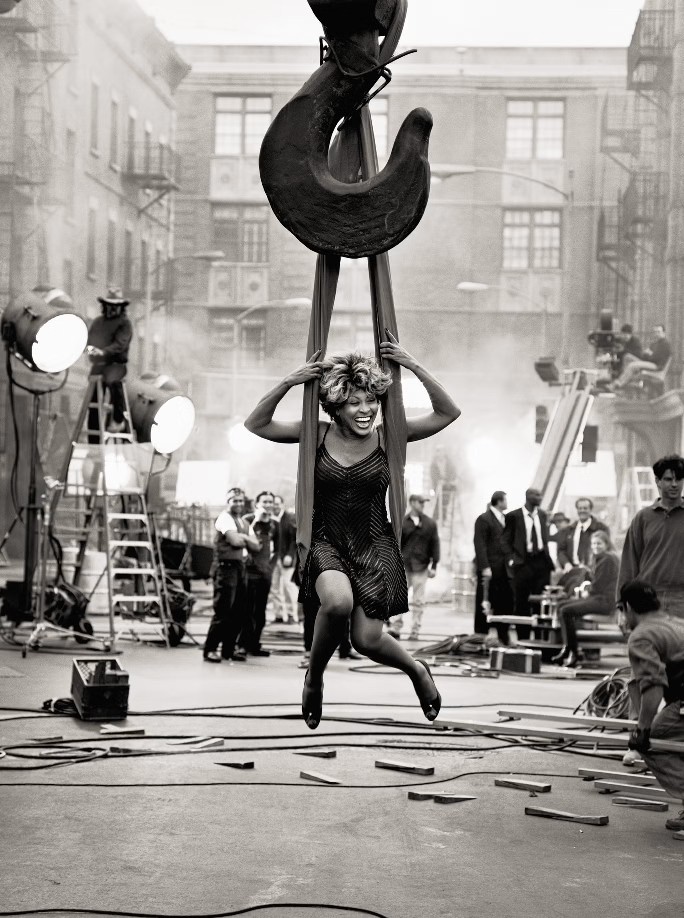
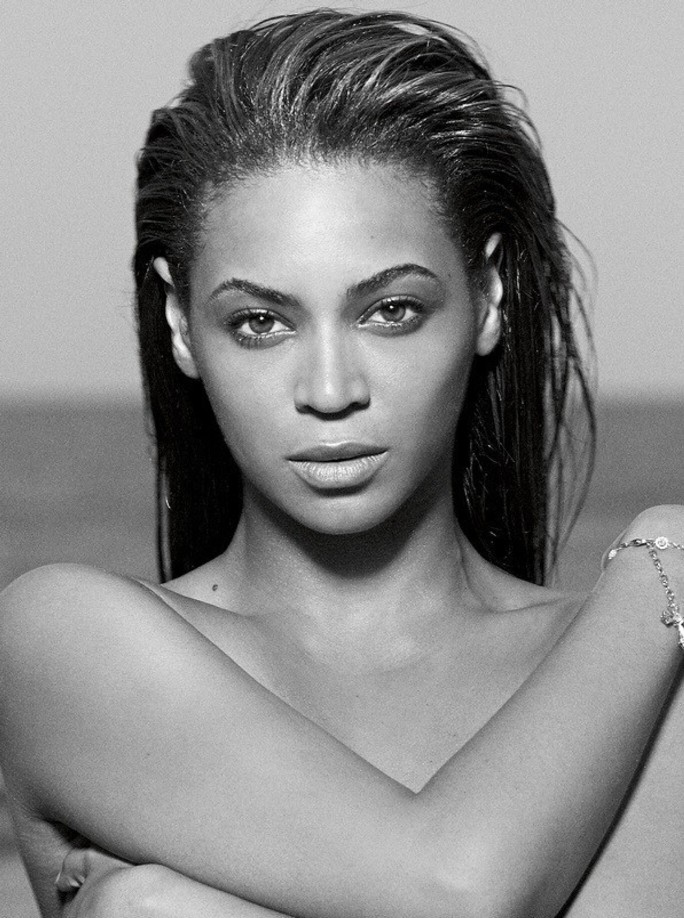
Tina Turner and Beyoncé
Photo: Peter Lindbergh
This body of work demonstrates that Lindbergh’s artistry was not confined to fashion. Whether photographing a music legend, a film star, or a royal figure, his images blurred the line between editorial, portraiture, and art, creating photographs that were culturally resonant, psychologically nuanced, and visually timeless. His influence is evident across editorial and commercial photography, inspiring creators to prioritize storytelling, character, and emotional depth over superficial perfection.
Peter Lindbergh passed away in 2019 at the age of 74, leaving behind a transformative legacy that continues to shape fashion and visual culture. His work is studied not only for its technical mastery, composition, lighting, and cinematic vision, but also for its cultural resonance, demonstrating how photography can influence perceptions of beauty, identity, and representation.
By emphasizing authenticity, narrative, and emotional depth, Lindbergh challenged the fashion industry’s obsession with surface-level perfection. He showed that models and subjects could be celebrated for strength, vulnerability, personality, and lived experience, not just flawless appearance. This philosophy helped elevate the model from a passive object to a cultural agent, a carrier of identity, charisma, and influence.
His impact extends beyond individual photographs. Lindbergh’s approach inspired generations of photographers, from fashion and editorial to portrait and commercial photography, to embrace realism, humanity, and storytelling as central components of their work. Contemporary imagery, from high-fashion editorials to celebrity portraits, still bears traces of his philosophy: natural light, minimal retouching, authentic expression, and cinematic narrative.
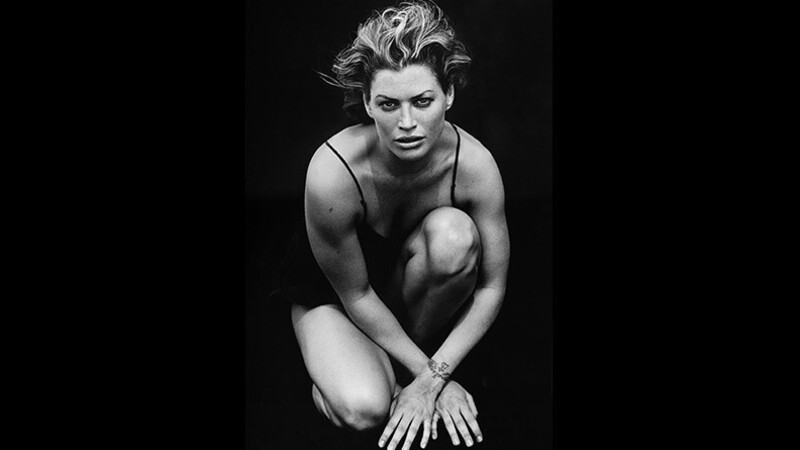
Carré Otis
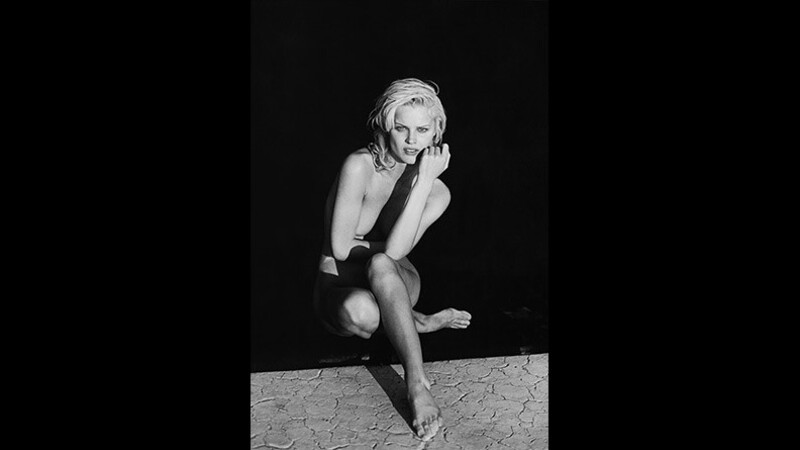
Eva Herzigova
Photo: Peter Lindbergh
Lindbergh’s legacy is also reflected in the broader cultural conversation about beauty standards and representation. By showing women and men in their natural presence, with individuality and emotional complexity, he encouraged audiences and the industry alike to rethink what constitutes beauty and how it should be portrayed. His work continues to bridge art, fashion, and human insight, reminding photographers, editors, and audiences that fashion can be both commercially compelling and deeply human.
Peter Lindbergh reshaped fashion photography by placing humanity, emotion, and authenticity at its center. Through his cinematic black-and-white imagery, he redefined what it meant to capture beauty and personality, helping forge the era of the supermodel while leaving a lasting cultural imprint. His legacy continues to inspire photographers worldwide, proving that fashion, when captured through an empathetic and narrative-driven lens, can be both art and humanity intertwined.
This article is an original editorial analysis produced by [DIBA magazine]
Research and references are used for contextual accuracy.
