
|
EN
Subscribe to our Newsletter
Completion has quietly lost its authority. What once waited to end now continues without promise. The question is no longer how things resolve, but how they are lived while remaining open.
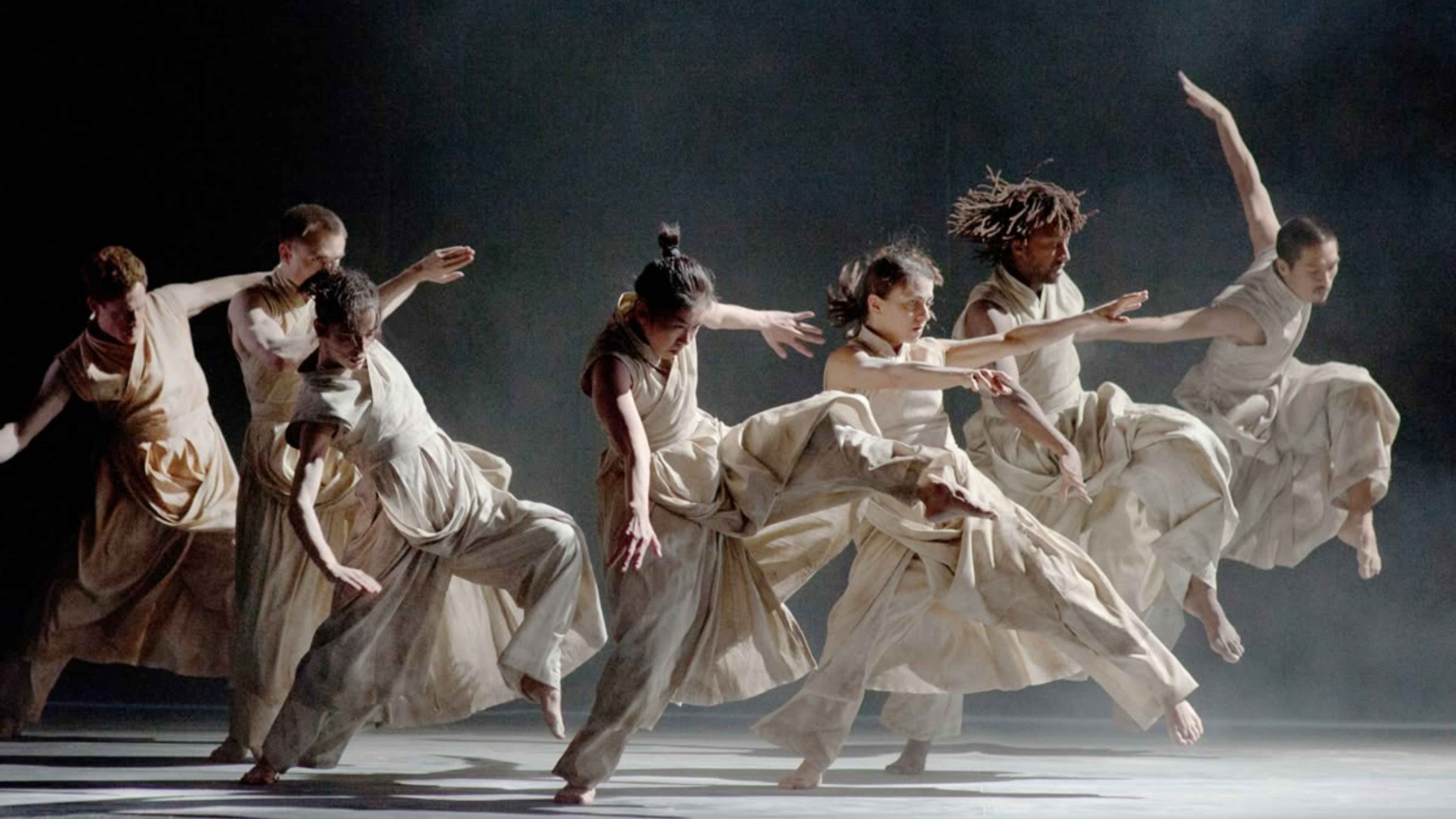
Photo: Pinterest
NOTHING REMAINS DEFINITIVE ANYMORE. NOTHING LASTS LONG ENOUGH TO BE CALLED "COMPLETE."
Not the house. Not the job. Not the relationship. Often, not even the self.
What was once considered temporary has gradually become a lasting condition. Across contemporary societies, incompletion is no longer an interruption between two stable states; it has become the environment in which everyday life unfolds. From this condition emerges a different cultural logic, one that no longer seeks closure, but learns how to inhabit suspension.
Look at the skylines of post-industrial cities: buildings frozen mid-construction, façades wrapped in permanent scaffolding, neighborhoods where unfinished public spaces have already become part of everyday life.
These are not ruins waiting to be restored. They are environments that continue without any clear promise of completion. Their unfinished condition has become permanent.
This architectural condition reflects a broader transformation in everyday life. Housing becomes temporary. Employment remains contractual. Relationships are entered without long-term certainty. As permanence loses its status as the expected horizon, completion itself begins to lose cultural authority.
The Canadian sociologist Zygmunt Bauman, in his writings on liquid modernity, described contemporary life as characterized by mobility and impermanence rather than stability. But what if impermanence is not simply a structural condition, but a cultural grammar, a set of tacit rules that people live more than they consciously interpret? Rather than waiting for stability to return, people increasingly organize everyday life around conditions they no longer expect to end.
In these suspended conditions, culture does not collapse; it adapts. And this adaptation appears first in the most ordinary places:
how apartments are furnished with an eye toward flexibility,
how public spaces are occupied without waiting for completion,
how social ties are maintained without long-term guarantees.
In such worlds, the pressure to finalize, to finish the job, settle down, or permanently establish a home—is not replaced by stability. Instead, it becomes a capacity to improvise, to extract meaning from the unfinished. Culture becomes less about narratives of progress and more about rhythms of continuity amid uncertainty.
In Beirut's unfinished suburbs, for instance, people have turned skeletal towers into community spaces, markets, and stages for everyday life. In parts of Madrid and Berlin, squatted buildings and temporary housing have become sites of intimacy and ritual precisely because they have no promised permanence. These are not temporary solutions; they are sustainable practices built in suspension. They demonstrate that permanence is not a prerequisite for cultural life. Repetition itself can generate belonging.
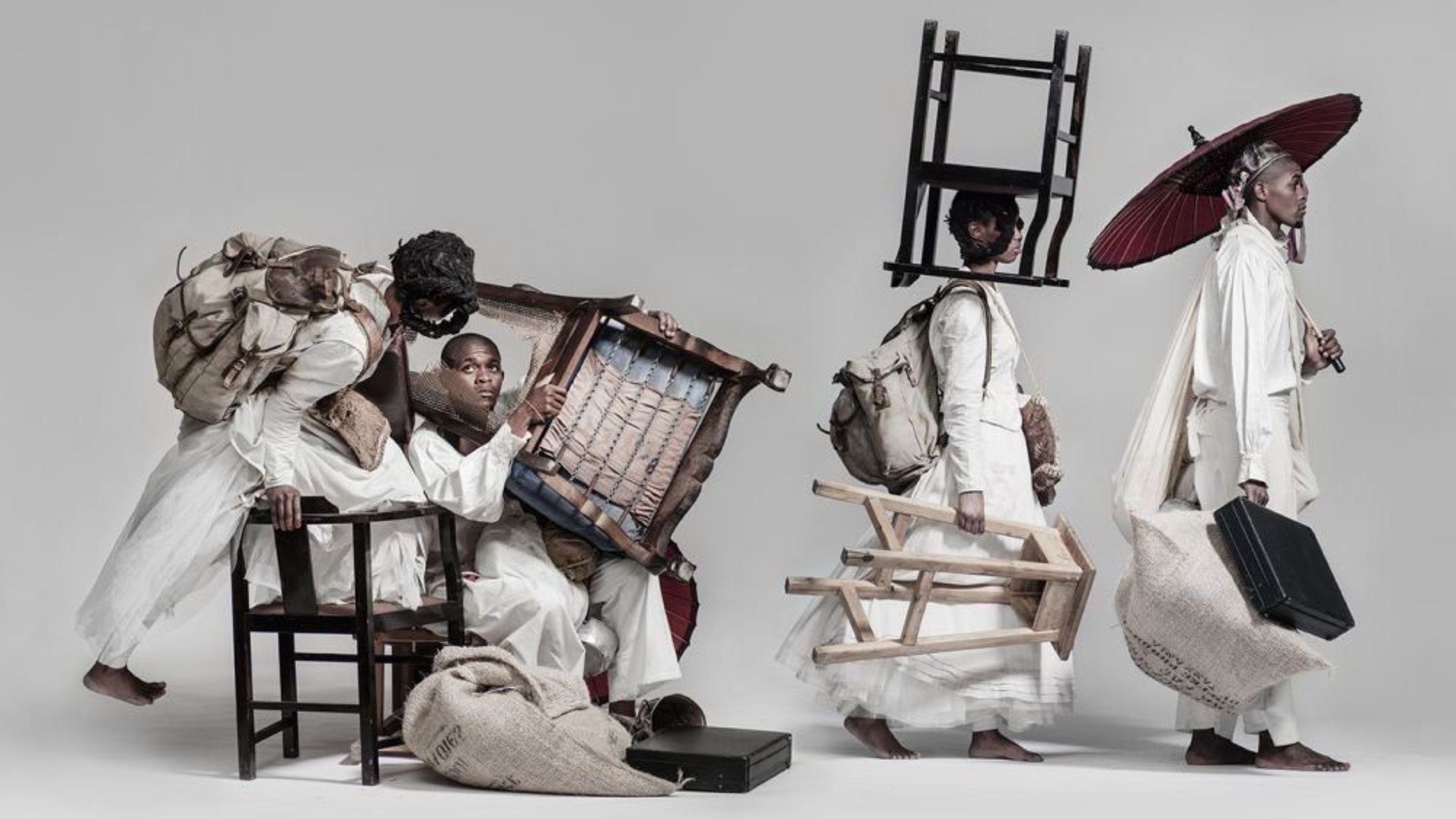
Photo: Pinterest
The anthropologist Marc Augé's concept of non-places, spaces that are not relational, historical, or identity-forming, helps illuminate this condition, but only up to a point. Airports, highways, and shopping malls are considered non-places because they discourage lasting attachment. Yet what we increasingly observe in communities around the world is something different: places that invite attachment precisely because they remain unfinished. Their incompletion does not prevent belonging; it becomes one of its conditions.
Consider the lived experience of workers in the gig economy. One contract ends; another platform replaces it. The working day is fragmented, and the next project is only loosely defined. Yet rather than experiencing this as pure breakdown, people develop practices of continuity: daily routines, shared narratives of uncertainty, recurring rituals, and humor as a way of enduring instability. Culture here is not an escape from uncertainty; it is the way uncertainty becomes livable.
This shift, from seeking resolution to inhabiting suspension, also transforms the experience of time itself. Time is no longer understood as a linear movement from beginning to end. It becomes a texture: a weave of overlapping present moments, each sustained through small, everyday practices. People no longer ask, When will this be over? They increasingly ask, How do I remain present within it?
This is neither pessimism nor triumphalism. It signals something more subtle: the emergence of a temporal competence, a way of living within conditions that were never meant to last, yet continue indefinitely.
In such worlds, permanence loses its privileged status not because it has disappeared, but because it is no longer the only measure of value. Instead, people cultivate practices of sustained attention. Attention to a friend, a recurring ritual, a balcony garden, or a familiar daily route becomes an anchor precisely because permanence cannot.
In this sense, culture no longer depends on reaching completion. It survives by negotiating meaning within the unfinished.
What ultimately endures is not resolution, but the capacity to remain present while resolution never arrives.
Related Reading
When Grief Refuses Silence: The Geography of Voice and Loss
Tessa El Sakhi El Maalouli: Architecture as a Sensory and Lived Phenomenon
This article is an original editorial analysis produced by [DIBA magazine].
Research and references are used for contextual accuracy.
