
|
EN
Subscribe to our Newsletter
In 2026, food is no longer about restriction or morality. A growing focus on responsive nutrition, interoception, and self-love encourages listening to the body rather than following rigid rules. This approach nurtures the nervous system, emotional regulation, and long-term health, positioning eating as a daily act of care rather than control.
By the Editorial Staff
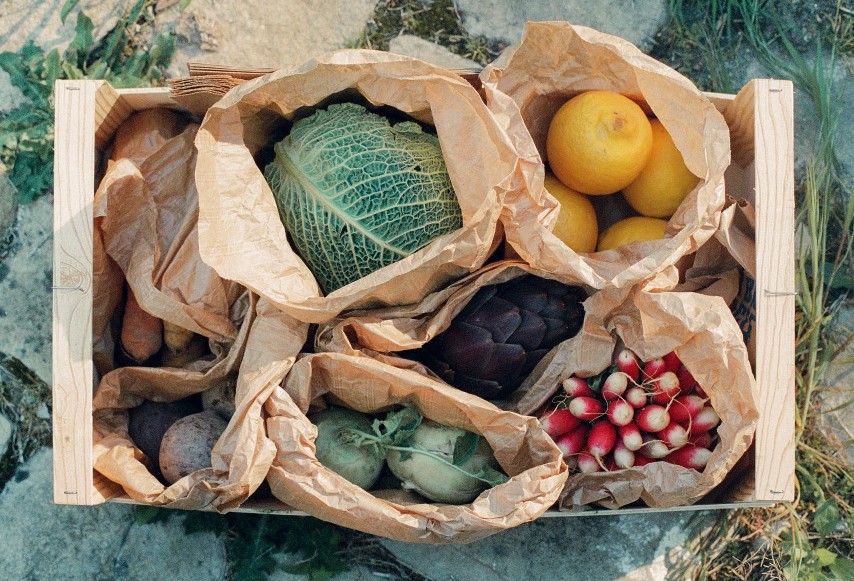
Photo: Pinterest
For decades, nutrition has been framed as a test of willpower, with food reduced to calories, rules, and restriction. In 2026, however, balanced nutrition and self-care are replacing rigid diets with a more responsive, body-aware approach to eating. Research discussed by Harvard Health shows that chronic restriction disrupts metabolism, elevates stress hormones, and diminishes interoceptive awareness, the ability to sense hunger, fullness, and internal cues.
Intuitive and responsive eating reframes nutrition as a relationship, not a rulebook. Instead of asking “What should I eat?” it asks “What does my body need right now?”
This approach does not reject structure, it rejects punishment. Structure rooted in care allows rhythm without rigidity. Punitive control ignores context, equates worth with adherence, and collapses under stress.
Listening, not limiting, is the key principle.
Protein-Rich Foods for Recovery
-Salmon, sardines, and fatty fish: Omega-3s for brain and heart health.
-Organic eggs: Complete protein and B vitamins for sustained energy.
-Legumes and lentils: Plant-based protein and fiber for blood sugar balance.
Protein supports muscle repair, hormone regulation, and sustained energy without strict calorie control.
Fiber-Rich Foods for Gut Health
-Leafy greens: Spinach, kale, and broccoli nourish the microbiome.
-Whole grains: Oats, brown rice, quinoa stabilize energy and promote satiety.
-Low-sugar fruits: Berries, apples, pears for fiber and antioxidants.
Fiber improves interoceptive awareness by signaling fullness and preventing overeating, while supporting nervous system function.
Healthy Fats for Brain and Hormones
-Avocado: Monounsaturated fats and vitamin E.
-Nuts and seeds: Almonds, walnuts, chia, flax for omega-3 and neuroprotection.
-Extra virgin olive oil: Anti-inflammatory and heart-supportive.
Healthy fats enhance satiety, hormone balance, and reduce stress-related eating.
Stress-Reducing and Calming Foods
-Green tea and herbal infusions: Reduce cortisol and enhance relaxation.
-Dark chocolate (70%+ cacao): Boosts dopamine and mood.
Colorful fruits and vegetables: Antioxidants combat oxidative stress.
These foods nourish both body and mind, enhancing self-love by creating a pleasurable eating experience without guilt.
Flexible, Balanced Meals
-Vegetable soups with added protein: Complete, comforting, and nutrient-dense.
-Grain + fat + vegetable salads: Stable energy and adaptive nutrition.
-Snack combinations: Yogurt with nuts and berries for balanced satiety.
Flexible meals respond to bodily needs rather than enforcing rigid rules.
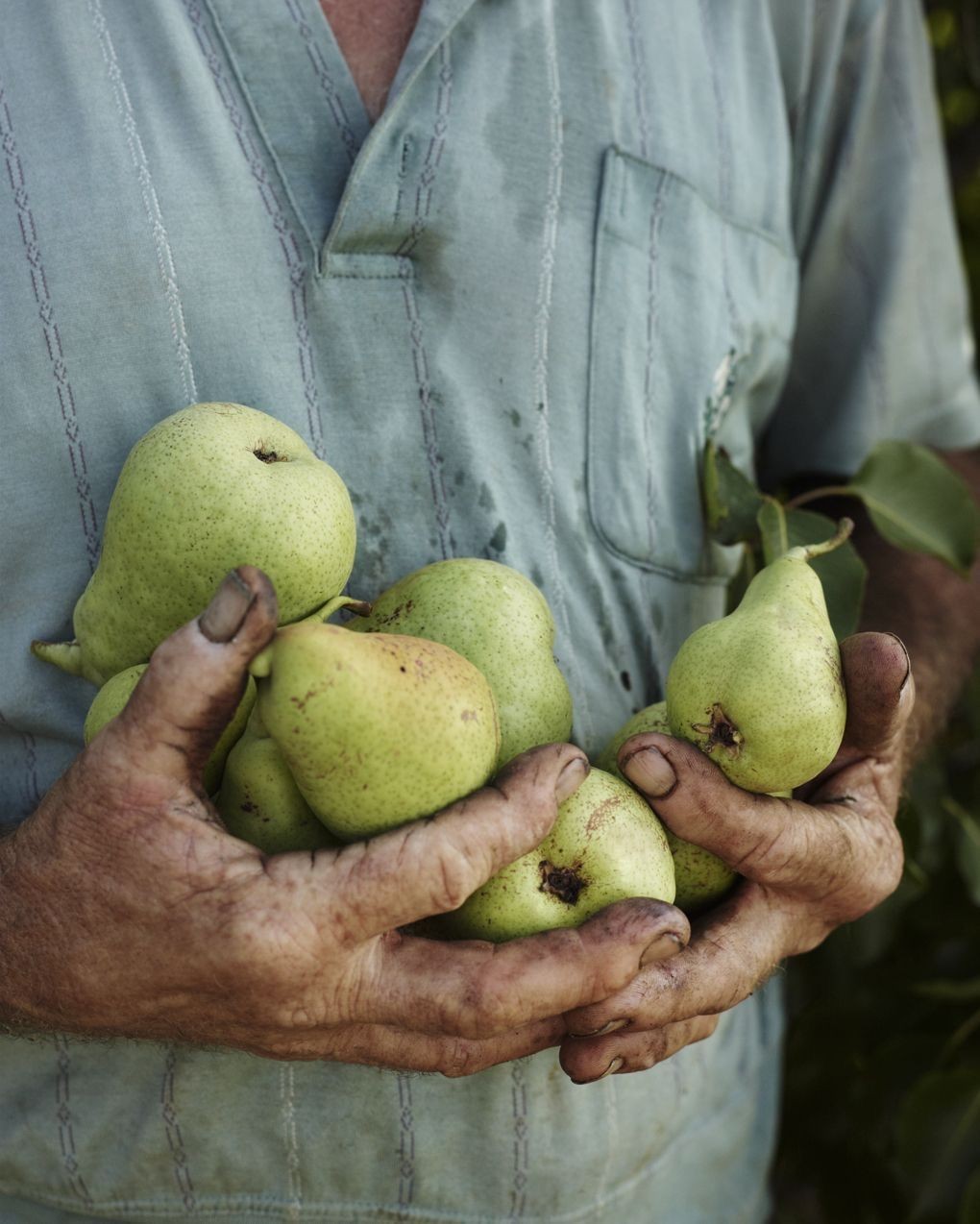
Photo: Pinterest
Balance-based eating rejects the “good vs bad” food dichotomy. Eating is contextual: based on energy needs, emotional state, culture, and pleasure.
Trauma-informed frameworks by Bessel van der Kolk emphasize that a safe nervous system is essential for digestion and regulation. Restriction escalates when trust is low, while responsive eating fosters self-trust and internal security.
Nutrition as Self-Love
Self-love in 2026 manifests in daily nutritional choices that honor the body:
Eating adaptively rather than perfectly.
Prioritizing internal cues over external rules.
Allowing meals to include pleasure, memory, and social connection.
This approach aligns with the broader cultural shift from optimization to regulation, reflected in publications like The Lancet Psychiatry, which link chronic self-optimization to anxiety and burnout.
Conclusion
Eating in 2026 is no longer about control or perfection. It is about:
Listening to the body
Responding with care
Creating internal safety
Choosing sustainability over punishment
Nutrition becomes a daily act of self-love and nervous system care, quietly radical, profoundly cultural, and deeply human.
Balanced nutrition is no longer about achieving perfection through restrictive diets. Instead, it encourages listening to the body's natural signals, supporting emotional wellbeing, and building sustainable eating habits. As nutrition and self-care continue to evolve together, the healthiest approach is one that nourishes both body and mind over the long term.
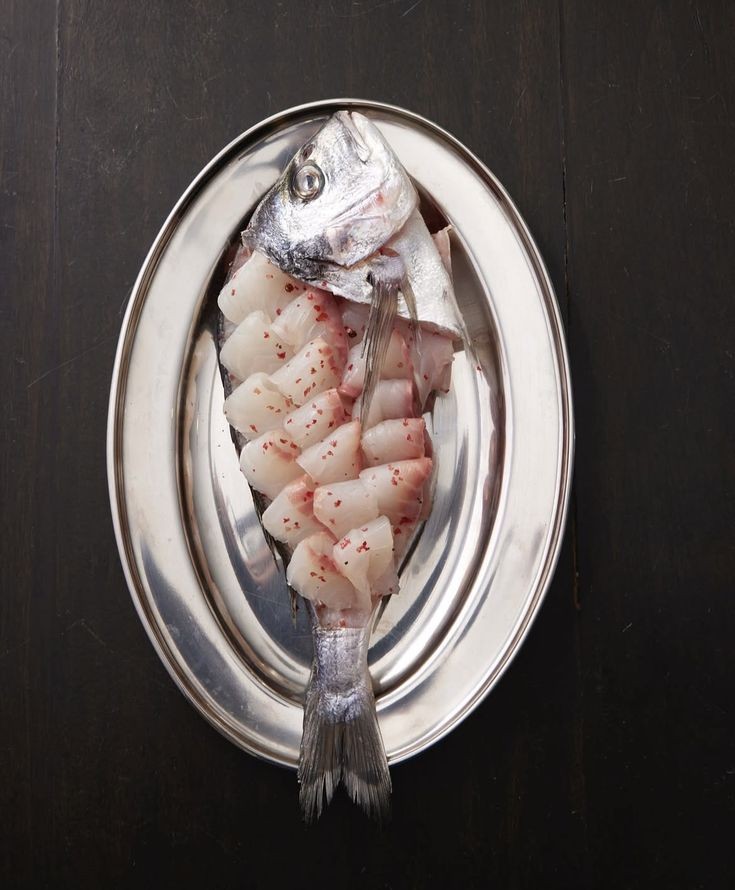
Photo: Getty Images
This article is an original editorial analysis produced by [DIBA magazine]
Research and references are used for contextual accuracy.
