
|
EN
Subscribe to our Newsletter
In the historic fabric of Bukhara, architect Lina Ghotmeh is transforming a former residence into the Jadids’ Legacy Museum, a space that bridges memory and modernity. Commissioned by the Uzbekistan Art and Culture Development Foundation, the project honors the reformist Jadid movement through architecture that reflects education, cultural renewal, and continuity between past and future.
By the Editorial Staff
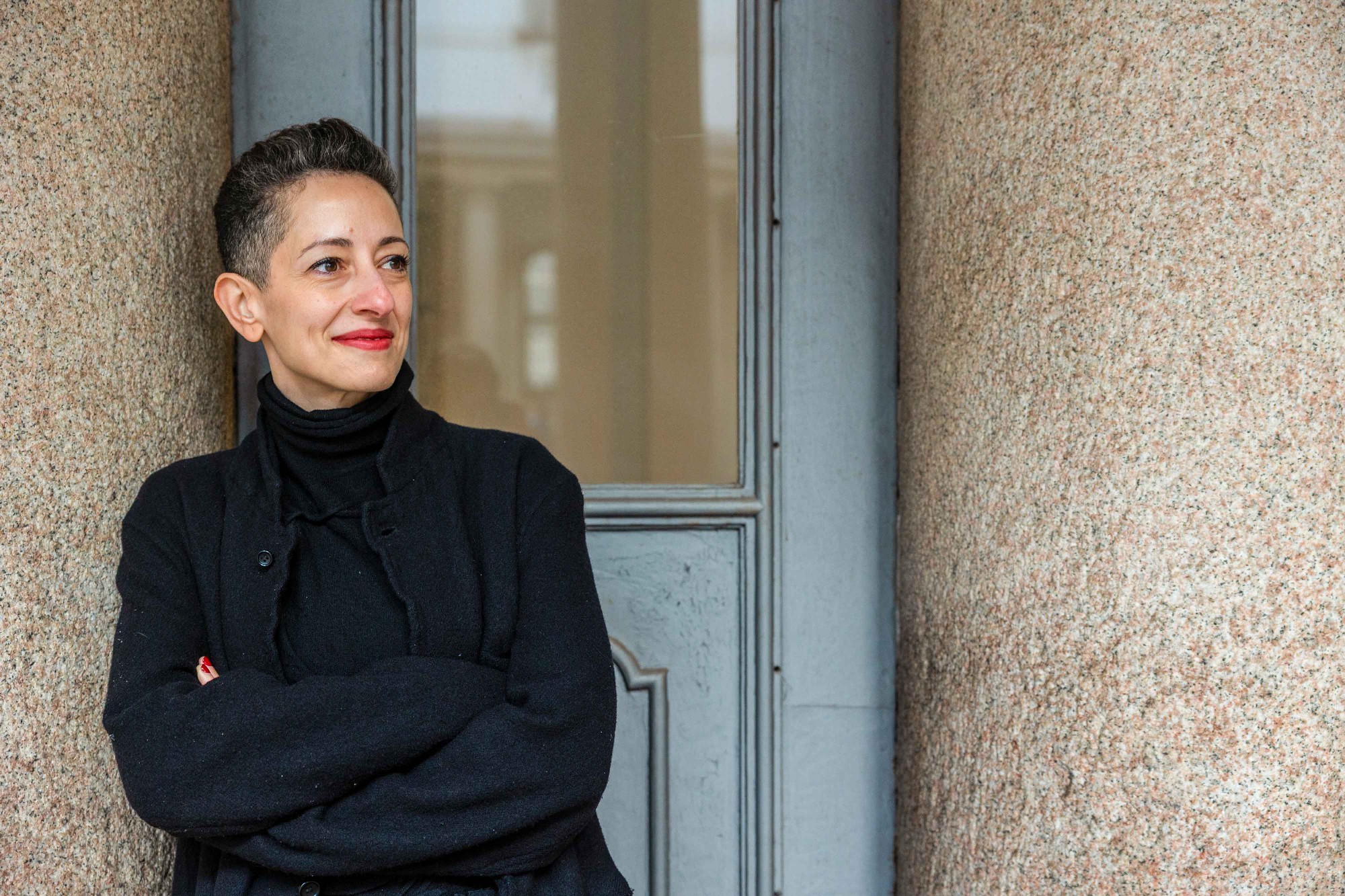
Photo Emanuele Cremaschi
Lina Ghotmeh is a Lebanese-born architect and founder of Lina Ghotmeh Architecture in Paris, recognized internationally for her poetic, culturally sensitive, and environmentally conscious approach to design. Growing up in Beirut after the Lebanese Civil War, she was exposed early to architecture through her mother, a trained architect, and her father, a contractor. Originally drawn to archaeology, her fascination with history, memory, and identity profoundly shapes her work. She studied architecture at the American University of Beirut, where she graduated with distinction, and later interned with Jean Nouvel in Paris, gaining experience on projects like the Doha High Rise in Qatar. Her early professional collaborations also include working with Norman Foster in London and co-founding Dorell Ghotmeh Tane Architects (DGT), with whom she realized landmark projects such as the Estonian National Museum.
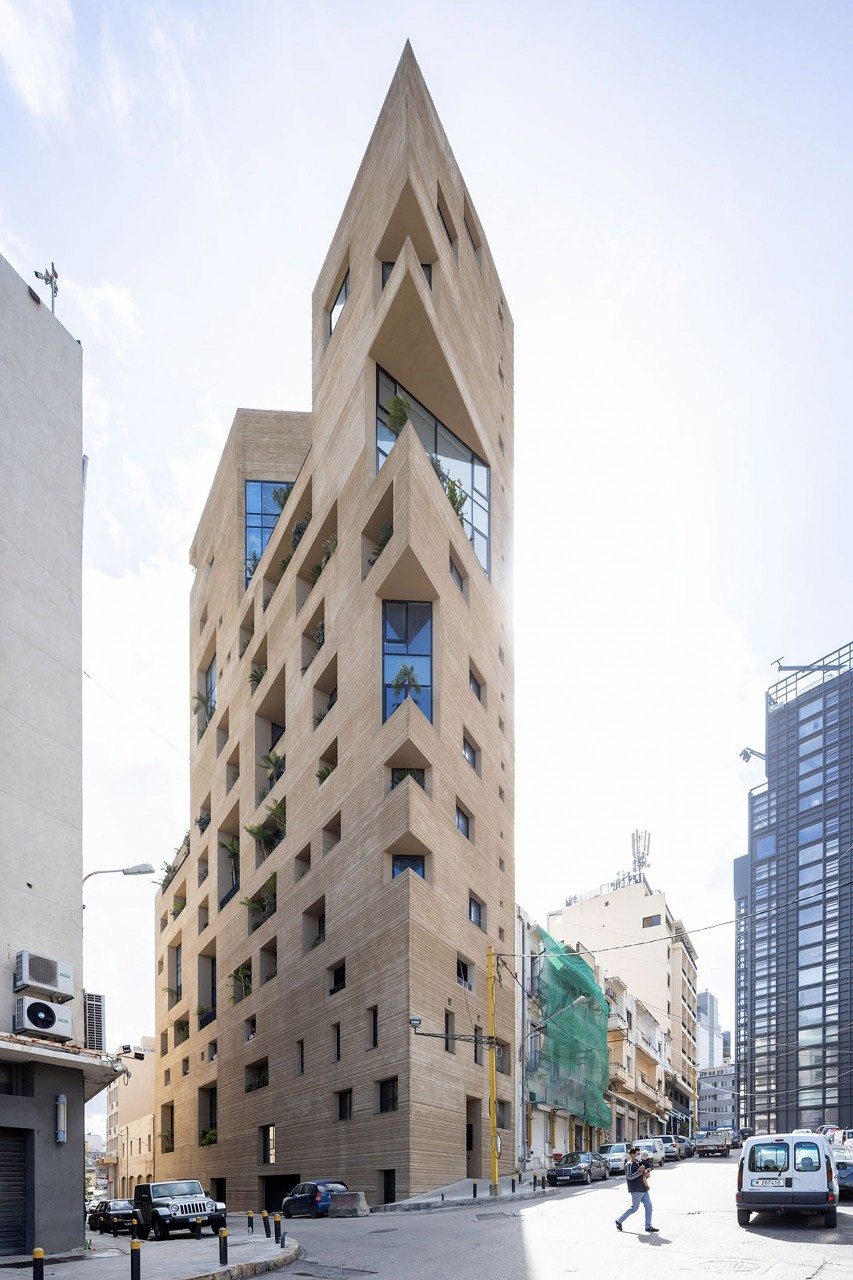
Ghotmeh’s practice is characterized by a philosophy she calls “Archaeology of the Future,” emphasizing the dialogue between past and present, materiality, and the cultural context of architecture. Her portfolio spans diverse projects from residential towers like Beirut’s Stone Garden to cultural institutions including the Serpentine Pavilion in London, Ateliers Hermès in Normandy, and the Qatar Pavilion at La Biennale di Venezia. Her work often integrates sustainable and low-carbon techniques, blending traditional craftsmanship with contemporary forms. Ghotmeh’s designs not only respond to their environment but also aim to evoke reflection, community engagement, and the preservation of memory. She has received numerous awards, including the 2020 Erich Schelling Architecture Prize and the 2023 Architecture and Design Award from the Great Arab Minds initiative, and her projects have been exhibited in institutions such as MAXXI in Rome and Venice’s Biennale, establishing her as one of the leading voices in contemporary architecture.
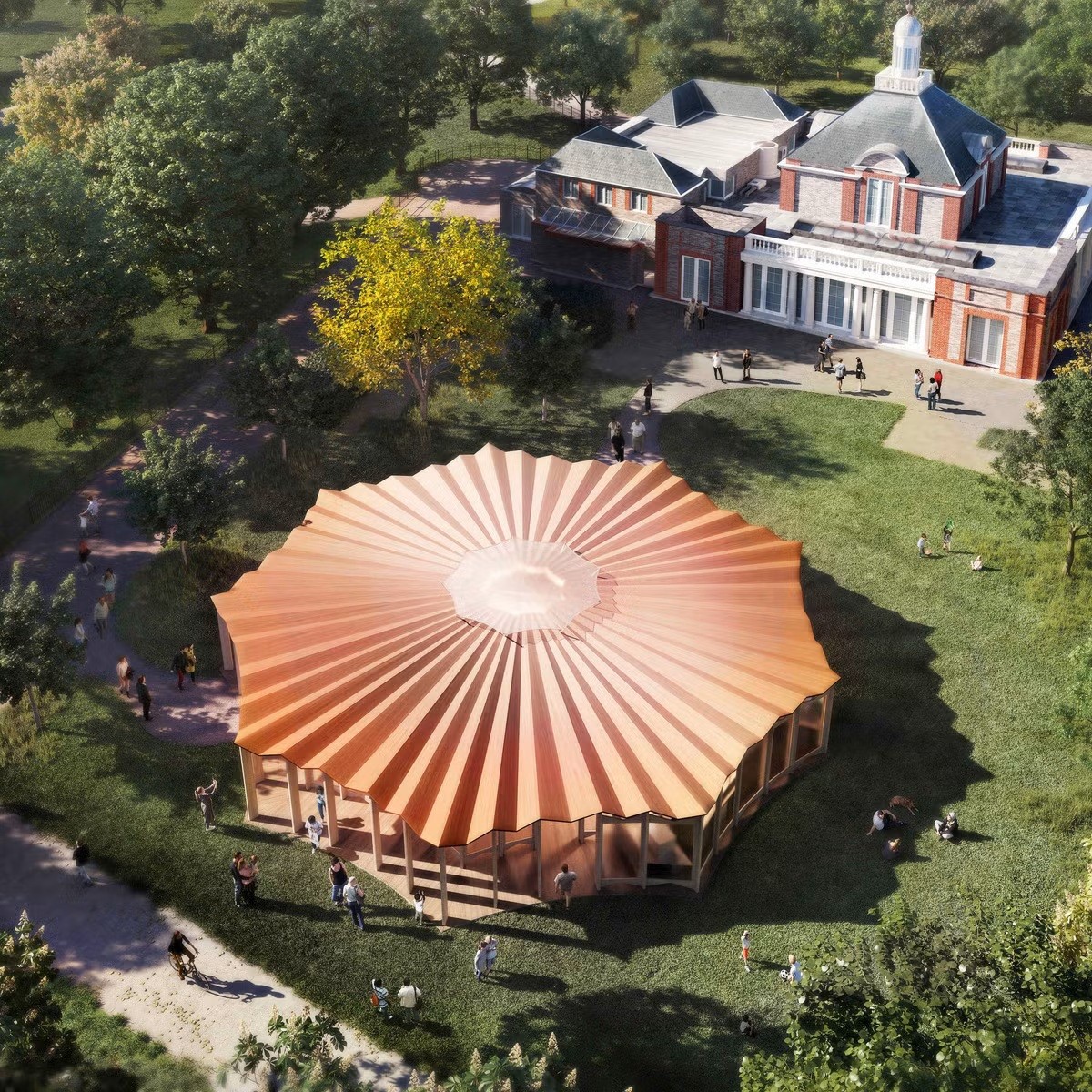
Lina Ghotmeh, sepentine-pavilion
Stone Garden, Lina Ghotmeh,Beirut Residential Architecture
Photo Iwan Baan
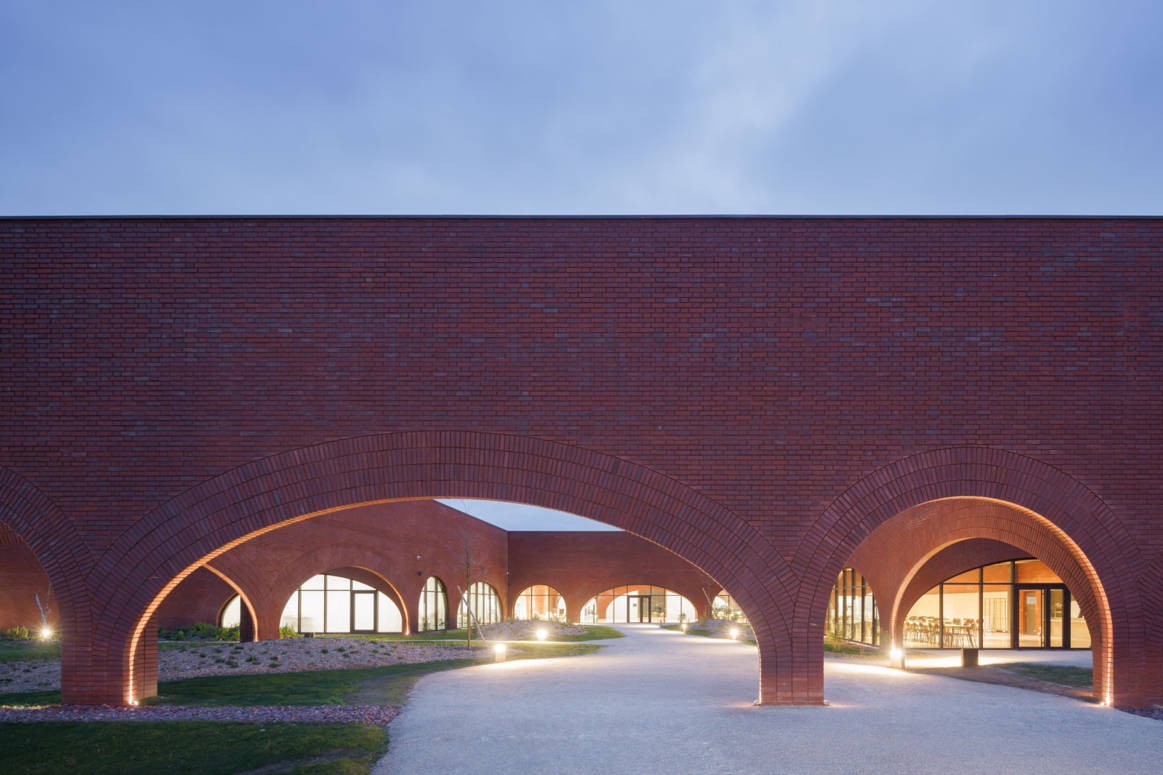
Lina Ghotmeh, Atlier Hermes
Photo Iwan Baan
In the historic urban fabric of Bukhara, a city long celebrated as one of the intellectual and spiritual crossroads of Central Asia, a new architectural and cultural narrative is unfolding. The Jadids’ Legacy Museum is envisioned not simply as a heritage restoration project but as a cultural statement reflecting the region’s evolving relationship with history, education, and social transformation. Commissioned by the Uzbekistan Art and Culture Development Foundation, the project forms part of a broader national initiative aimed at positioning Uzbekistan within the global discourse of contemporary cultural architecture and intellectual heritage preservation.
Unlike conventional museum developments that prioritize monumental visibility, this project emerges quietly within the winding urban layers of Bukhara, engaging the city’s memory rather than imposing upon it. The design seeks to reinforce the idea that cultural identity is not preserved through static representation but through continuous reinterpretation of historical experience. In this sense, the museum becomes a living interface between past intellectual traditions and contemporary cultural production.
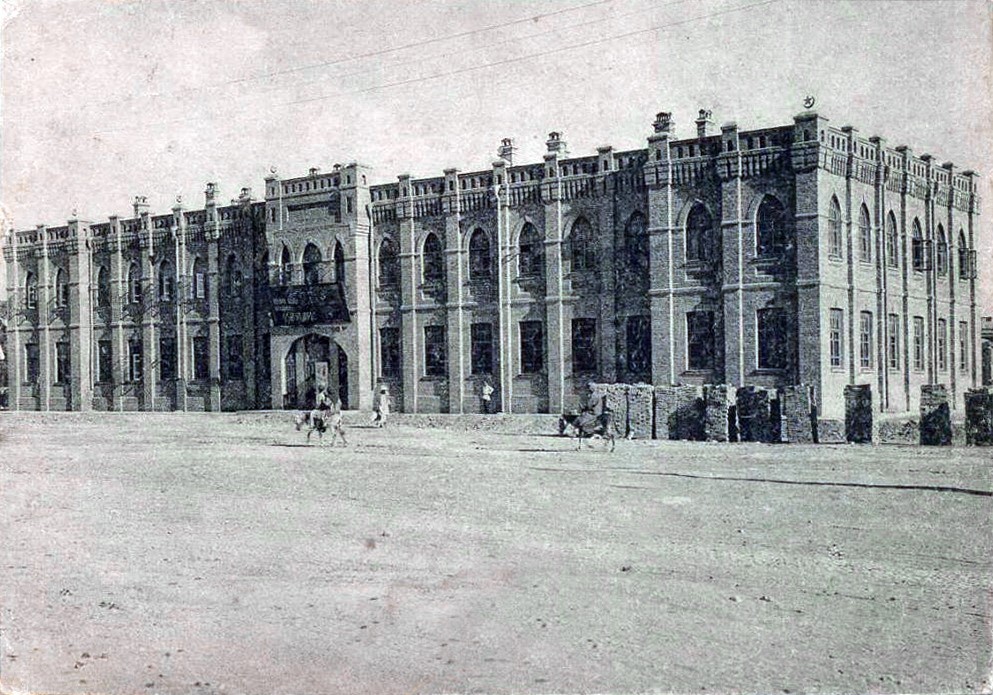
The museum will be located inside the restored residence of Usmon Khodjaev, a key intellectual and political personality associated with the Jadid reform movement. Khodjaev’s life itself reflects the ideological foundation of the museum. Educated in Istanbul’s vibrant intellectual environment, he later participated in the establishment of modern educational institutions across Central Asia and played diplomatic and political roles during a period of profound social transition.
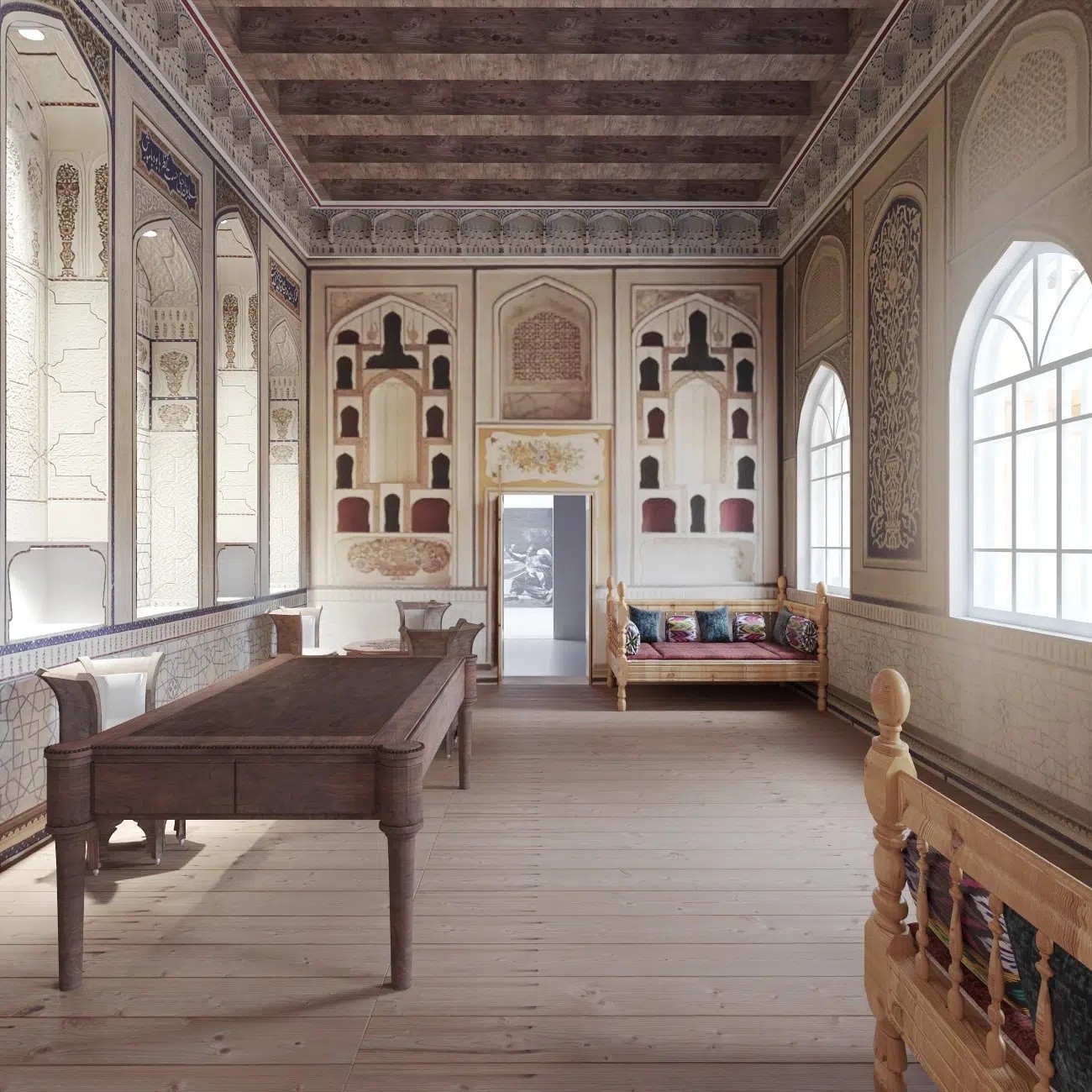
Home Jadids’ Legacy Museum renders by Lina Ghotmeh Architecture
Uzbekistan Art and Culture Development Foundation (ACDF)
The house, situated near the historically significant public space of Lyabi-Hauz Square, had undergone multiple modifications over decades, which gradually obscured its original architectural identity. The restoration strategy therefore focuses on archaeological sensitivity rather than stylistic reconstruction. Instead of recreating an idealized historical form, the intervention aims to reveal the building’s layered temporal structure by carefully removing incompatible additions and restoring spatial relationships that reflect the original domestic architecture of the region.
This approach aligns with contemporary conservation philosophy, which recognizes historic buildings as evolving organisms rather than frozen monuments. The project respects the authenticity of material traces while allowing the structure to acquire new cultural functionality.
The conceptual backbone of the project is rooted in the architectural philosophy of Lina Ghotmeh, who has developed the notion of “Archaeology of the Future” as a methodological framework for historical intervention. Rather than reproducing historical architectural motifs, Ghotmeh’s work explores how memory can be reactivated through spatial experience, material continuity, and contextual sensitivity.
Her design language operates at the intersection of anthropology and architecture, treating buildings as repositories of collective memory. Previous works such as the Serpentine Pavilion and the Stone Garden demonstrate her interest in narrative-driven spatial composition, where structure, landscape, and human experience merge into a single conceptual system.
For the Bukhara museum, this philosophy translates into the use of locally resonant construction techniques, including traditional brickwork, plaster finishes, and timber elements sourced or inspired by regional craftsmanship. The project also emphasizes collaboration with local artisans, ensuring that the building functions not as an imported architectural signature but as an organic continuation of Central Asian vernacular culture.
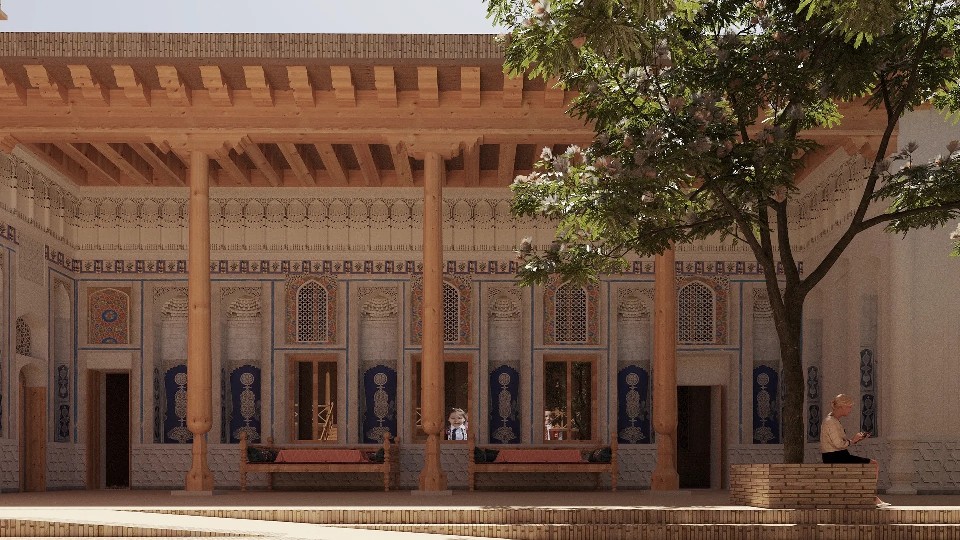
Jadids' Legacy Museum, Iwan.Render by Lina Ghotmeh ,Architecture
Uzbekistan Art and Culture Development Foundation (ACDF)
Scheduled for completion around 2027, the Jadids’ Legacy Museum is designed to function as more than an exhibition venue. Its programmatic structure includes permanent galleries dedicated to the history of Jadidism, rotating exhibition spaces for contemporary cultural dialogue, archival research zones, and flexible public gathering areas intended to host academic discussions, artistic performances, and educational workshops.
The spatial organization of the museum revisits the traditional courtyard-centered architecture characteristic of historical Central Asian residences. The central open space is envisioned as the social and intellectual heart of the building, allowing natural light, environmental ventilation, and communal interaction to shape the visitor experience. Through this design strategy, the museum challenges the conventional passive museum typology and instead promotes the idea of cultural knowledge as a participatory process.
The museum’s thematic focus extends beyond historical documentation to address broader questions of social reform, including literacy development, educational accessibility, and the historical role of women in cultural modernization movements within the region.
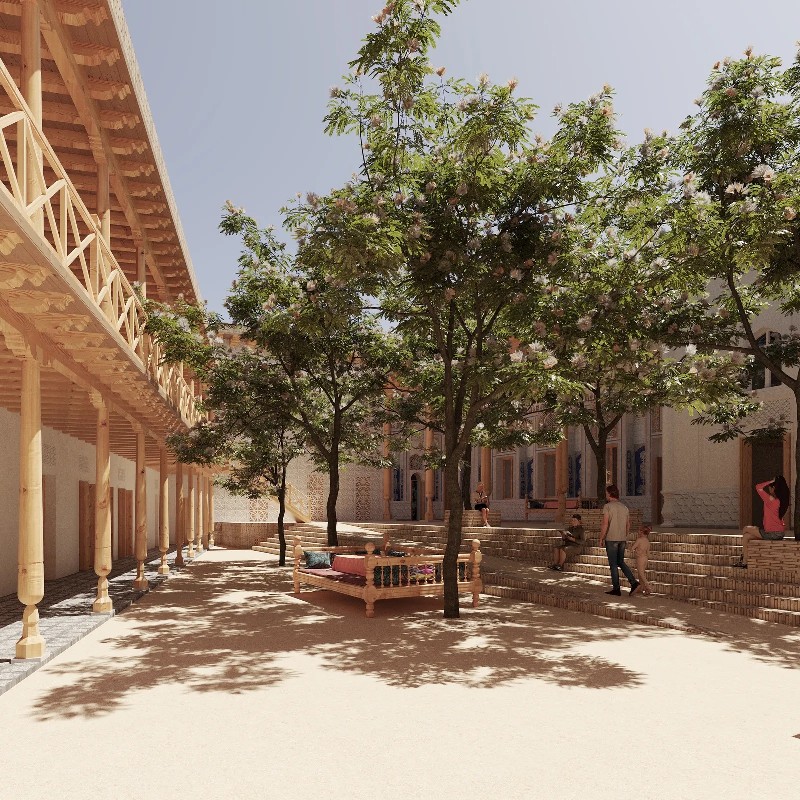
Jadids' Legacy Museum, Garden View.Render by Lina Ghotmeh - Architecture
Uzbekistan Art and Culture Development Foundation (ACDF)
The Jadids’ Legacy Museum is part of a larger cultural infrastructure strategy supported by the Uzbekistan government and ACDF. The project contributes to a network of cultural institutions aimed at strengthening the country’s international artistic presence.
Alongside the museum, cultural development efforts include the expansion of the Centre for Contemporary Arts Tashkent and the realization of a national museum project designed by Tadao Ando. Initiatives such as the Bukhara cultural programs and Bukhara biennial 2025 artistic events further support Uzbekistan’s ambition to position itself as a regional hub for heritage-based contemporary culture.
This strategic cultural positioning reflects a broader global trend in which emerging nations leverage architectural heritage and contemporary design to construct narratives of national identity, tourism development, and intellectual soft power.
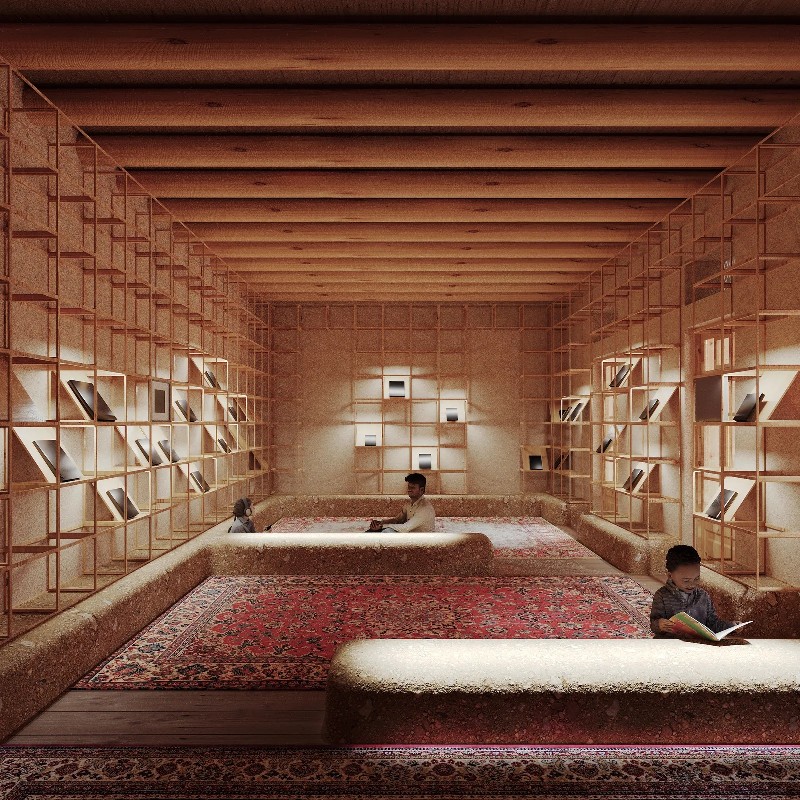
Jadids' Legacy Museum, Scholarly impact.Render by Lina Ghotmeh, Architecture
Uzbekistan Art and Culture Development Foundation (ACDF)
The project also carries a deeply personal historical dimension. In a symbolic gesture of cultural continuity, Professor Temur Khodja, the son of Usmon Khodjaev, has pledged the family property to the Ministry of Culture, ensuring that the building’s historical and intellectual significance will be preserved for future generations.
Through this act, the museum transcends its physical function and becomes a social contract between memory and modernity. The institution is expected to serve as a cultural platform where new generations can engage with the intellectual legacy of Jadid reformism, promoting values of education, social inclusion, and cultural renewal.
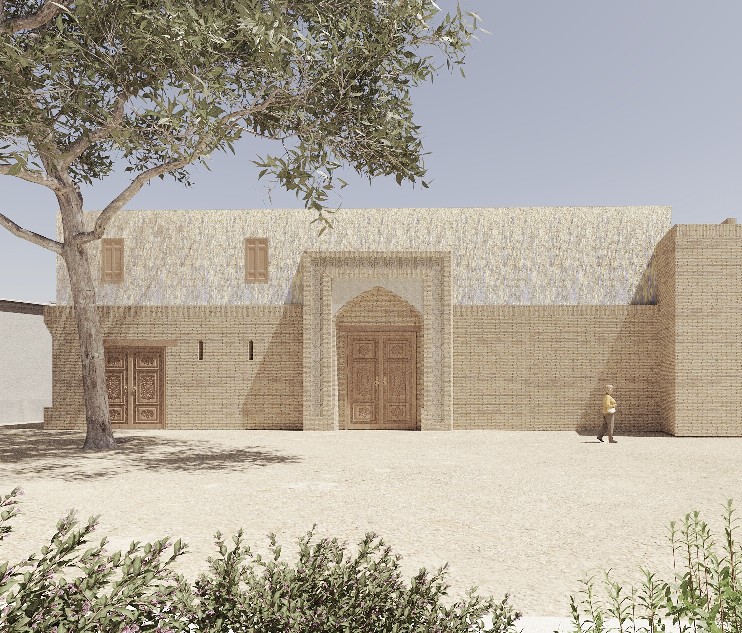
Jadids' Legacy Museum, Elevation sketch. Render by Lina Ghotmeh - Architecture
Uzbekistan Art and Culture Development Foundation (ACDF)
The Jadids’ Legacy Museum represents more than a restoration project; it stands as a cultural and intellectual bridge between historical memory and contemporary architectural thought in Bukhara. By transforming the historic residence of Usmon Khodjaev into a living cultural institution, the project reinterprets the legacy of the Jadid reform movement through spatial, educational, and social dimensions. Guided by the vision of Lina Ghotmeh, the museum embodies the philosophy of archaeology of the future, where architecture is not treated as a static monument but as a temporal medium that carries memory forward while enabling new cultural experiences.
Supported by the Uzbekistan Art and Culture Development Foundation, the museum contributes to the country’s broader cultural diplomacy strategy, positioning Uzbekistan as an emerging center for heritage-driven contemporary design and intellectual tourism. As it approaches its projected completion around 2027, the project is expected to function not only as a repository of historical artifacts but as a platform for dialogue, education, and cultural renewal, ensuring that the reformist ideals associated with the Jadid movement continue to resonate with future generations.
This article is an original editorial analysis produced by [DIBA magazine]
Research and references are used for contextual accuracy.