
|
EN
Subscribe to our Newsletter
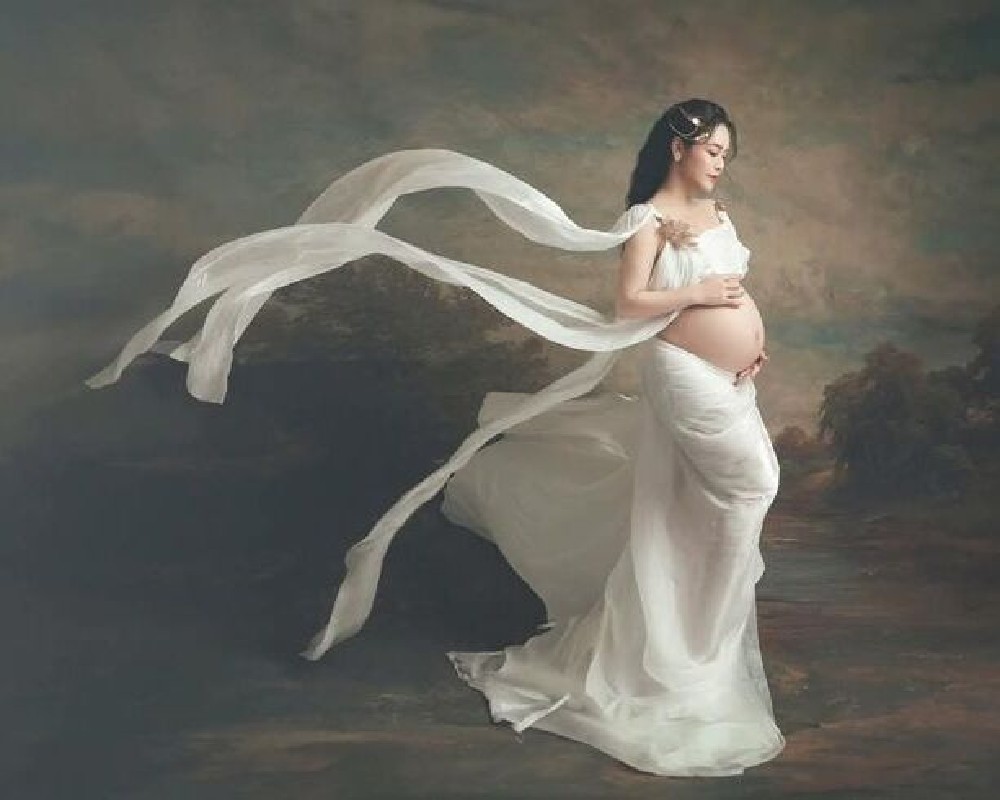
Maternity fashion has long been framed as a category of discretion, designed to soften, disguise, or minimize bodily change. This article examines how contemporary fashion repositions pregnancy not as a problem to manage, but as a form to engage. Moving beyond size-based solutions, it traces how silhouette, agency, and design logic reshape the maternal body as an active subject rather than a concealed condition.
By the Editorial Staff
January 3, 2026

Photo: Pexels.com
From Concealment to Agency
In contemporary fashion discourse, the maternal body is increasingly understood through the lens of bodily agency. Rather than asking how pregnancy can be hidden, designers are beginning to ask how clothing can support visibility without surrendering authorship over the body.
Here, agency does not mean exposure for its own sake. It refers to the ability of the wearer to inhabit transformation on her own terms. Clothing becomes a collaborator rather than a corrective device.
This shift reframes maternity wear as a site of intention. The garment no longer compensates for change, it acknowledges it. Instead of flattening the body into neutrality, fashion begins to work with expansion, weight redistribution, and altered posture.
In this framework, pregnancy is not an interruption of style.
It is a reconfiguration of it.
Silhouette, Not Size
One of the most critical shifts in maternal fashion is the move away from size-based thinking toward silhouette-based design. Traditional maternity garments focus on scalability, adding fabric, stretch, or adjustable elements to accommodate growth.
Contemporary approaches, however, recognize that pregnancy does not simply enlarge the body; it redistributes it. The center of gravity shifts. Proportions change unevenly. The body occupies space differently.
Designing for silhouette rather than size allows fashion to respond to these changes structurally. Lines are rethought. Volume is intentional. Garments engage with curvature rather than disguising it.
This approach positions maternity fashion closer to architectural thinking in garment design than to utilitarian problem-solving.
Fashion as a Framework for Visibility
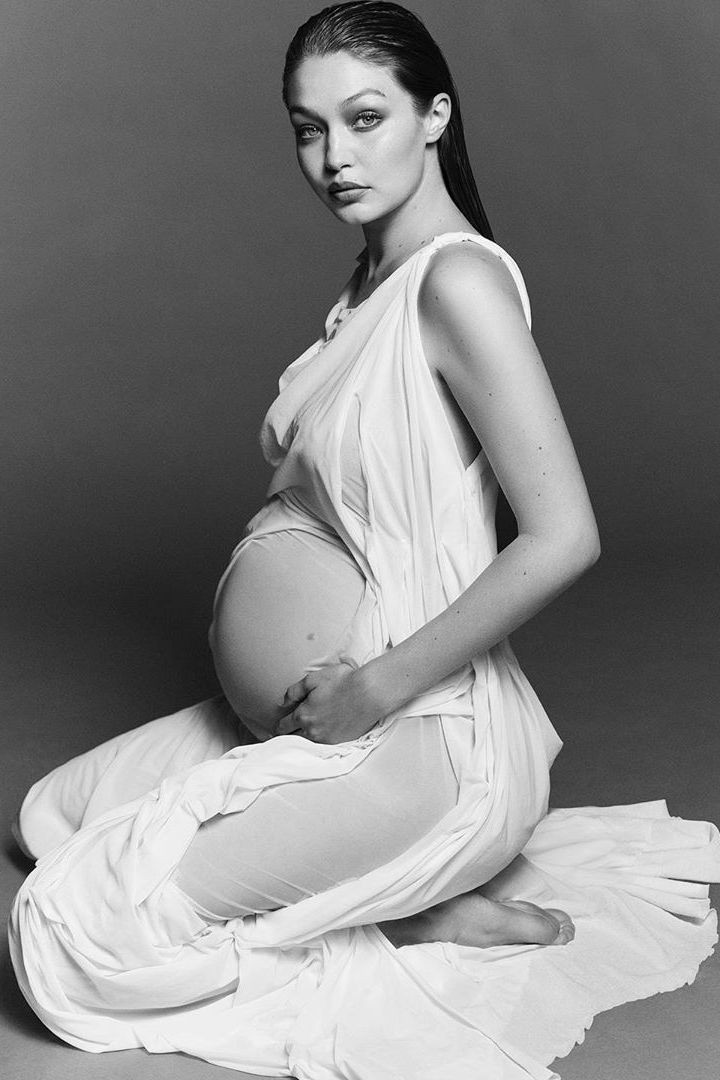
When maternity wear moves beyond concealment, it also alters how pregnancy is seen within visual culture. Clothing becomes a framework through which the maternal body asserts presence, neither idealized nor erased.
This is where fashion intersects with broader conversations around body representation. The dressed pregnant body resists two dominant narratives: sentimentalization and invisibility.
Instead, it occupies a third space, one in which transformation is legible, deliberate, and styled.
Fashion, in this sense, does not decorate pregnancy.
It legitimizes it as a form.
Rethinking the Maternal Body in Fashion Systems
By treating maternity as a design problem rather than a deviation, fashion challenges its own structural assumptions. It forces a reconsideration of who fashion is built for, and which bodies are considered central rather than peripheral.
This shift does not call for a separate maternity category. It calls for a more flexible, responsive fashion system, one capable of accommodating bodies in motion.
Pregnancy, then, becomes not a niche concern, but a critical test case for fashion’s relationship to bodily transformation.
This article is an original editorial analysis produced by [DIBA magazine].
Research and references are used for contextual accuracy.
Gigi Hadid
Photo: Diba archive