
|
EN
Subscribe to our Newsletter
Some forms of expression do not seek explanation. They appear when language no longer holds, when sound remains the only available gesture. This text moves through such moments, where voice surfaces not to resolve loss, but to remain with it.
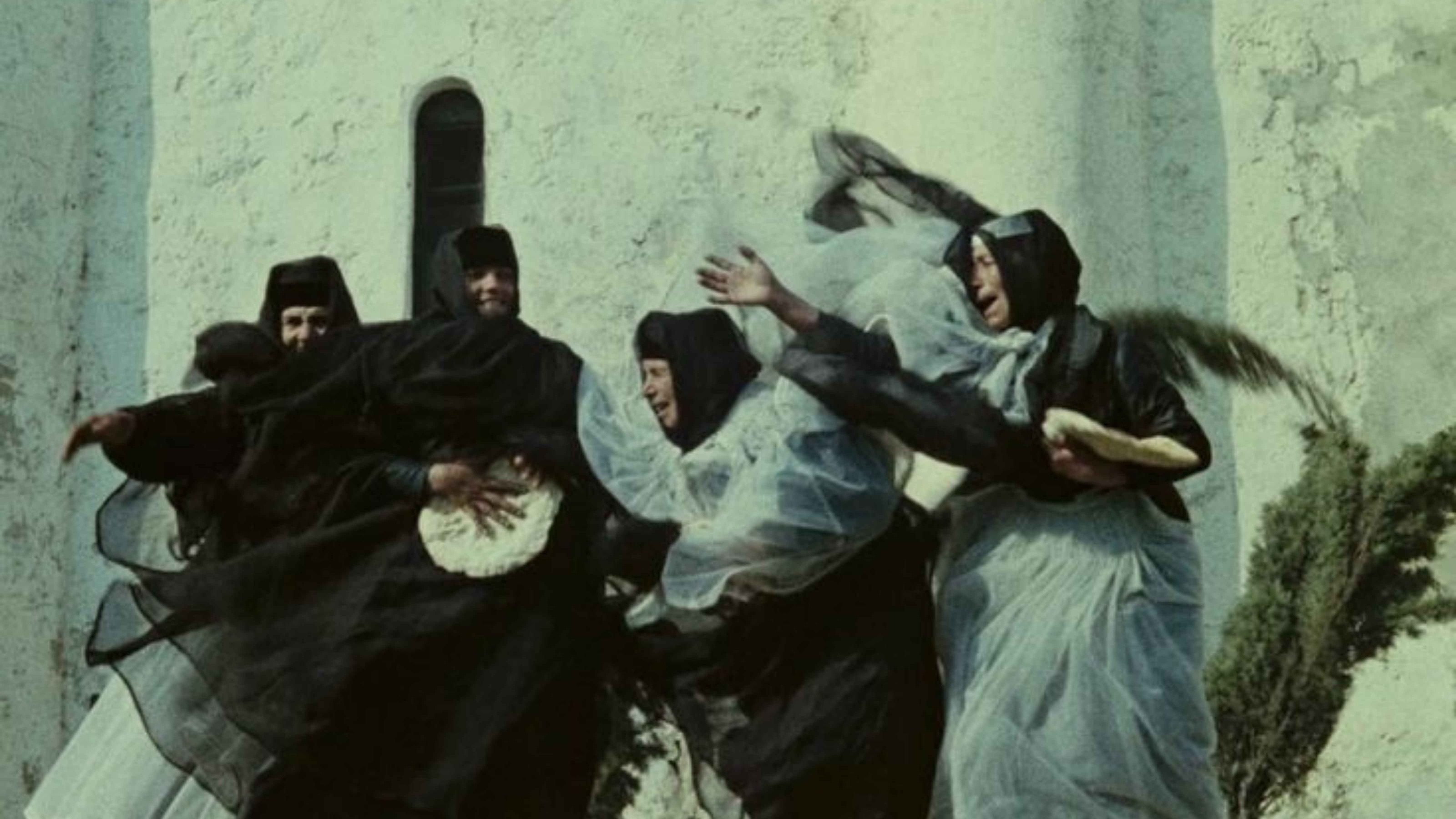
Photo: Pinterest
There are moments when grief exceeds the capacity of language—when words become too stable, too resolved, to contain a loss that remains active and unfinished. In such moments, sound replaces meaning: not sound as music, nor speech as narrative, but a bodily vocal response that precedes cognition.
In different cultural contexts, this response continues to surface in forms that resist aestheticization. In the regions of southern Iraq—particularly Basra, Amarah, and Nasiriyah—mourning vocalizations emerge when loss becomes uncontainable. These vocal expressions are not performed, rehearsed, or intended to console. They follow internal structures yet remain situational and ephemeral. Names are called, the voice is extended to its limits, then collapses into breath. What is produced is not narrative coherence, but intensity.
Fragments of such expressions are preserved in collections such as the British Library Sound Archive, where they are classified not as music, but as forms of oral human expression. What is archived here is not melody, but urgency.
A comparable yet formally distinct practice exists in northern Albania, where loss is articulated through a vocal form known as gjëmë. Unlike the expansive and eruptive vocality of Iraqi mourning, gjëmë is restrained and vertical. The body remains largely still, gestures are minimal, and the voice fractures without release. Names are articulated precisely; emotion is contained rather than discharged. Gjëmë has been documented in ethnographic and archival collections, including Smithsonian Folkways, as one of the oldest vocal mourning practices in the Balkans.
At first glance, these two modes of lamentation appear opposed—one expansive, the other compressed; one eruptive, the other controlled. Yet this distinction is largely formal. Functionally, both practices operate as mechanisms for holding loss that cannot be resolved. In both contexts, mourning does not belong exclusively to the past or to fixed ceremonial systems. Instead, these vocalizations emerge in response to sustained and cumulative loss.
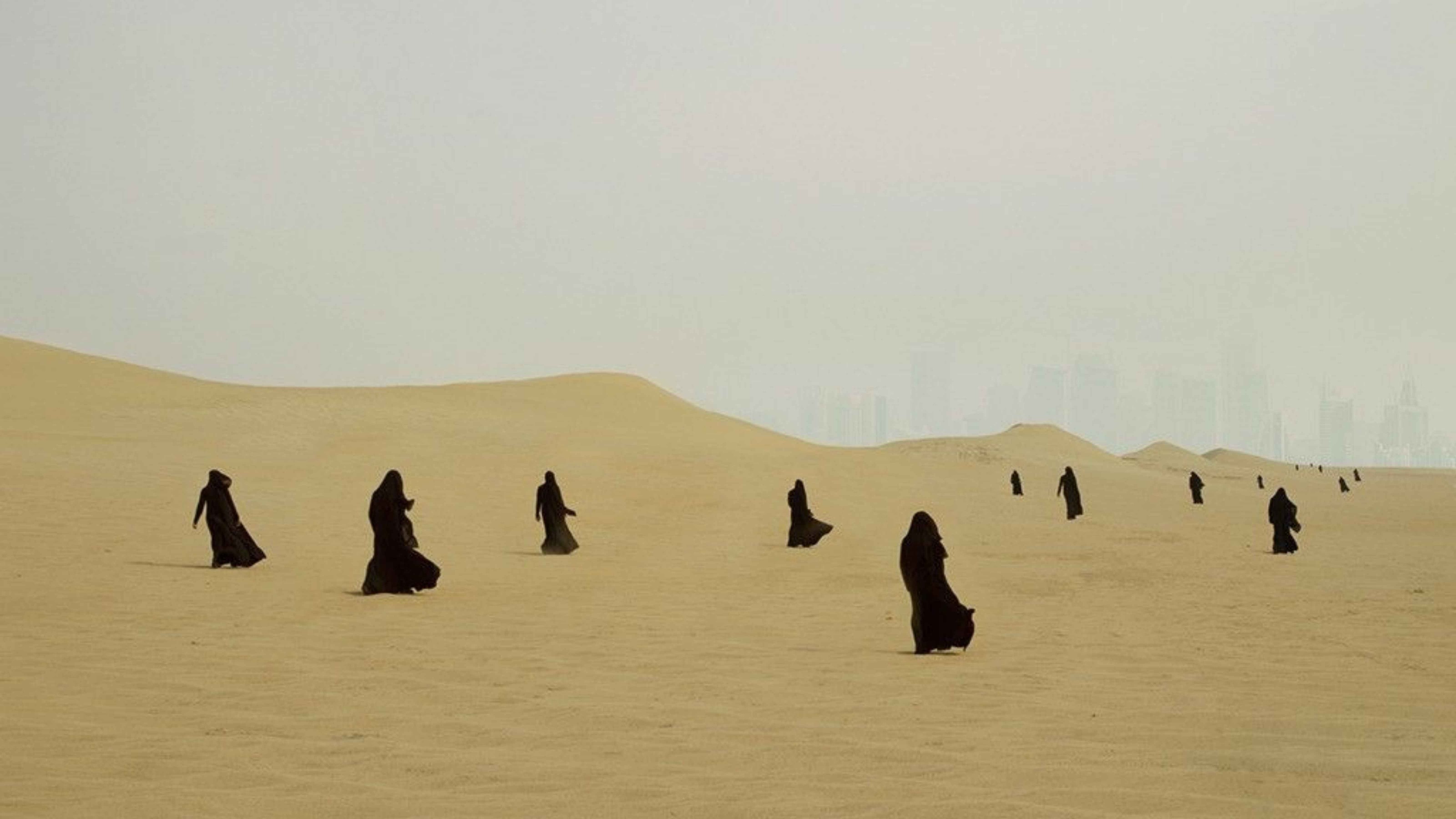
Photo: Pinterest
In the contemporary moment, these sounds have not disappeared but have shifted location. In southern Iraq, mourning vocality has largely retreated into private interiors, occasionally recorded on personal devices and resurfacing indirectly within contemporary sound and performance practices.
In Albania, Gjëmë has increasingly entered archival and artistic spaces, where it is approached not as folklore, but as embodied knowledge. What unites these practices is their refusal to be domesticated. They do not become songs, they resist polish, and they remain incompatible with aesthetic comfort. It is precisely this resistance that allows them to endure.
These voices persist not out of nostalgia, but out of necessity—because certain losses, if left unheard, do not fade; they accumulate.
This article is an original editorial analysis produced by [DIBA magazine].
Research and references are used for contextual accuracy.