
|
EN
Subscribe to our Newsletter
In an industry increasingly defined by speed, visibility, and short-term relevance, Sarah Jessica Parker represents a rare counterexample: a celebrity whose fashion influence is built not on constant reinvention, but on continuity. At a time when personal style is often leveraged as a marketing tool, Parker’s approach underscores the long-term value of aesthetic consistency, and its growing relevance within today’s fashion economy.
By the Editorial Staff
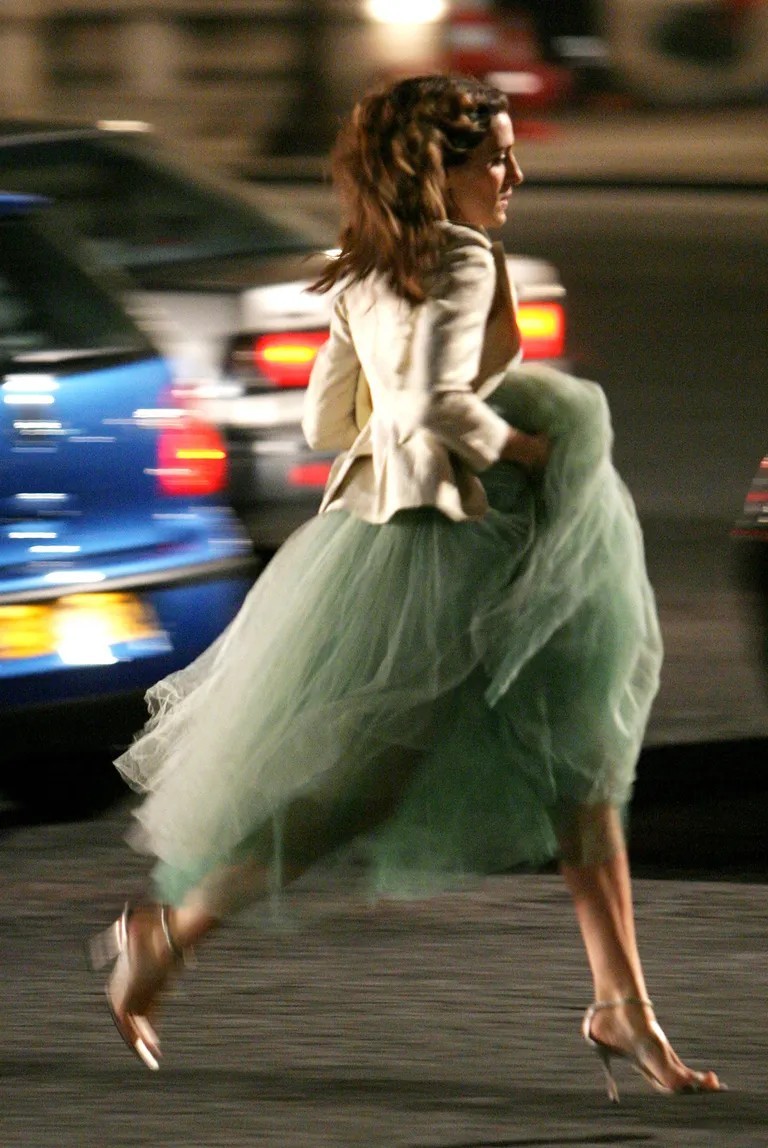
Photo: Getty Images
From Visibility to Style Equity
Celebrity fashion has largely become transactional. Red carpet appearances, street style moments, and social media posts are frequently tied to brand partnerships and seasonal trend cycles. Visibility is high, but longevity is fragile.
Parker operates differently. Over decades, she has cultivated a recognizable fashion language, romantic, expressive, and deeply personal, that functions as what might be described as style equity. Rather than borrowing credibility from trends, her presence confers credibility onto them.
Her looks do not read as advertisements or seasonal compliance. Instead, they function as cultural signals, reinforcing the legitimacy of romantic dressing, maximalist silhouettes, and emotional wardrobe investment in a market often dominated by restraint.
The Carrie Bradshaw Blueprint and Consumer Behavior
The foundation of Parker’s fashion authority can be traced back to
While frequently discussed as a pop-cultural phenomenon, the show’s deeper impact lies in how it reframed fashion consumption.
The wardrobe of Carrie Bradshaw
normalized several behaviors that now define luxury consumer culture:
Mixing high-end fashion with everyday and vintage pieces
Treating clothing as an extension of identity rather than utility
Assigning emotional value to garments beyond trend relevance
These ideas anticipated today’s emphasis on personal curation, resale culture, and narrative-driven wardrobes. Long before “investment dressing” entered the mainstream vocabulary, Parker’s on-screen style helped establish emotional attachment as a legitimate driver of fashion value.
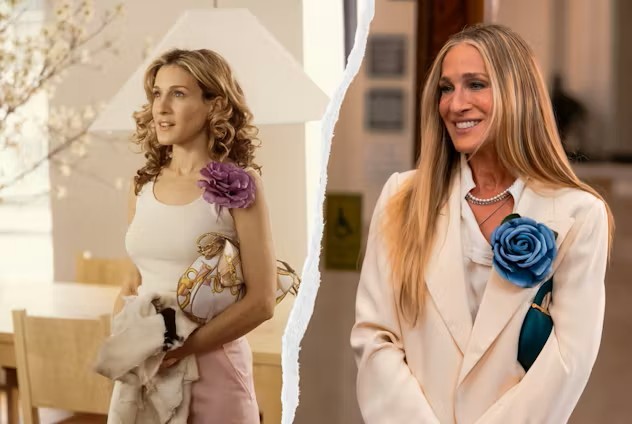
Photo: Getty Images
Romantic Maximalism as a Market Countercurrent
The current fashion landscape is heavily shaped by minimalism: neutral palettes, streamlined silhouettes, and a visual language optimized for digital platforms. Against this backdrop, Parker’s continued embrace of romantic maximalism functions as a countercurrent.
Her consistent use of lace, embroidery, sculptural forms, archival references, and layered accessories challenges the assumption that restraint equals modernity. Crucially, these elements gain mainstream acceptance not through runway repetition, but through Parker’s cultural validation.
When worn by Parker, expressive details shift perception, from niche or excessive to wearable and desirable. This demonstrates the ongoing role of celebrity not just in trend adoption, but in trend legitimization.
Normalization Over Virality
Unlike many contemporary style moments engineered for immediate online impact, Parker’s influence operates through normalization rather than virality. Her fashion choices rarely aim to shock or disrupt; instead, they quietly recalibrate taste.
A recent appearance, marked by confident power-clashing, layered bracelets, a quilted Chanel bag and her signature shield sunglasses, illustrated this dynamic. The look was not designed for trend extraction, yet it reinforced a broader acceptance of expressive dressing within everyday luxury contexts.
In market terms, this is a slower but more durable form of influence, one that shapes consumer comfort zones rather than chasing fleeting attention.

Photo: Getty Images
Longevity in an Era of Fashion Fatigue
As consumers increasingly reject fast fashion cycles and trend fatigue, Parker’s style philosophy aligns with a broader shift toward longevity and meaning. Her wardrobe reflects continuity rather than constant turnover, reinforcing the idea that relevance can be sustained through coherence.
This perspective mirrors emerging consumer values:
Fewer, more meaningful purchases
Emotional durability alongside material quality
Aesthetic identity over seasonal novelty
In this context, Parker’s fashion relevance is not nostalgic, it is structurally aligned with where the market is heading.
Strategic Restraint Beyond Fashion
Parker’s recent commentary on the conclusion of
And Just Like That…further reinforces this ethos. Framing the decision as one rooted in respect for a singular creative experience, she emphasized the importance of knowing when to step back rather than overextend.
From a brand perspective, this reflects strategic restraint, preserving cultural value by avoiding oversaturation.
The same principle underpins her fashion influence: longevity through selectivity.
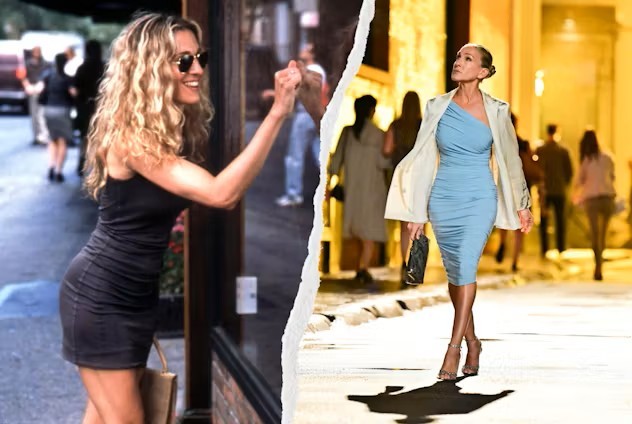
Photo: Getty Images
A Model for Sustainable Cultural Influence
Sarah Jessica Parker’s continued relevance offers a valuable lesson for the fashion industry. In an attention economy that rewards immediacy, her career demonstrates that consistency can function as a competitive advantage.
Her influence is not driven by volume, virality, or constant reinvention. It is built through trust, narrative coherence, and long-term aesthetic commitment. For brands, designers, and cultural figures alike, Parker represents a compelling model:
In a fast system, slow influence lasts longer.
This article is an original editorial analysis produced by [DIBA magazine].
Research and references are used for contextual accuracy.