
|
EN
Subscribe to our Newsletter
Fashion film has evolved from simple clothing-focused cinema into a digital art form blending storytelling, visual design, and brand identity. Since 2000, starting with Nick Knight’s SHOWstudio, it has reshaped fashion advertising into immersive narratives. Today, it stands at the intersection of marketing and artistic expression, defining the visual language of contemporary fashion.
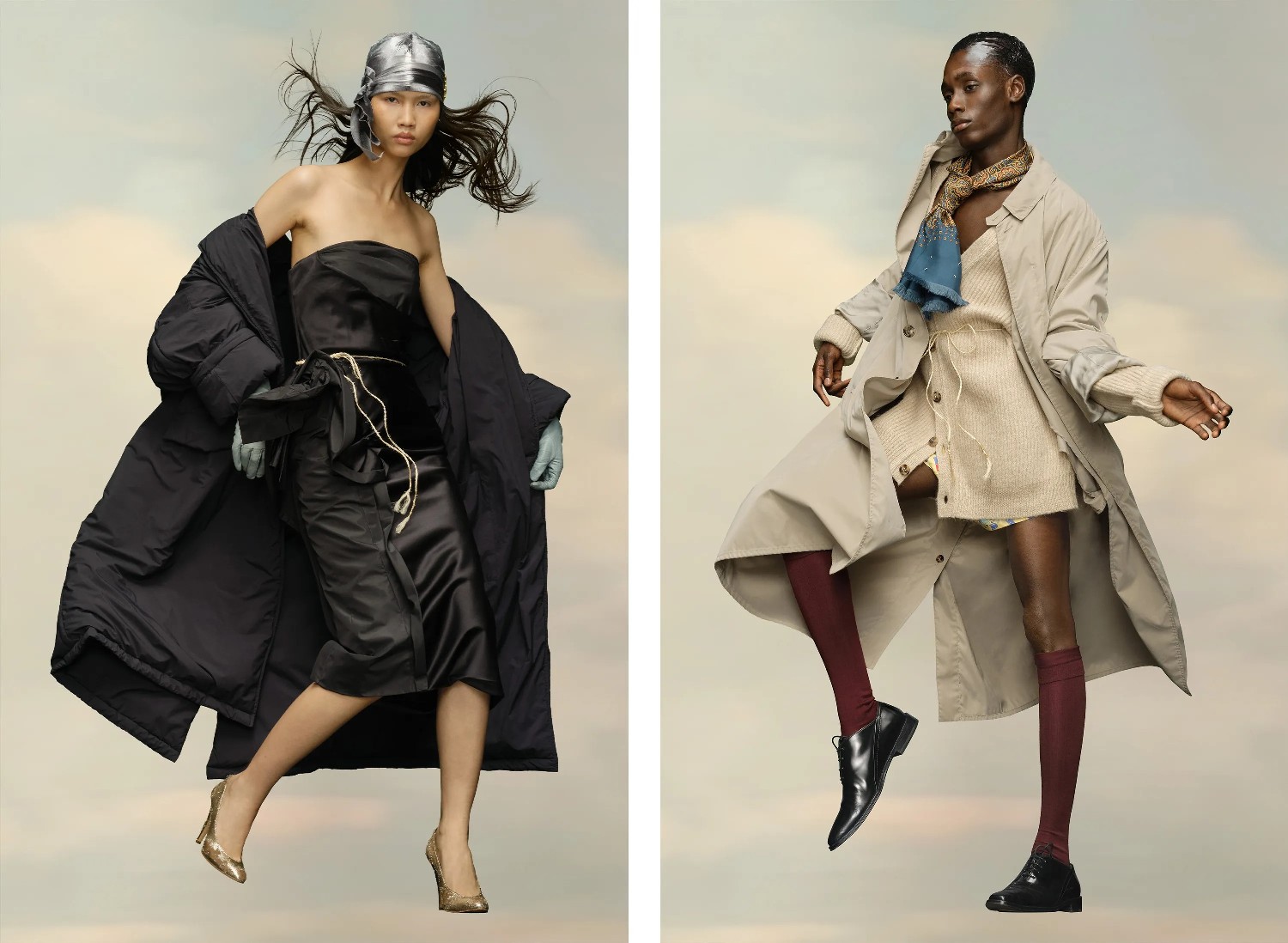
In the first decade of the 21st century, fashion film emerged as a creative genre specifically focused on fashion and moving images, rapidly evolving from a simple advertising tool into an independent visual language that communicates brand identity and visual culture. This phenomenon blurred the boundaries between fashion, cinema, and digital media, and is now widely examined in communication and art studies.
Background and Early Roots
Although the official term fashion film only gained currency in the early 2000s, the connection between fashion and moving images has a longer history. In the early 20th century, cinema naturally intersected with fashion, particularly in documentaries or narrative films highlighting clothing and style. These early works presented fashion on screen but were not yet recognized as modern fashion films.
Formal Emergence in the New Millennium: SHOWstudio and the Rise of Modern Fashion Film
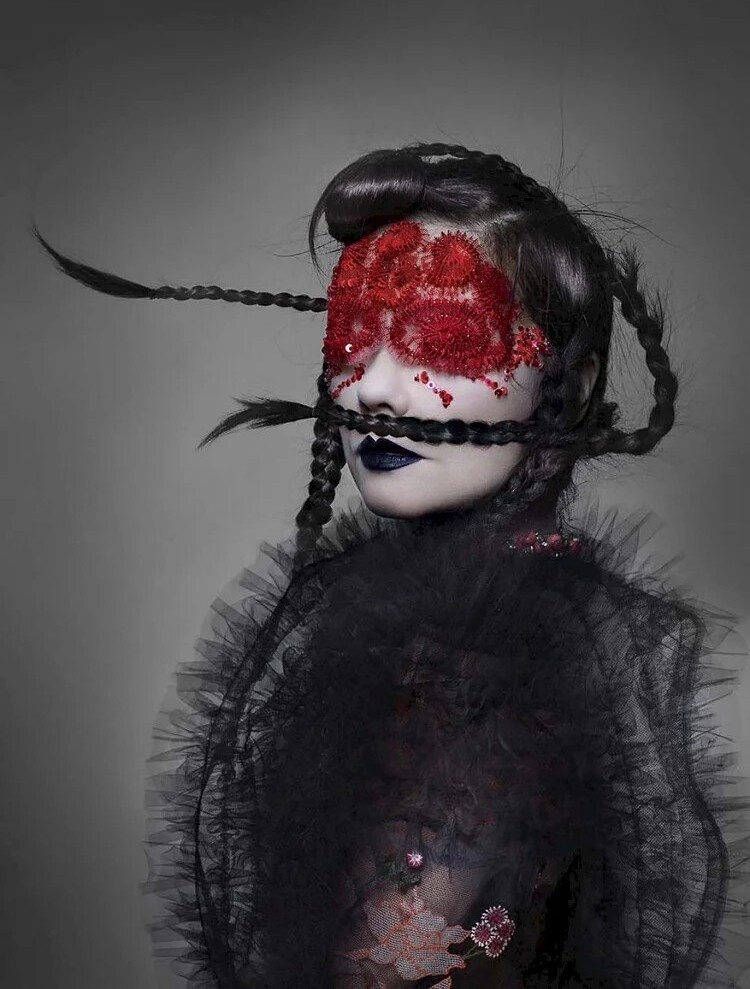
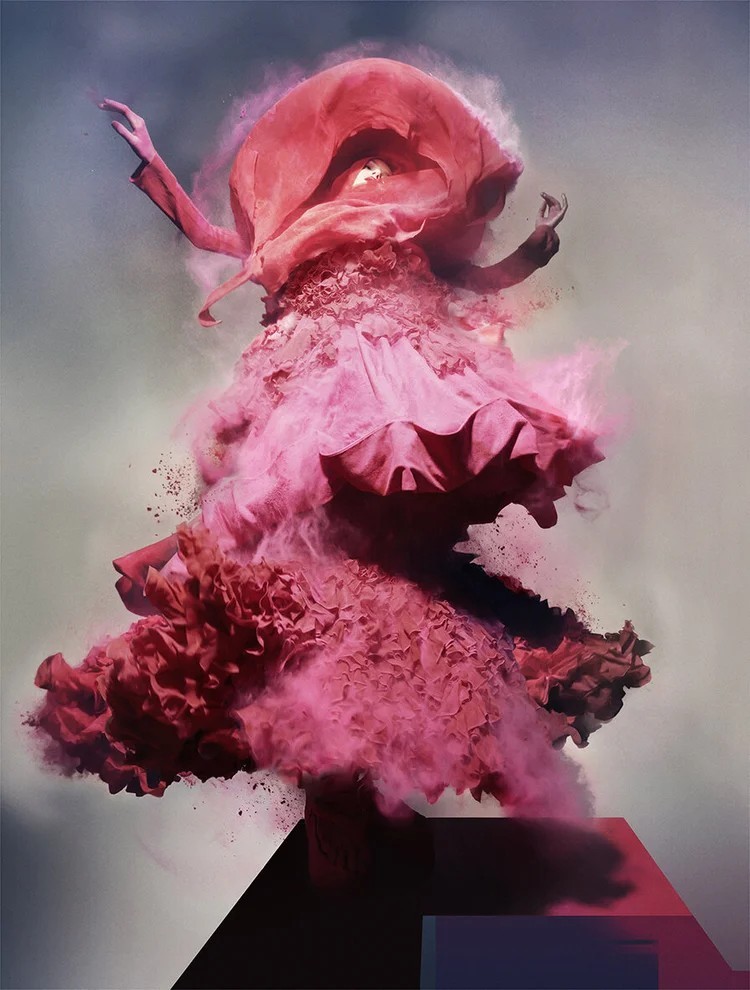
A pivotal moment in the formation of modern fashion film occurred in 2000 with Nick Knight. Through the launch of SHOWstudio, a digital platform for innovative fashion photography and moving images, Knight introduced the concept of fashion film as a formal visual medium, laying the groundwork for its growth in the digital space (SHOWstudio, 2001–present).
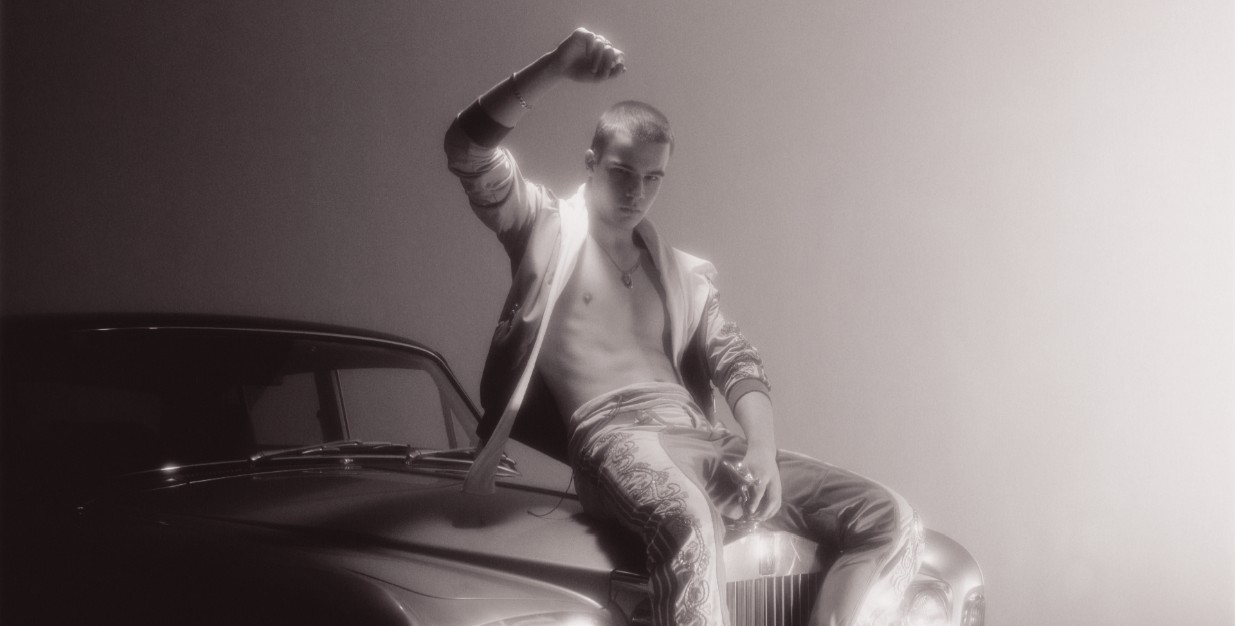
Among the earliest fashion films released in this emerging space was “Fashion Film: J’adore” (2001), which featured a highly artistic visual style and focused on designer collections, marking an early example of an independent genre (SHOWstudio, 2001–present).
Key Examples and Early Forms
Following its formal emergence, luxury brands quickly embraced fashion film, producing cinematic works that narrated the brand’s story rather than simply advertising products:
Chanel No. 5: The Film (2004) – Directed by Baz Luhrmann and starring Nicole Kidman, this film was one of the first cinematic projects to present a brand and its iconic fragrance through narrative and emotion rather than direct product promotion.
The One That I Want (2014) – Luhrmann’s second collaboration with Chanel, starring Gisele Bündchen, demonstrated the evolution of storytelling in fashion films and solidified the brand’s presence in pop culture.
Lady Blue Shanghai (2011) – A cinematic fashion film for Dior, directed by David Lynch and featuring Marion Cotillard, showcases surreal and complex visual storytelling based on mood and experience rather than explicit product explanation.
Dior “Secret Garden – Versailles” (2012) – A series of short films by Inez & Vinoodh, shot at the Palace of Versailles, exemplifying the integration of fashion, art, and historical narrative. This series became one of the most influential fashion film projects of the 2010s.
Why This Format Gained Importance: Digital and Media Transformations
The rise and spread of fashion film in the new millennium are closely tied to the growth of digital media and social networks. While early brand videos and commercials were primarily produced for television, the internet enabled global reach, making fashion film a powerful cultural and communicative tool.
Communication studies indicate that, since the mid-2000s, luxury brands have leveraged fashion films not only to showcase products but also to create emotional experiences, narrative storytelling, and brand identity. Numerous studies have analyzed hundreds of films, examining structure, narrative, and social and marketing roles.
Institutionalization and Academic Study
With the increasing significance of the genre, institutions for exhibiting and celebrating fashion films emerged. Diane Pernet, a fashion critic and curator, founded the A Shaded View on Fashion Film (ASVOFF) festival in 2008, playing a key role in legitimizing the medium within artistic and academic contexts. The festival is now held globally and includes screenings, analysis, and visual fashion research.
In addition to festivals, scholarly research has examined fashion film from communication, art, and media perspectives. Marketa Uhlirova’s work highlights that fashion film should be understood within the intersection of cinema, digital media, and fashion marketing, rather than simply as short advertising content.
Conclusion: A Genre at the Crossroads of Art and Commerce
Ultimately, fashion film exemplifies the convergence of visual creativity and brand identity in the digital era. From the earliest SHOWstudio projects to cinematic collaborations with renowned directors, the genre transcends product promotion: it narrates, creates experiences, and shapes visual culture. Academically, fashion film is now studied within communication, media, and art disciplines, and continues to evolve with emerging technologies and participatory media.