
|
EN
Subscribe to our Newsletter
Throughout history, hair has functioned as a powerful cultural and political symbol rather than a mere aesthetic choice. Across societies, it has signified identity, status, spirituality, and resistance, revealing how the body becomes a site where beauty, power, and personal autonomy intersect.
By the Editorial Staff
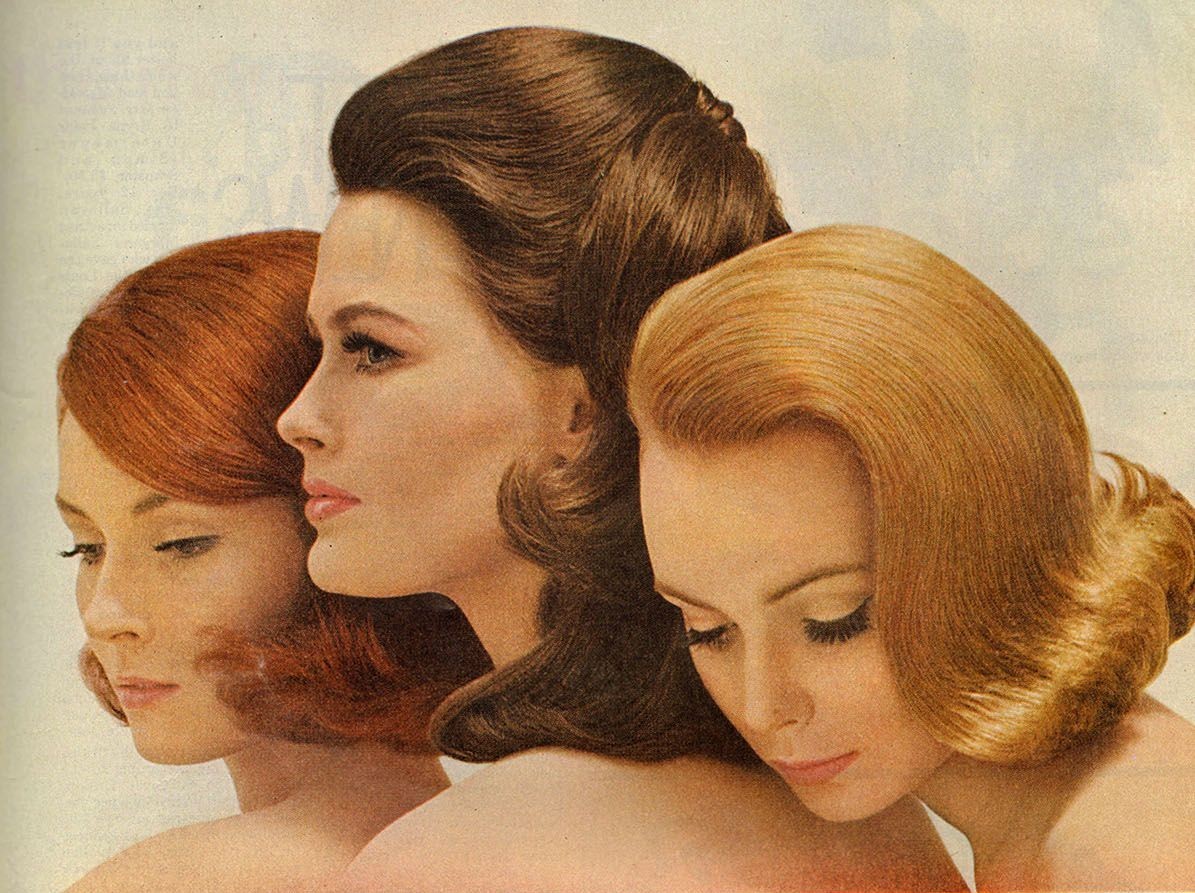
Photo: Pinterest
Throughout history, hair has been far more than a personal aesthetic choice, it has served as a visible marker of identity, power, and cultural belonging. Across the world, styles and practices carry profound meanings: in many African societies, elaborate hair signifies social status and heritage; among Indigenous peoples of the Americas, hair embodies spiritual connection; and in historical empires, hair could indicate obedience, resistance, or political allegiance. The politics of hair, therefore, reveal how the body becomes a canvas of social norms, cultural expression, and personal autonomy, a site where beauty, power, and identity intertwine.
Hair isn’t just fashion, it’s a living symbol of culture, history and power. From the streets of Johannesburg to corporate boardrooms in New York, hair tells deeply personal and intensely political stories. “Good hair,” “professional hair,” “acceptable beauty” , these aren’t neutral terms; they’re standards shaped by dominant cultures that have historically decided what looks normal and what looks other, often at the expense of marginalized identities .
Across societies, hair functions as a visible archive, recording histories of colonialism, resistance, assimilation, and pride. In many cultures, traditional hairstyles such as braids, bantu knots, and locs were not only beautiful but also markers of age, community, status and spirituality. Yet, as modern standards of beauty spread globally, those same hairstyles were reframed through the lens of Western aesthetics and often dismissed as unprofessional or undesirable.
The roots of hair politics are entwined with colonial power and white supremacy. During centuries of slavery and subjugation, Black hair traditions were actively suppressed, hair was cut or bound, and European ideals of straightness were enforced as markers of civilization and worth. Even into the twentieth century, European standards of straight, loose hair defined what was seen as acceptable, tidy or professional. In the United States, institutions once banned dreadlocks and cornrows as “unprofessional,” exposing how dominant beauty norms police the body and uphold racial hierarchies. This pressure to conform, often disguised as respectability or ambition, conditioned generations to associate straightness with success. Historically, Black men and women straightened their hair, not simply for beauty but to navigate a system that equated Eurocentric features with opportunity.
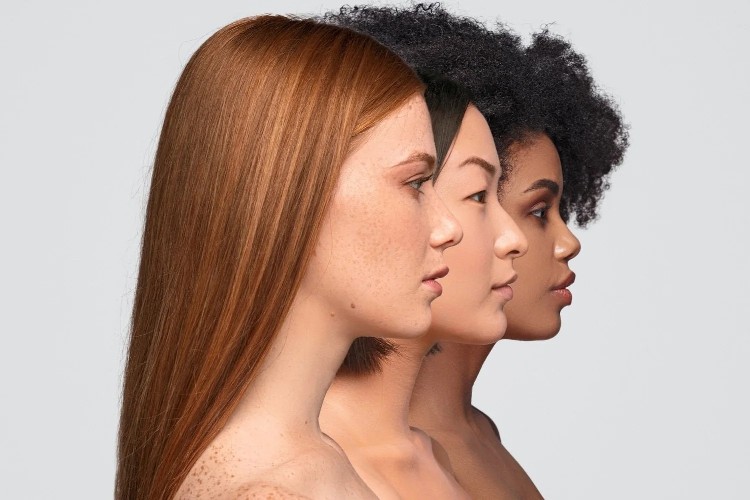
Photo: Pinterest
Yet hair has also been a powerful form of cultural resistance. The Afro of the 1960s and 1970s was not a trend; it was a political statement. a public assertion of Black pride and identity during the civil rights and Black Power movements. Icons like Angela Davis turned their hair into a declaration: liberation begins with the body.
In other societies too, hair rituals carry political weight. Shaving heads can express devotion in Buddhist traditions, or signal defiance and solidarity in anti-colonial struggles, such as among the Mau Mau fighters in mid‑20th‑century Kenya.
Today, wearing natural hair, braids, locs or kinky textures is still a choice laced with meaning. It asserts individuality in a world where global beauty narratives still favour a narrow standard. In resisting these norms, people reclaim not only their styles but their histories and identities
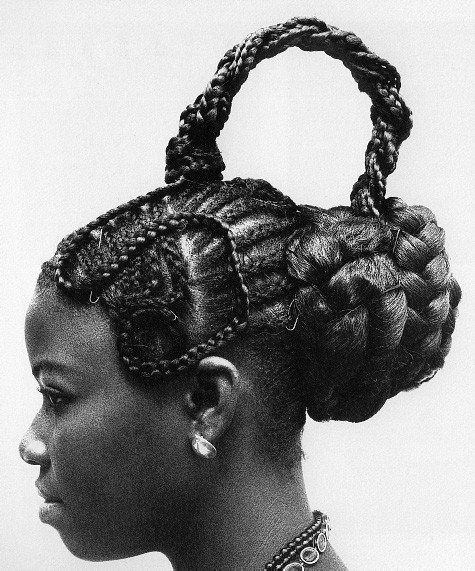
Photo: Afrosartorialism.net
While the politics of Black hair are among the most studied, hair has political meaning in countless contexts. In Kenya, refusing to shave one’s hair during struggle became a mark of identity and defiance. Across spiritual traditions, hair can represent humility, holiness, or renunciation
These stories reveal a central truth: hair is never just hair. It is a language, of allegiance, of resistance, of cultural continuity. Whether braided in tradition or worn in protest, hair remains one of the most intimate yet visible arenas where identity, power and self-expression intersect.
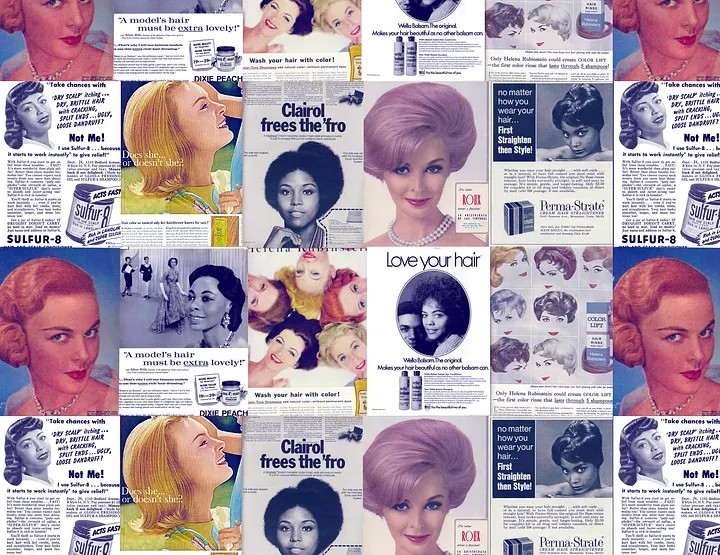
Illustration by Joseph Golden
If hair can carry the weight of history, culture, and resistance, what does your hairstyle say about you? Every braid, curl, and coil becomes a statement of identity, pride, and the power to define yourself in a world that has long tried to decide for you.
This article is an original editorial analysis produced by [DIBA magazine]
Research and references are used for contextual accuracy.