
|
EN
Subscribe to our Newsletter
The material trends shaping interior design in 2026 reflect a transition from visual minimalism toward tactile, experiential, and culturally rooted surface expressions. Textured materials such as pigmented concrete, natural wood, limewash, and artisanal plaster highlight a renewed emphasis on craftsmanship, authenticity, and sensory engagement. These surfaces function as spatial narrators, redefining interior environments through material depth, sustainability awareness, and phenomenological interaction.
By the Editorial Staff
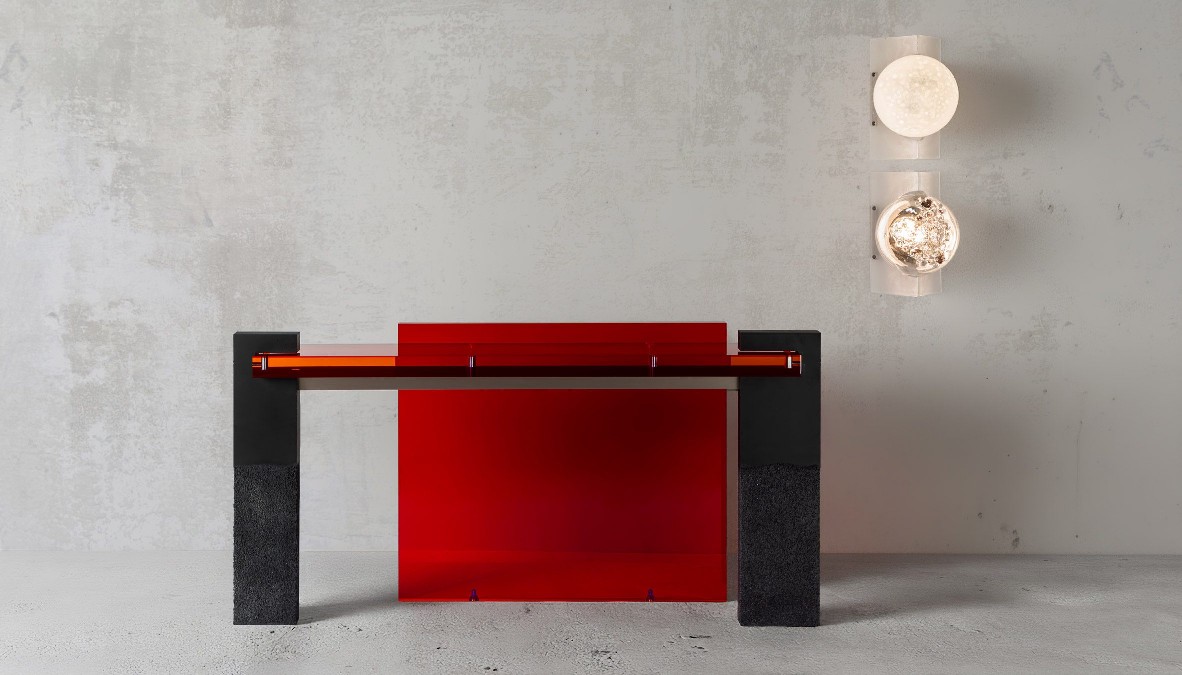
Draga & Aurel crafts jewel-like furniture from liquid resin textured with sea salt
Stendhal is an architectural console table
Photo: Getty Images
The interior design landscape of 2026 is defined by a profound shift toward experiential materiality, where surfaces are no longer treated as passive architectural finishes but as active contributors to spatial perception and emotional resonance. Emerging trends highlight a departure from rigid minimalism toward multisensory environments shaped by tactile authenticity, chromatic immersion, and narrative craftsmanship. Contemporary material discourse emphasizes the resurgence of natural wood, expressive concrete, resin surfaces, and artisanal finishes that foreground human-scale interaction within architectural space. Interior design trends 2026 increasingly prioritize sensory engagement, sustainability, and technological subtlety, positioning material selection as a primary driver of spatial identity.
At the core of Interior Design Trends 2026 lies the integration of atmospheric colour strategies, seamless surface technologies, and culturally grounded craftsmanship into a unified design philosophy. Concepts such as tactile materials in interior design, immersive colour environments, and sustainable natural surfaces are redefining modern living spaces. From warm timber expressions and wall-to-wall chromatic carpeting to polymer-based seamless finishes and patinated metals, the year 2026 reflects a sophisticated synthesis of tradition and innovation, where material surfaces function as narrative, psychological, and ecological interfaces within contemporary interiors.
Central to the 2026 interior discourse is the redefinition of materiality as a phenomenological instrument capable of shaping human perception and bodily interaction with space. Designers are increasingly privileging materials that exhibit tactile authenticity, chromatic irregularity, and artisanal depth, thereby reintroducing the human hand into environments previously dominated by industrial uniformity. This paradigm is particularly evident in The Return of Warm Wood, where honey-toned oak, walnut, and thermally treated timber surfaces are re-emerging as dominant architectural elements. Often arranged through geometric parquet formations such as herringbone and checkerboard configurations, these surfaces re-establish psychological warmth and organic tactility while counterbalancing the sterile chromatic neutrality that defined earlier minimalist aesthetics.
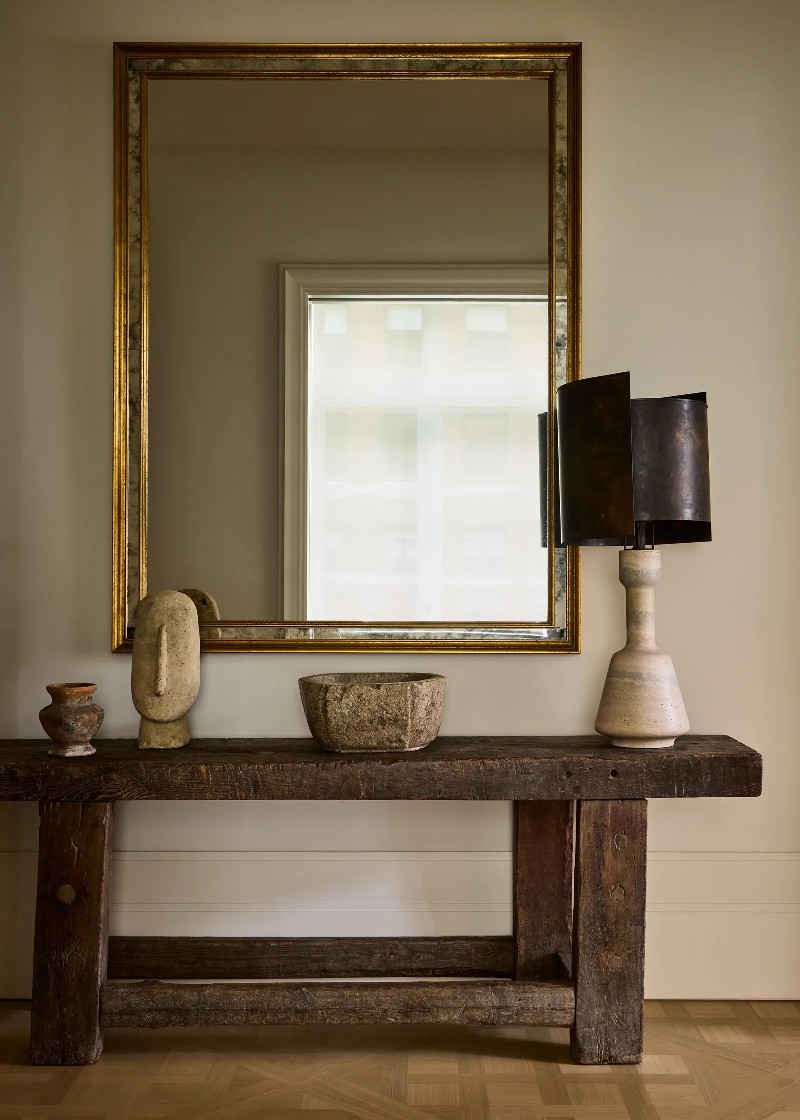
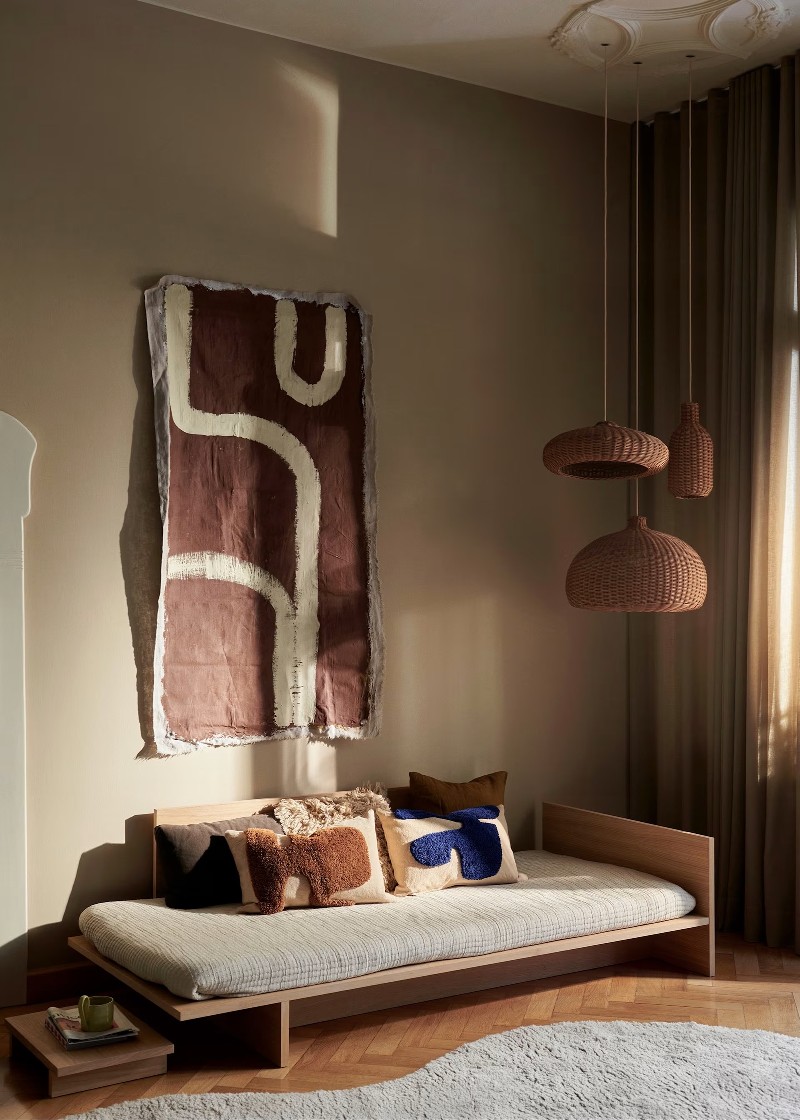
Warm wood Tone
Photo: Nordic Nest website
Design: Katie Harbison
Photo: Nicol Franzen
Complementing this revival is The End of the Flat Wall, a movement characterized by the growing rejection of perfectly planar surfaces in favour of limewash layers, hand-applied plaster, clay-based coatings, and mineralmicro cement applications. These wall treatments introduce visual irregularity, subtle shadow play, and layered chromatic depth, allowing vertical architectural planes to function as responsive atmospheric surfaces rather than inert boundaries. Together with natural oak and artisanal plaster finishes, such treatments reveal gradual material evolution and organic patination over time, transforming surfaces into temporal storytellers that communicate cultural continuity and tactile authenticity.
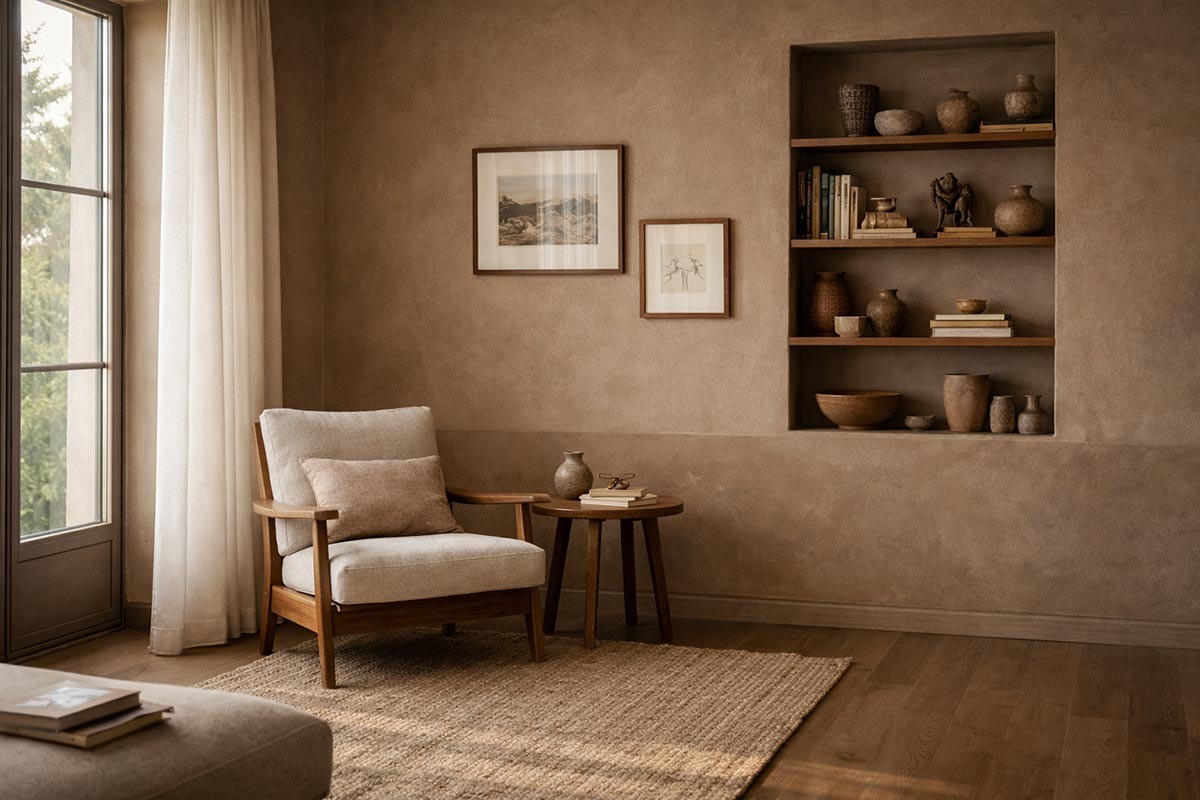
Clay based wall
Photo: keralahousedesigns
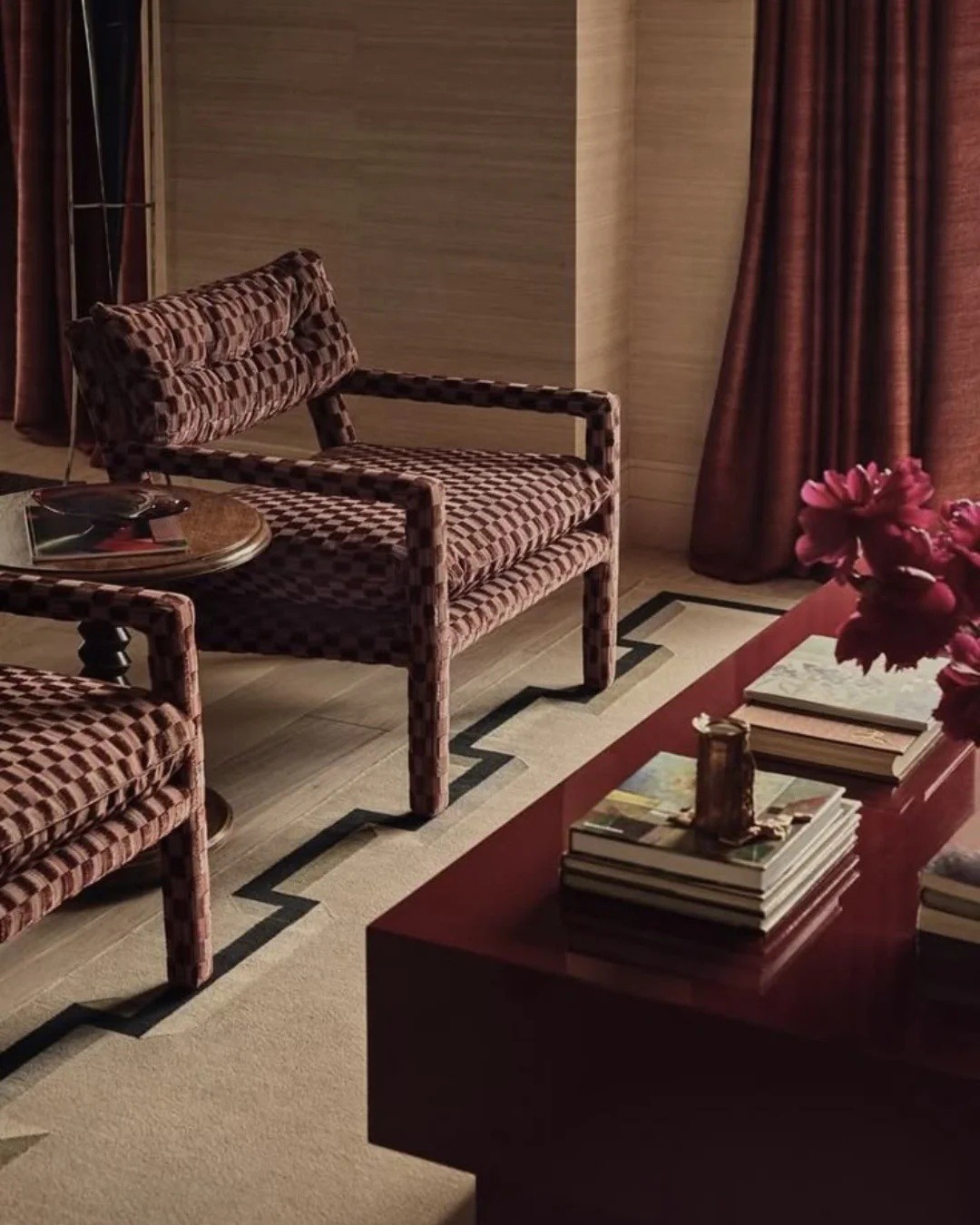
Textile applications further expand this sensorial material vocabulary through Relaxed Linen, Elevated, which repositions linen as both an atmospheric and functional surface. Softened, washed linen upholstery and drapery introduce an understated elegance rooted in comfort and lived authenticity, aligning with contemporary preferences for interiors that prioritise emotional ease over formal rigidity. In contrast, Velvet Theatre introduces an intentionally dramatic
counterpoint. Deeply saturated velvet upholstery, expressed through jewel-toned chromatic registers such as plum, garnet, and mineral sapphire, reintroduces theatricality, historical resonance, and spatial intimacy, demonstrating the growing coexistence of softness and opulence within contemporary interior narratives.
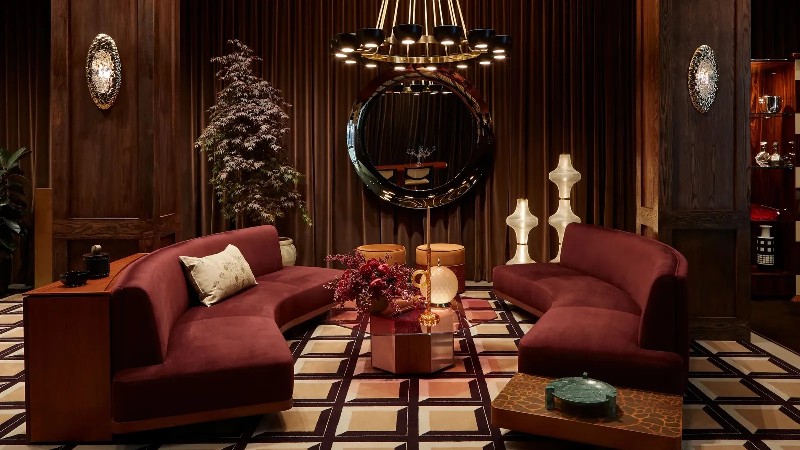
Velvet Interior Design
Photo: Jashoua Mchugh
The renewed prominence of pigmented and coloured concrete further reinforces this material transformation. Previously associated with structural expression and brutalist architectural language, concrete has undergone a significant chromatic and tactile reinterpretation through Colourful Concrete. Designers increasingly employ richly pigmented concrete across integrated basins, sculptural kitchen islands, flooring systems, and monolithic furniture elements, allowing architectural components to function as cohesive spatial sculptures. These applications facilitate atmospheric tonal gradients and volumetric continuity while challenging the historical perception of concrete as purely structural infrastructure.
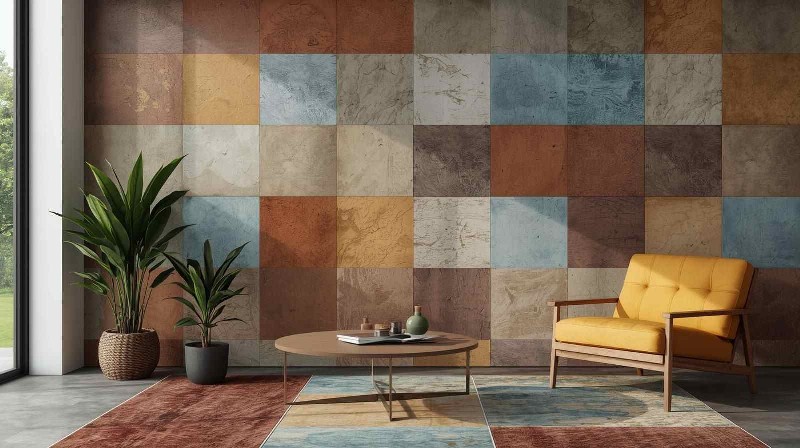
Colorful Concrete
Photo: Simpolo.com
Expanding the language of seamless surfaces, Resin In Focus introduces advanced polymer-based finishes that emphasize visual fluidity, durability, and material continuity. Resin flooring, integrated countertops, and sculptural furnishing elements enable joint-free spatial surfaces that enhance visual cohesion while supporting contemporary demands for resilience and technological precision. Through their reflective depth and chromatic adaptability, resin materials further blur distinctions between architecture, furniture, and object design, reinforcing the conceptual merging of disciplines within contemporary interior architecture.
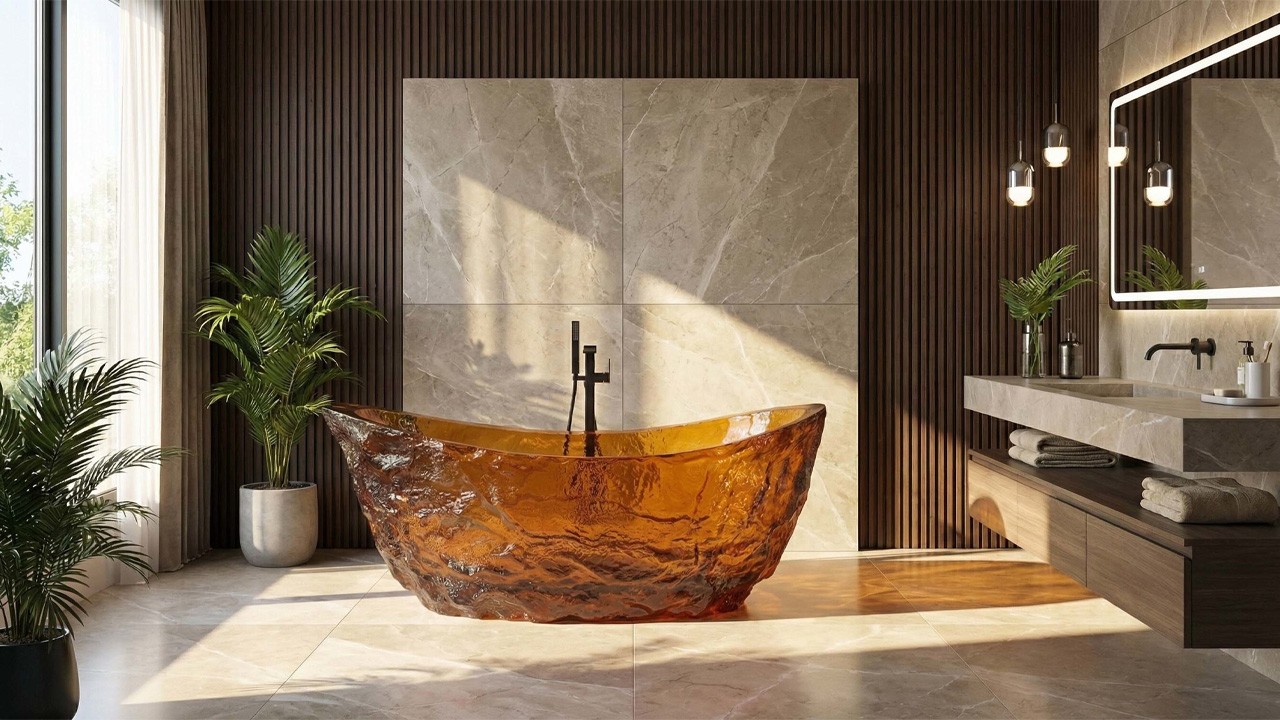
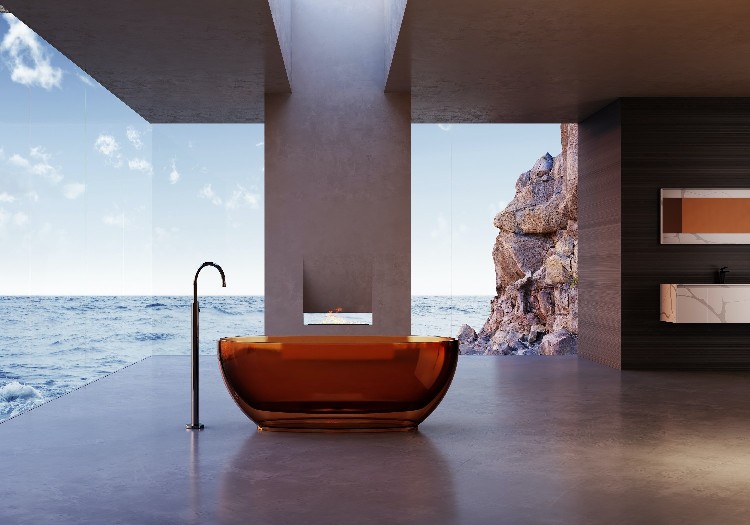
Empava Releases,Latest-Bathroom Collection
Photo: empava.com
Nosa-freestanding-Serena
Photo: nosa.co.uk
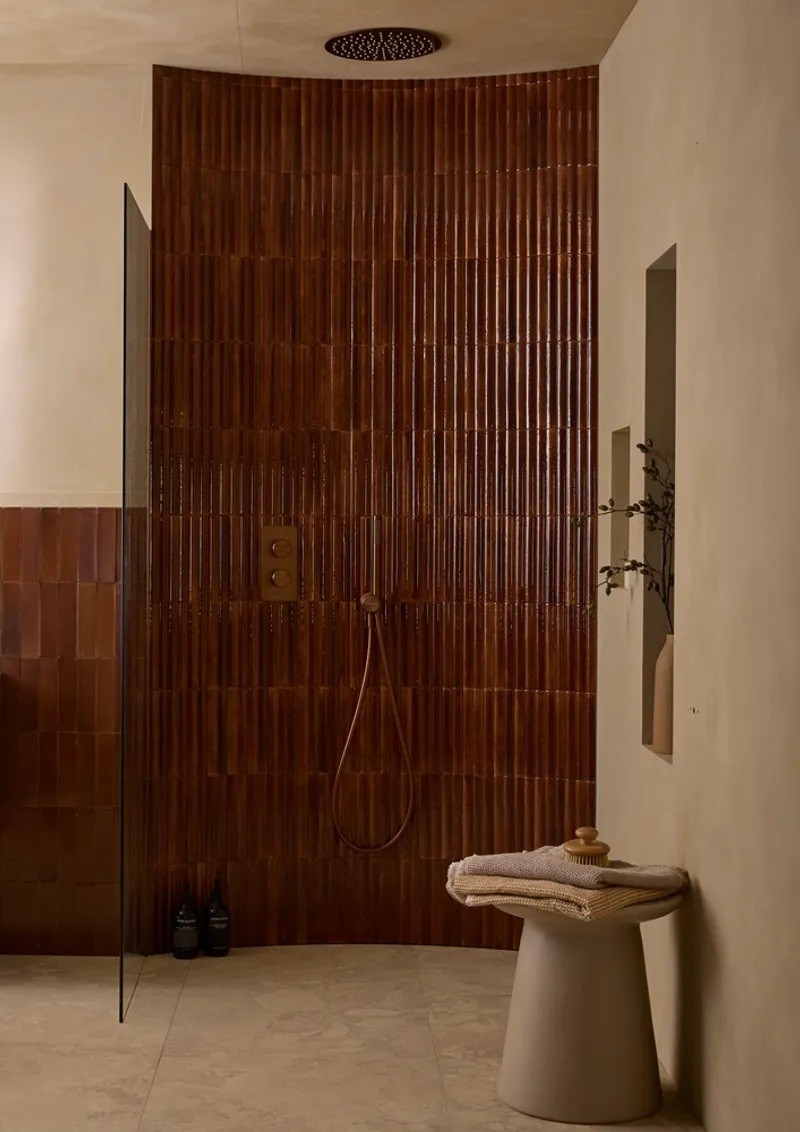
Parallel to the resurgence of expressive materiality is the evolution of colour from decorative supplementation into a primary atmospheric and psychological design instrument. Interiors in 2026 are increasingly defined by immersive chromatic environments that envelop occupants within emotionally calibrated spatial experiences. This development is strongly reinforced through Carpet, but Make It Colour, which marks the re-emergence of wall-to-wall carpeting as a unifying architectural surface rather than a purely functional furnishing element. Deep mineral blues, oxidized greens, clay-based terracottas, and midnight jewel tones are increasingly deployed to produce acoustically softened, visually continuous ground planes that dissolve traditional separations between furniture and architecture.
Chromatic immersion simultaneously functions as a strategic zoning mechanism. Through nuanced tonal gradation and layered pigment transitions, designers delineate functional spatial hierarchies without resorting to rigid architectural partitions. Colour thus operates as both a psychological regulator and a narrative medium capable of articulating regional identity, cultural symbolism, and geological inspiration, reinforcing biophilic design principles while enhancing spatial warmth and cognitive comfort.
Chromatic immersion
photo: malaartco.com
Clay based terracotta
Photo: roperrhodes.co.uk
While material authenticity and chromatic richness dominate the aesthetic dimension of 2026 interiors, technological integration is simultaneously advancing toward invisibility and seamlessness. Smart home systems are evolving beyond conspicuous technological statements into embedded environmental infrastructures operating discreetly within architectural and material frameworks. Adaptive lighting ecosystems, AI-driven spatial optimisation, and climate-responsive surfaces enhance environmental performance without disrupting tactile or visual coherence. Embedded illumination integrated into textured plaster walls and responsive shading concealed within timber panelling illustrate how contemporary interiors increasingly conceal technological intelligence beneath sensorially rich material envelopes.
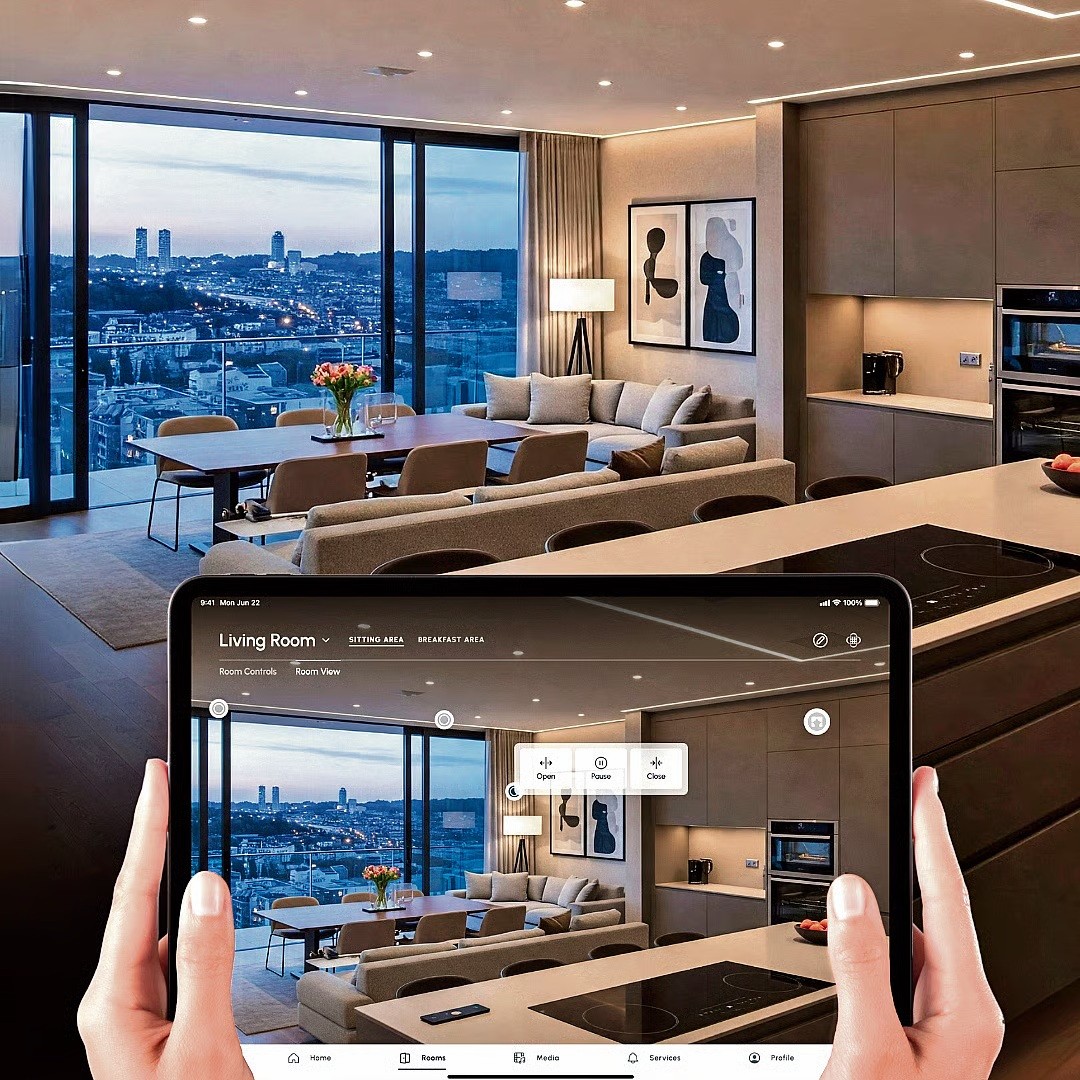
A CasaDigi home
Photo: Tanya Khanna
Another defining characteristic of 2026 interior design is the reemergence of craftsmanship as both an aesthetic and conceptual priority. Designers increasingly curate environments through bespoke artisanal production, historically referential detailing, and layered object selection that communicates narrative authenticity. This movement is reinforced through Muted Metals, including brushed bronze, aged nickel, pewter, and oxidized brass, which introduce accumulated character and visual softness. These patinated metal finishes resist high-gloss perfection, instead celebrating material ageing as an aesthetic and emotional asset.
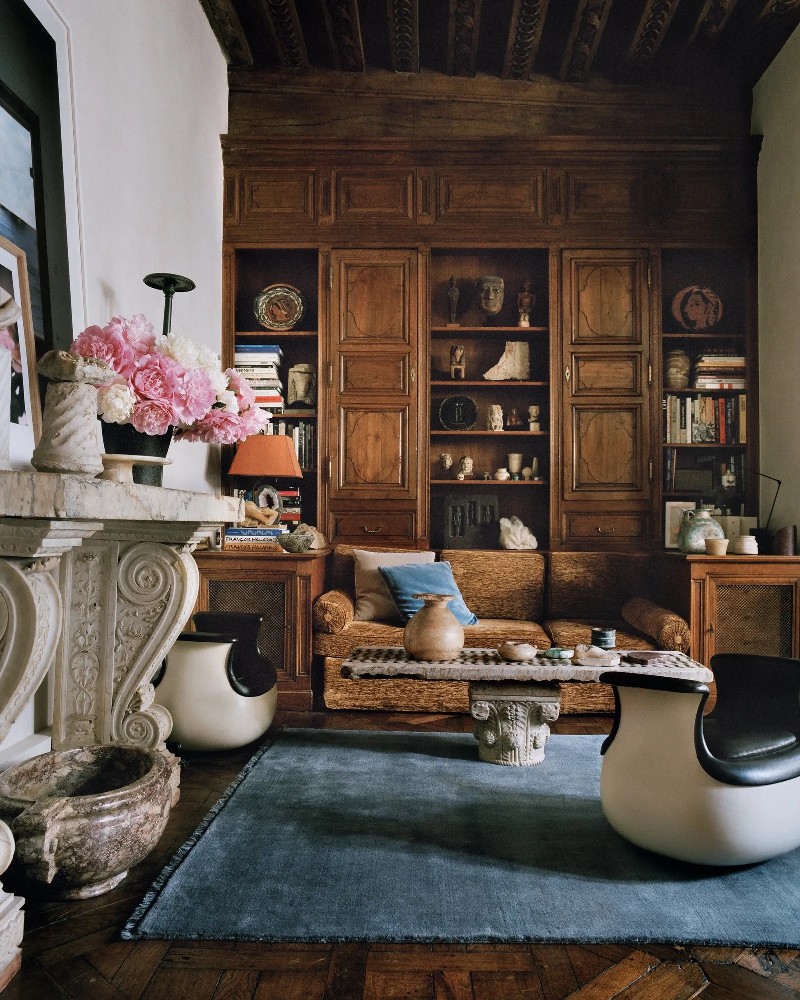
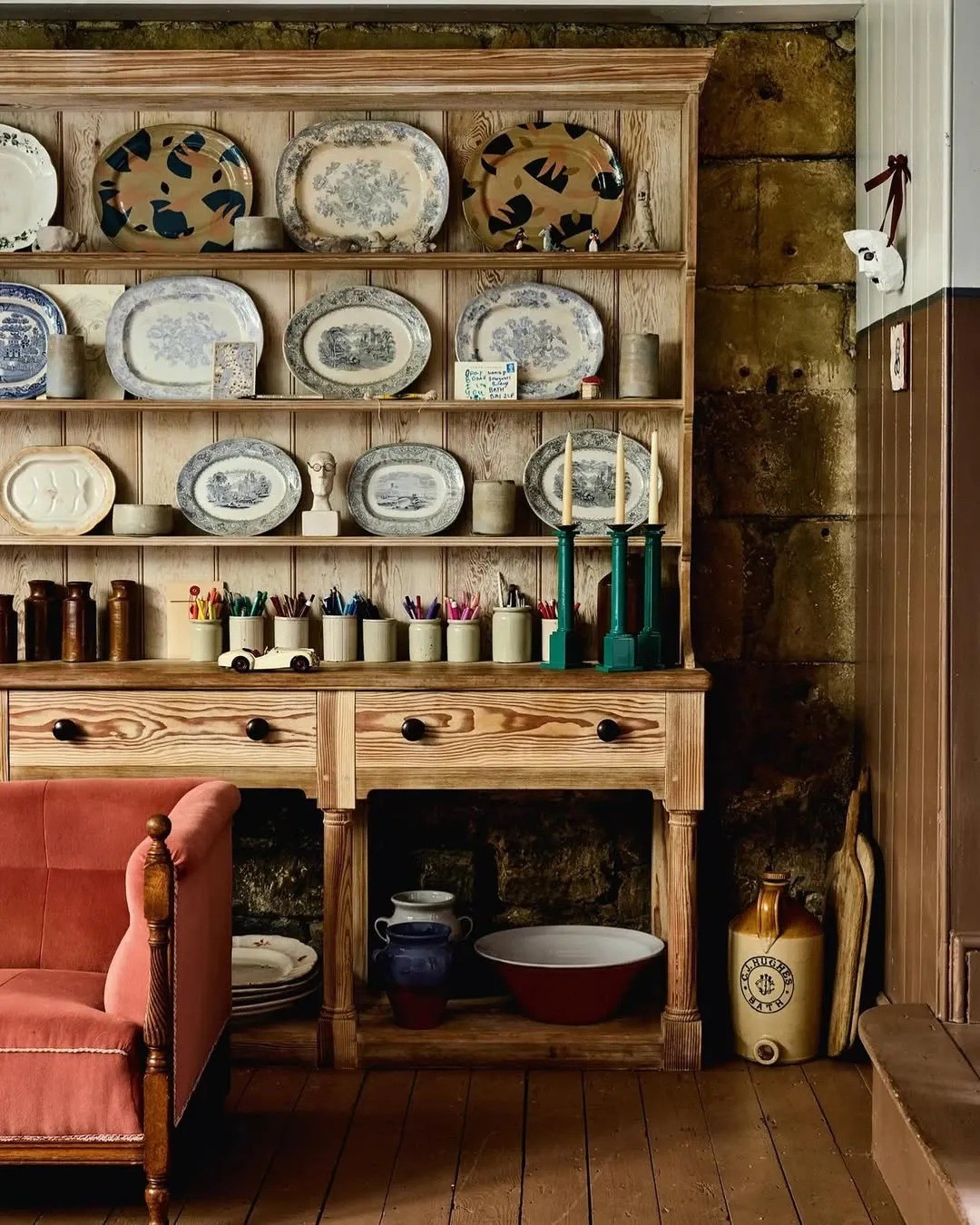
Photo: nordicknot.com
Photo: Andrew Montgomery
Artisanal heritage is further elevated through More Murano Glass, reflecting the renewed prominence of hand-blown Venetian glass lighting and sculptural installations. These luminous artefacts operate simultaneously as collectible design objects and atmospheric light modulators, introducing chromatic refraction, material translucency, and historical craft continuity. Murano glass installations frequently function as spatial focal points, reinforcing the intersection between collectible art, interior architecture, and cultural storytelling
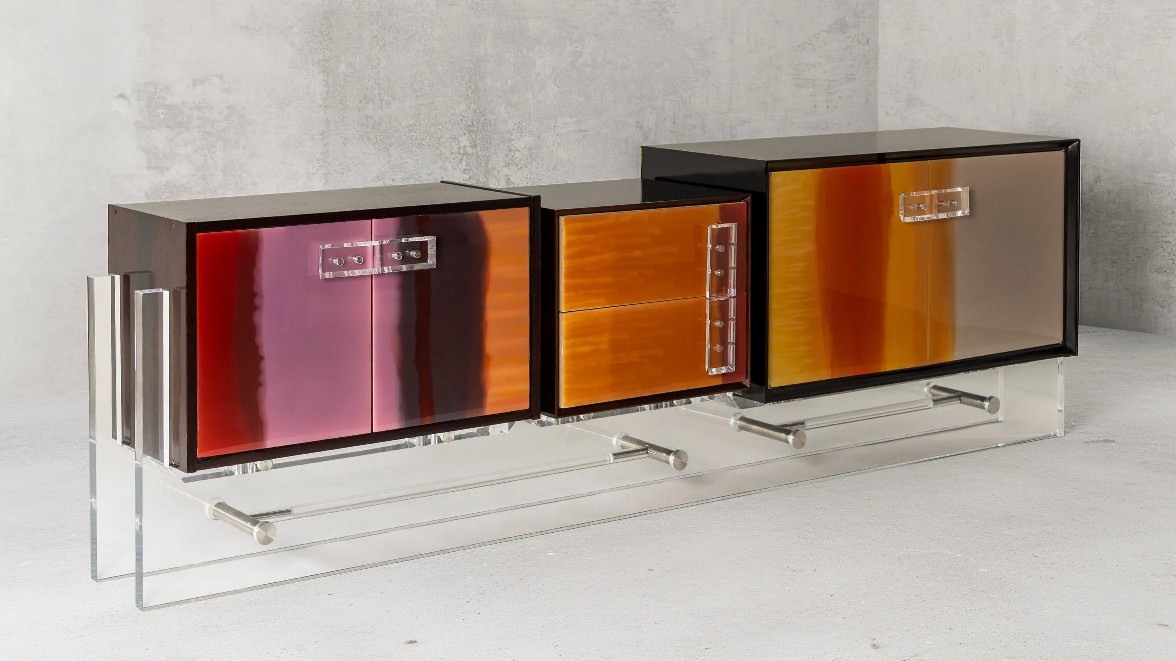
Draga & Aurel
Photo: Getty Images
Handcrafted ceramic elements, heritage textile layering, and bespoke joinery solutions further reinforce the narrative dimension of contemporary interiors. This emphasis on craftsmanship reflects a broader societal shift toward sustainability, durability, and emotional attachment to objects that demonstrate cultural authenticity and repairable longevity. Interiors consequently evolve into repositories of identity and memory, fostering environments that resonate intellectually and emotionally with occupants.
Underlying many of the aesthetic and technological developments of 2026 is a profound reorientation toward ecological responsibility and ethical material sourcing. Designers increasingly prioritise renewable timber, mineral-based plasters, recycled composite surfaces, and regionally sourced stone applications to minimise environmental impact while reinforcing local design narratives. The resurgence of warm wood flooring, natural textile fibres, and artisanal mineral coatings aligns with lifecycle-conscious design methodologies that emphasise durability, adaptability, and environmental stewardship.
This ecological consciousness extends beyond individual material selection into comprehensive lifecycle evaluation, encouraging interiors capable of evolving alongside changing occupant requirements. By minimising renovation frequency and prioritising long-term environmental performance, contemporary interior design integrates ecological ethics with sensory richness and cultural authenticity.
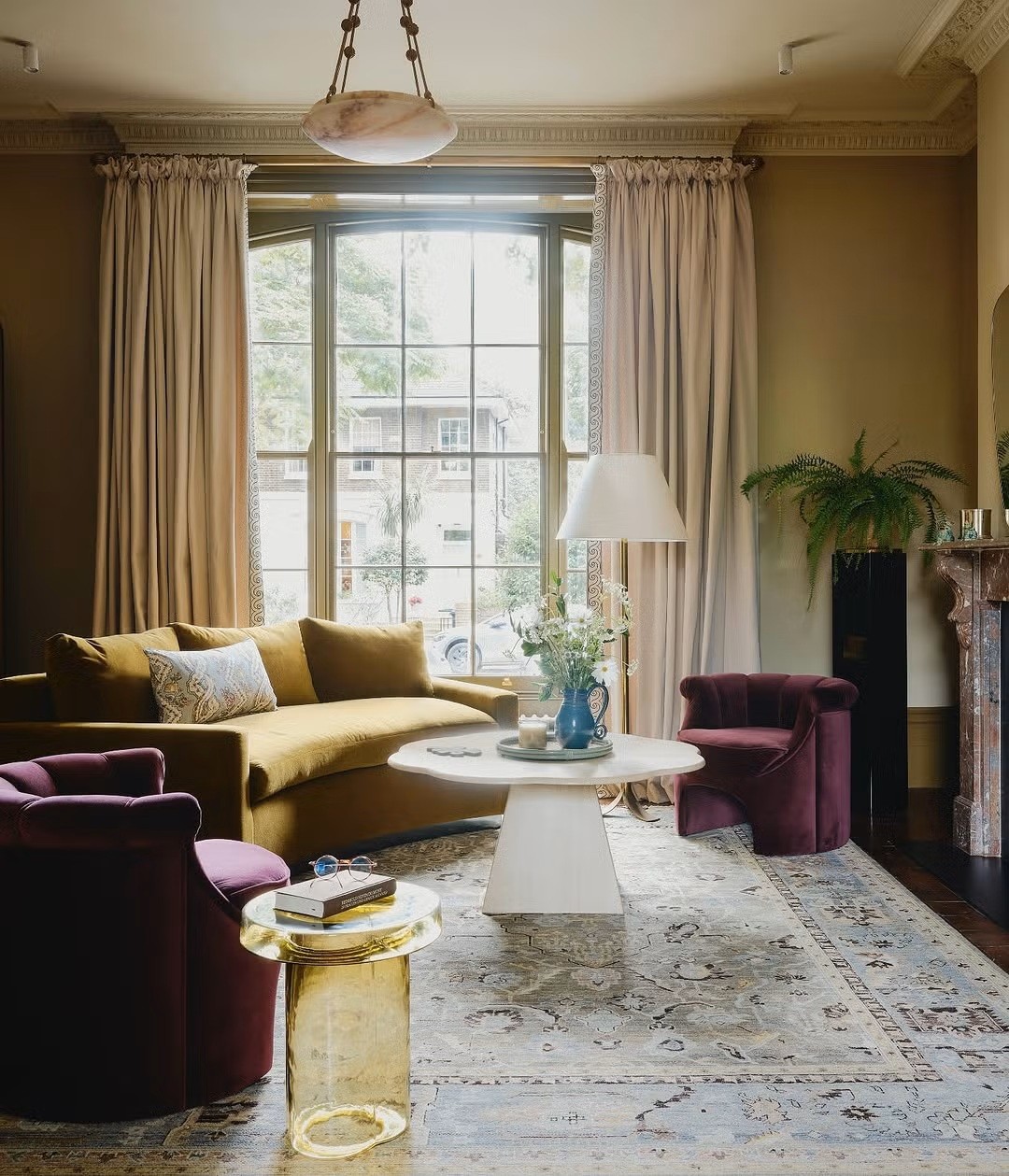
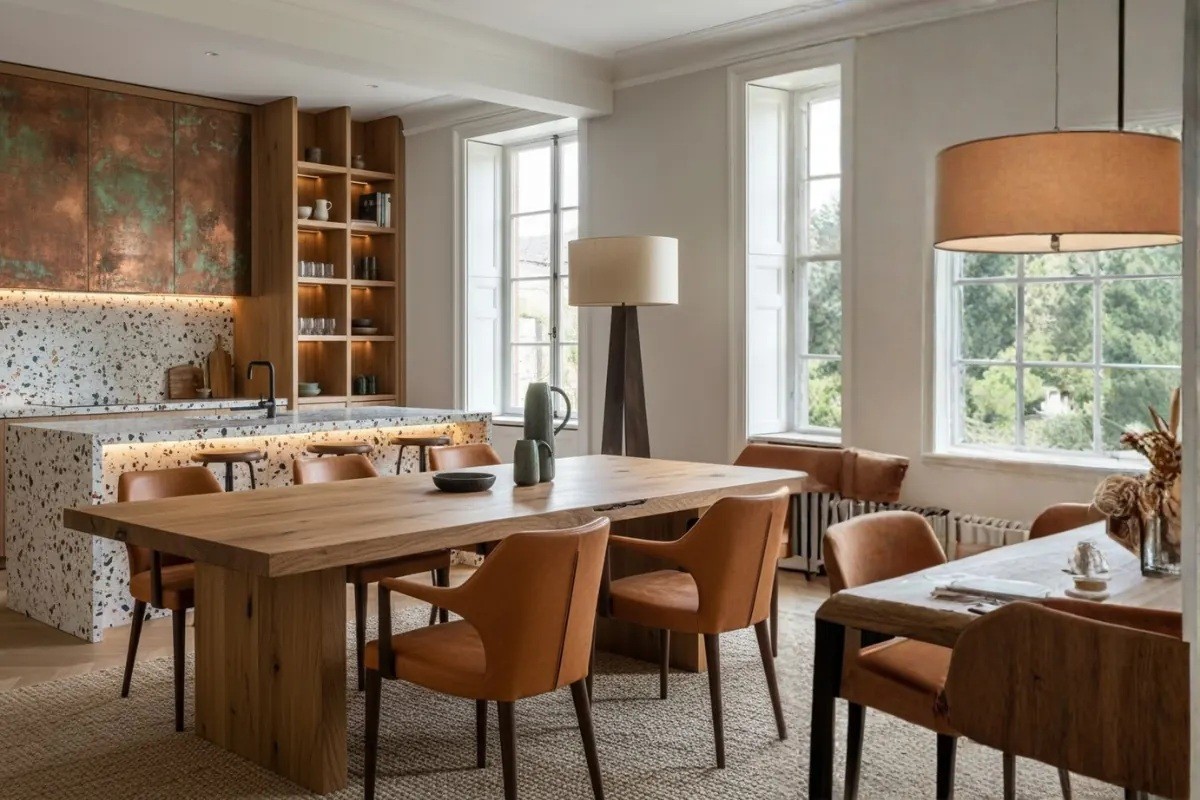
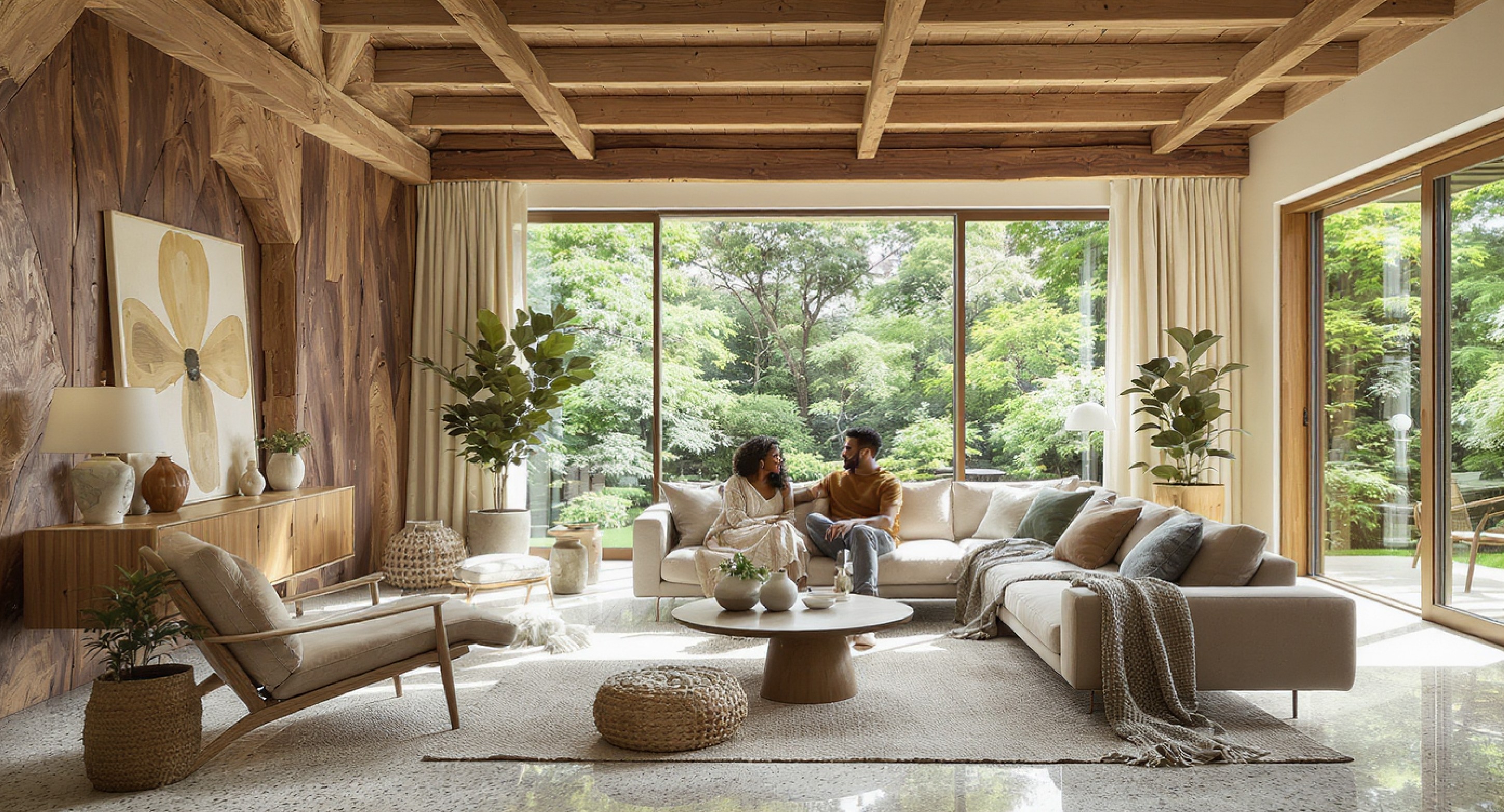
Sustainable interior design
Photo: studioduggan
Photo: homzinterio.in
Photo: reimaginehome.com
Collectively, the interior design trends of 2026 articulate a sophisticated redefinition of spatial experience in which materials, colour, technology, and craftsmanship function as interdependent components of a holistic design ecosystem. Interiors are no longer conceived solely as aesthetic compositions but as psychologically responsive environments capable of influencing behavioural patterns, emotional well-being, and cultural expression.
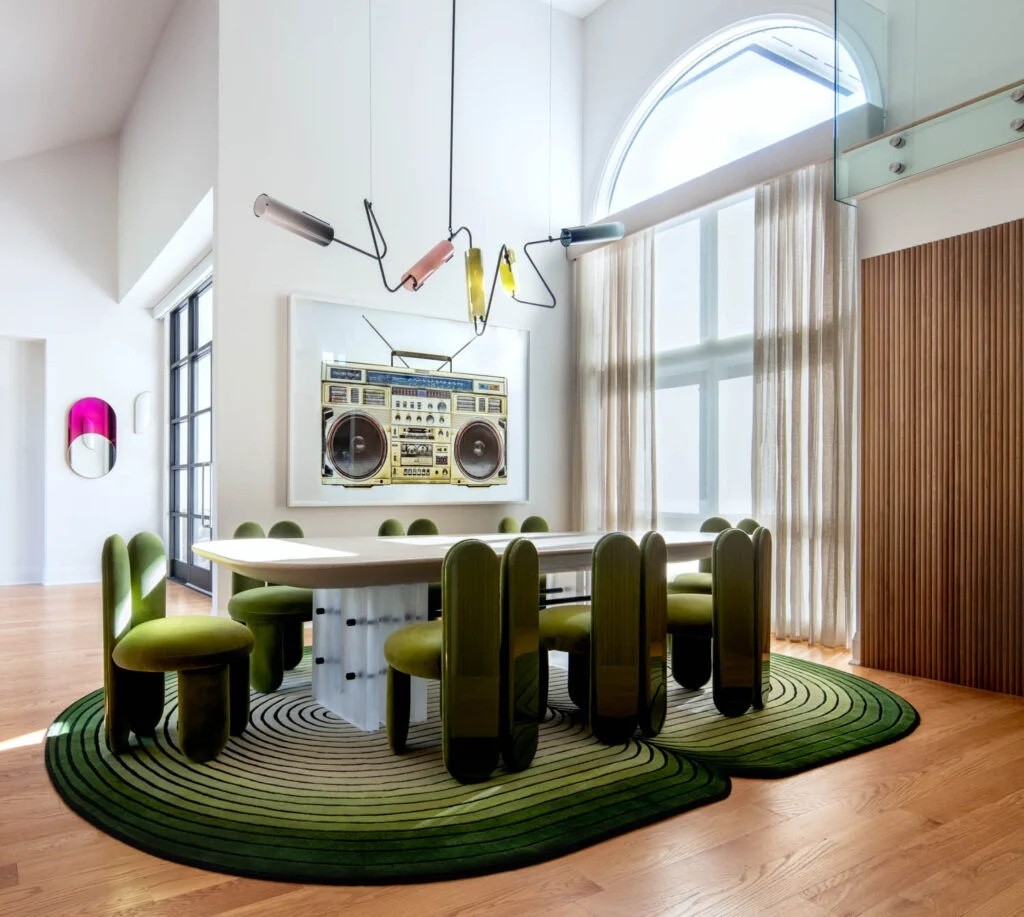
For a New York City family with a passion for Hip-Hop and Art
Interior Designer Shanna Gatanis
Photo: Nick Johnson
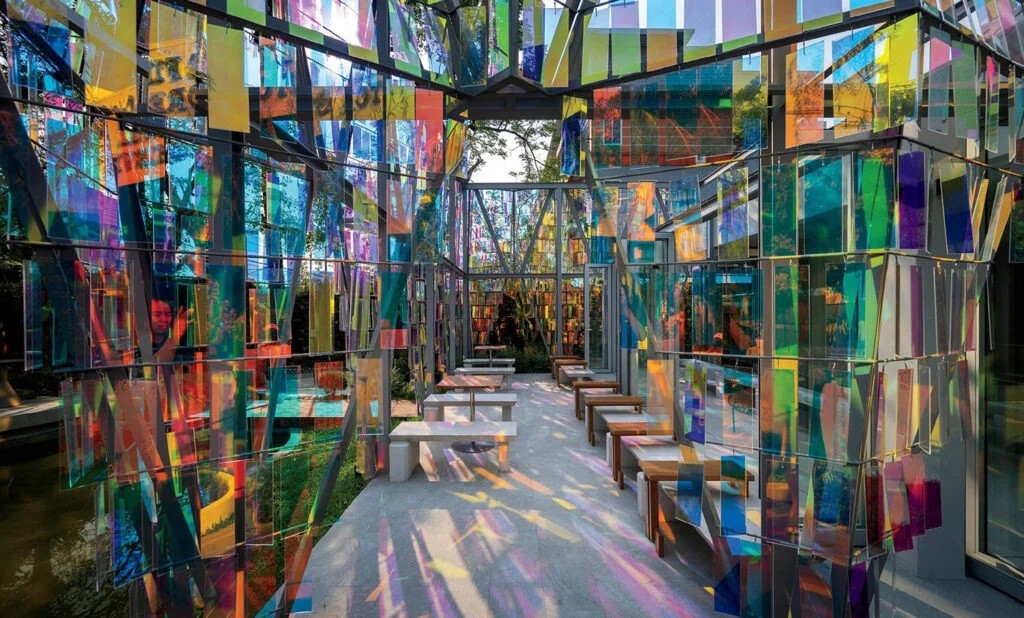
For the renovation of a café located on the grounds of a jewelry store in Chiang Mai, Thailand
Photo: Rungkit Chardenwat.
As the boundaries between architecture, product design, and technological innovation continue to dissolve, interior spaces are emerging as highly curated environments that prioritise sensory engagement, ecological responsibility, and narrative authenticity. The trajectory of 2026 suggests a future in which interiors are designed not simply to be visually compelling but to be intellectually stimulating, emotionally resonant, and experientially transformative.
This article is an original editorial analysis produced by [DIBA magazine]
Research and references are used for contextual accuracy.