
|
EN
Subscribe to our Newsletter
Scandinavian design has never been solely about minimalism; it is a philosophy shaped by climate, culture, and a deep respect for human life. Today, a new generation of Nordic creatives is redefining this legacy, merging heritage with experimentation and restraint with bold expression. From materially driven architecture to playful, color-infused interiors, these seven designers demonstrate that Scandinavian living is evolving. What connects them is not a single aesthetic, but a shared intention to create spaces that are calm, functional, and deeply human.
By the Editorial Staff
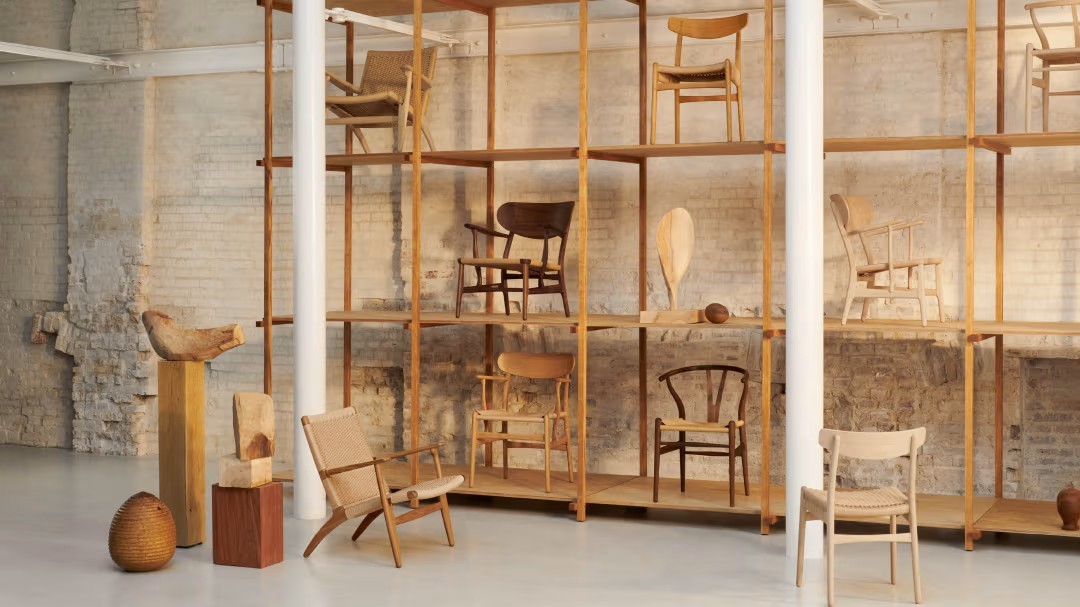
Iconic 1950 chair designs by Hans J. Wegner, created for Carl Hansen & Søn
“Many foreigners have asked me how we created the Danish style. I’ve answered that it was a continuous process of purification and simplification – to cut down to the simplest possible design of four legs, a seat, and a combined back- and armrest.”
Hans J. Wegner
The Scandinavian movement gained international recognition in the 1950s, particularly through exhibitions and design fairs that introduced the world to a distinctly Nordic approach, human-centered, democratic, and accessible. Designers such as Alvar Aalto, Arne Jacobsen, and Hans Wegner championed the idea that beauty should serve everyday life. Furniture was not meant for elites alone; it was meant to be lived with.
Yet the foundations of Scandinavian design reach further back. In the late 19th and early 20th centuries, Nordic designers began reconciling strong craft traditions with emerging modernist ideals. Influenced in part by European modernism and Bauhaus functionalism, yet deeply rooted in regional material culture, Scandinavian design developed as a synthesis of industrial efficiency and artisanal warmth. The harsh northern climate, limited daylight, and social emphasis on welfare and equality shaped a design language that prioritized durability, lightness, and emotional comfort.
At its core, Scandinavian design evolved from a social ideal: that good design improves quality of life. It embraced modernism, yet softened it , introducing warmth through wood, tactility through natural materials, and lightness through thoughtful proportions. Clean lines were never cold; they were calm. Simplicity was not austerity; it was clarity.
By the 1970s, as postmodernism challenged strict functionalism, the movement experienced shifts in expression. Yet its core philosophy endured. In the late 20th and early 21st centuries, global conversations around sustainability, ecological responsibility, and human-centered design renewed international interest in Nordic principles.
Over time, this philosophy expanded beyond furniture into architecture, interiors, and product design, becoming less a style and more a mindset. And while its aesthetic codes have evolved across decades, its foundation remains constant: functionality, honesty of materials, and respect for human experience.
Today’s generation of Nordic creatives stands on this legacy not to replicate it, but to reinterpret it for a new era.
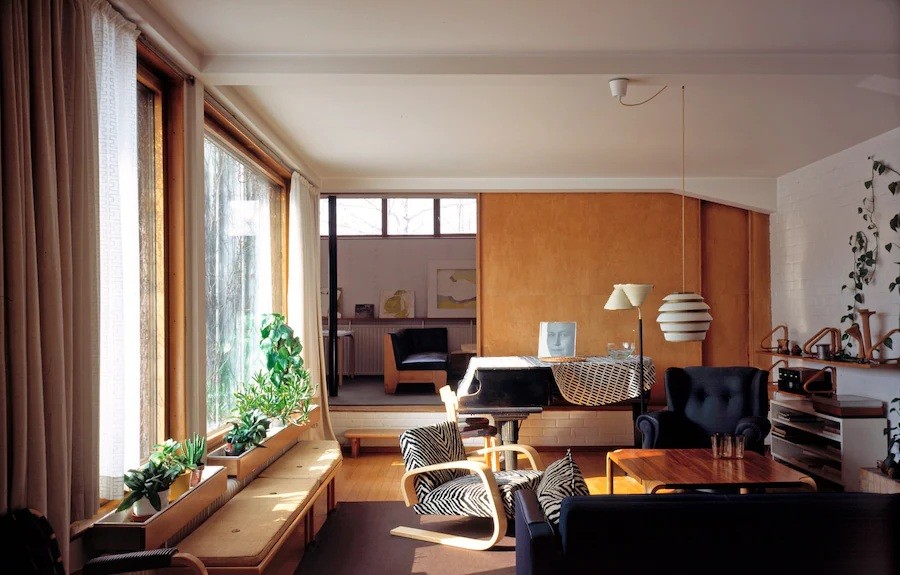
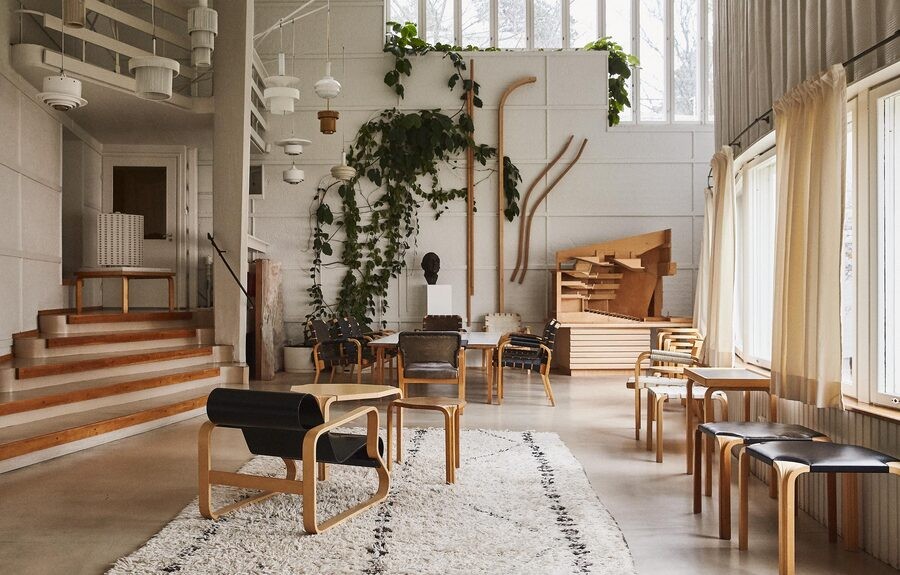
Aalto House Living Room- Alvar Aalto Museum
Studio Aalto in Helsinki, Finland-1995, Alvaro Aalto
photo: Maija Holma
Scandinavian Interiors: Beyond Minimalism, Closer to Life
When it comes to interiors, Scandinavian design is more than just a style, it's a way of life. From global brands like Muuto, Gubi, and IKEA to independent designers who weave philosophy into every project, Denmark, Norway, and Sweden together have shaped a school of design all their own. And its influence extends far beyond furniture or home accessories; it’s about creating spaces where form, function, and feeling exist in perfect balance.
Often described with words like minimalism, natural simplicity, and functionality, Scandinavian design is in fact much deeper. It draws from the cold climate of Northern Europe, the scarcity of winter light, and the quiet, introspective culture of the region. The result? Interiors that are not just beautiful, but calm, practical, and deeply human.
At its core lie a few guiding principles:
Conscious simplicity: not about stripping away, but about choosing with intent. Every element has a reason to exist.
Natural light: in low-light regions, design must invite brightness—through large windows, pale tones, and reflective materials.
Organic materials: wood, stone, wool, and linen bring warmth and honesty into the home.
Form follows function: beauty serves purpose, never the other way around.
A sense of calm: spaces meant to be lived in, not merely displayed.
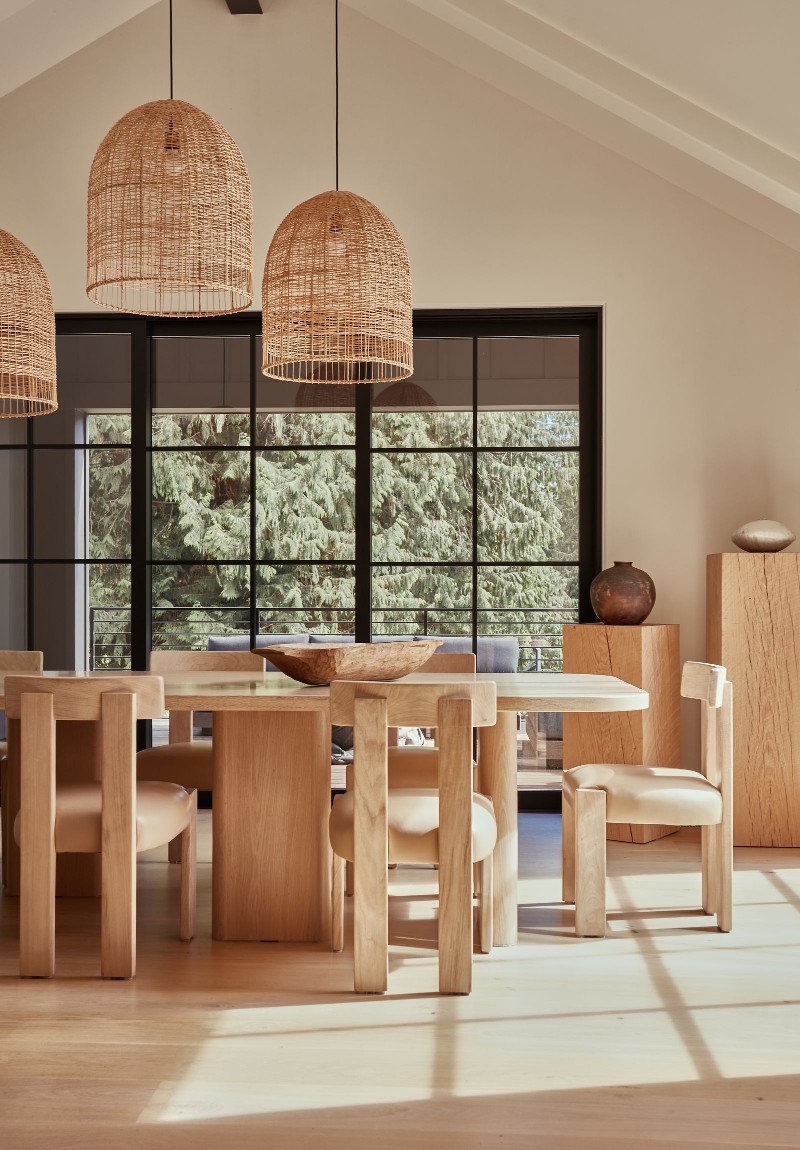
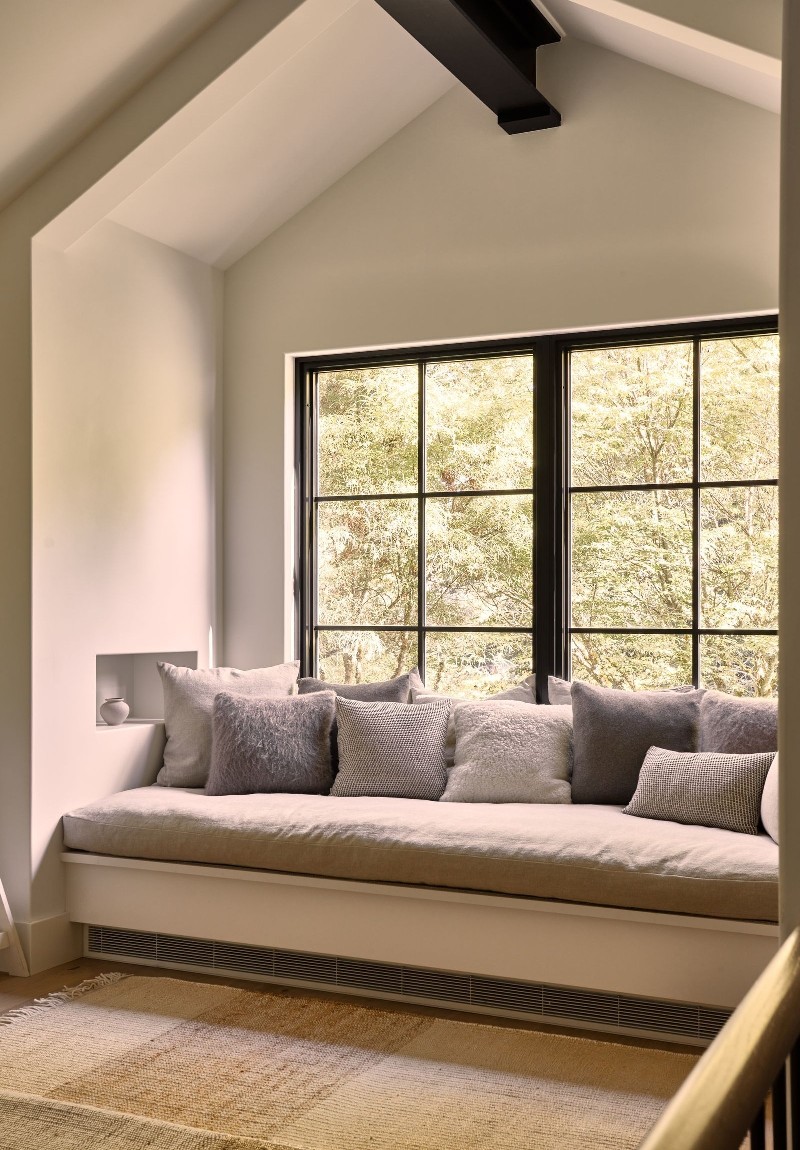
Photo: Erik-lefvander
Photo: Michael p.h. Clifford
Today’s Scandinavian designers are not only preserving these values but also redefining them. They’re breaking molds and fusing tradition with modern boldness, creating styles that feel both familiar and refreshingly new.
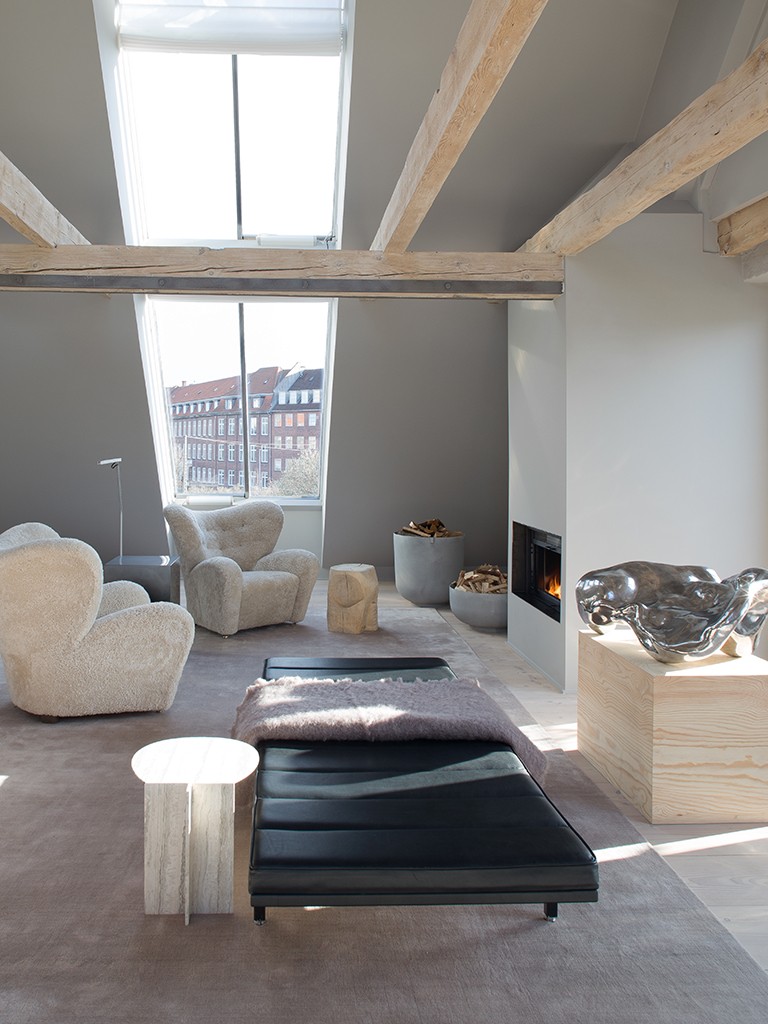
From the raw, sustainable architecture of Smau Arkitektur in Norway to the colorful, surreal forms of Gustaf Westman in Sweden; from the warm minimalism of Pernille Lind to the material-driven architecture of David Thulstrup each presents a personal interpretation of Scandinavia.
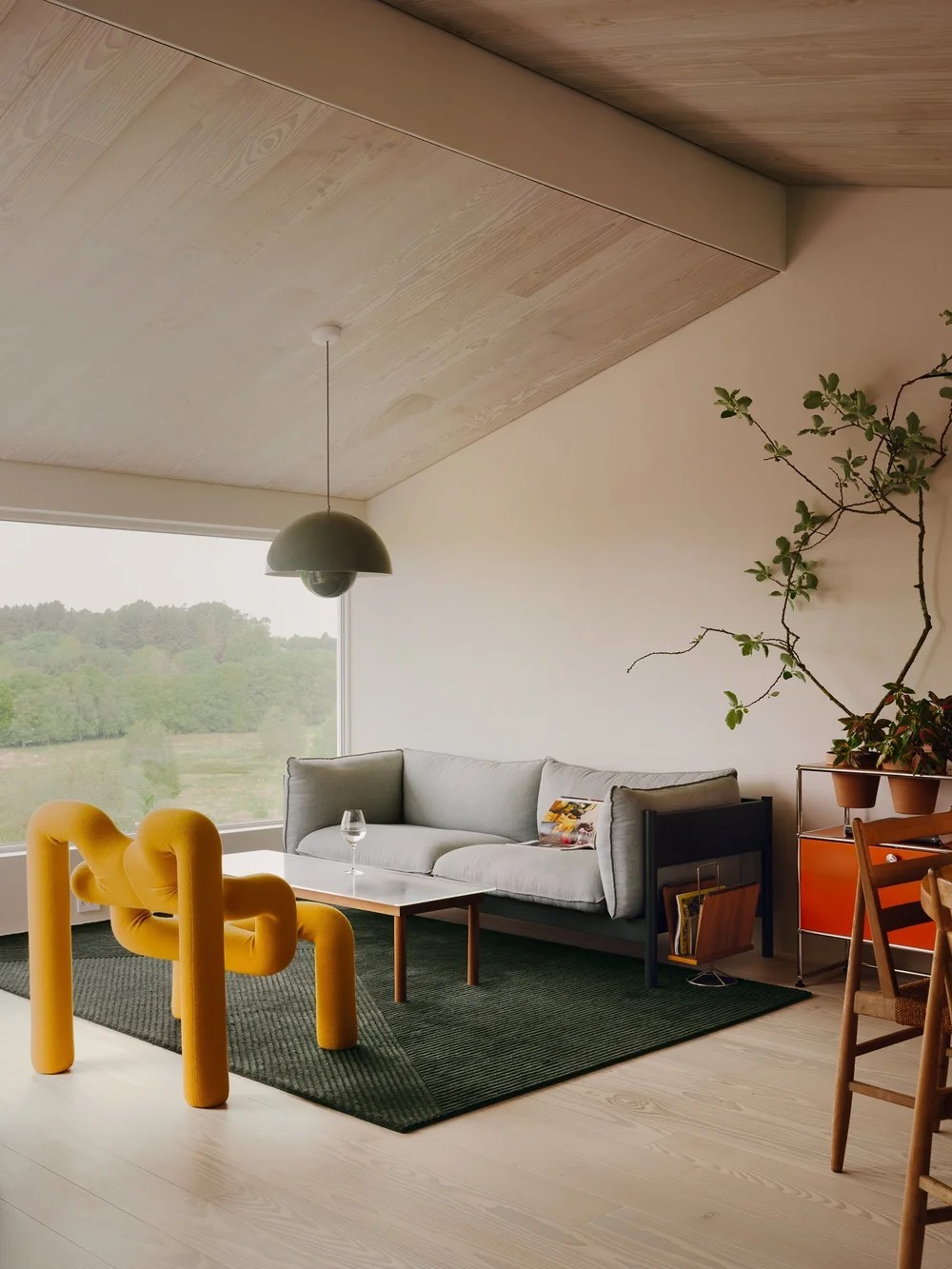
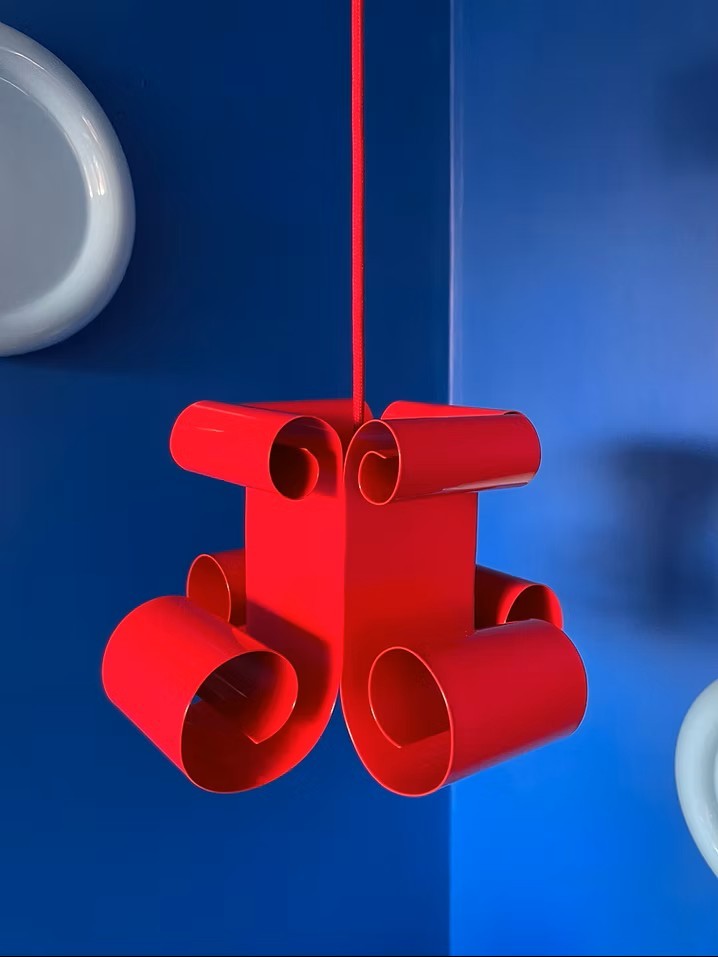
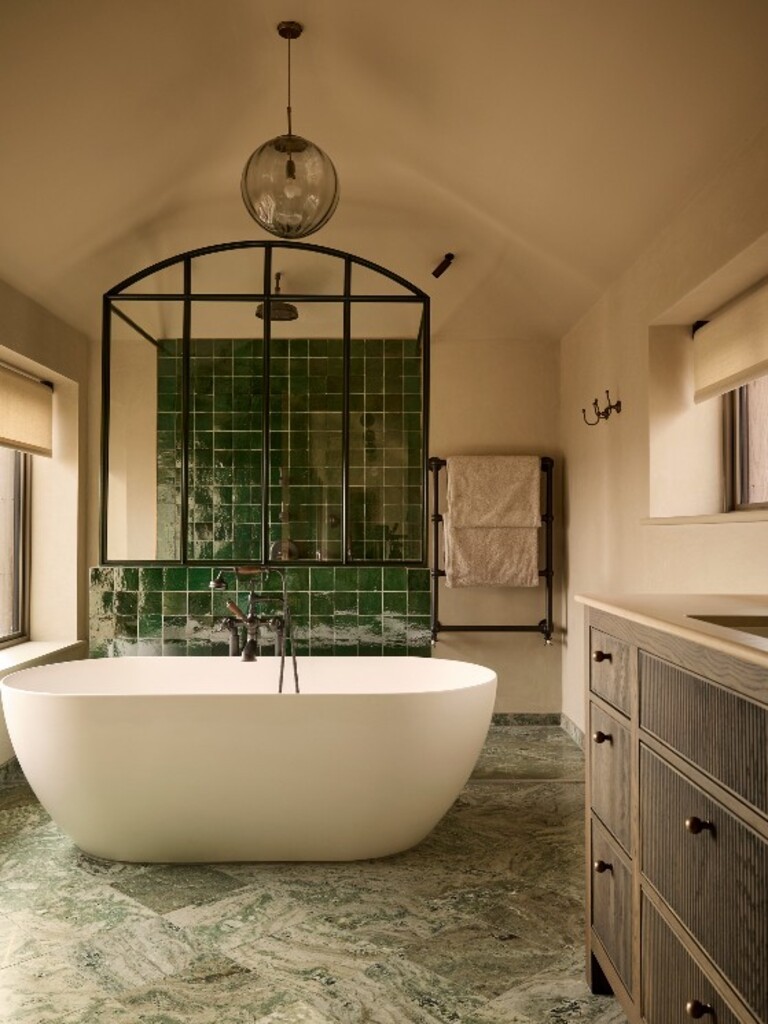
Smau Arkitektur
Gustaf Westman
Pernille Lind
David Thulstrup
Photo: Instagram
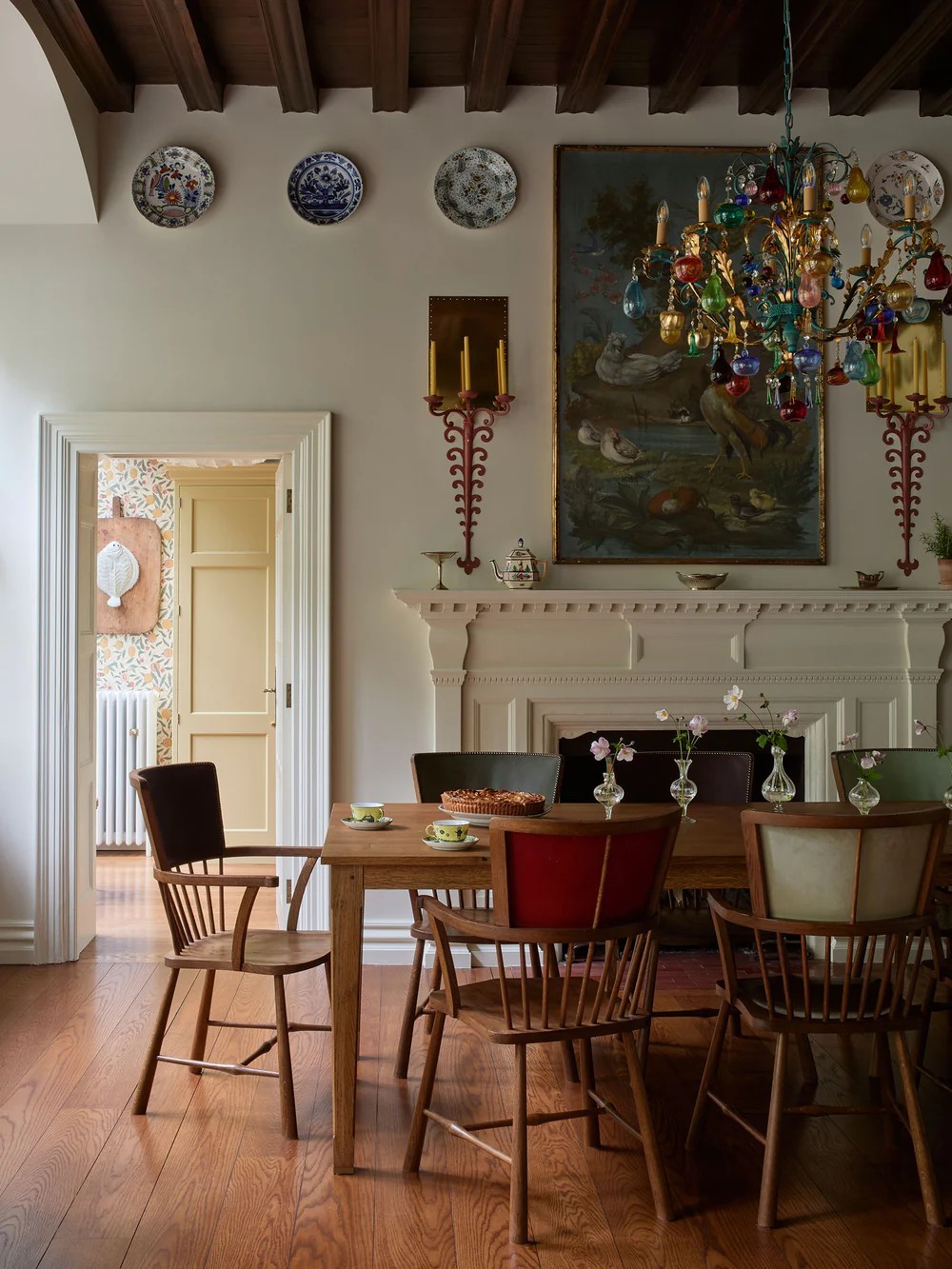
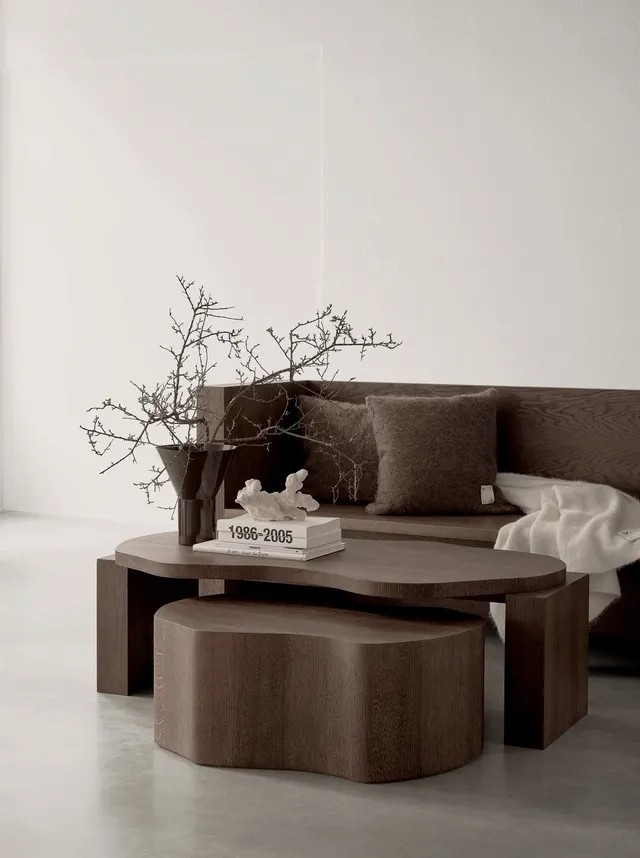
Some, like Beata Heuman, draw on Swedish folklore to create interiors that are both nostalgic and contemporary. Others, like Norm Architects, embrace a philosophy of soft minimalism: pared-back spaces that remain textured, warm, and human. And finally, Lotta Agaton brings a sculptural, earthy palette to the table, transforming Scandinavian design into a soulful embrace.
If, like us, you’re endlessly inspired by design, these are the names to keep on your radar not just for their visual beauty, but for the fresh perspectives they bring to living. Together, they show us that Scandinavian design is not a style; it’s a philosophy. And in a world full of noise, that philosophy might just be the calmest answer of all.
Whether you lean toward minimal spaces or vibrant, color-rich designs, these seven visionaries are shaping the future of Scandinavian living.
Beata Heuman
Lotta Agaton
Photo: Instagram
If natural textures, clean lines, and warm tones bring you a sense of ease, then Bjarte Sandal deserves a place on your design inspiration list. The Norwegian architect and founder of Smau Arkitektur has developed a style deeply informed by mid-century modern principles particularly the mantra form follows function while remaining firmly contemporary.
His studio strikes a delicate balance between tradition and innovation: integrating modern construction techniques, sustainable materials, and designs that, in their simplicity, carry meaning. As Sandal explains:
“We draw inspiration from the quiet strength of Scandinavian heritage, simple forms, precise detailing, and a deep respect for context. Whether we’re adding a modern layer to a historic home or creating a new space in a rural landscape, our goal is to design environments with a timeless quality: rooted in the past, yet open to the future.”
For those who seek spaces that speak in silence and shine through simplicity, Smau Arkitektur is a name to follow.
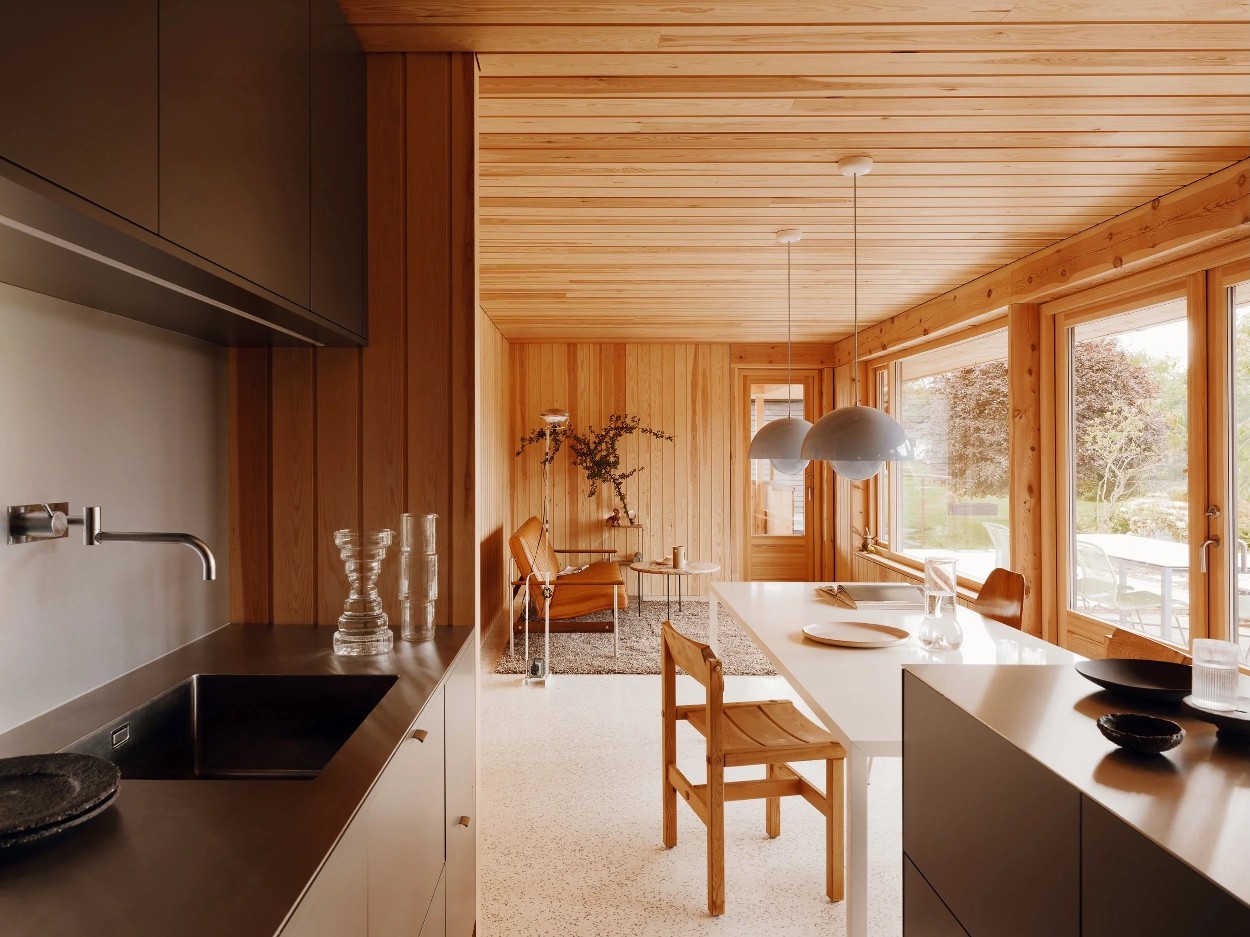
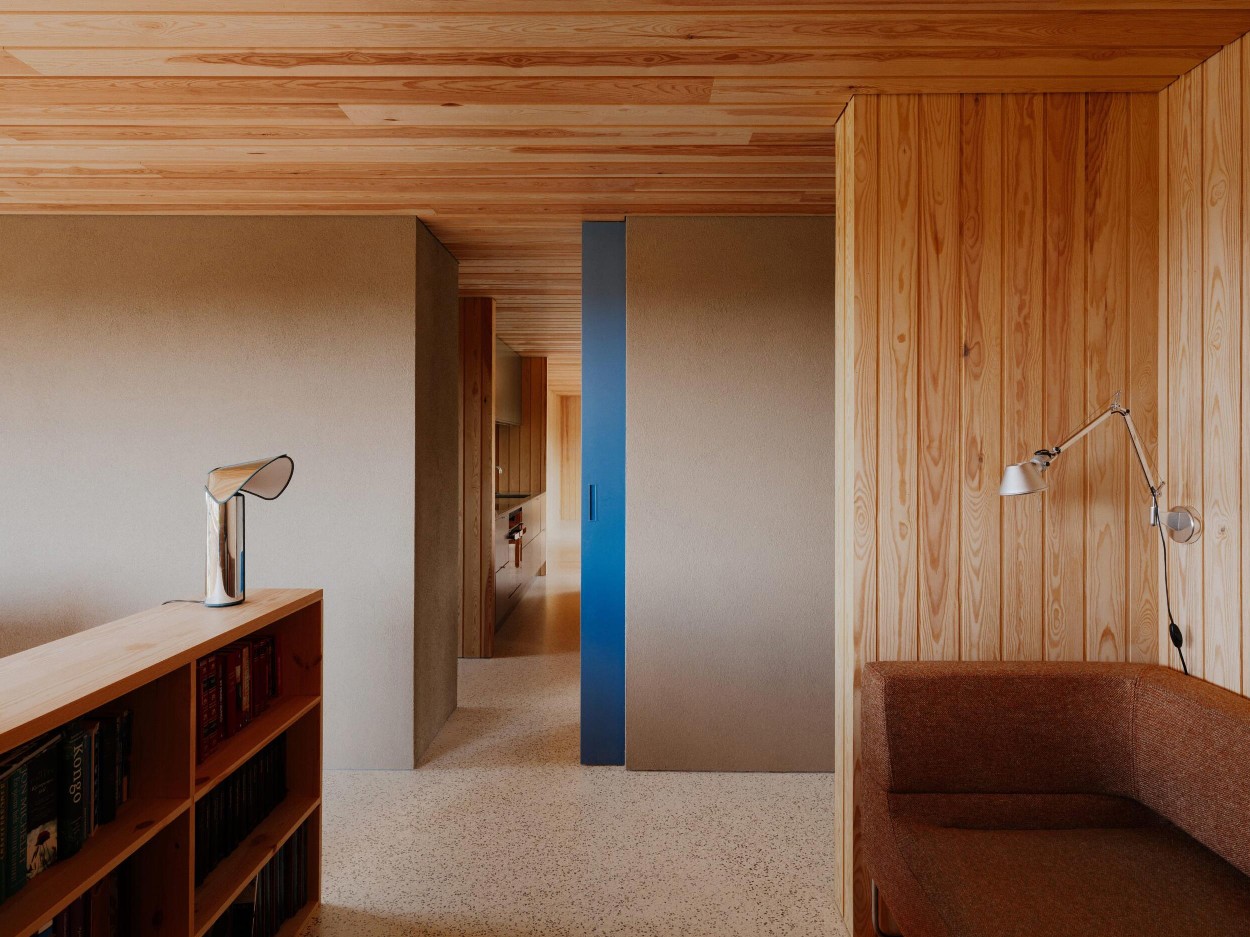
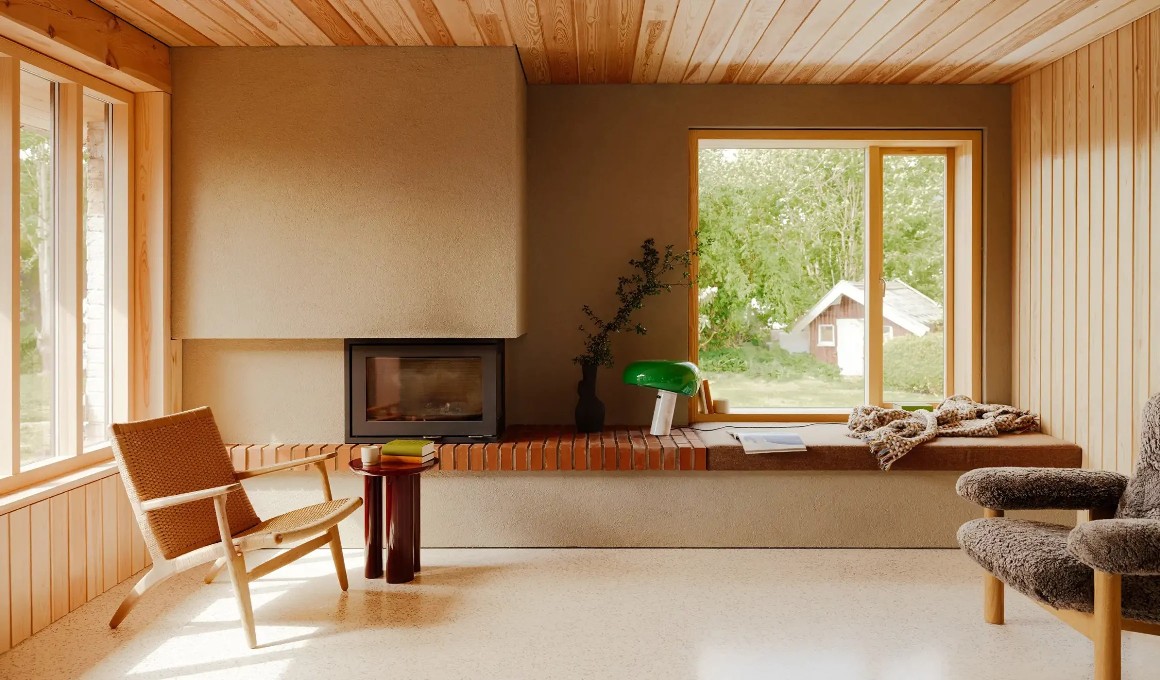
Smau Arkitektur, house renovation
Photo:Einar Aslaksen
If you thought Scandinavian design meant only neutral tones and quiet minimalism, it’s time to think again. Swedish interior designer Gustaf Westman brings a bold, playful lens to the genre, redefining it with color, form, and a sense of humor that pushes the boundaries of tradition.
Deliberately stepping away from classic minimalism, Westman embraces a whimsical, unapologetic style, designs that are not only seen but felt. His eponymous furniture brand, with its chunky curves, pastel hues, and glossy finishes, is rapidly becoming one of the most distinctive names in Scandinavian design.
This approach breathes new life into interiors infusing them with energy, personality, and a hint of the surreal. Imagine Barbie’s dream house colliding with Bauhaus geometry: pieces that spark joy and radiate courage in equal measure.
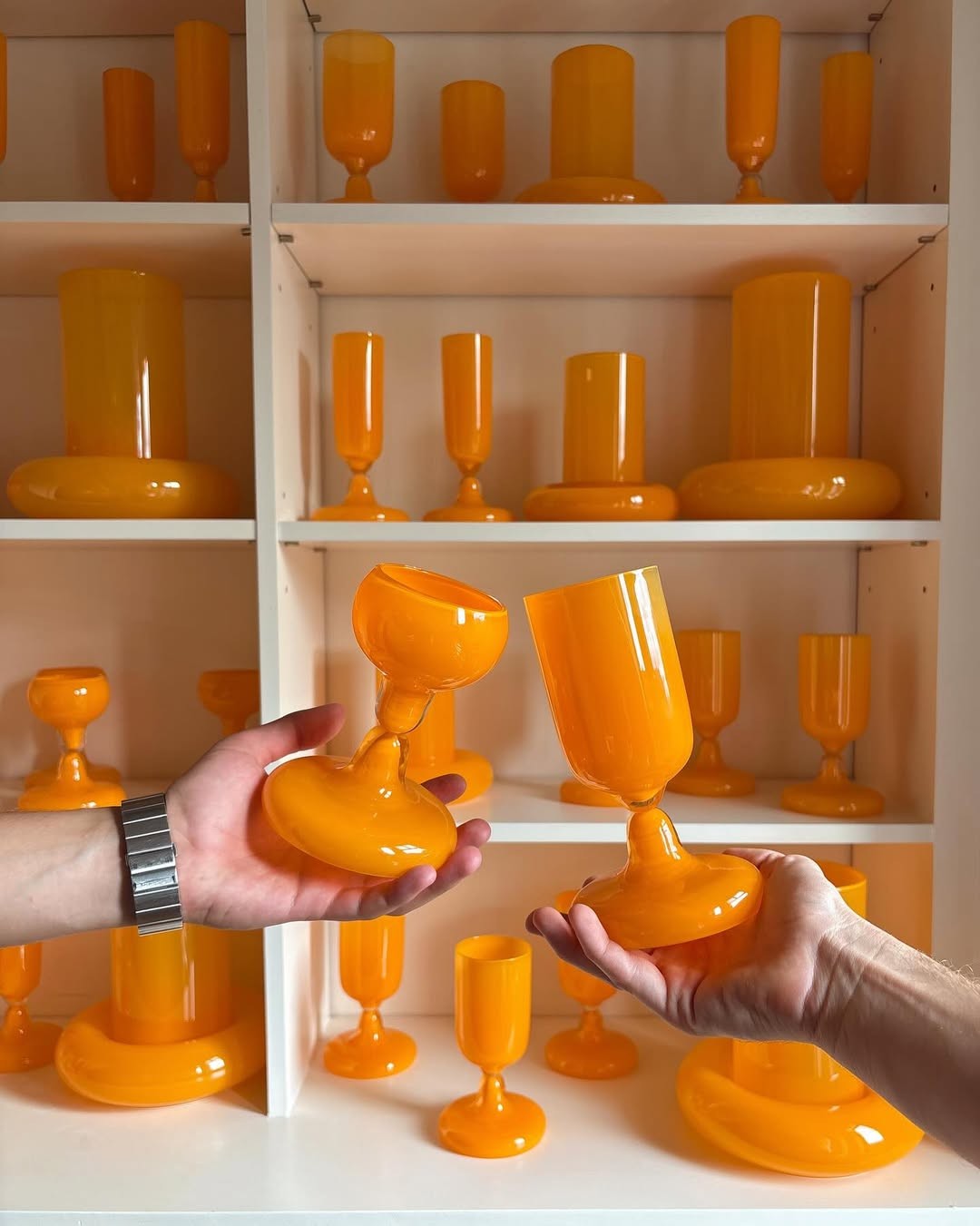
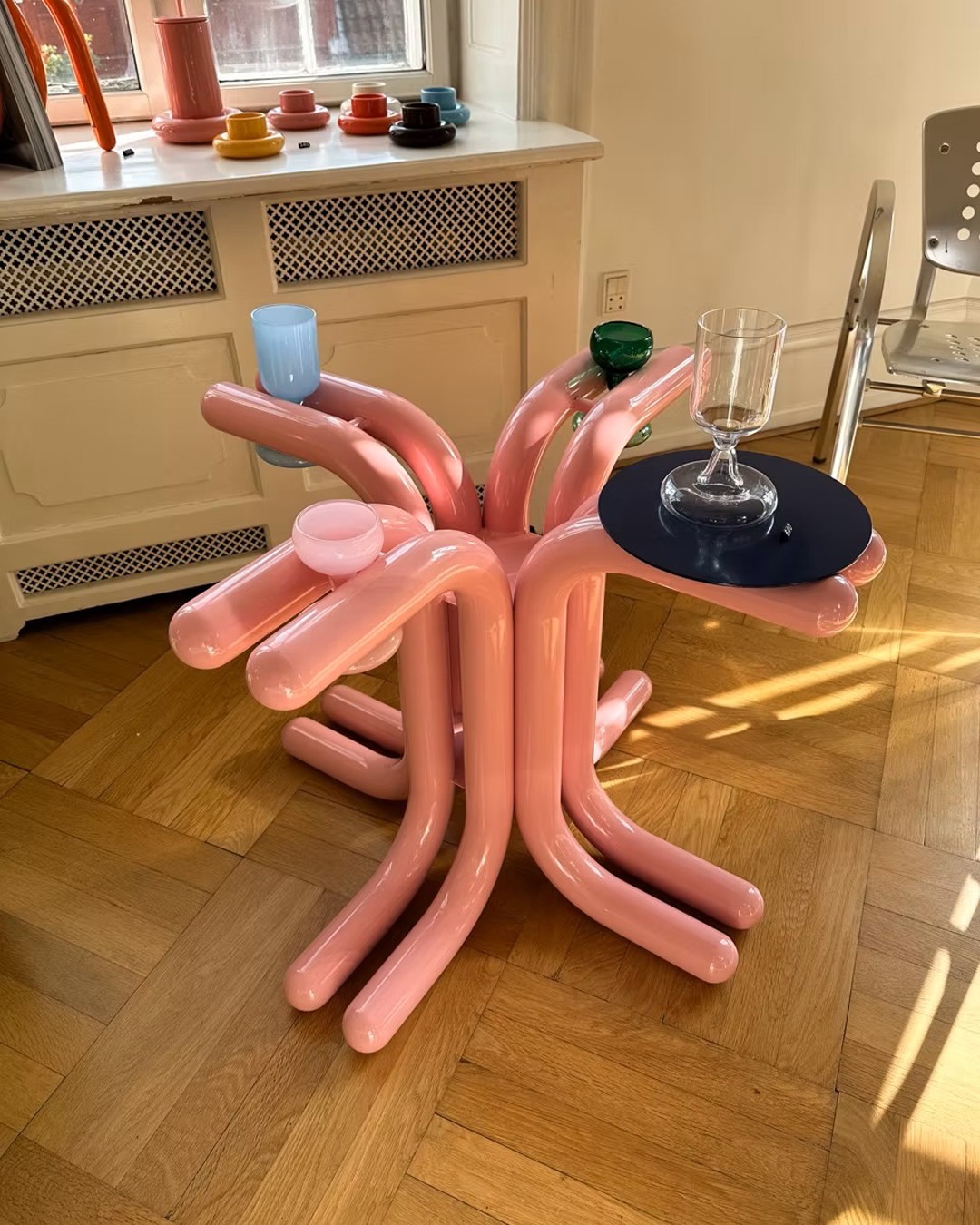
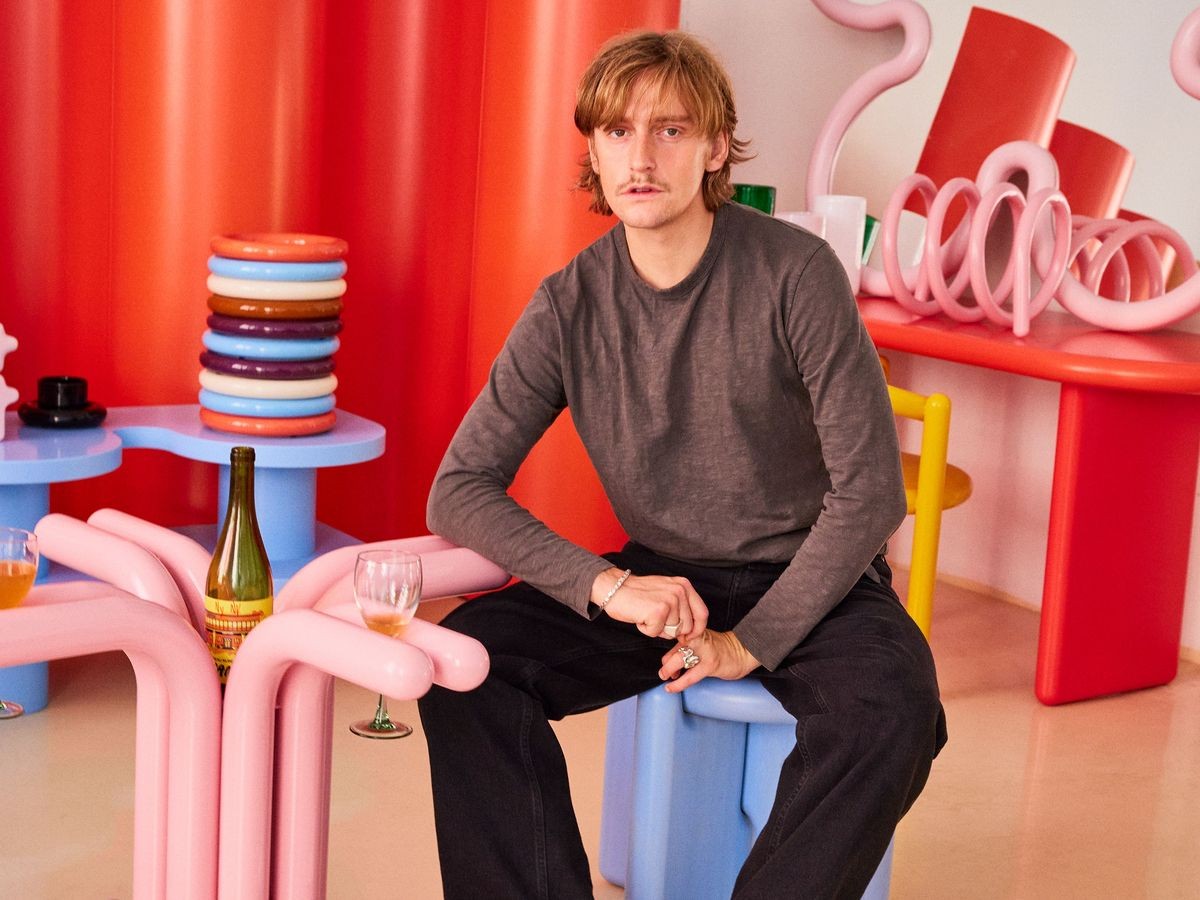
Gustav Westman
Photo: Instagram
Lotta Agaton Studio, based in Stockholm, is grounded in the authentic principles of Scandinavian design where wood, stone, and natural textures meet contemporary forms to create spaces that are both rooted and daring. In her interiors, art, sculpture, and lighting play complementary roles: modern elements seamlessly integrated into tradition.
Agaton’s style appeals to lovers of Scandinavian design who seek a dark, earthy, and refined elegance. Warm, natural tones transform spaces into tranquil cocoons, where every corner feels like a soft embrace, inviting you to linger. If Scandinavian bedroom design captivates you, her Instagram feed can serve as your personal moodboard.
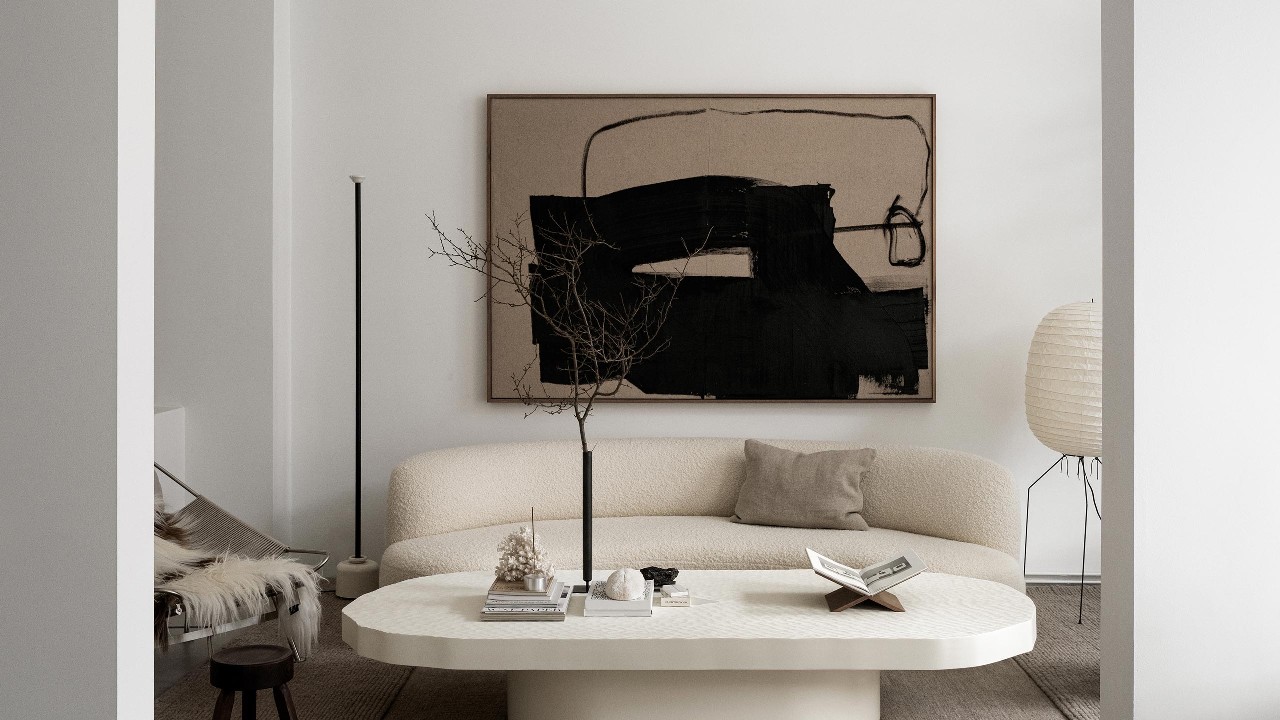
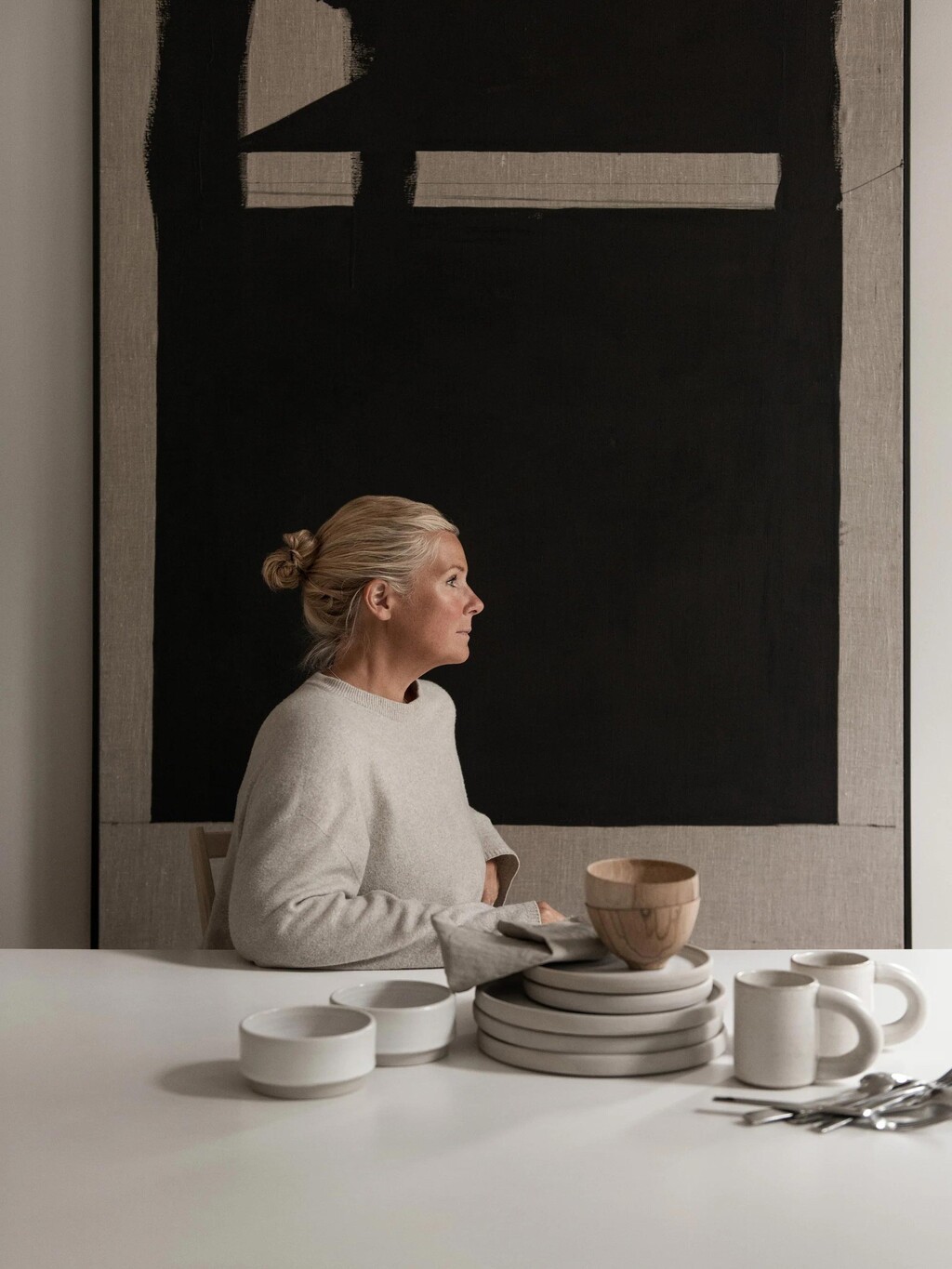
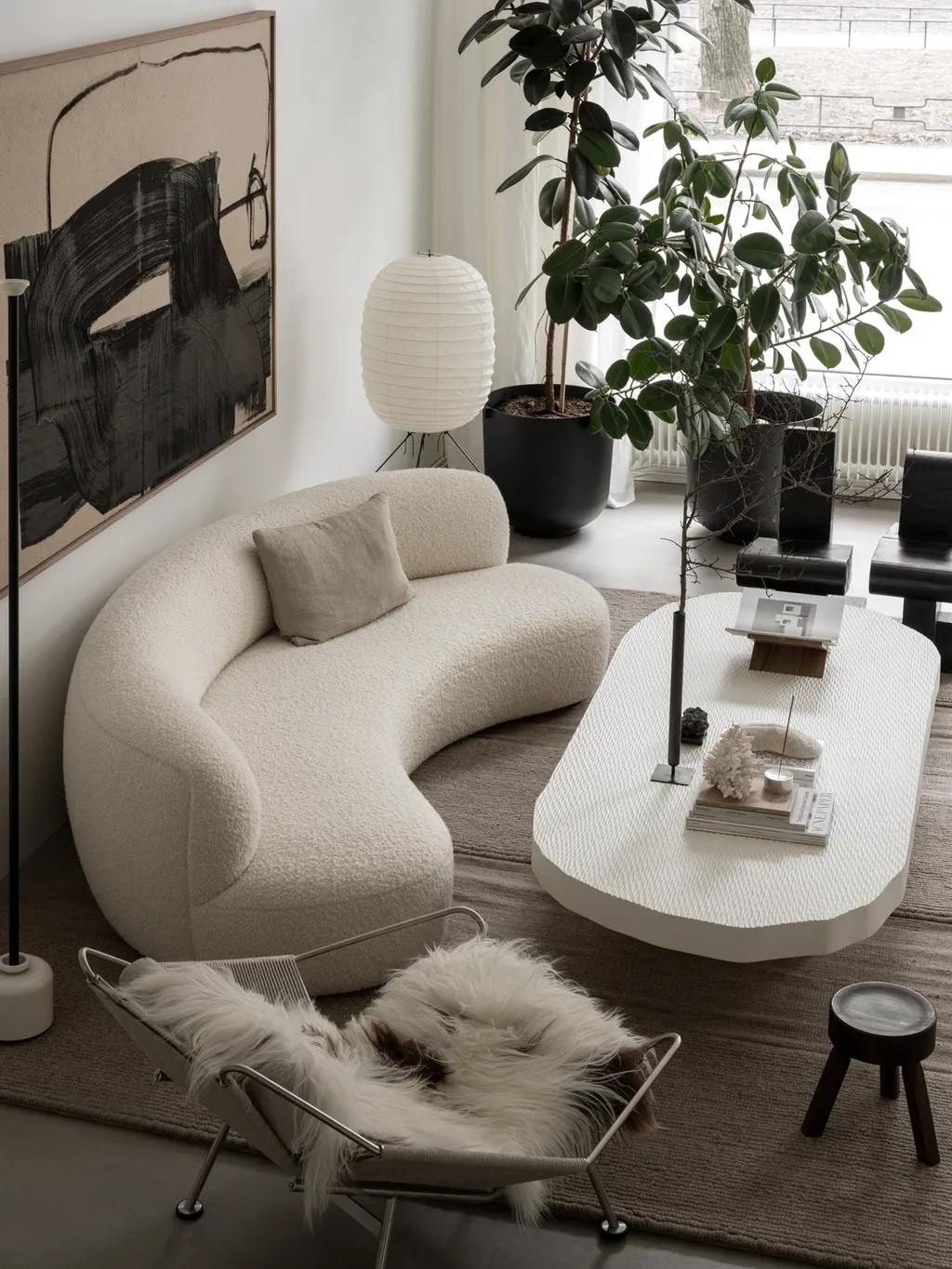
Lotta Agaton
Photo: lottaagaton.se
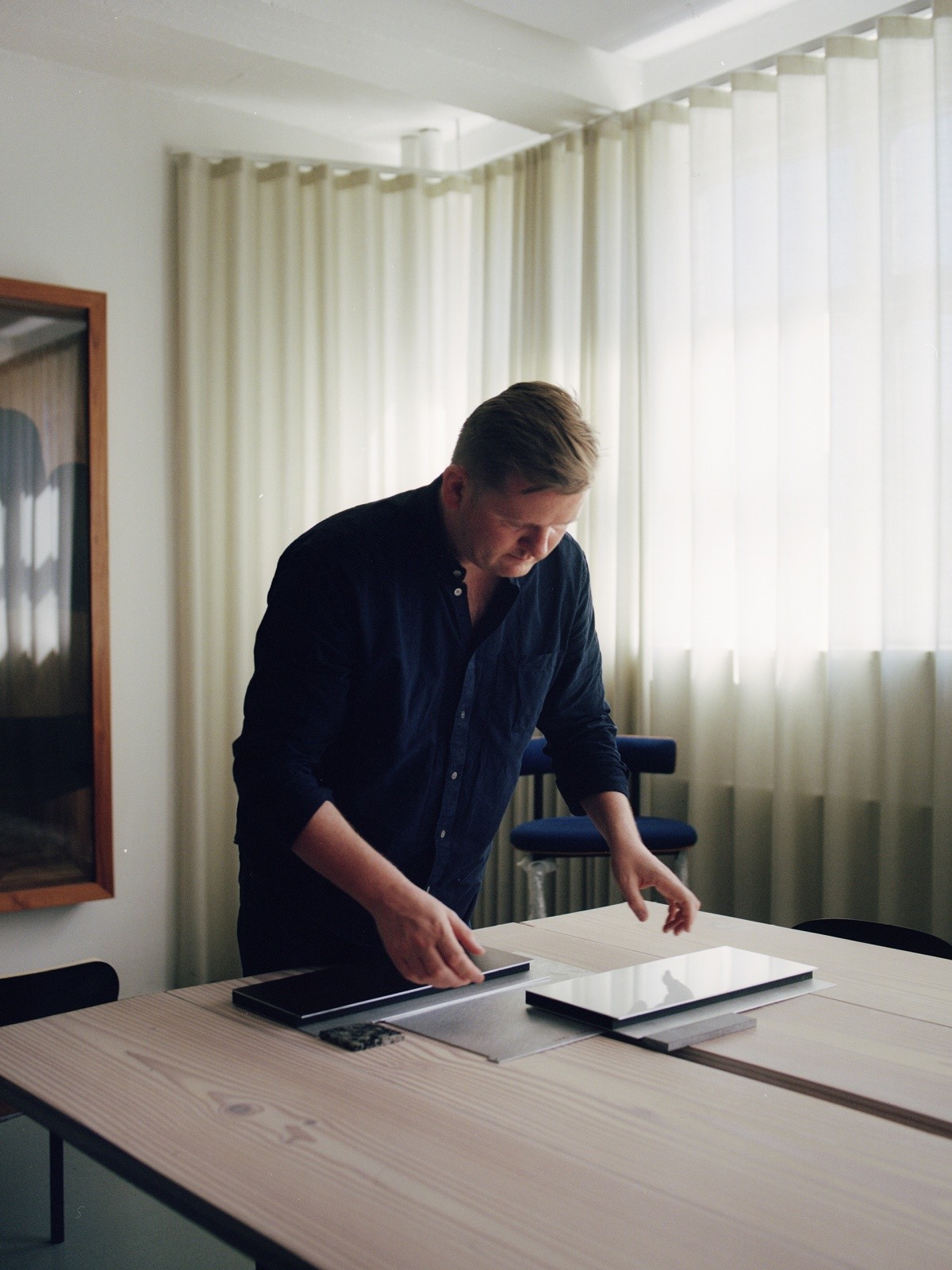
In the realm of Scandinavian interior design, David Thulstrup is a name that crafts depth through silence. This Danish architect has created a style that, while minimalist, is profoundly rich rooted in materials, where every project becomes a dialogue between past and present.
His work weaves Scandinavian heritage with contemporary elements, producing spaces that are textured, alive, and quietly luxurious. One of his landmark projects was the transformation of a 218-year-old skins warehouse in Copenhagen into four distinctive apartments retaining features such as exposed timber beams while reinterpreting them within a modern context.
Speaking of the project, Thulstrup explains: “I wanted to reveal the building’s inherent beauty with a pared-down palette of essential materials, plastered walls, plain pine boards, and Finnish stone not to replicate the past, but to embed the future within it.”
In Thulstrup’s designs, the past is not forgotten but reimagined and revisited with boldness and precision rather than nostalgia. For those seeking spaces that shine in silence and live through texture, Studio David Thulstrup is one to watch.
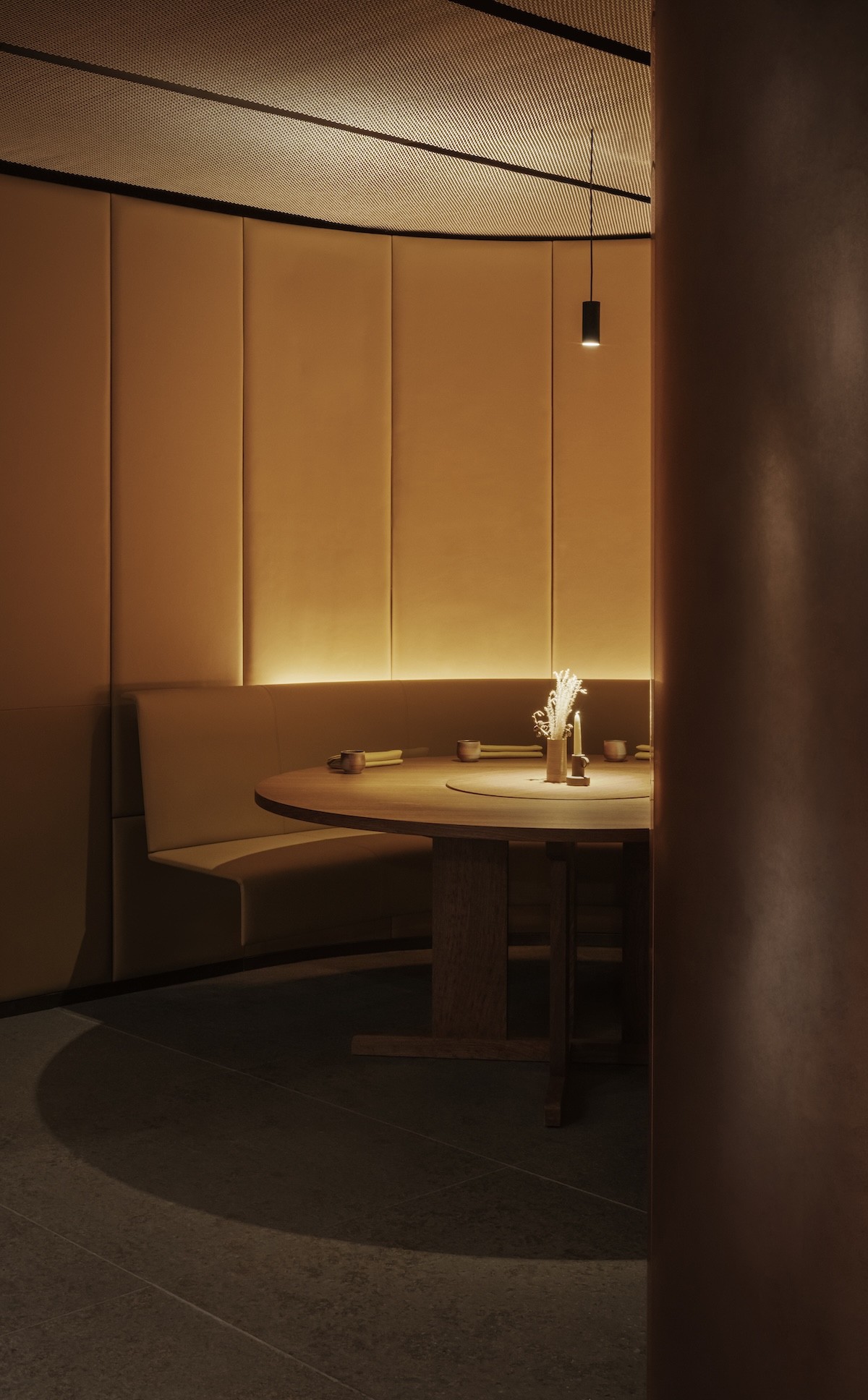
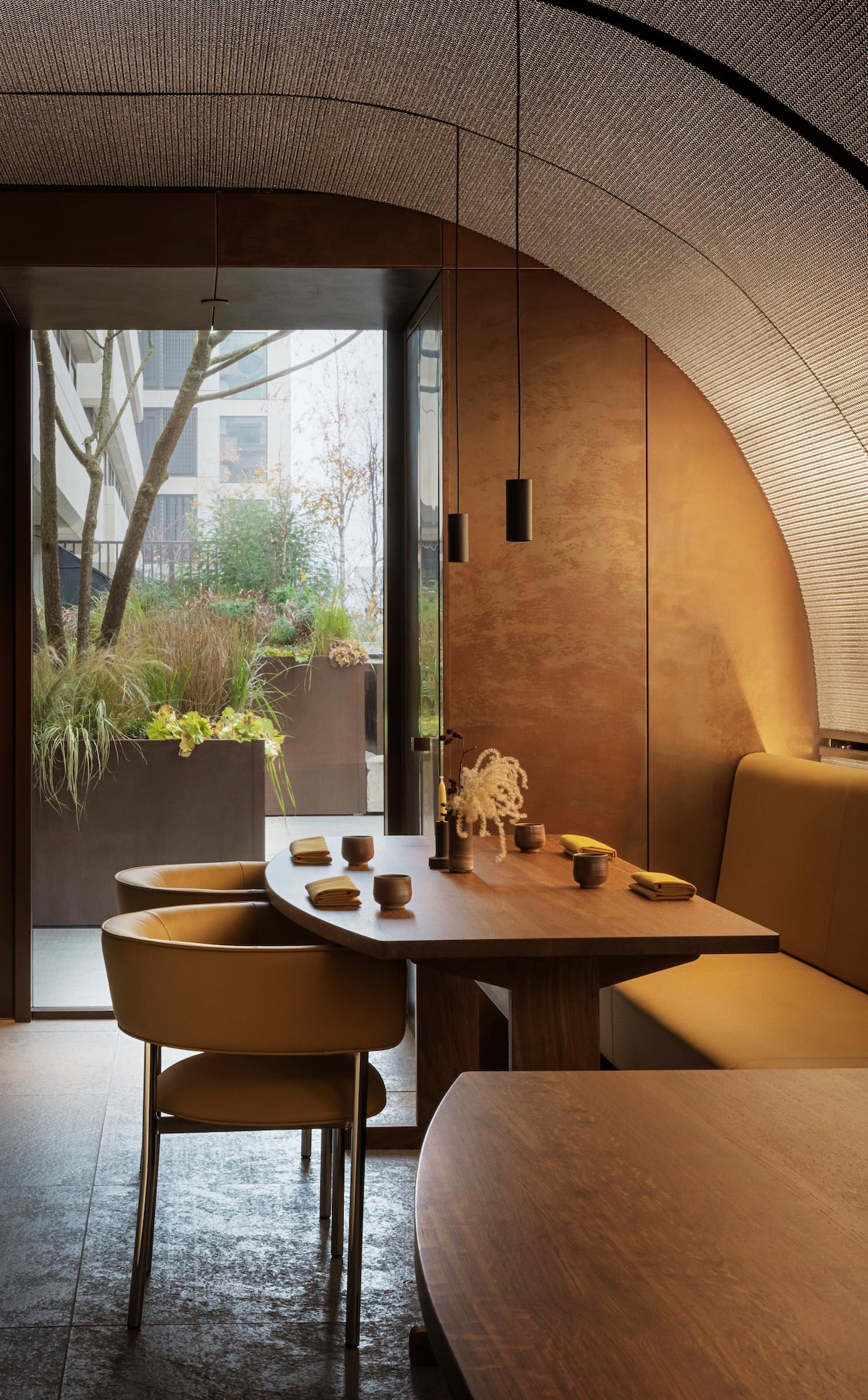
Noma restaurant, David Thulstrup
Photo:Irina Boersma
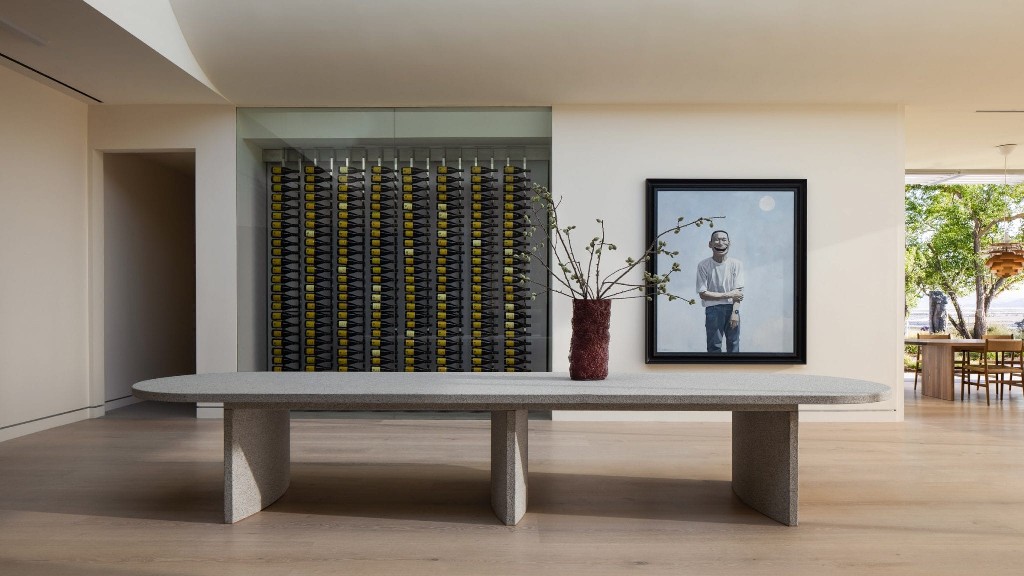
David Thulstrup,The Donum House
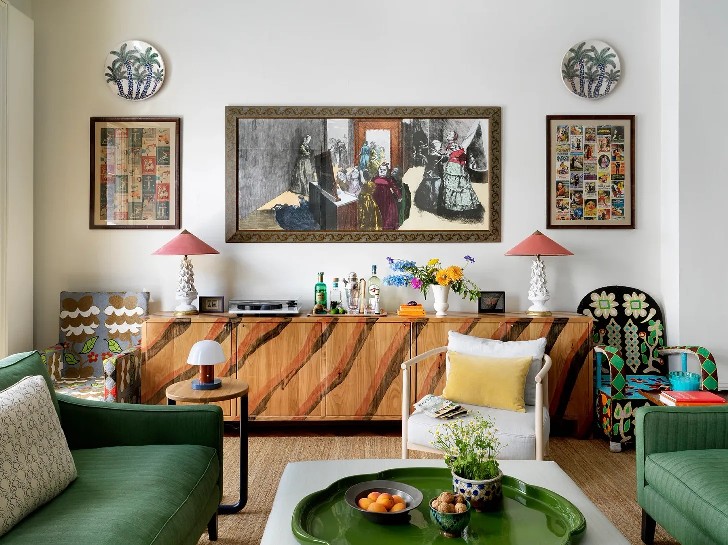
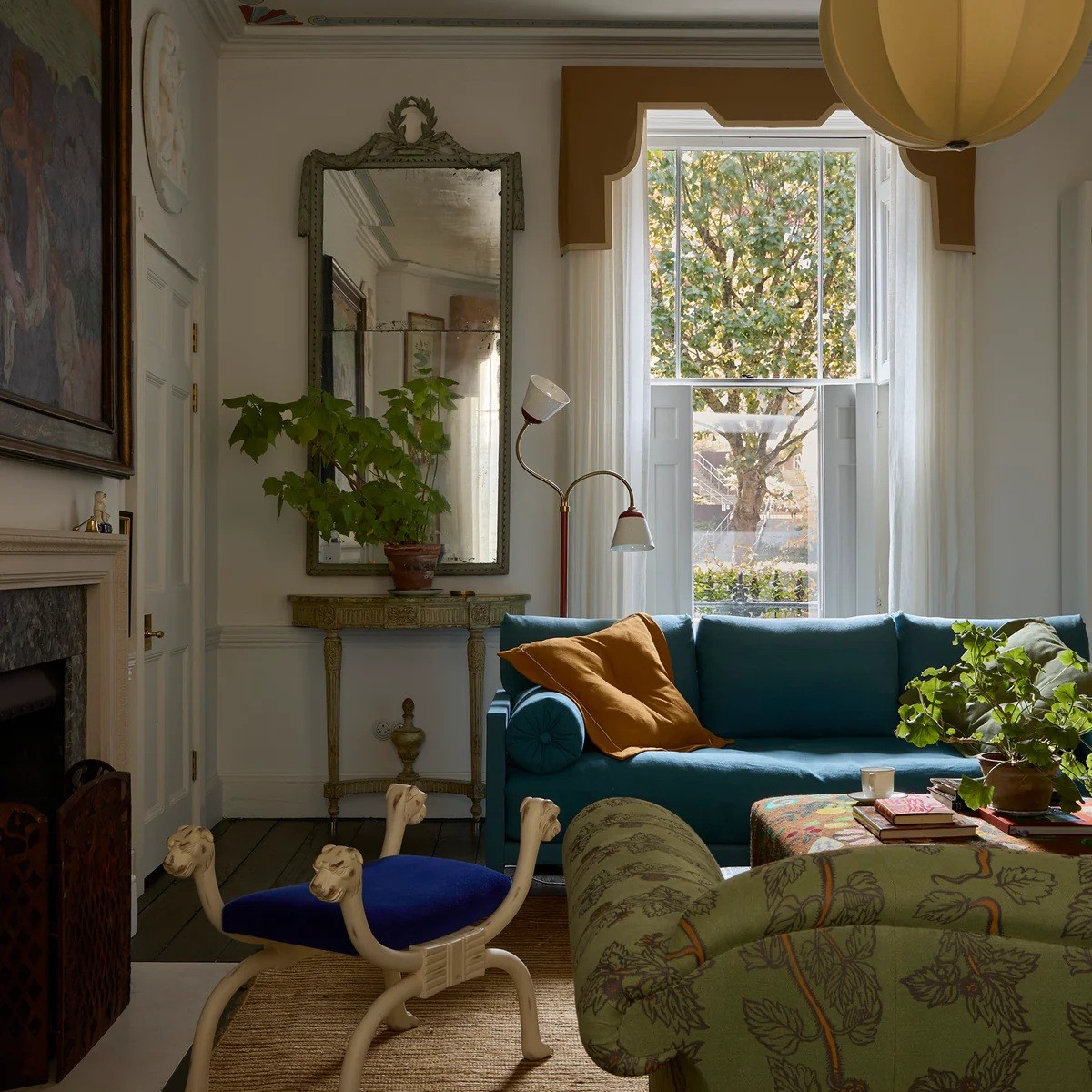
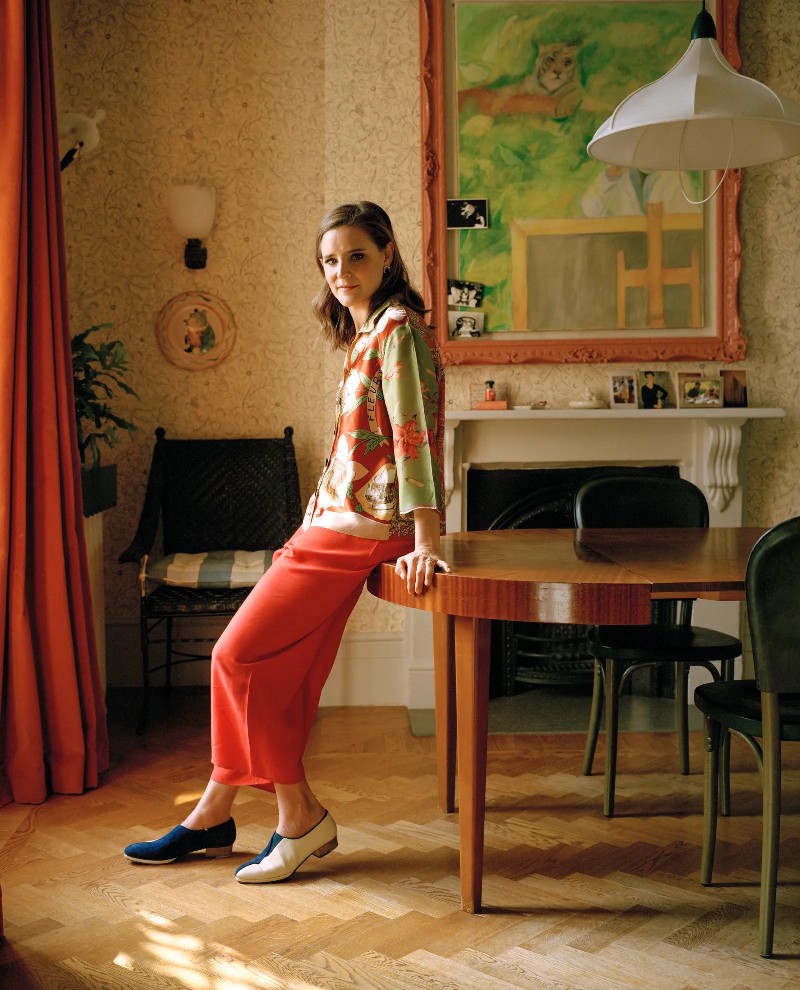
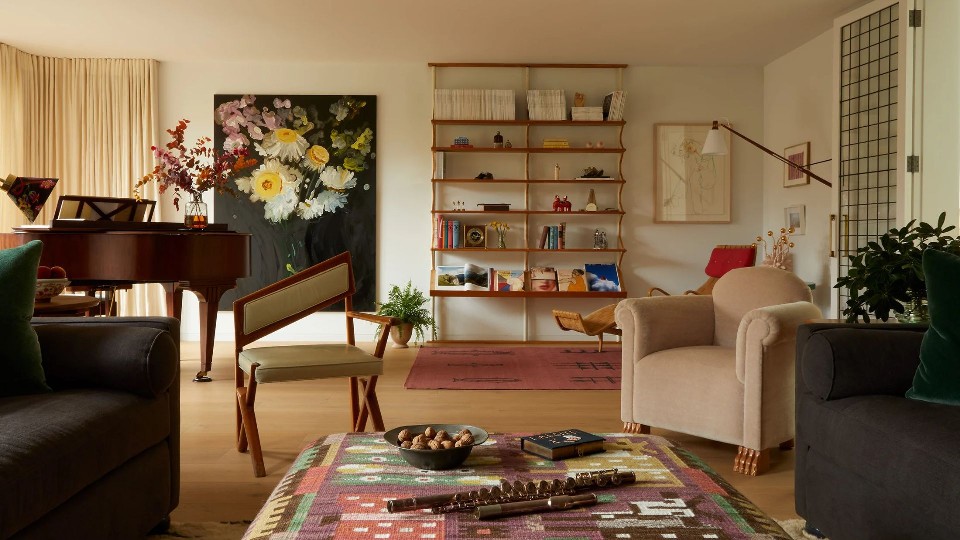
Among Scandinavian-born interior designers, few are as recognized and influential as Beata Heuman. Though now based in London, her Swedish roots remain deeply woven into her work, a style that does not abandon tradition, but rather reimagines it.
Her Instagram feed reveals interiors infused with the spirit of Swedish folklore: rooms full of character, texture, and rustic charm, yet interpreted through a modern, contemporary lens. This approach could be called Neo-Scandinavian, a design language where rich patterns, warm colors, and lively details create spaces that feel both inviting and lived-in.
Heuman’s designs are not only visually striking, but also narrative-driven spaces that touch the past while fully inhabiting the present. For those seeking inspiration that is at once traditional and boldly unconventional, her work is essential to follow.
Beata Heuman
Photo: Instagram
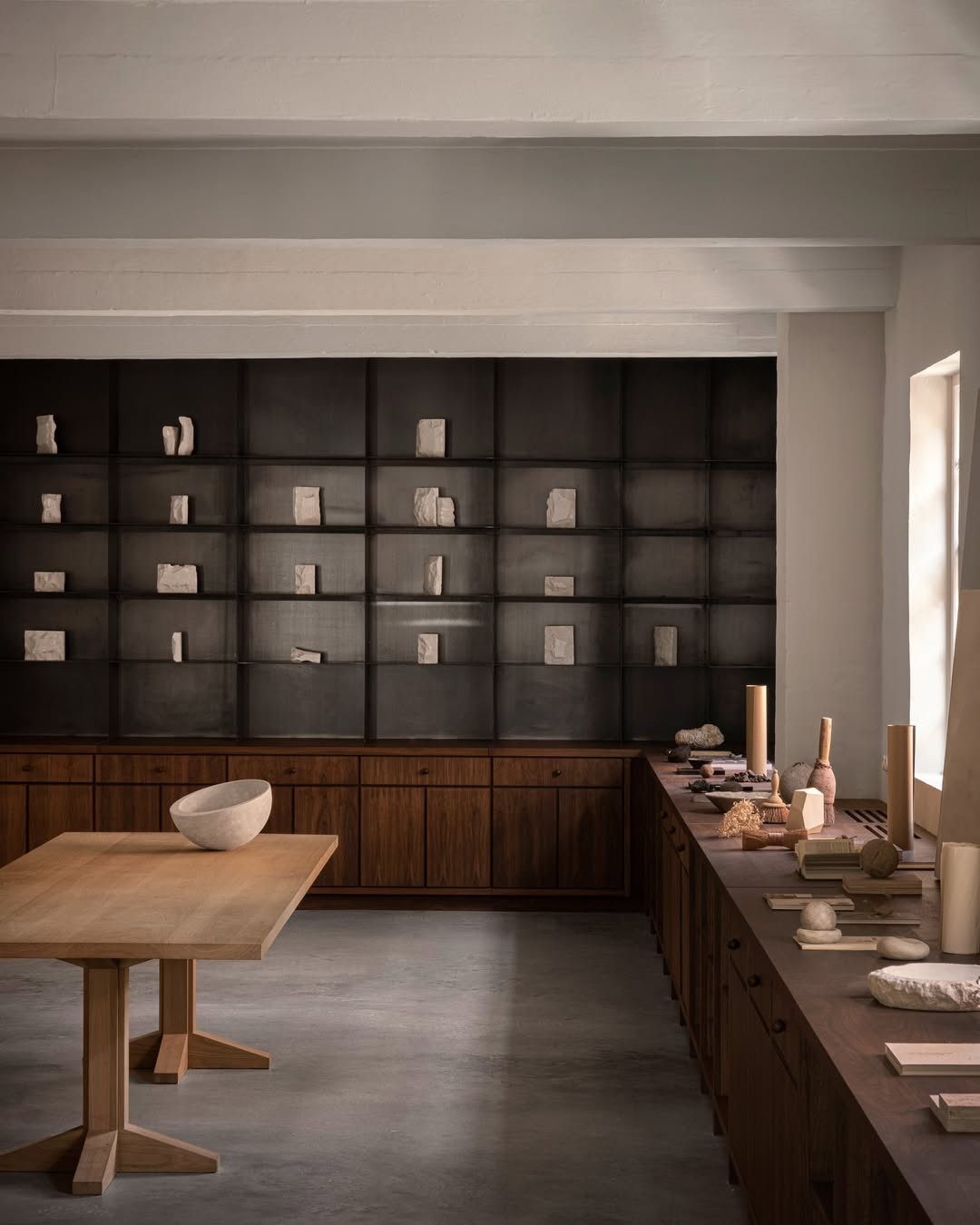
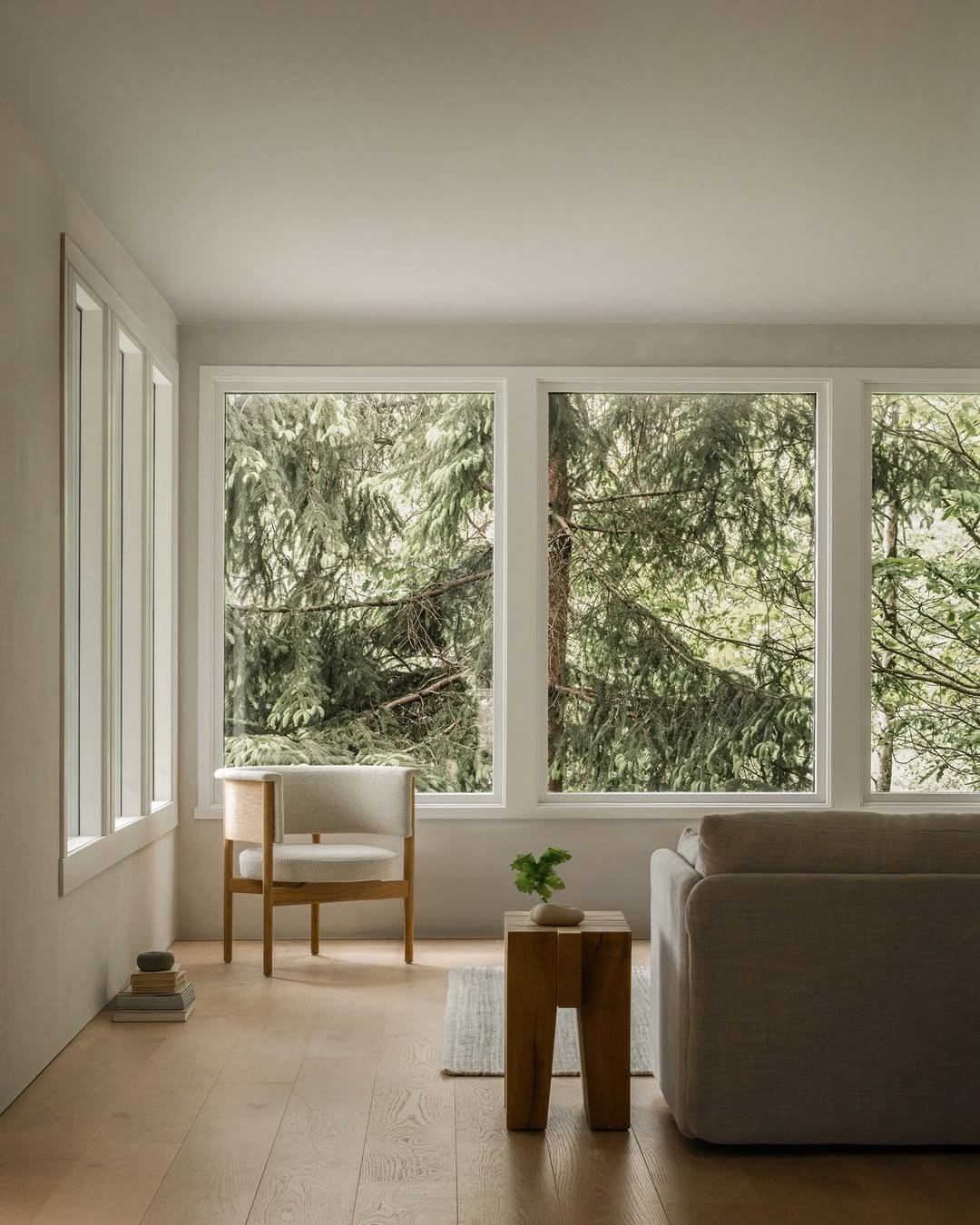
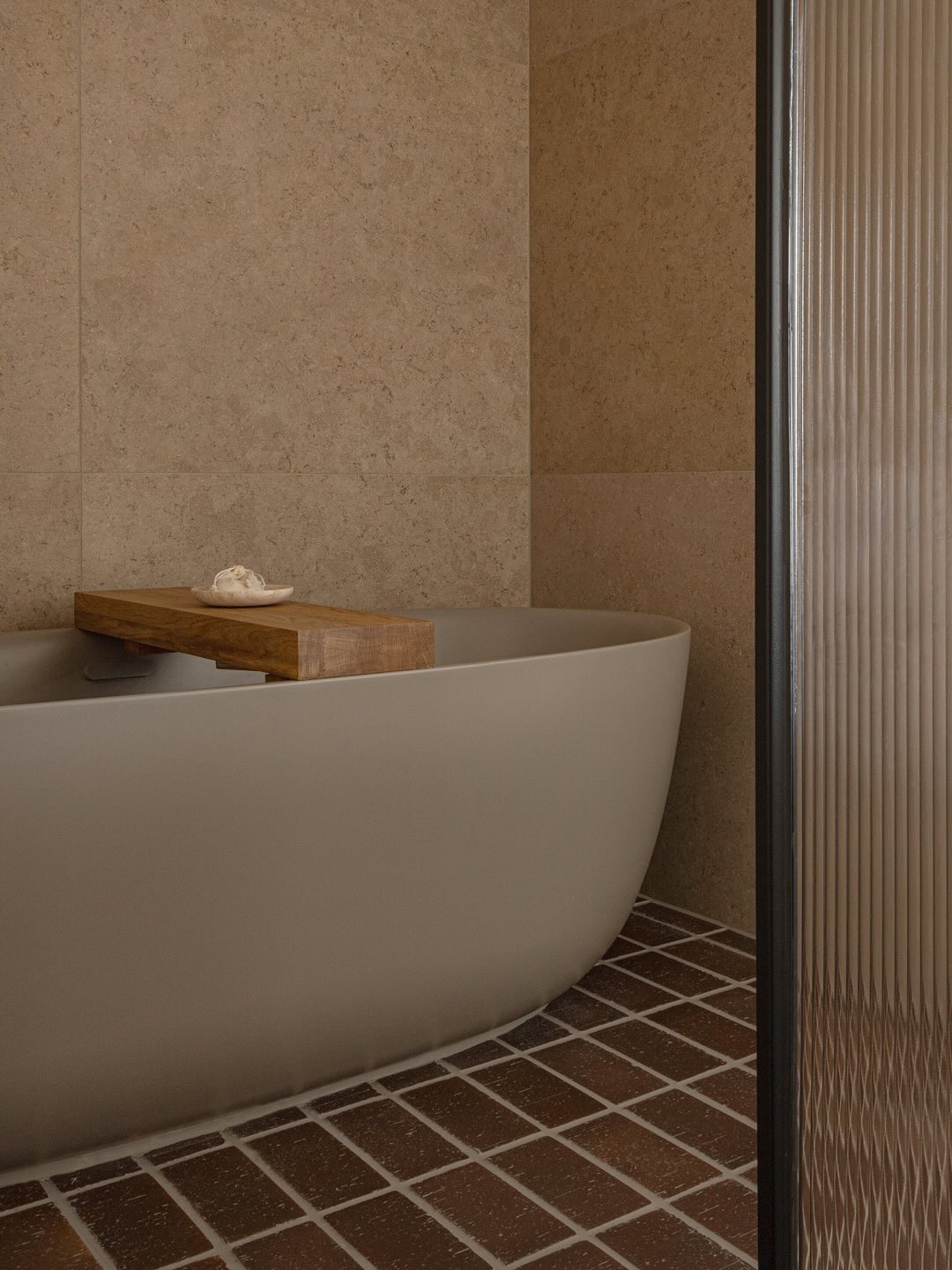
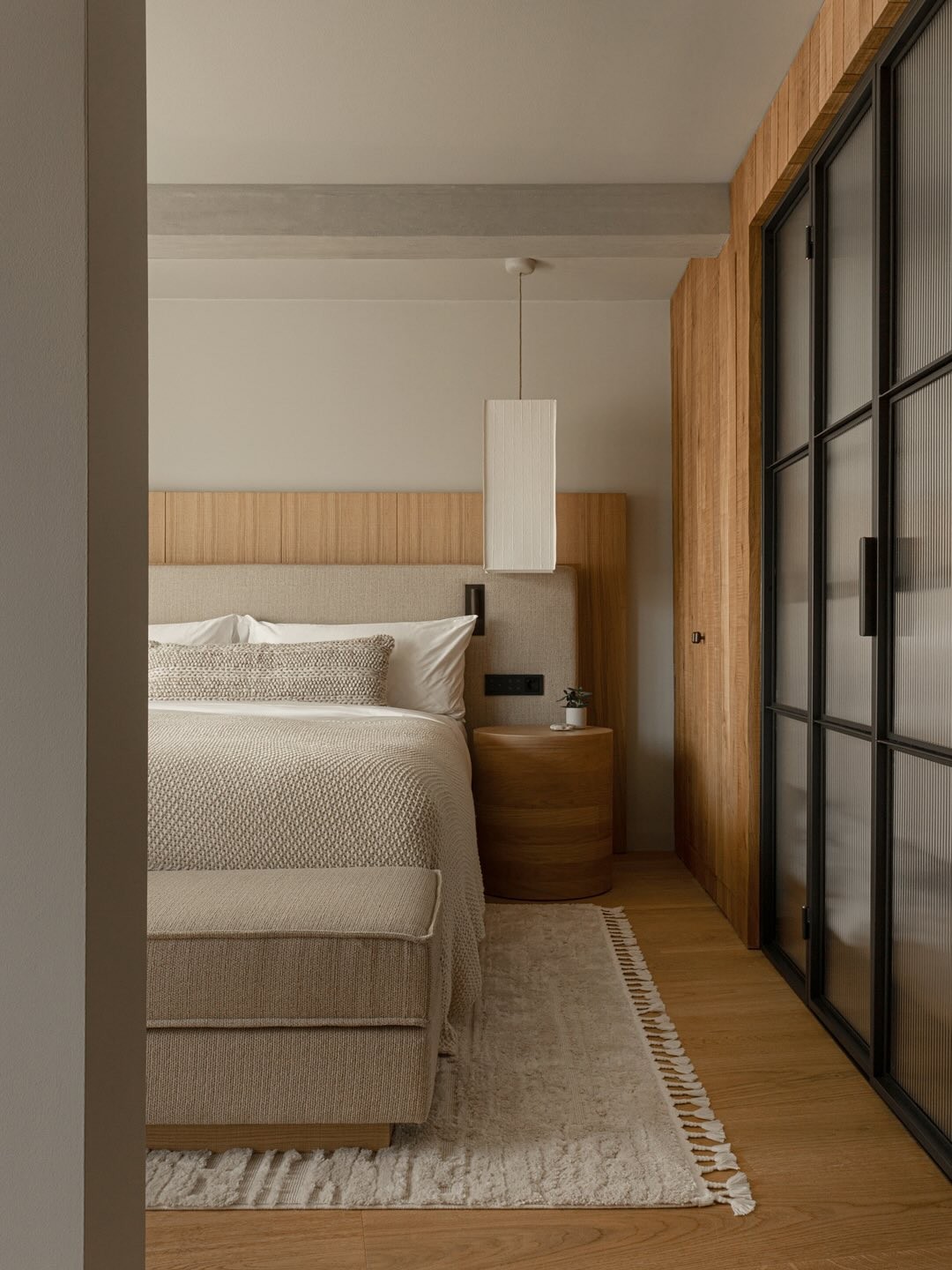
For many, Scandinavian style is synonymous with simplicity and muted tones and the Danish studio Norm Architects embodies this very definition with precision, subtlety, and a deeply human philosophy. Based in Copenhagen, the studio is led by Frederik Werner, Jonas Bjerre-Poulsen, Kasper Rønn Von Lotzbeck, Katrine Goldstein, Peter Eland, and Sofie Thorning designers who not only believe in the principle of “form serving function” but practice it in every project they undertake.
Their work is grounded in a human-centered approach: spaces created not to be showcased alone, but to genuinely support the rhythms of everyday life. Their signature style, known as Soft Minimalism, is a visual language that balances clarity with texture, warmth, and honesty.
As the team explains: “Our goal is to distill form to its very essence expressed in a soft, warm, and tactile language. Instead of adding superfluous decoration that demands attention, soft minimalism is about refining space to its purest state, while preserving its human and intimate character.”
If you are drawn to environments that shine quietly, carry meaning in their simplicity, and embody respect for human presence at every level of design, Norm Architects deserves a place on your inspiration radar.
Norm Architects
Photo: Instagram
Though Pernille Lind Studio is based in London, its design DNA draws from elsewhere a fusion of Danish and Thai heritage that infuses every space with calm, precision, and understated elegance. Her approach to minimalism is not cold but warm and tactile; spaces that feel at once simple and luxurious, contemporary yet inviting.
Her studio is recognized for its refined blend of clean lines, neutral palettes, and layered textures always with an emphasis on function and simplicity. What truly sets Lind apart, however, is her narrative-driven perspective: every project is conceived as a unique story with its own journey and character.
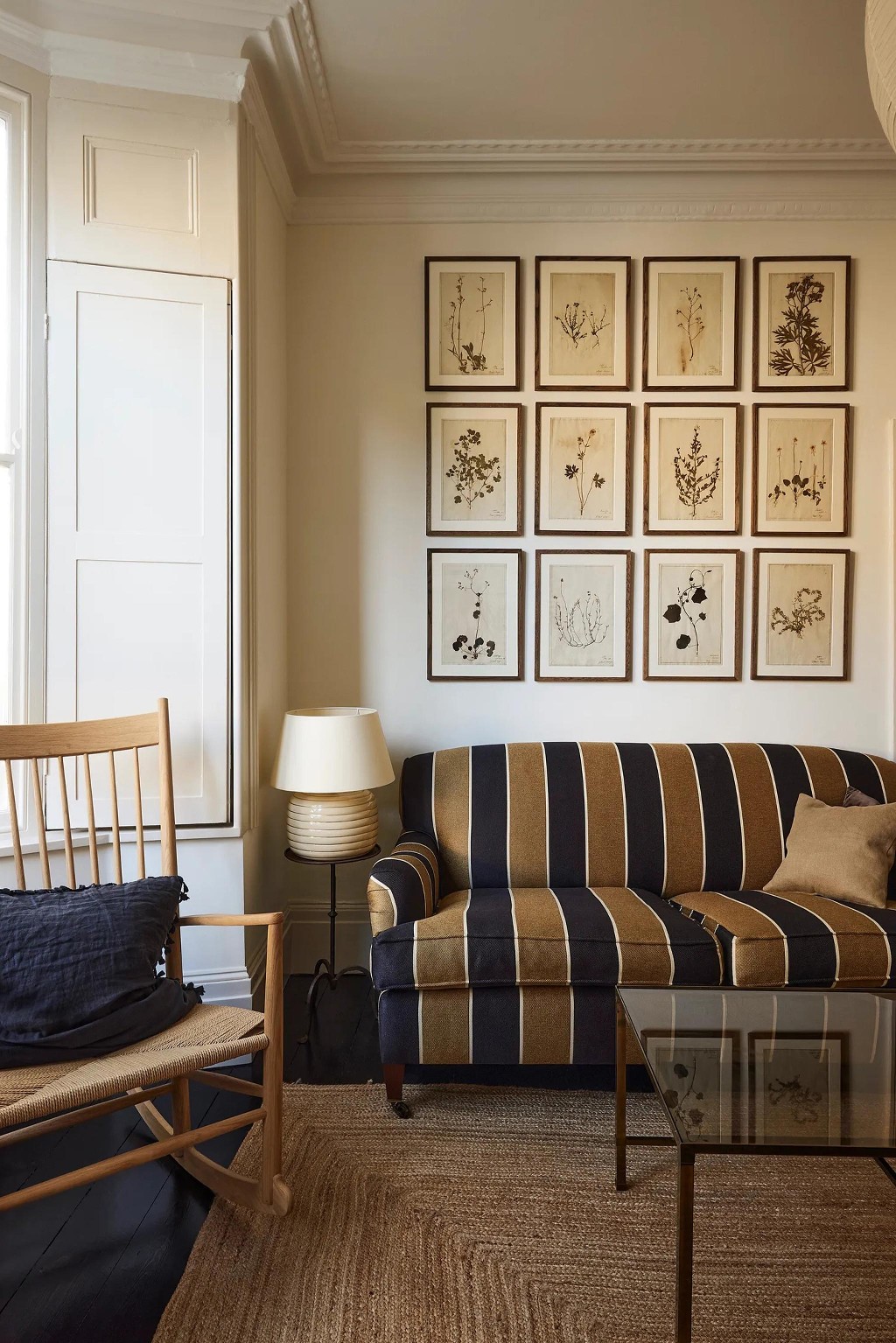
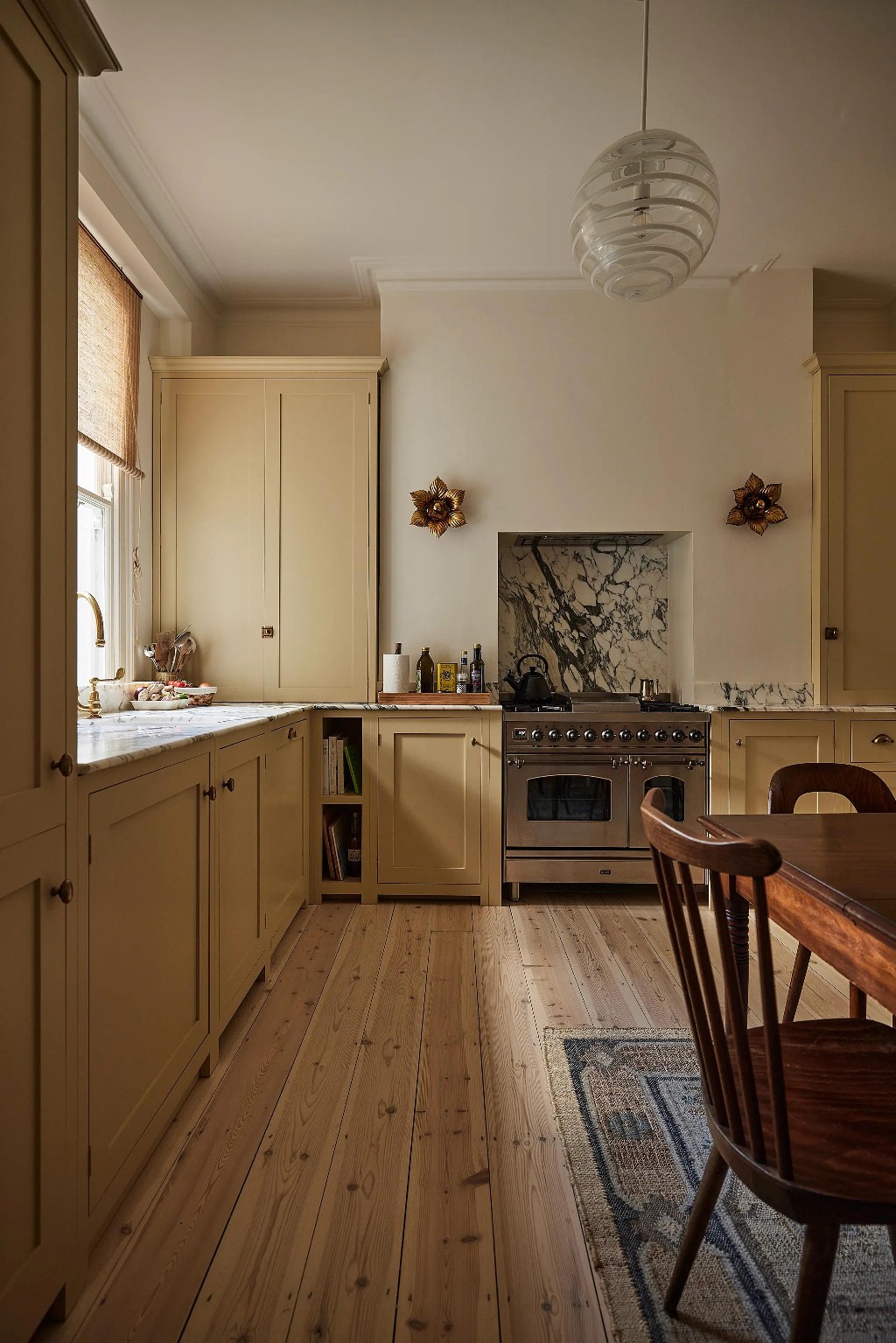
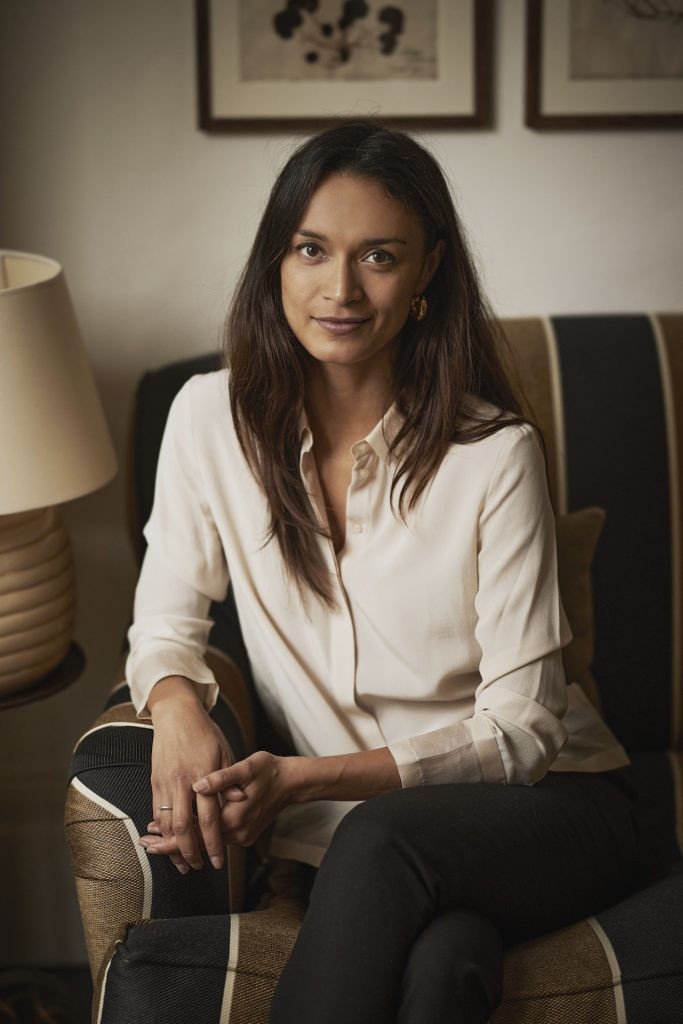
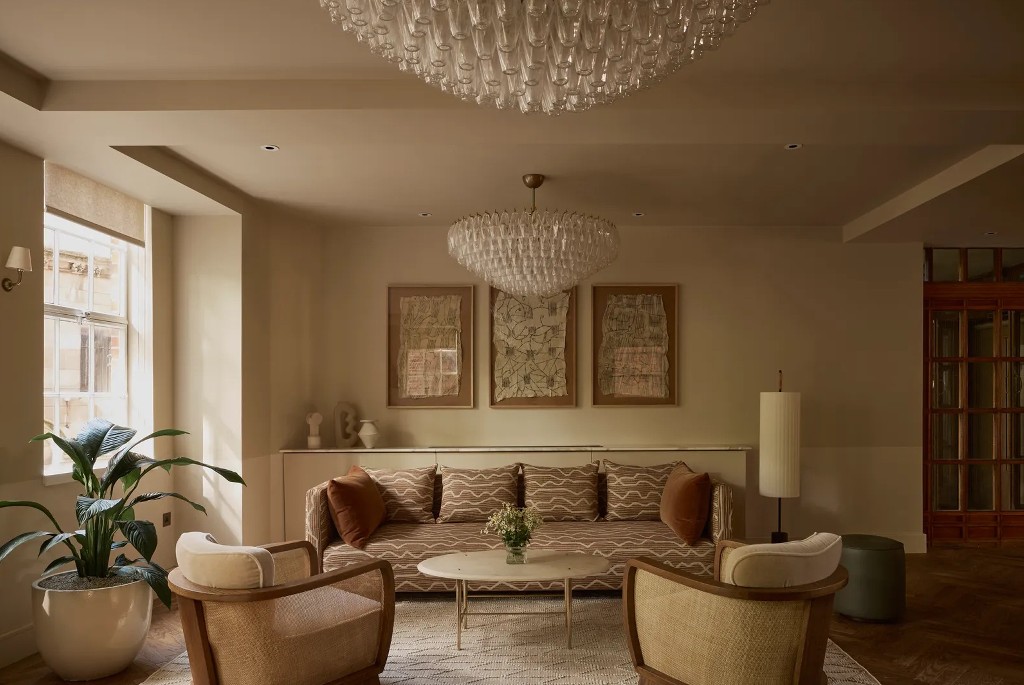
Pernille Lind Studio
Photo:Joachi Wichmann
Scandinavian design has never relied on excess to make an impact. Its strength lies in restraint, in clarity, and in the quiet confidence of spaces that understand their purpose. Yet as these seven creatives demonstrate, Nordic design is far from static. It is evolving stretching beyond pale palettes and familiar minimalism into realms of texture, narrative, color, and experimentation.
What connects Smau Arkitektur’s contextual architecture, Gustaf Westman’s playful forms, Pernille Lind’s tactile minimalism, David Thulstrup’s material dialogue, Beata Heuman’s folkloric modernity, Norm Architects’ soft humanism, and Lotta Agaton’s earthy elegance is not a single aesthetic direction. It is a shared philosophy: that design should serve life.
In a world increasingly saturated with visual noise and fleeting trends, Scandinavian interiors remind us of something essential. A home is not a showroom. It is a living, breathing environment shaped by light, material, memory, and human presence.
And perhaps that is the true evolution of Nordic design not louder statements, but deeper intention.
This article is an original editorial analysis produced by [DIBA magazine]
Research and references are used for contextual accuracy.