|
EN

Subscribe to our Newsletter
Born from personal history rather than market logic, Chaharef is an Iranian design studio founded by architect and designer Foruzan Farhadi. Through furniture and sculptural objects, the studio explores material as a carrier of memory and cultural continuity, transforming the softness of thread into the strength of metal, where function and emotion quietly coexist.
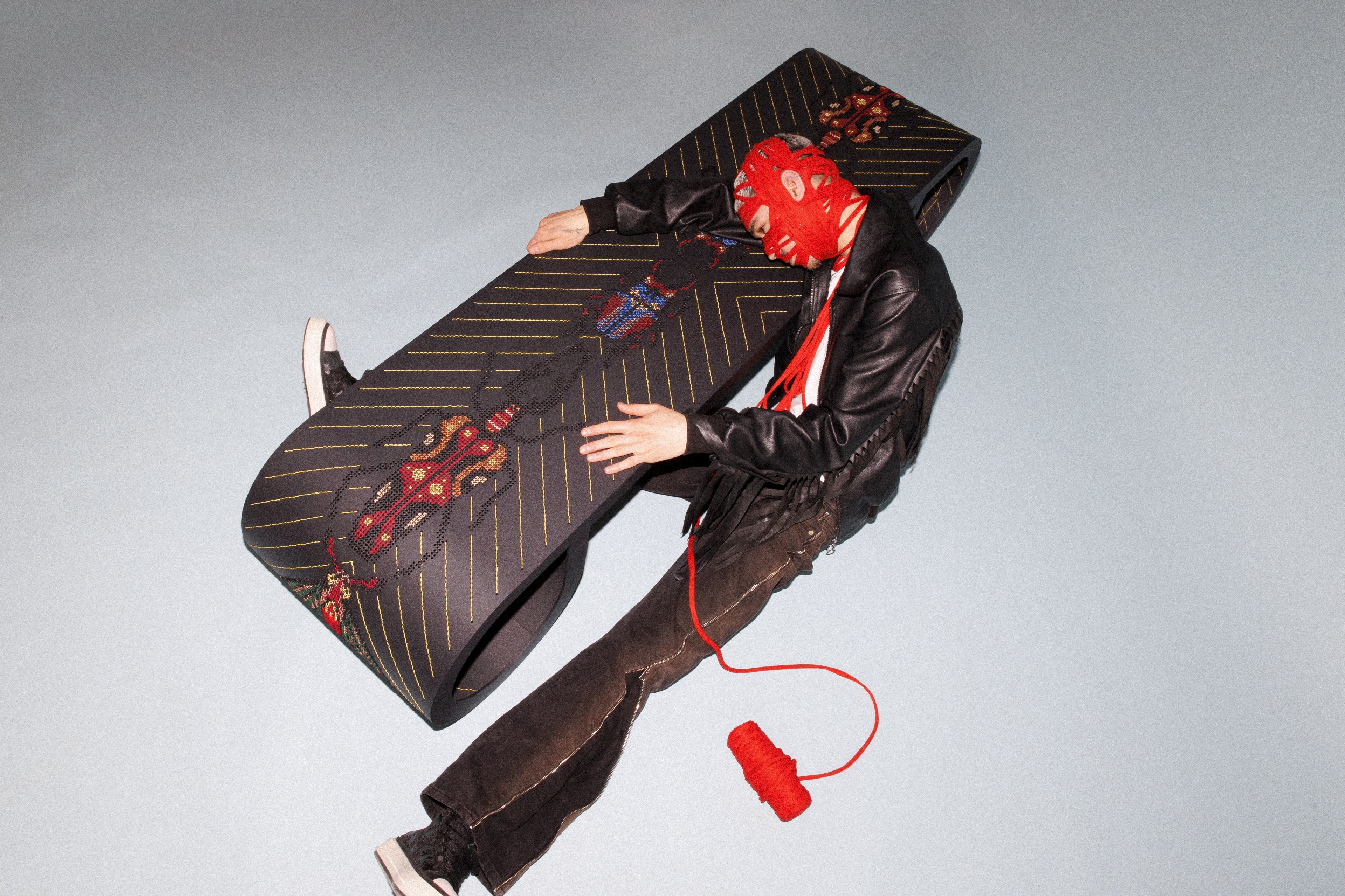
Chaharef | Where Memory Takes Form
Some brands are born from market research.
Others, like Chaharef, emerge from memory.
Founded by Iranian designer Forouzan Farhadi, Chaharef is a design studio where material becomes narrative, and objects carry emotional weight. The name itself is deeply personal—formed from the shared initials of Forouzan Farhadi and her sister, Farinam Farhadi. Four letters, four “F”s, shaping not only a name but a foundation built on trust, kinship, and shared beginnings.
Farhadi’s creative journey began long before metal entered her practice. As a child, she grew up beside her mother, a skilled tailor, surrounded by thread, needles, and fabric. What seemed like simple handwork became an early, unspoken education in patience, repetition, precision, and respect for time.
“Thread taught me how to understand time,” Farhadi reflects.
That philosophy never left—only the material evolved.
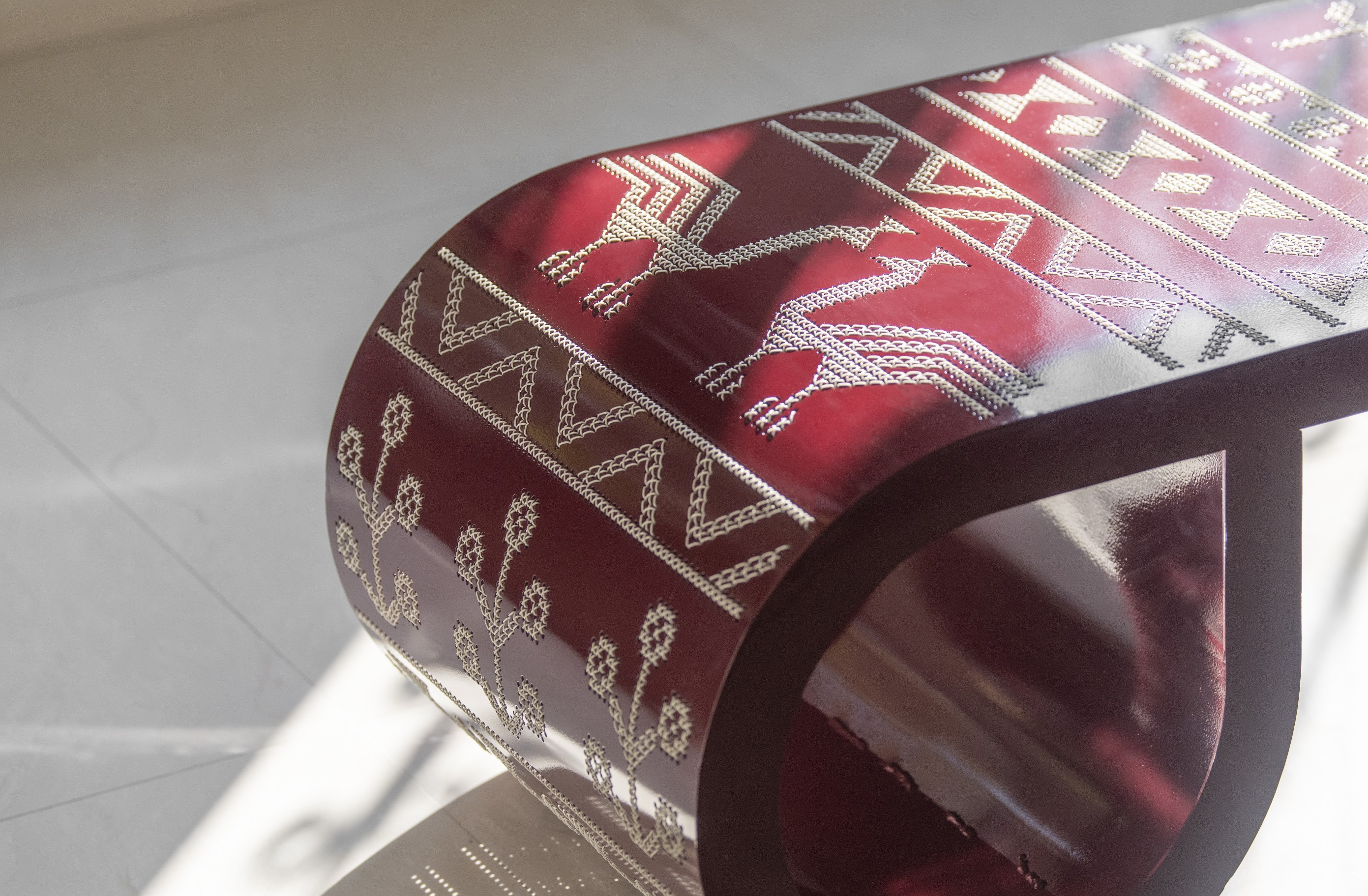
Today, metal defines Chaharef’s visual language. Strong, industrial, and weighty, it might appear to stand in opposition to the softness of thread. Yet in Farhadi’s work, metal is simply thread transformed—carrying the same sensitivity, now reinforced with strength. This dialogue between contrasts lies at the heart of the brand: softness and resistance, craft and industry, tradition and contemporary design.
Born in Tehran in 1992, Farhadi holds both a Bachelor’s and Master’s degree in Architecture from the University of Science and Culture and Tehran Markaz University. Architecture sharpened her understanding of scale, structure, and spatial relationships—elements that subtly inform Chaharef’s furniture and sculptural objects.
In Chaharef’s universe, there is no clear boundary between art and function. Each piece is designed to be used, but also to be felt. Metal is not merely structural; it becomes a medium of emotional expression. Furniture and decorative objects emerge as quiet storytellers—objects that define space while carrying memory.
“Material is never just material to me,” Farhadi says. “It carries memory, weight, and emotion.”
Chaharef speaks to an audience beyond age, gender, or category. It resonates with those drawn to contemporary craftsmanship, cultural heritage, and authenticity—people who value roots while living fully in the present.
Rather than distancing itself from tradition, Chaharef reinterprets it. Iranian motifs, cultural references, and inherited sensibilities are translated into a modern design language—works that belong equally to memory and to now. This is not nostalgia, but continuity: a conscious effort to preserve identity through reinvention.
Chaharef, ultimately, is a journey of transformation. From thread to metal. From childhood memory to architectural form. From the intimacy of handcraft to the permanence of structure