
|
EN
Subscribe to our Newsletter
You moisturize your skin and condition your hair, but your nails are often overlooked. Like skin and hair, nails need hydration to stay strong and flexible. When they’re dry, they break, peel, and can’t hold polish. The good news? With simple habits and targeted care, nail hydration is easy to restore, and it makes a visible difference.
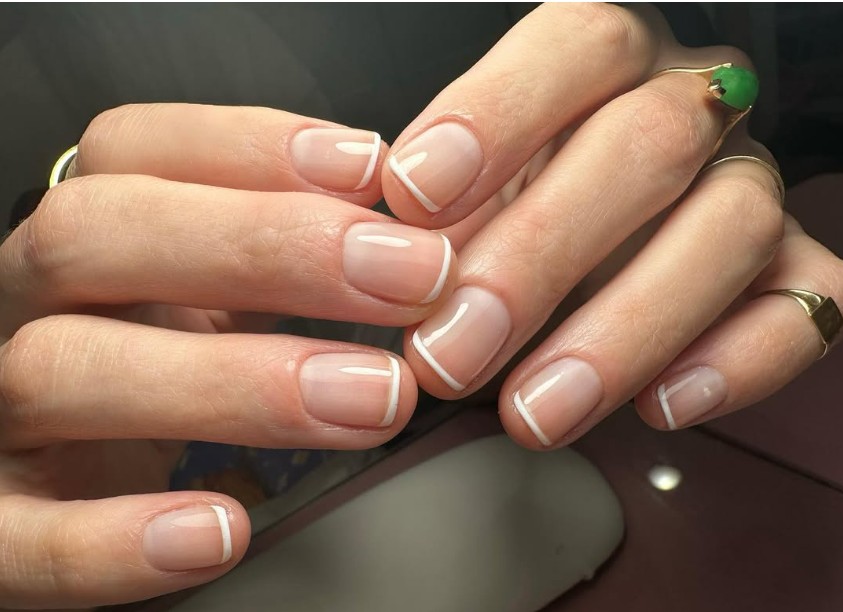
Photo: Pinterest
You moisturize your face, body, and even your hair, but what about your nails? Surprisingly, your nails also require dedicated hydration. If you struggle with brittle nails, slow growth, or manicures that don’t last, dryness might be the hidden culprit. Addressing dehydration could be the secret to achieving the healthy, long-lasting manicure you’re after.
Both internal and external factors can contribute to nail dryness. Age and biological differences play a role. “Cholesterol is the primary lipid found in the nail, and low levels reduce the nail’s ability to retain moisture,” says board-certified dermatologist and nail specialist Dr. Dana Stern. Research shows that women experience a decline in cholesterol levels within the nail plate as they get older, which helps explain why dry, brittle nails are more commonly seen in women over 50, she notes. Environmental stressors matter, too. Cold, dry air decreases hydration, one reason so many people deal with dry nails during winter, explains Tina Wang, owner of Lunula Salon.
Dry nails aren't just inconvenient; Stern warns that they also shorten manicure wear. When nails lack moisture, polish can’t adhere as well and is more likely to peel or chip. On top of that, dry nails break and split more easily, and cracked cuticles increase the risk of infection, Wang adds. The upside? With proper hydration, and the right techniques, dry nails can often be restored fairly quickly. Ahead, our experts share six essential tips to help you moisturize your nails and achieve your healthiest manicure yet.
01 of 06
Prevent Moisture Loss
Fun fact: “Nails are 1,000 times more permeable to water than skin,” says Stern. Because of this, frequent water exposure, from handwashing to dishwashing, weakens the structural bonds of the nail and reduces its ability to hold hydration. Her recommendation: Always wear gloves while doing dishes and apply moisturizer immediately after your nails come into contact with water. Think of it as treating your nails the same way you protect your hands from dryness.
02 of 06
Don’t Skip Exfoliation
It may sound unusual, but yes, your nails need exfoliation. Stern compares the nail plate to a roof with overlapping tiles. Because nail cells are dead, they can lift, peel, and flake, similar to dry skin. Just as exfoliating helps your facial moisturizer penetrate better, removing dead nail cells allows hydration to absorb more effectively.
Glycolic acid is especially beneficial. “Studies show that controlled exfoliation with glycolic acid significantly improves dry, rough nails,” says Stern. It breaks down keratin bonds while also acting as a humectant, helping nails retain moisture.
(This is why Stern incorporated glycolic acid into her own nail renewal system.) Use a glycolic- or urea-based product once a week, or alternate between the two, to keep nails smooth and ready to drink in moisture. Think of it as an added step of self-care in your at-home manicure routine.
03 of 06
Choose the Right Moisturizer
After exfoliating, it’s time to replenish hydration. Wang suggests choosing a nail-specific cream, like Londontown’s Kur Restorative Nail Cream, which contains vitamin E to strengthen and prevent splitting. If you prefer simplicity, your regular hand cream works, too. Oils, however, may offer even deeper absorption. Stern recommends sunflower oil and Brazil nut oil because both contain phospholipids that increase flexibility and reduce dryness. As for frequency?
Hydrate often, after every water exposure, before bedtime, and anytime your nails feel dry.
Photo: Pinterest
04 of 06
Massage the Product In
Application matters. “You can’t just dab it on and walk away,” says Wang. Massaging your cream or oil helps reduce brittleness, prevents peeling, and stimulates circulation, which supports healthy growth. Aim for at least one full minute of gentle, focused massage on each nail.
05 of 06
Try Nail Slugging
The popular K-beauty technique isn’t just for skin and hair. Nail slugging involves applying a thick, occlusive layer over moisturized nails to lock in hydration and boost absorption. After your cream or oil, coat each nail with an ointment like Vaseline or Aquaphor. For maximum effect, wear cotton gloves and leave everything on overnight.
06 of 06
Consult a Professional When Needed
While most nail dryness can be treated at home, certain symptoms warrant expert guidance. If you notice sudden changes in color, texture, or shape, often seen alongside dryness, it’s time to visit a professional, Wang says. If none of the above steps help, consult a doctor, as nails can reflect deficiencies or other internal health concerns. Stern adds that sudden brittle, dry nails may indicate anemia or thyroid issues, so a dermatologist or primary care physician should evaluate any abrupt changes.
This article is an original editorial analysis produced by [DIBA magazine].
Research and references are used for contextual accuracy.