
|
EN
Subscribe to our Newsletter
In an era shaped by climate urgency and ethical awareness, fashion is transforming from surface-level aesthetics into a purpose-driven industry. This text explores how sustainability, circular design, technology, and evolving consumer values are reshaping fashion into a force for responsibility, innovation, and long-term cultural impact, where style becomes not just expression, but solution.
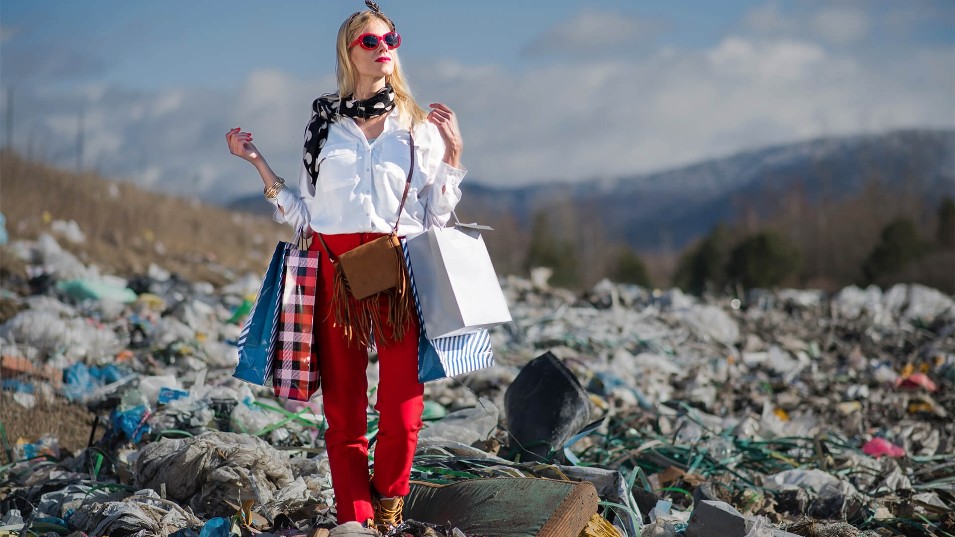
In an age defined by climate urgency and ethical awakening, fashion is shedding its frivolous skin and stepping into purpose. No longer an optional aesthetic, sustainability is now woven into the threads of innovation, activism, and beauty. From mushroom leather handbags to AI-powered supply chains, the industry is reimagining style not just as a statement, but as a solution. And yet, this movement is not about compromise, it’s about redefining what luxury, legacy, and leadership mean in our closets.
“Fashion must reflect the times—and now, the time demands change.”
Stella McCartney
Evolving Consumer Expectations
Today’s consumers are driven by more than aesthetics or price tags, they seek meaningful connections with the brands they support. Purchasing decisions are increasingly shaped by a company’s commitment to ethics, transparency, and environmental responsibility. As awareness grows, shoppers are gravitating toward alternatives that align with their values: secondhand fashion, rental wardrobes, and creatively repurposed garments are rising as conscious choices over fast fashion.
The digital age has empowered consumers to dig deeper. Tools such as blockchain authentication, product-specific QR codes, and detailed supply chain insights now put knowledge at their fingertips. They’re not just buying clothes, they’re evaluating impact. When brands disclose their environmental reports and share their sustainability goals openly, trust flourishes. In return, this honesty cultivates lasting brand loyalty and a deeper emotional connection between company and customer.
Adapting to Evolving Environmental Regulations
As global environmental standards tighten, businesses are under growing pressure to accelerate their shift toward sustainable practices. Key concerns such as minimizing waste, lowering carbon footprints, and ensuring fair labor conditions are now central to regulatory oversight. To remain competitive, companies must go beyond basic compliance, embracing innovation and leadership in sustainability.
A prime example is the European Union’s Extended Producer Responsibility (EPR) framework, which mandates that brands oversee the full lifecycle of their products. This has become a catalyst for transformation within the fashion industry, encouraging a move toward circular systems. Investments are increasingly directed toward solutions that prioritize recyclability, reuse, and waste reduction, replacing the outdated “produce–consume–discard” model with one rooted in regeneration and longevity. Brands that proactively adopt these principles are positioning themselves for long-term success in a rapidly evolving market.
Circular Fashion & Material Innovation
The fashion world is undergoing a remarkable shift, driven by breakthroughs in sustainable materials and circular design. From bio-engineered textiles and lab-created leather to recyclable fabrics, new technologies are redefining how we think about eco-conscious style. Circular fashion, where garments are crafted for durability, reuse, and regeneration, is rapidly becoming the new norm, helping brands minimize their environmental impact while creating products designed to stay in circulation.
At the same time, resale and rental platforms are flourishing. Many fashion labels now offer their own take-back and resale programs, extending the life of garments and keeping them out of landfills. Upcycling is also gaining momentum, with designers transforming pre-loved pieces and surplus materials into fresh, high-quality creations.
These approaches not only reduce waste but also offer consumers a more thoughtful and expressive alternative to fast fashion.
Technology Driving Sustainable Fashion Forward
In today’s fashion landscape, technology is emerging as a powerful catalyst for sustainability, streamlining operations, minimizing waste, and empowering ethical practices. Artificial intelligence (AI) is transforming inventory management by forecasting demand with precision, helping brands avoid overproduction and reduce surplus stock. This shift not only curbs environmental impact but also enhances efficiency across the supply chain.
Blockchain solutions are redefining transparency, enabling both consumers and companies to trace the journey of materials from origin to final product. With verifiable data on sourcing and labor practices, brands can build trust and accountability into every garment.
Meanwhile, 3D printing is reshaping how fashion is made, offering on-demand production with minimal material usage. Designers can create bespoke pieces without the need for mass manufacturing, reducing waste and unlocking creative freedom.
As these technologies become more accessible, small and mid-sized fashion businesses are increasingly able to adopt sustainable models. From smart logistics to ethical sourcing, tech-driven innovation is leveling the playing field, allowing brands to compete responsibly while contributing to a greener future.
Making Sustainable Fashion Accessible
One of the most pressing challenges in the eco-conscious fashion space is striking a balance between sustainability and affordability.
While responsibly sourced materials and ethical labor practices often carry higher initial costs, brands are finding creative ways to make sustainable fashion more financially accessible to a wider audience.
By forming strategic alliances with like-minded suppliers and leveraging economies of scale, companies are gradually reducing production expenses.
Many are integrating sustainable methods step by step partnering with local artisans, streamlining supply chains, and rethinking design processes to lower costs without compromising values. Technology is also playing a pivotal role. Innovations in manufacturing and inventory management are helping brands cut waste and improve efficiency, which in turn drives down prices. At the same time, consumer education is essential: when shoppers understand the long-term value of investing in durable, well-made garments, they’re more likely to choose quality over quantity.
Ultimately, this shift is about more than pricing; it's about reshaping culture. By making sustainability both stylish and attainable, brands are helping move the fashion industry away from disposable trends and toward a future built on purpose and longevity.
Conclusion: Fashioning a Future with Purpose
As the fashion landscape evolves under the weight of ecological urgency, shifting consumer consciousness, and technological acceleration, one truth becomes clear: sustainability is no longer a niche, it is the new narrative. Brands that embrace transparency, circularity, and innovation are not merely adapting; they are leading a cultural renaissance.
At Diba, we believe that wholesale fashion can, and must—be both responsible and remarkable.
By curating collections that honor craftsmanship, reduce waste, and reflect ethical values, companies like Take Off are redefining what it means to be stylish in the 21st century.