
|
EN
Subscribe to our Newsletter
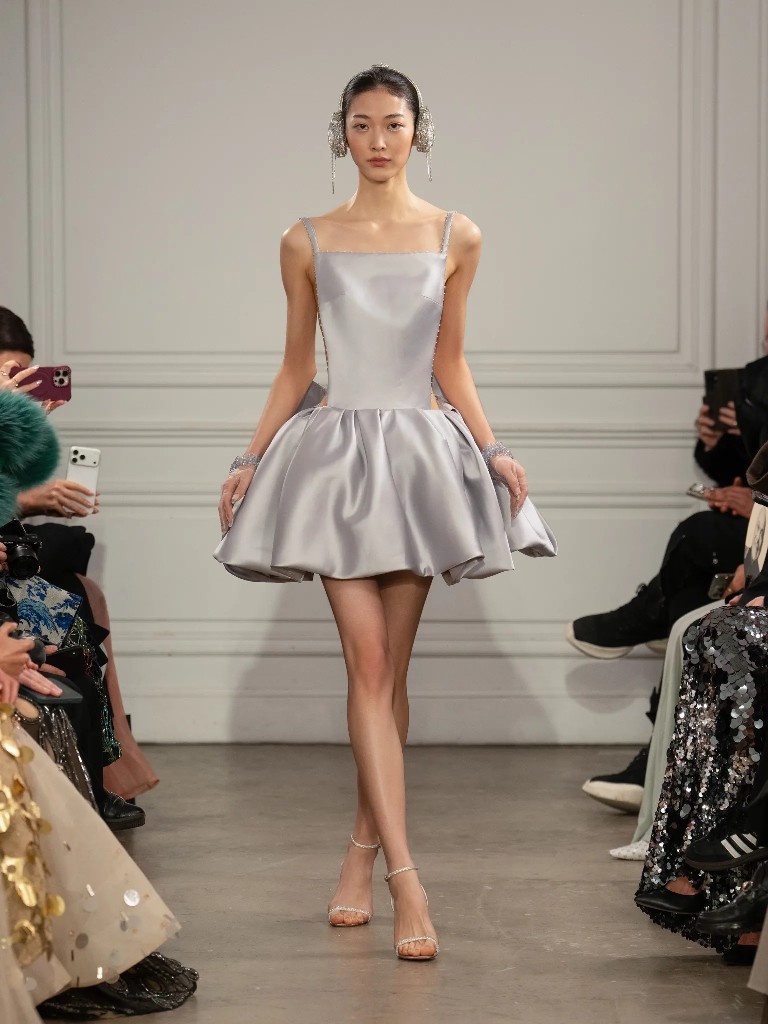
Phan Huy’s debut on the official Paris couture calendar marked a historic double milestone: the youngest invited guest couturier showing under his own name and the first designer from Vietnam to do so. The collection fused Vietnamese craftsmanship with Western couture structure, highlighting meticulous textile innovation, sculptural embroidery, and fluid, embellished silhouettes.
By the Editorial Staff
Phan Huy’s debut on the official Paris couture calendar marked a historic double milestone: the youngest invited guest couturier showing under his own name and the first designer from Vietnam to do so. The collection fused Vietnamese craftsmanship with Western couture structure, highlighting meticulous textile innovation, sculptural embroidery, and fluid, embellished silhouettes.
Moments before the inaugural runway show of Phan Huy on the official Paris couture schedule, backstage erupted in celebration. The energy reflected not only pre-show excitement but also a defining achievement in contemporary haute couture: at 26, Huy became the youngest guest couturier invited to present under his own name, and the first designer from Vietnam to step into this arena.
For this landmark presentation, heritage played a central role. Rather than relying on overt stylistic references, Huy embedded cultural identity through craftsmanship and textile mastery. Working closely with his London-based cofounder Steven Doan, the designer placed artisanal technique at the forefront of the narrative.
Textile Innovation & Couture Craft
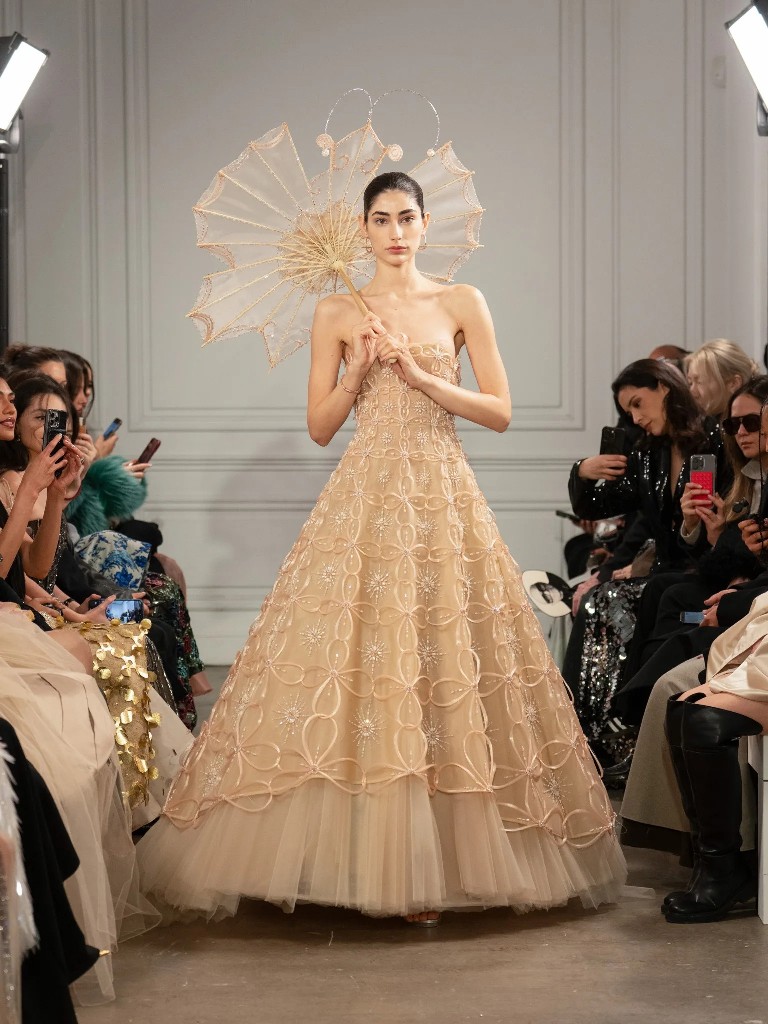
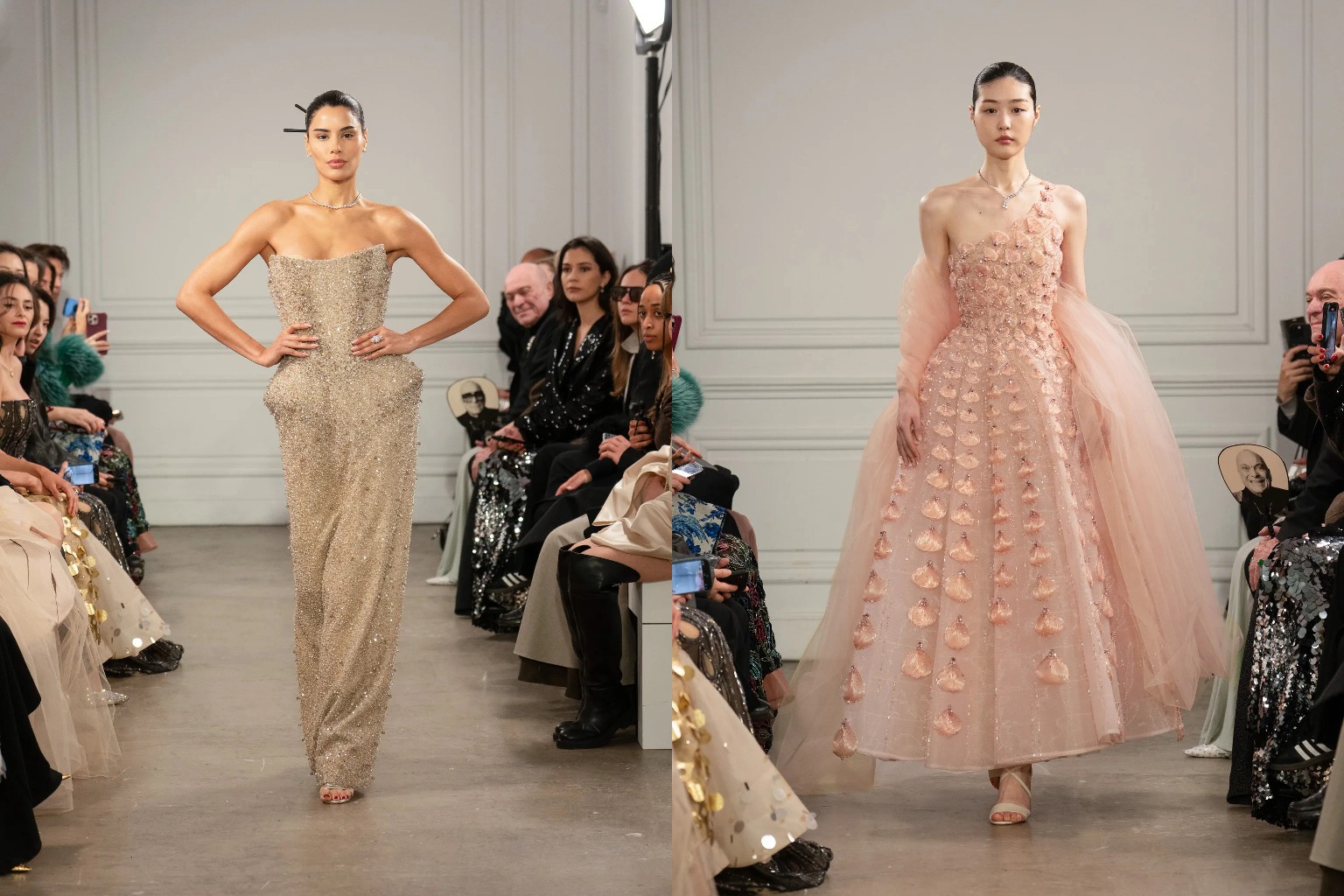
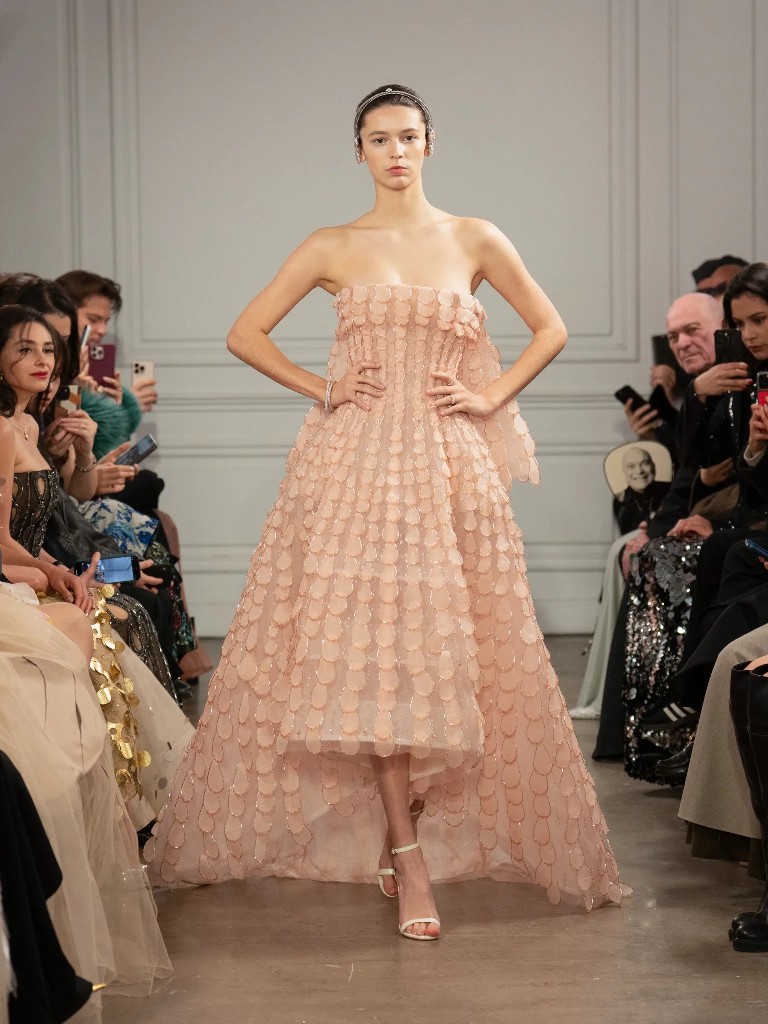
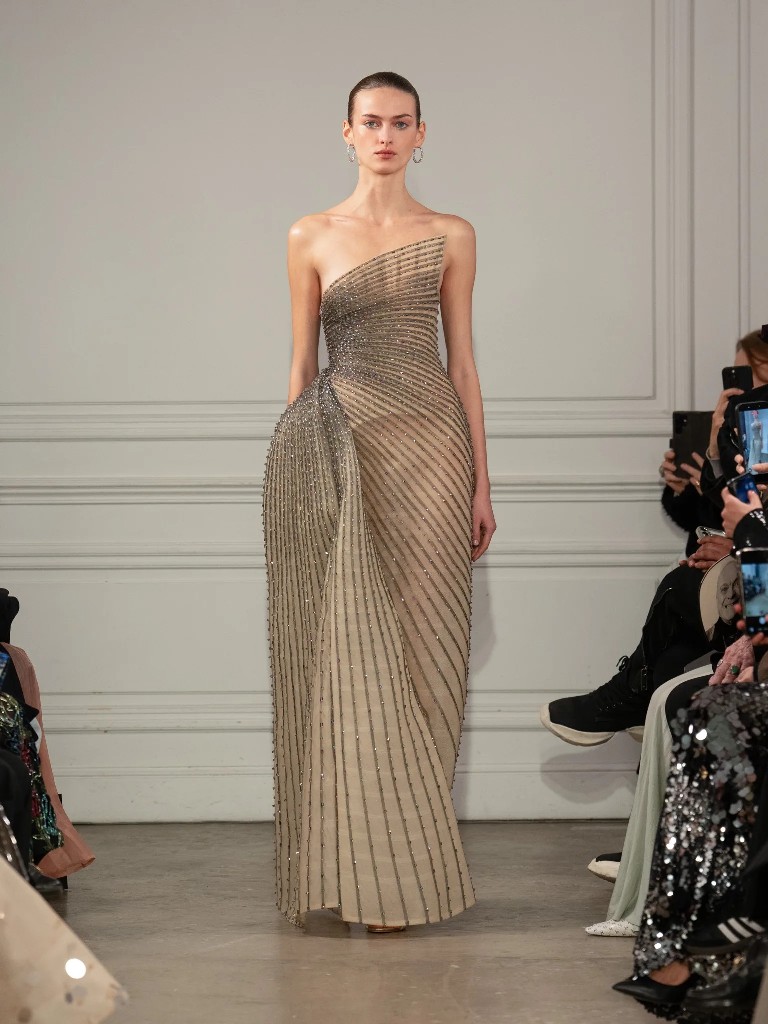
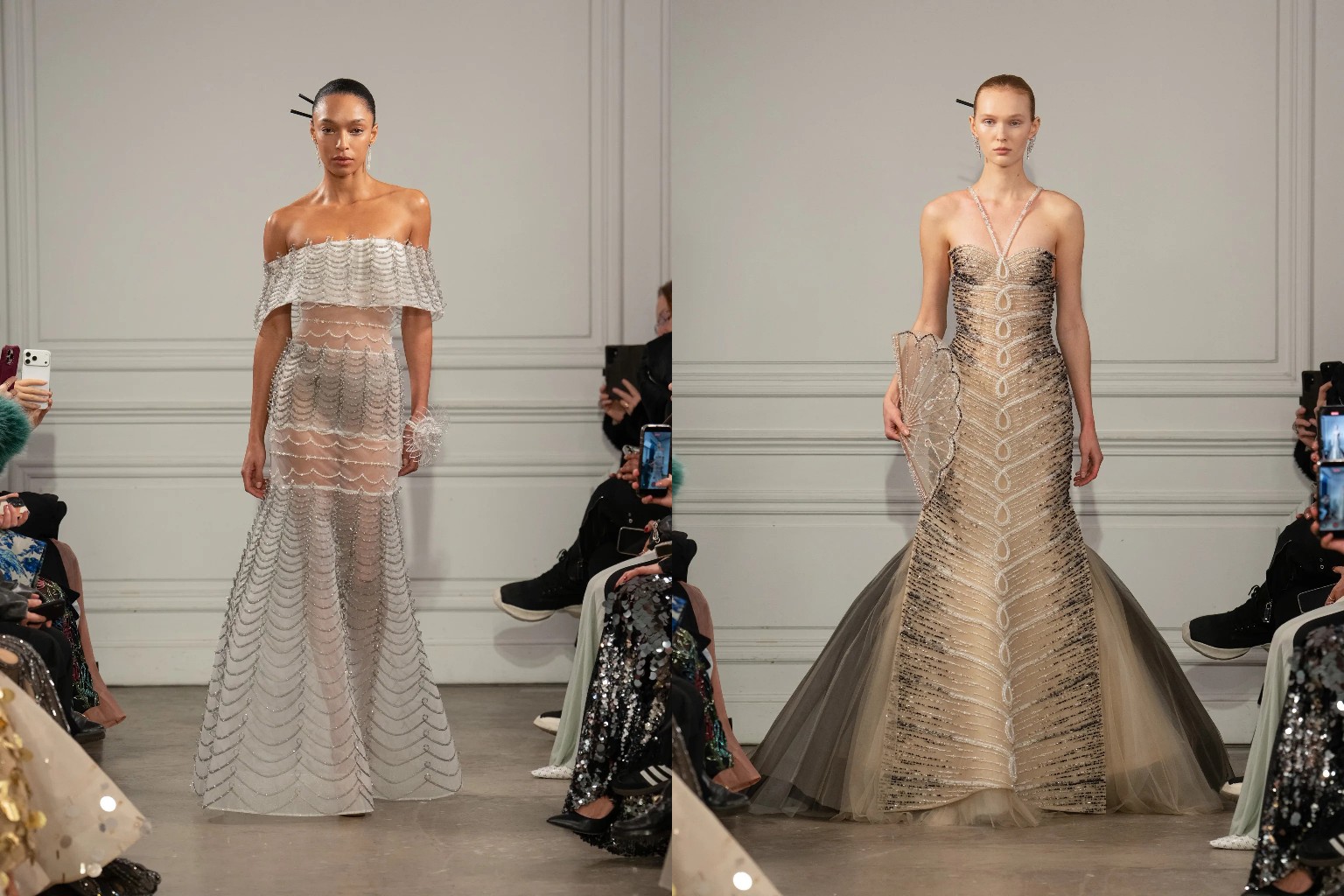
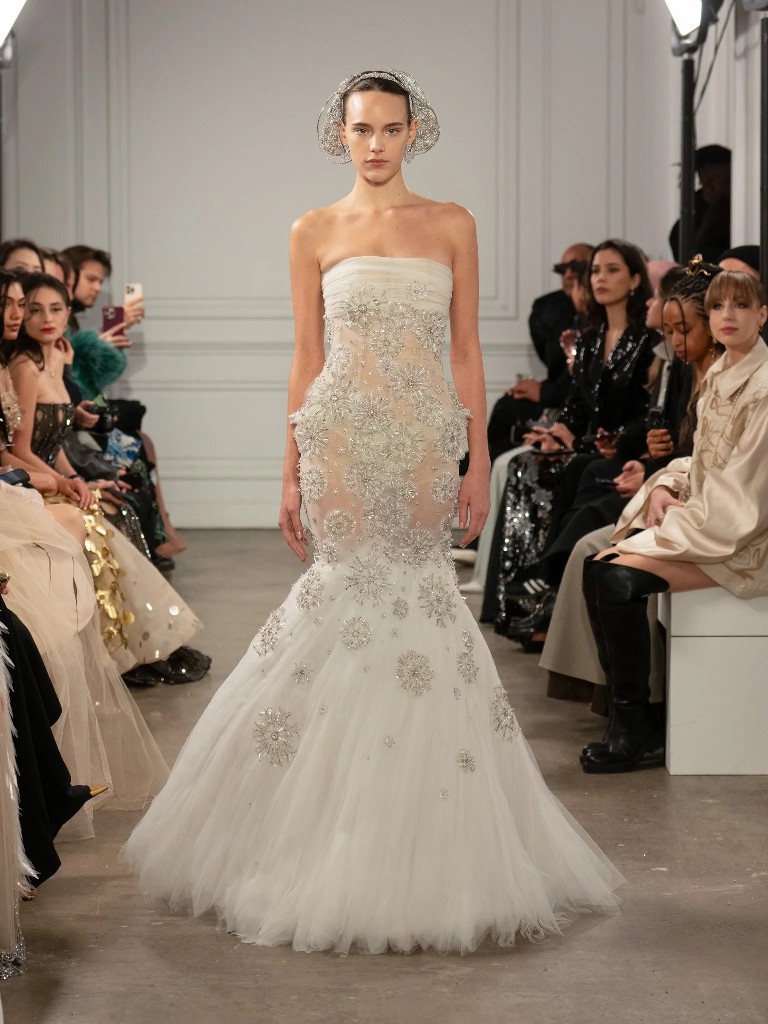
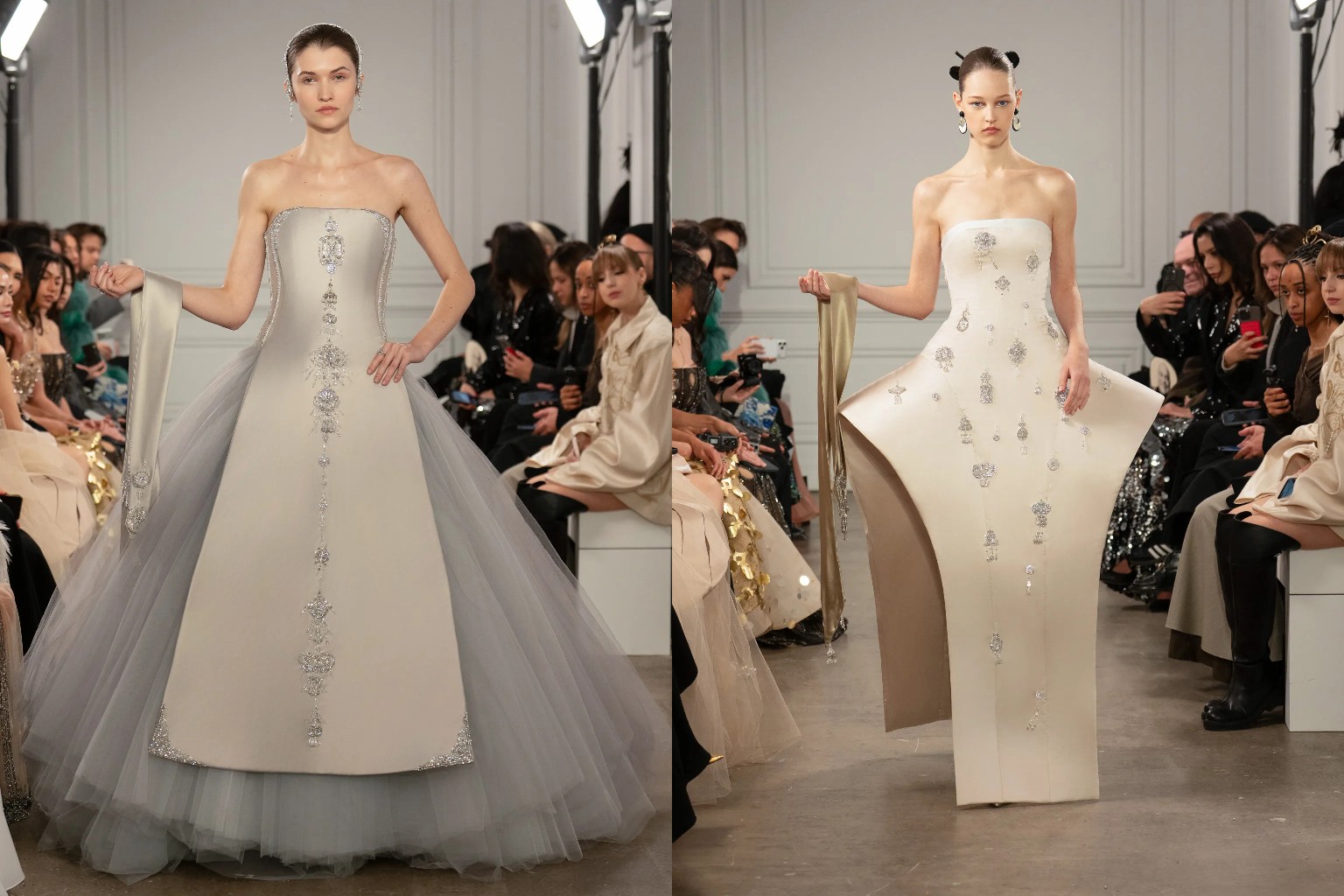
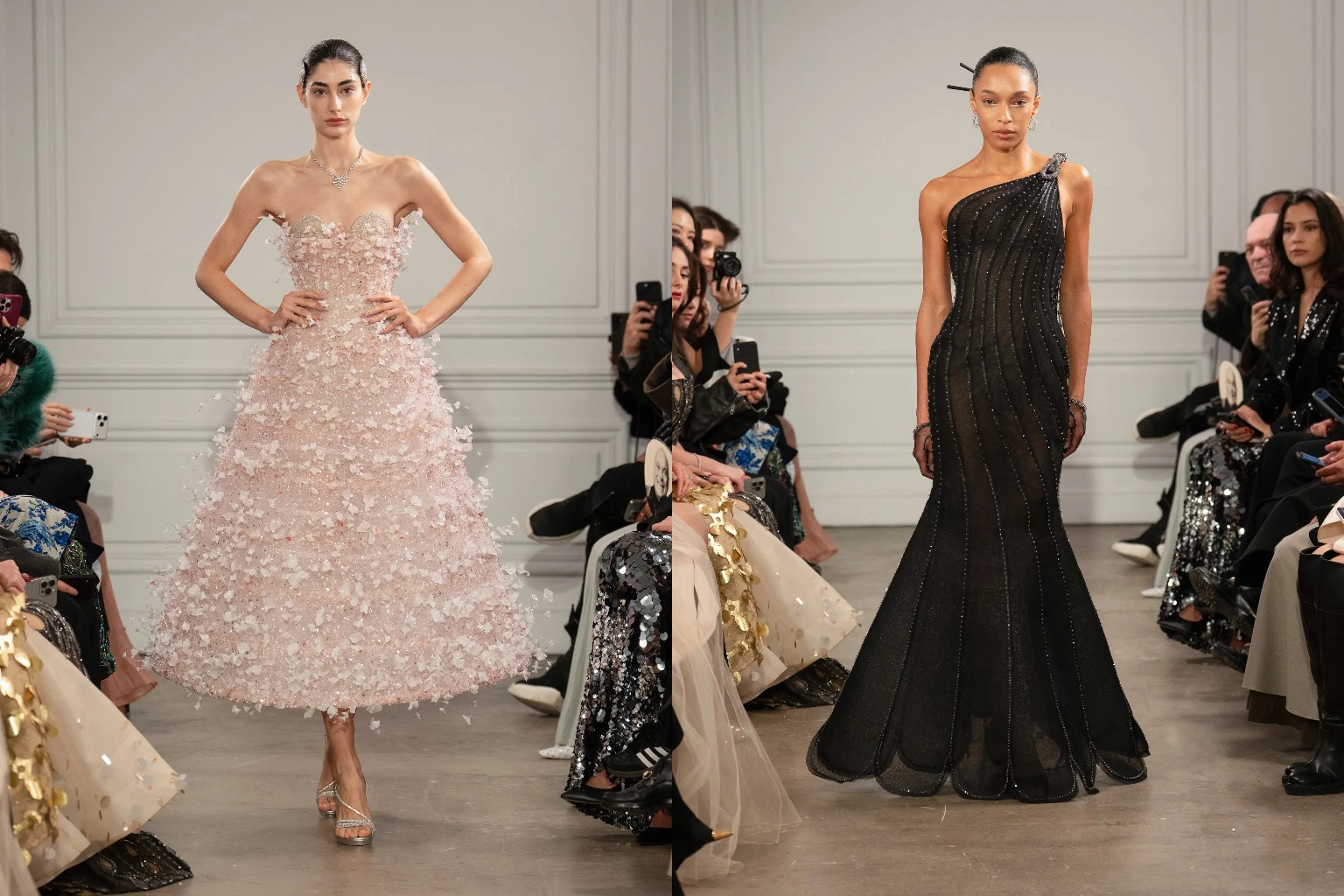
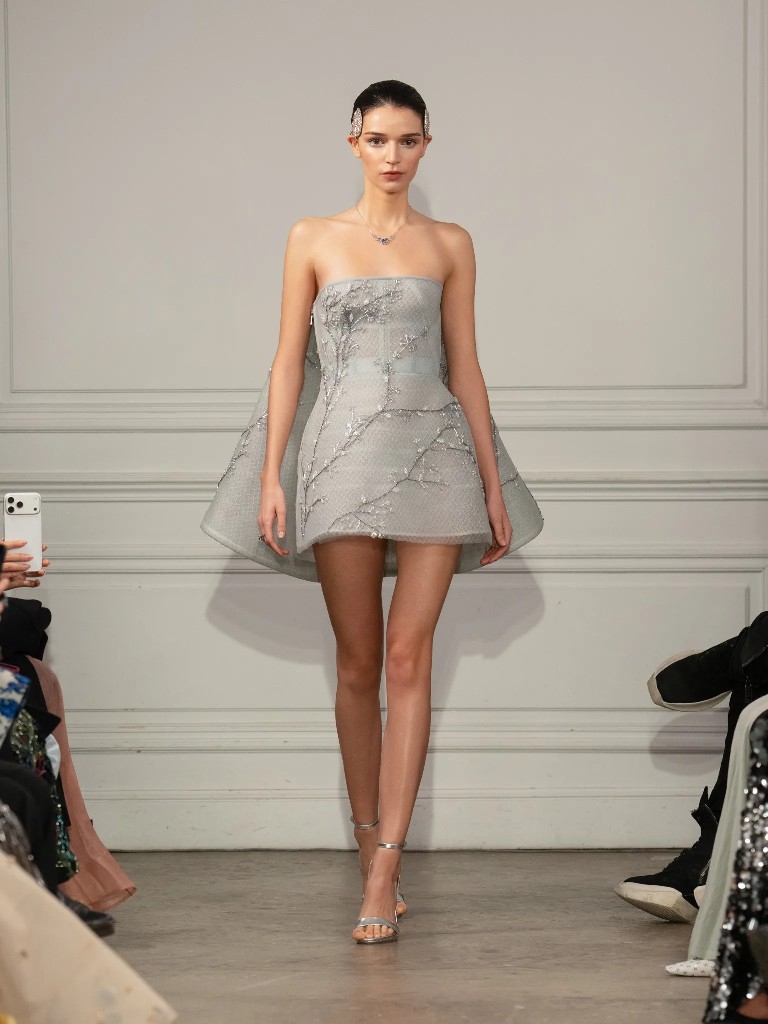
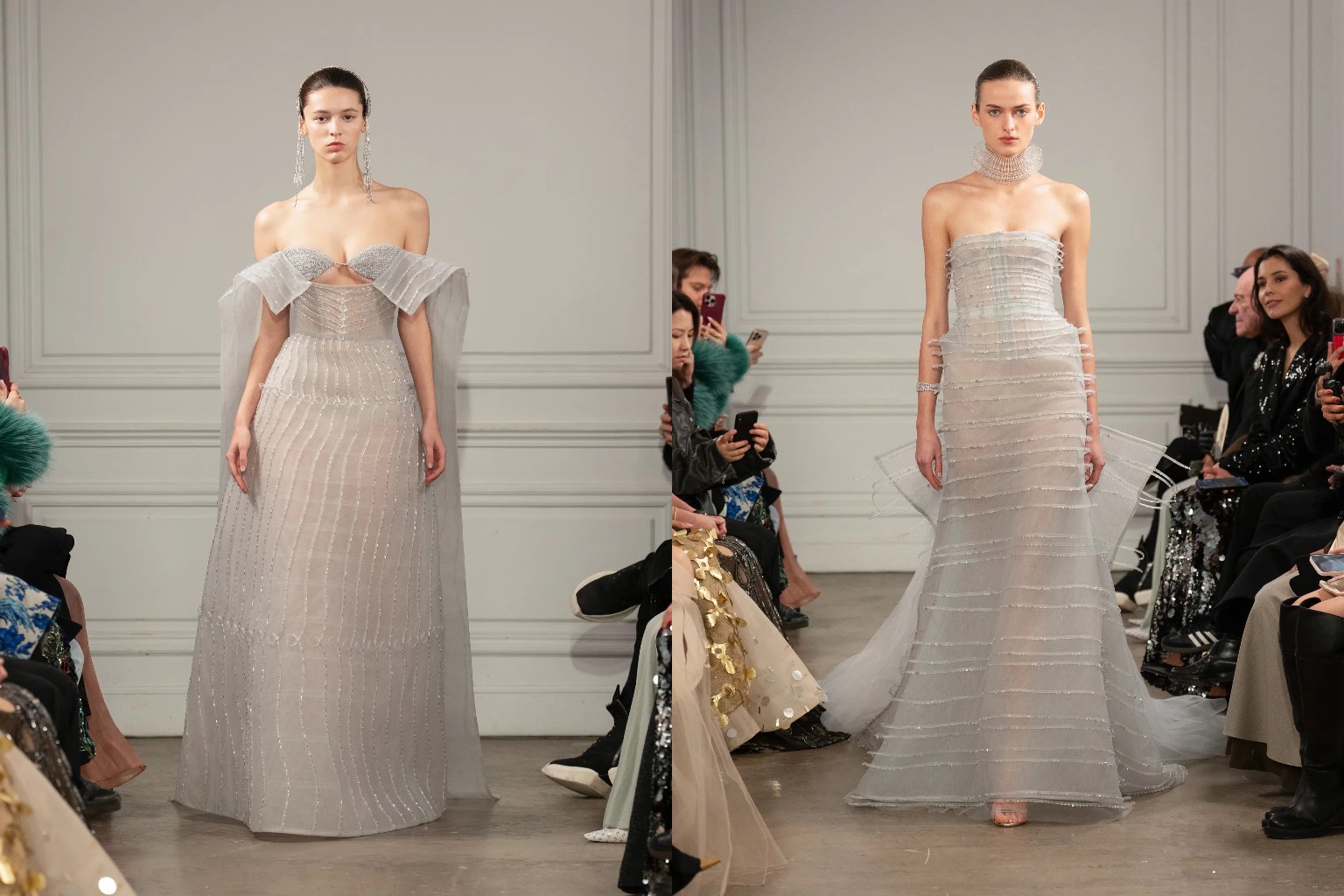
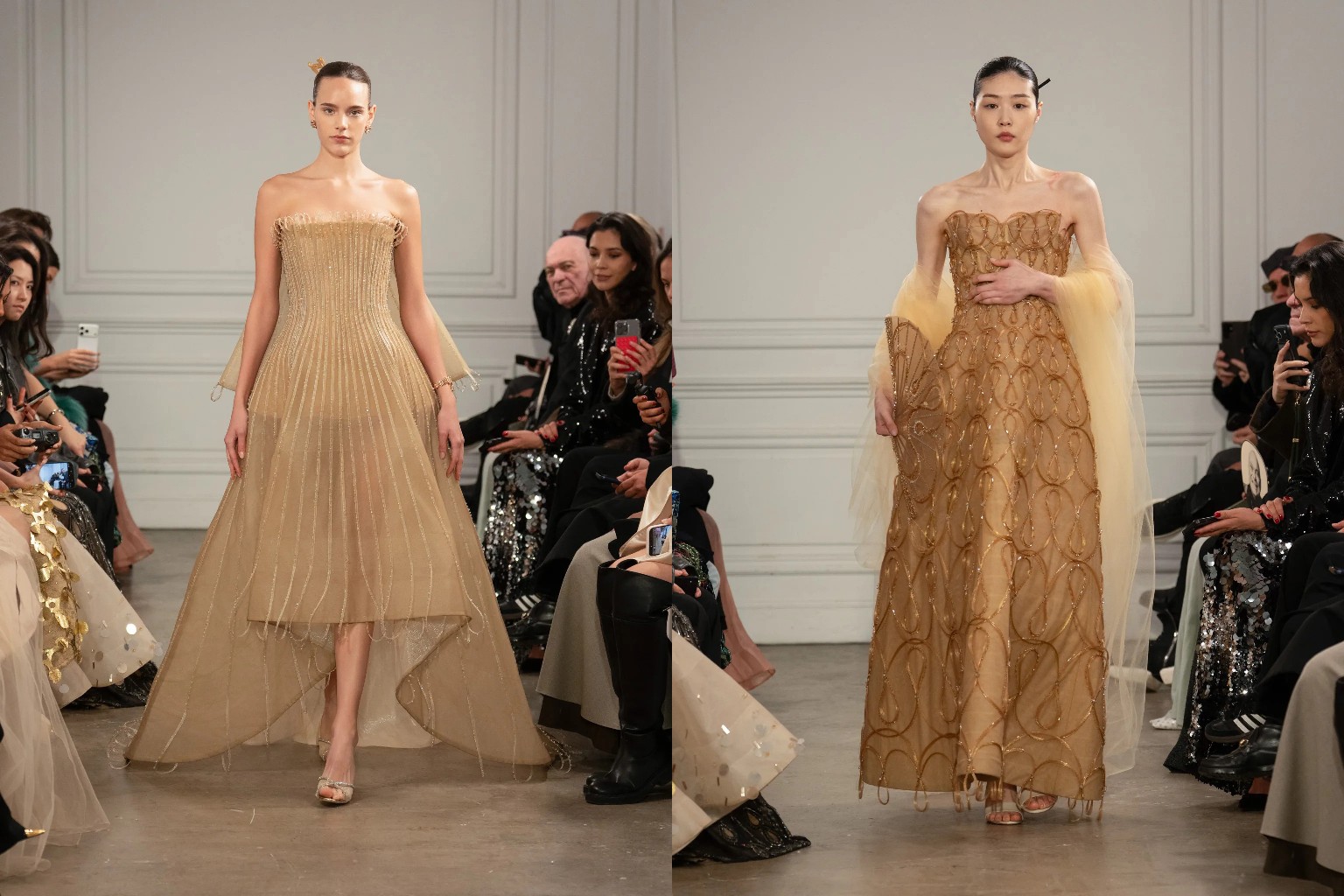
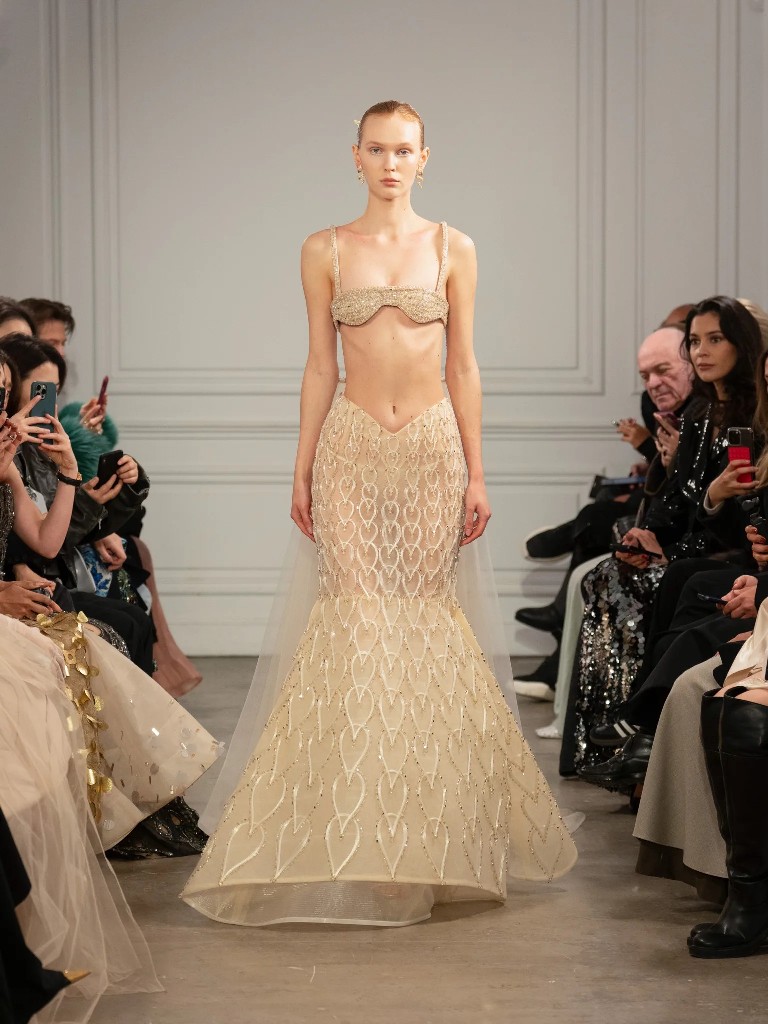
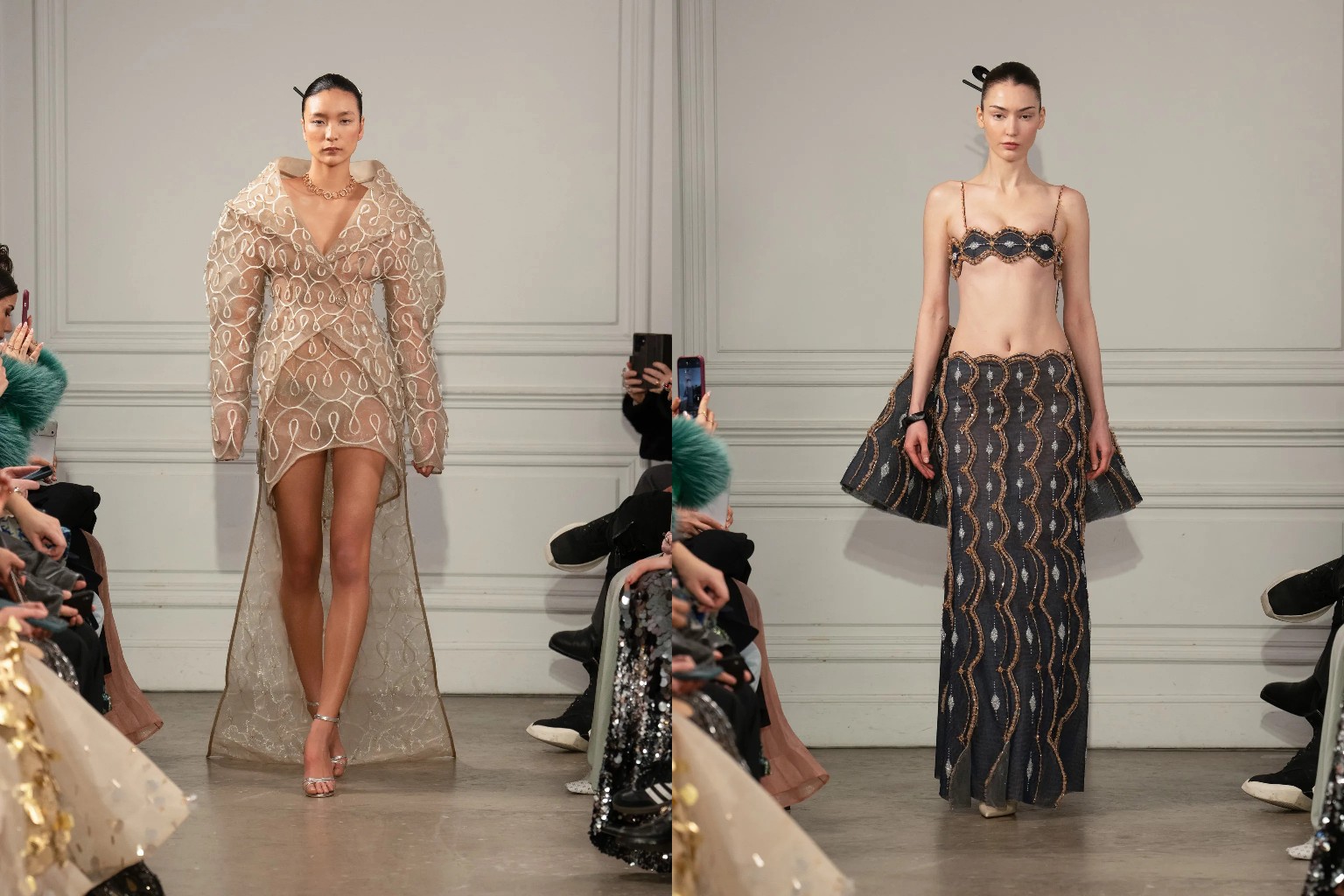
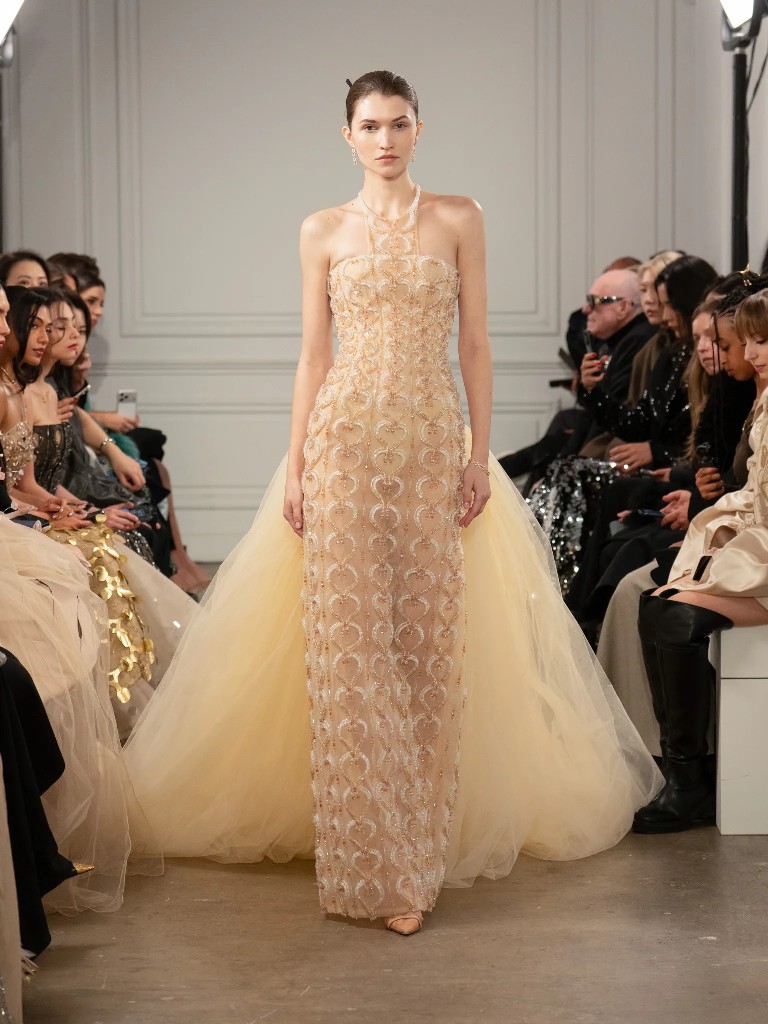
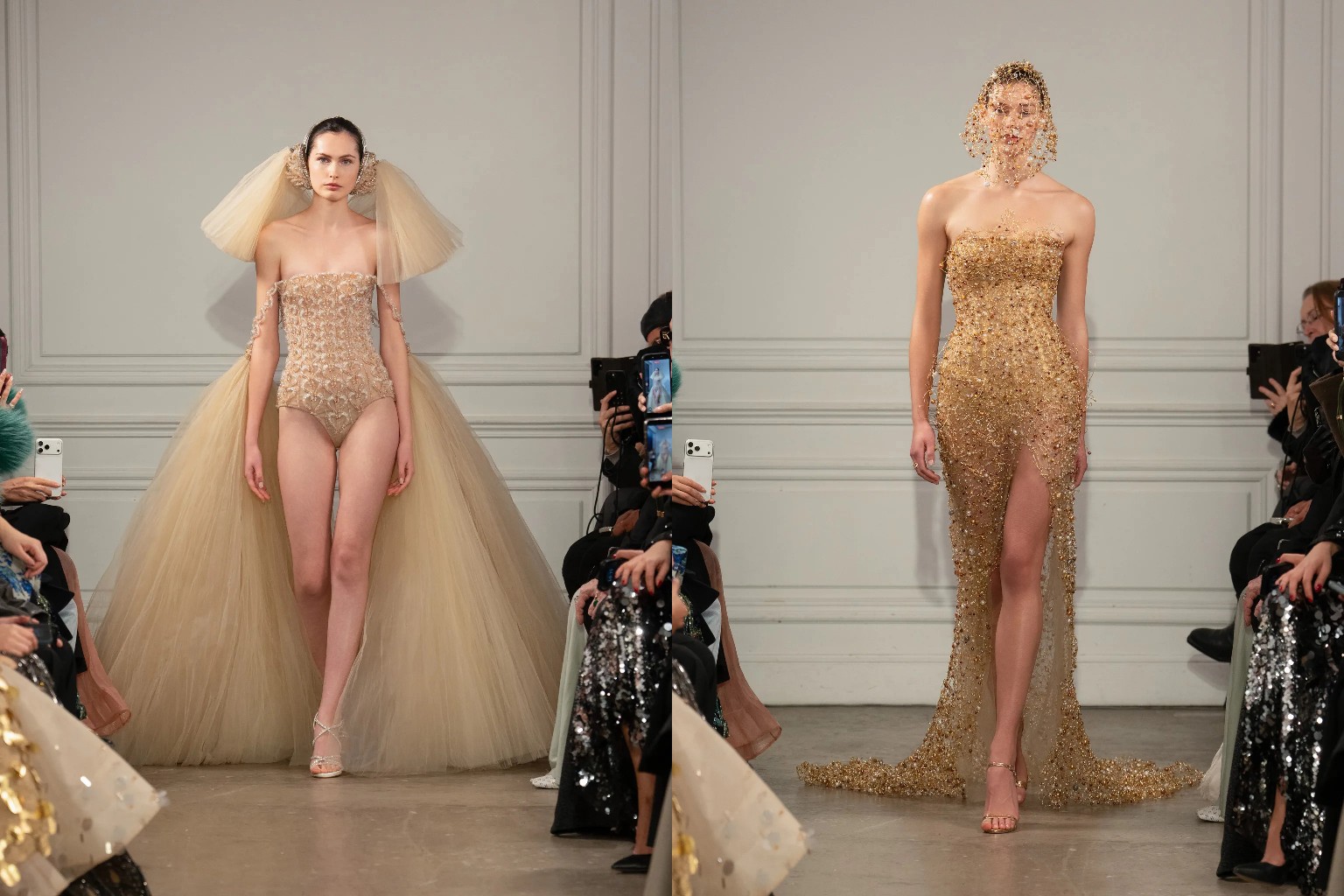
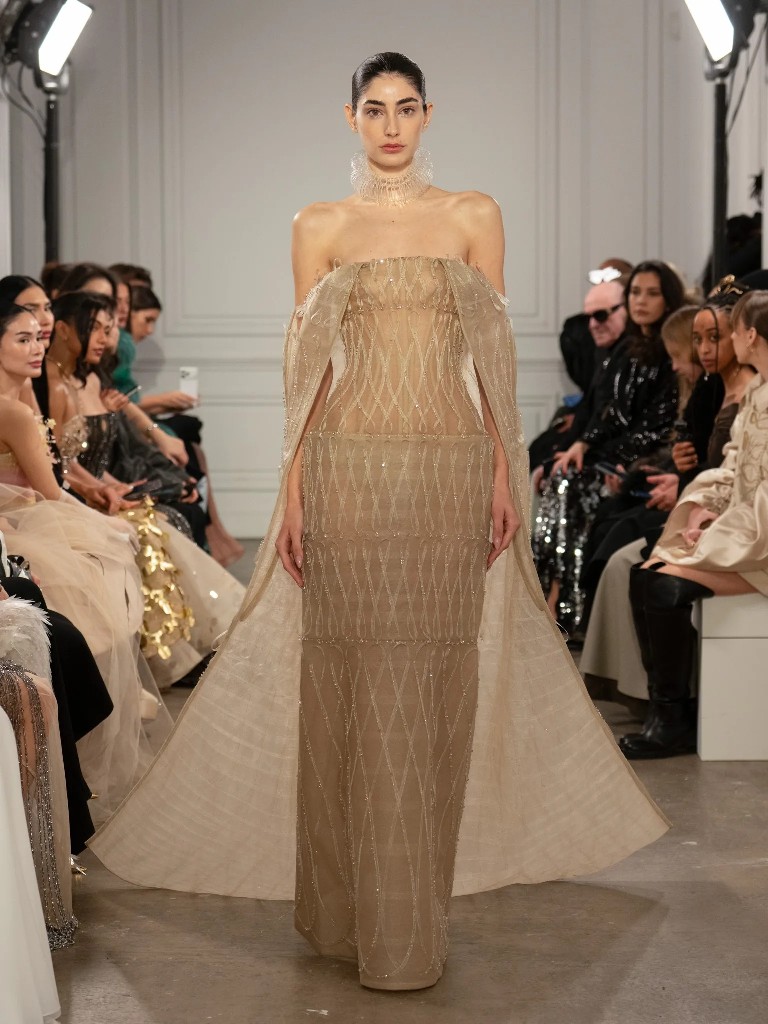
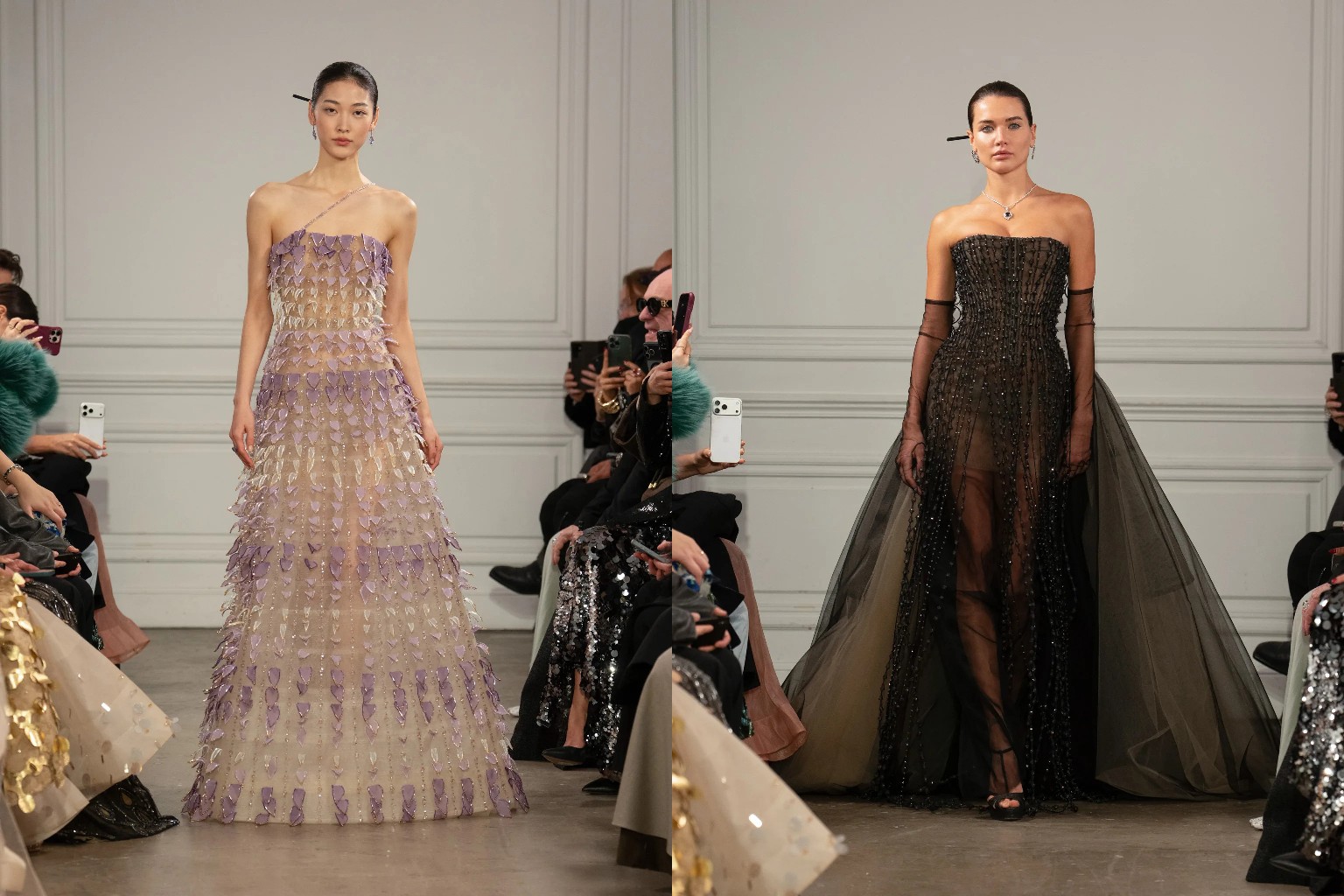
This season’s couture fabrics demonstrated exceptional technical ambition. Layers of tulle were animated with inserted horsehair tubes, producing a subtle fan-like striping effect that added architectural tension. Sculptural three-dimensional embroideries composed of individually applied loops introduced depth and tactility. Organza gowns were adorned with meticulously hand-cut 3D leaves, each edged in tubular beading and stitched in place, an extraordinary testament to labor-intensive couture craftsmanship.
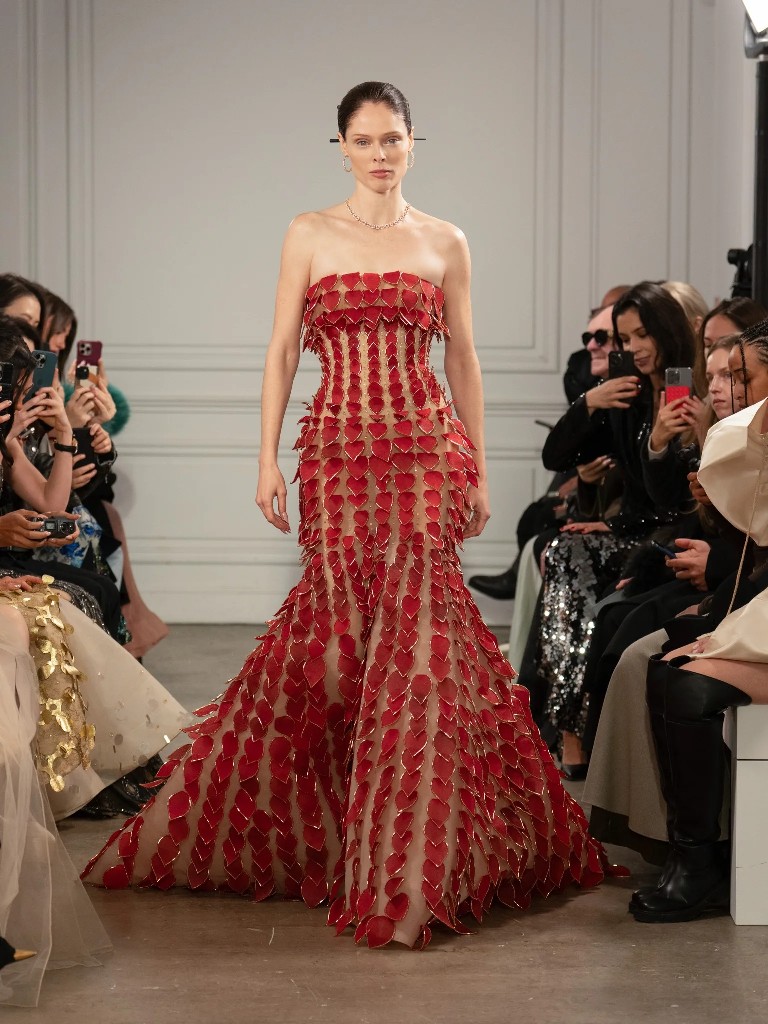
One of the show’s highlights, a red gown worn by Coco Rocha, required approximately three months of handwork. The dress shimmered and trembled with every movement down the runway, transforming motion into spectacle.
Silhouettes: Structure Meets Fluidity
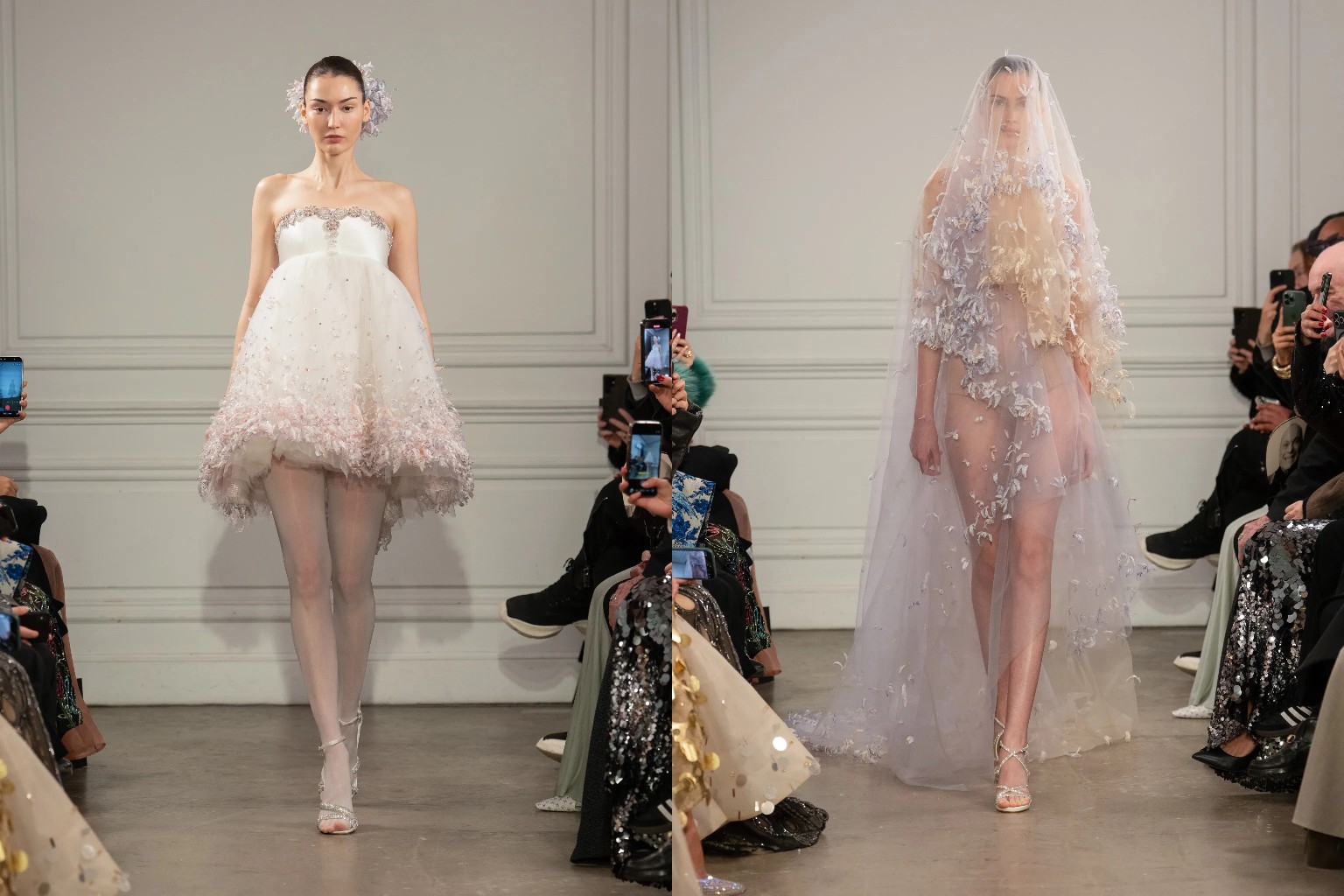
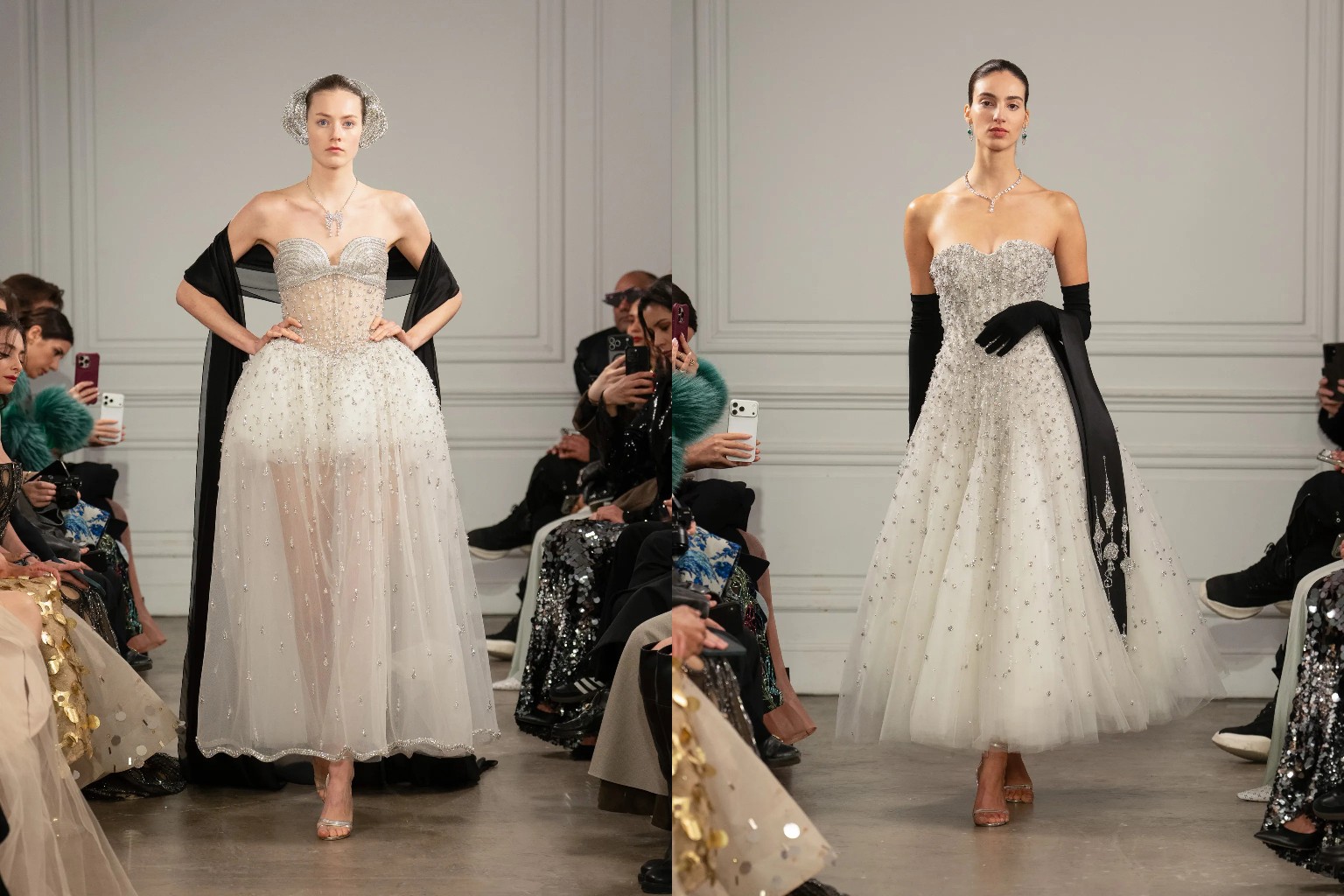
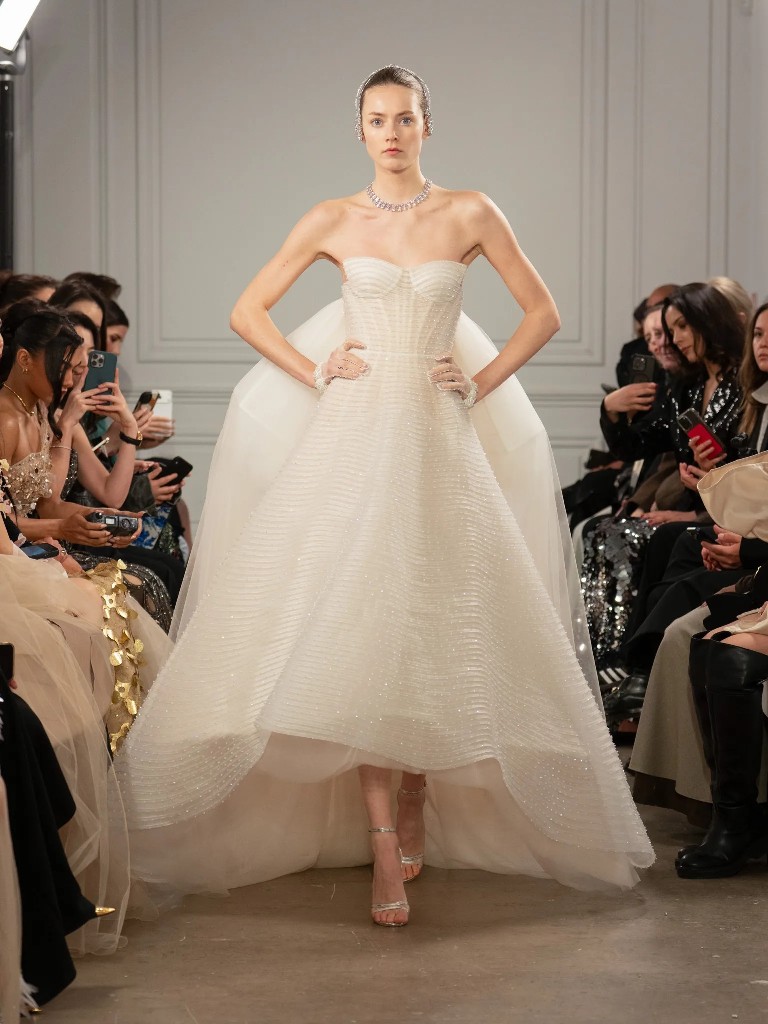
The silhouettes largely adhered to a classically Western couture vocabulary: sculpted corsetry, dramatic volumes, and crinoline-supported skirts. In shorter designs, this structure created playful swing and youthful dynamism. However, in floor-length iterations, the traditional proportions occasionally felt conservative.
Where Phan Huy’s artistry truly resonated was in moments of fluidity. Embroidered netting encrusted with countless stones moved like liquid armor, while a breathtaking chiffon column gown overlaid with elongated glittering strands culminated in a trailing chiffon flourish. These pieces demonstrated a confident balance between delicacy and spectacle.
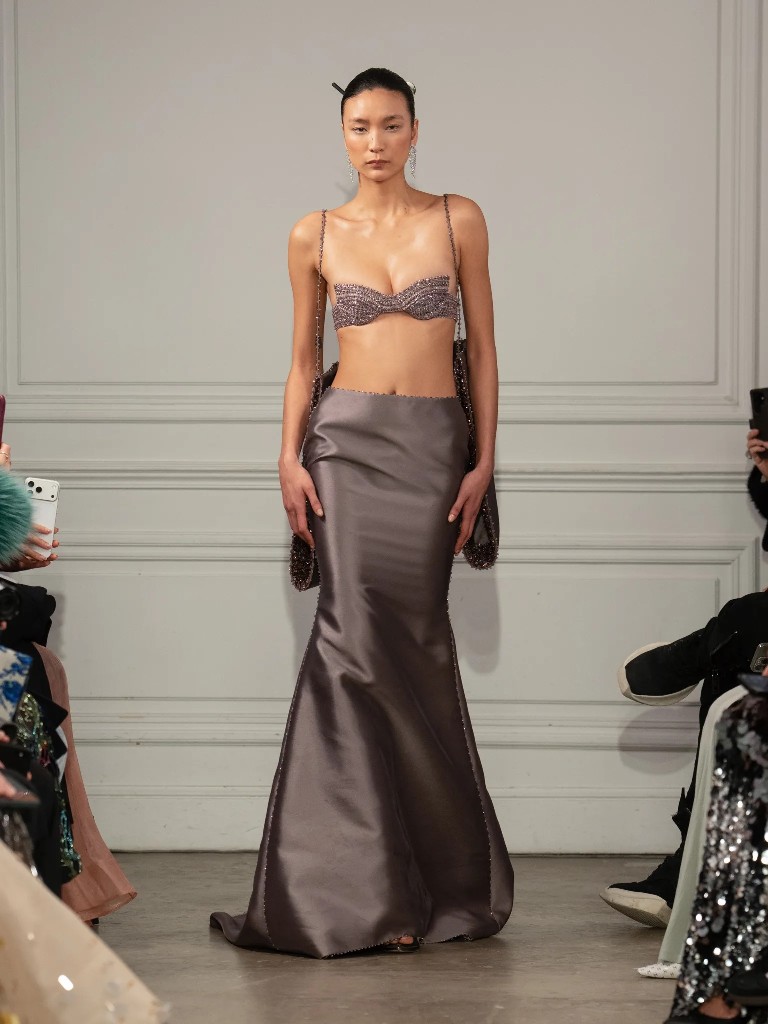
Elsewhere, rhinestone- and sequin-encrusted bralettes introduced a playful sensuality, offering a contemporary counterpoint to the collection’s more formal couture constructions.
Cultural Significance & Industry Impact
Phan Huy’s Paris debut signals a meaningful shift in the global couture landscape. By merging Vietnamese artisanal heritage with established Western couture structures, the designer advances a cross-cultural dialogue grounded in precision and craftsmanship rather than costume.
This historic presentation not only establishes Phan Huy as a rising force in haute couture but also underscores the increasing international diversification of the Paris fashion calendar.
This article is an original editorial analysis produced by [DIBA magazine]
Research and references are used for contextual accuracy.