|
EN
Subscribe to our Newsletter
In 2026–2027, tailoring enters a new phase defined by softness, fluidity, and adaptability. Relaxed tailoring preserves the refinement of classic suiting while prioritizing comfort, movement, and contemporary lifestyles, redefining authority through ease rather than rigidity. With lightweight fabrics, neutral palettes, and flexible silhouettes, this approach dissolves the boundaries between formal and casual dressing, establishing a new standard of modern, intelligent luxury.
by The Editorial Staff
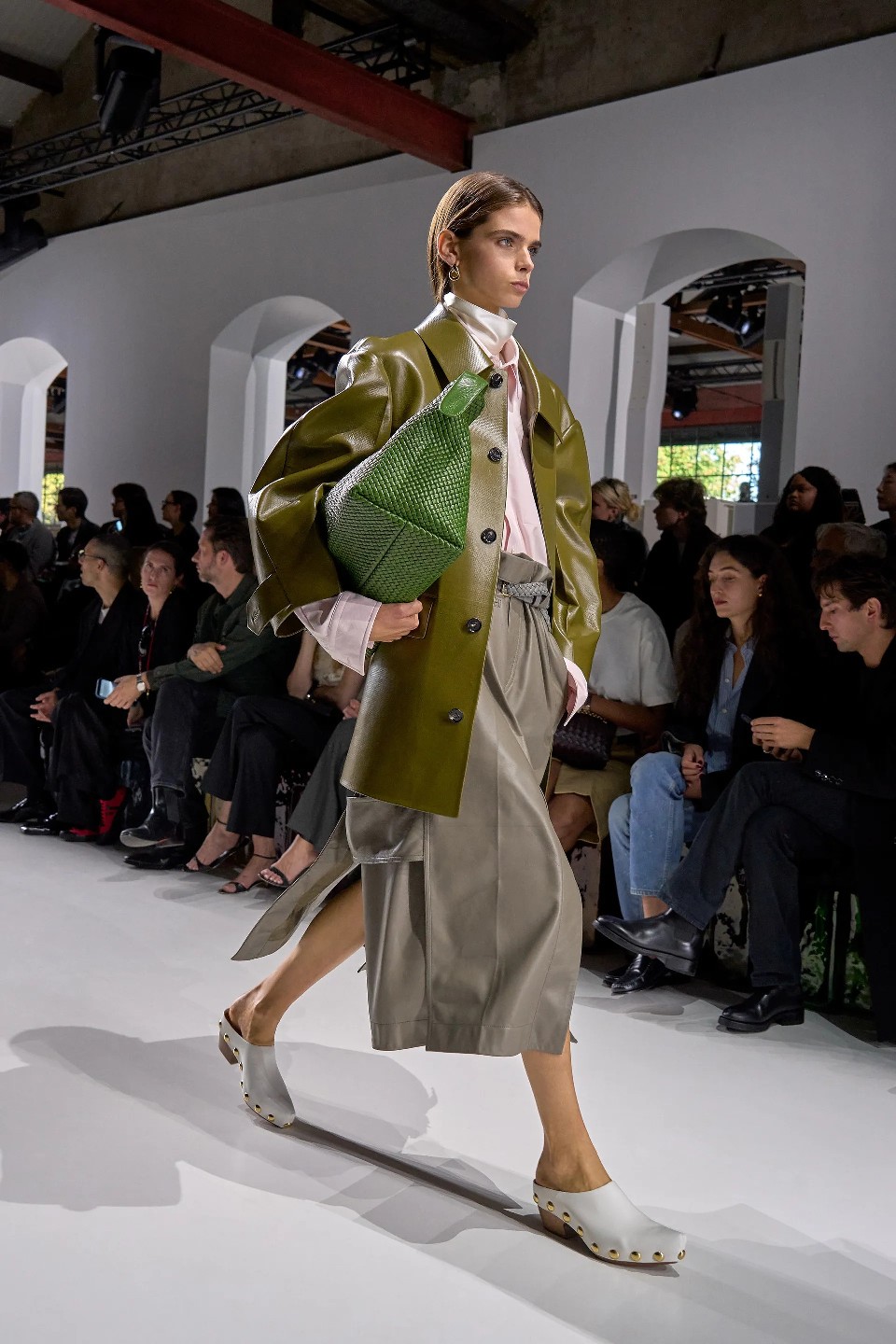
Bottega Veneta
Photo: Gorunway
In 2026–2027, tailoring doesn’t announce itself. It recalibrates.
The sharp authority of traditional suiting, defined by rigid shoulders, dense construction, and overt formality, softens into something more considered, more human. Structure remains, but it relaxes. Elegance is no longer enforced; it is implied.
This is not the collapse of tailoring, but its refinement. A response to a world where professional and personal identities overlap, and where presence matters more than posture.
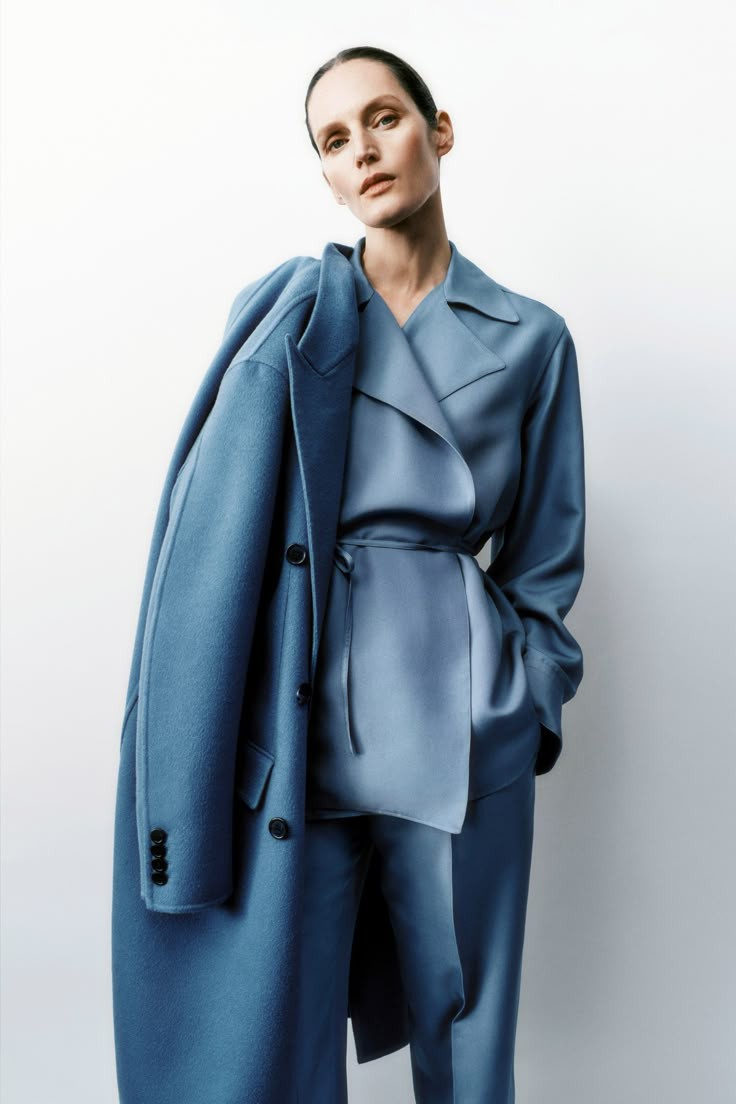
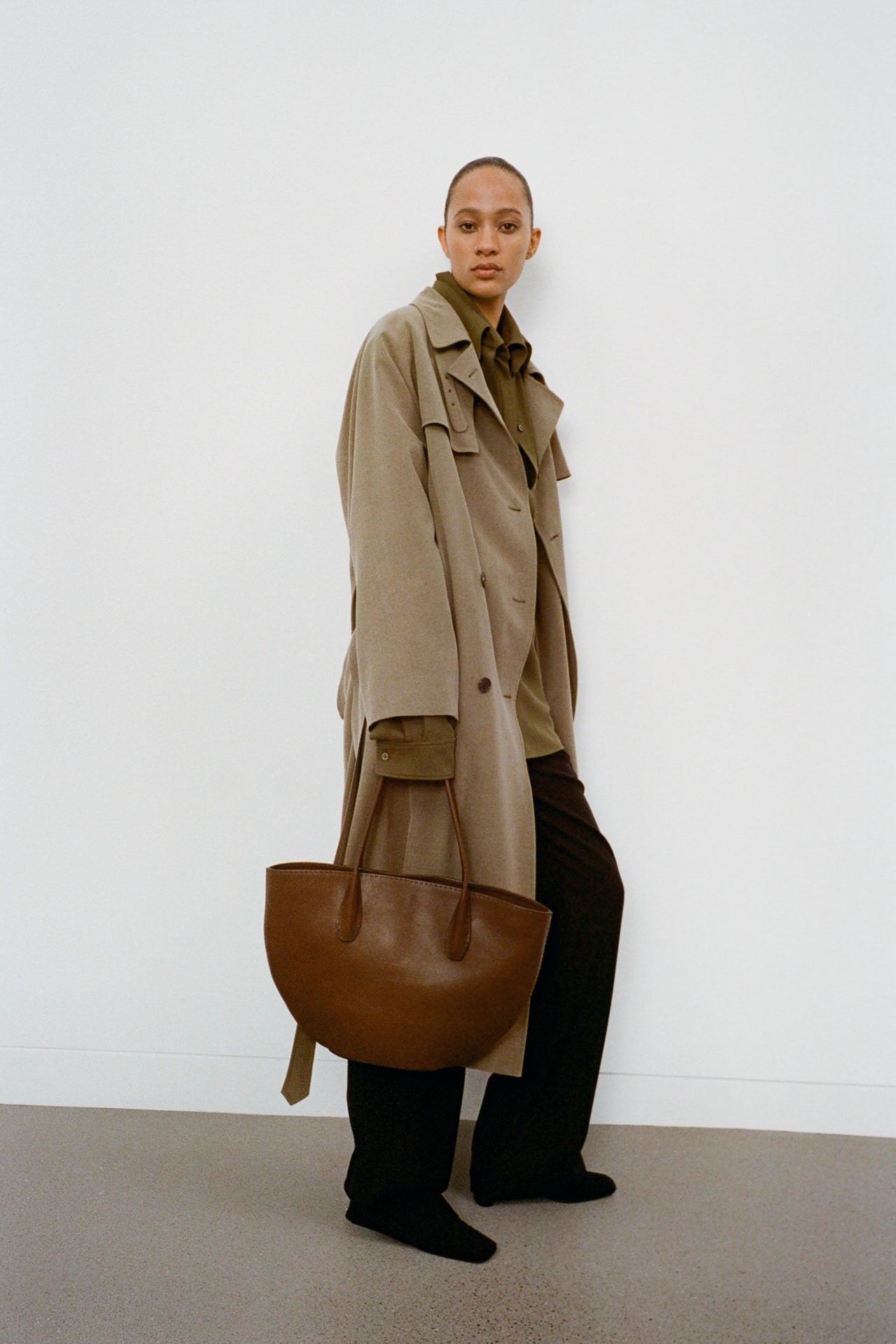
Photo: Pinterest
Soft and relaxed tailoring reframes what power looks like. Jackets are lightly constructed or unlined, allowing fabric to fall naturally along the body. Trousers adopt ease without losing intention. The silhouette is fluid, but never careless.
Authority is no longer communicated through stiffness or weight. It is expressed through confidence, comfort, and precision. In this new visual language, intelligence replaces rigidity, and ease becomes a marker of control.
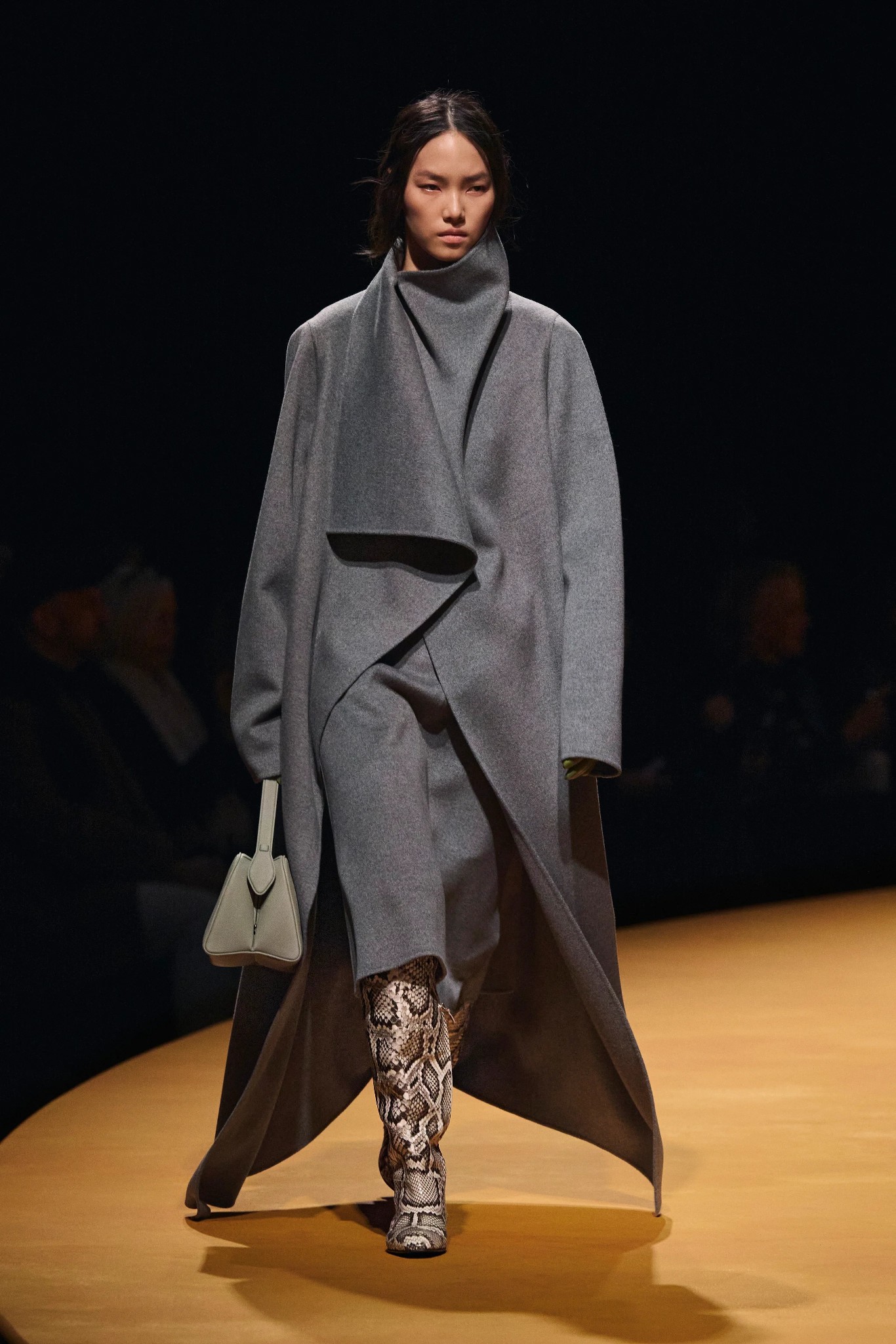
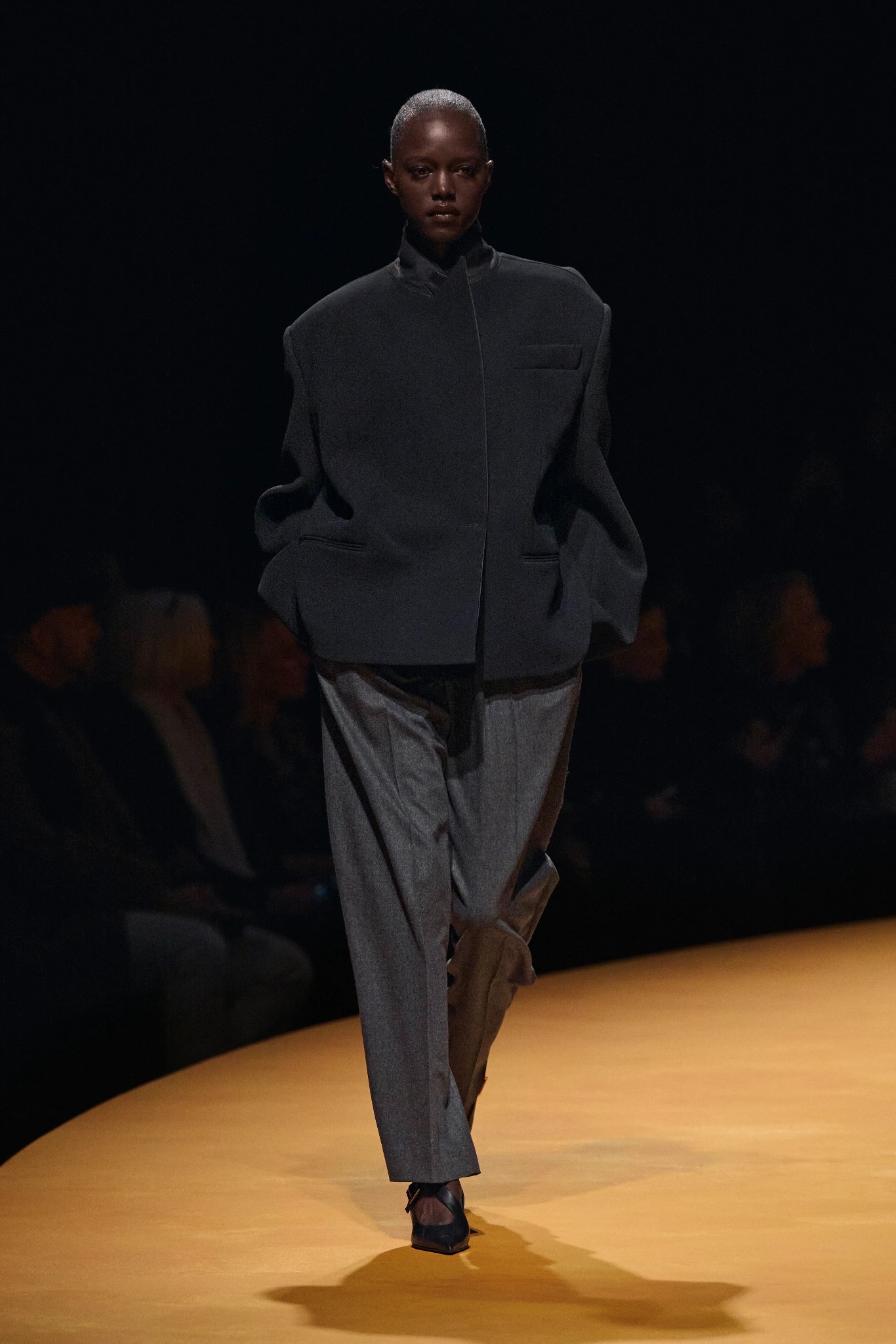
Khaite
Photo: Getty Images
Fabric choice is central to this evolution. Heavy worsts give way to linen, lightweight wool, cotton blends, and refined technical natural fibers. These materials respond to the body and to climate, offering tactility, breathability, and quiet luxury.
Color palettes follow suit. Neutrals dominate, stone, soft grey, beige, olive, tones that feel grounded, timeless, and adaptable.
Nothing is loud. Everything is deliberate.
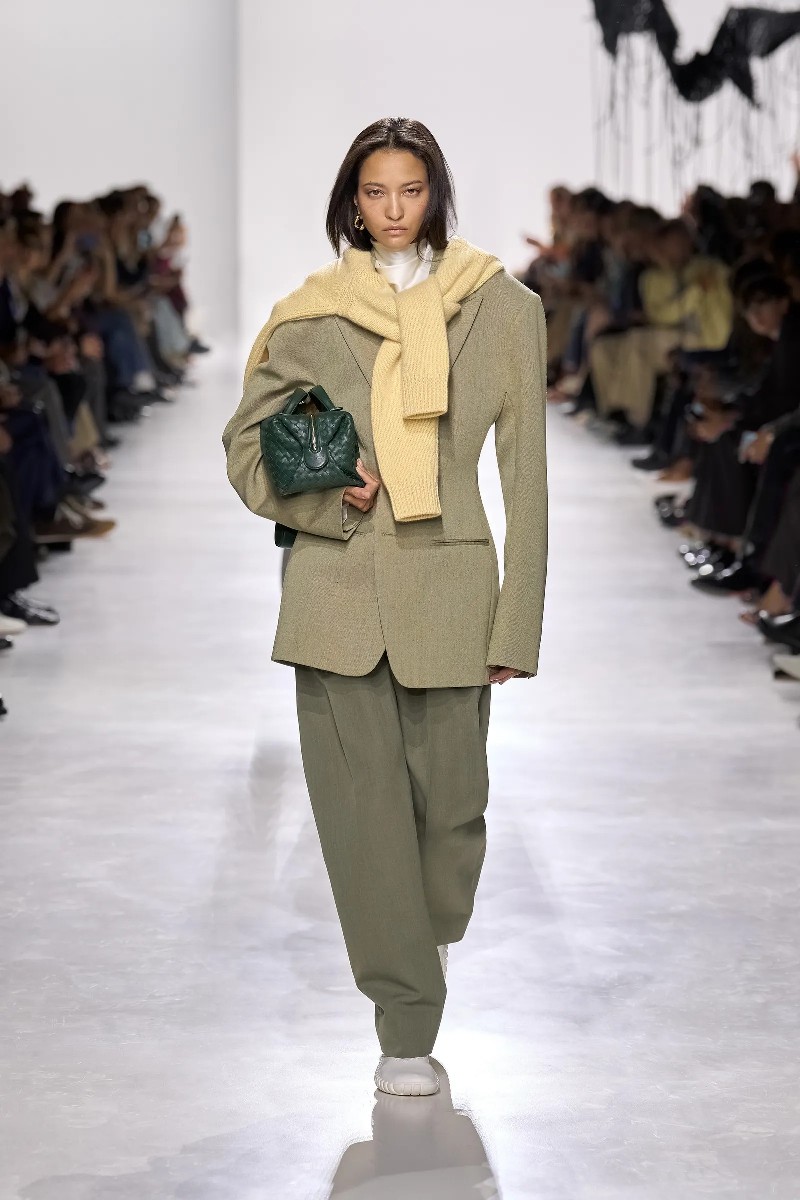
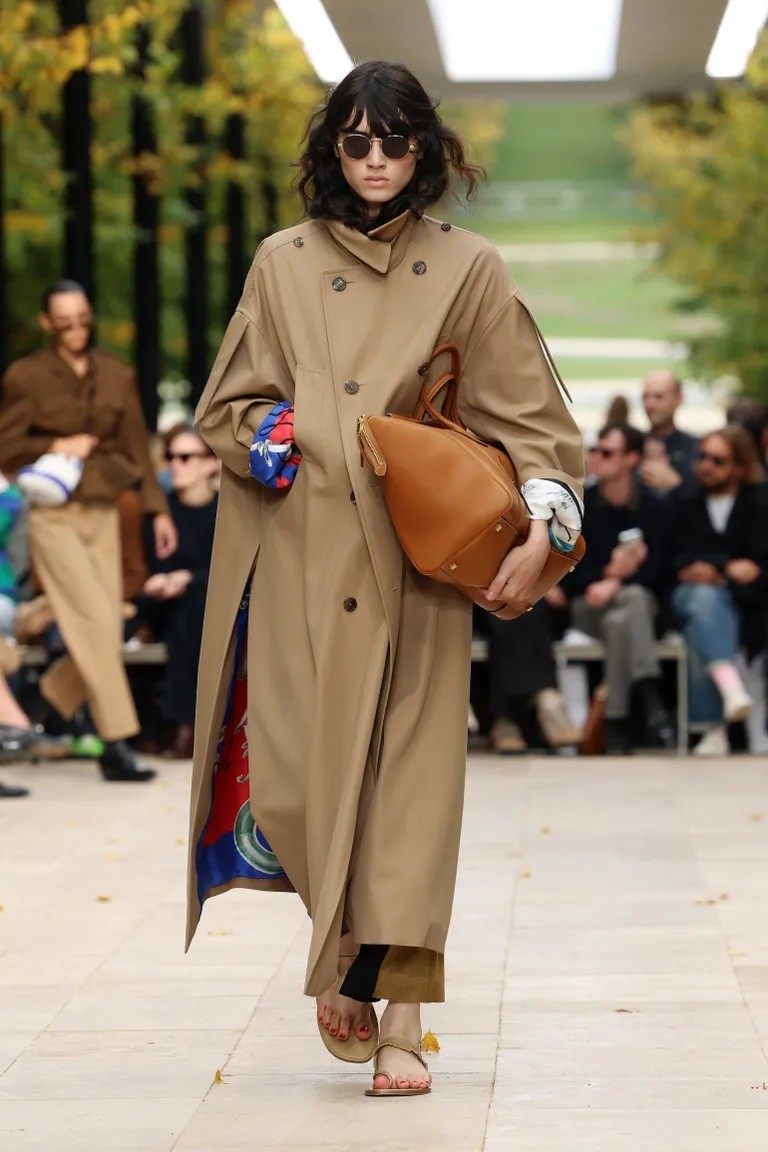
Bottega Veneta
Photo: Gorunway
Celine
Photo: Getty Images
Soft tailoring exists between categories.
An unstructured blazer over a fine-gauge knit or polo moves effortlessly from work to evening. Paired with relaxed trousers and loafers, or pared back with minimalist sneakers, the look remains composed, never constrained.
Beyond the office, the same pieces shift context: layered over a linen shirt or T-shirt, worn with denim or wide-leg trousers, they retain polish while embracing informality.
This is tailoring designed for movement, travel, and real life.
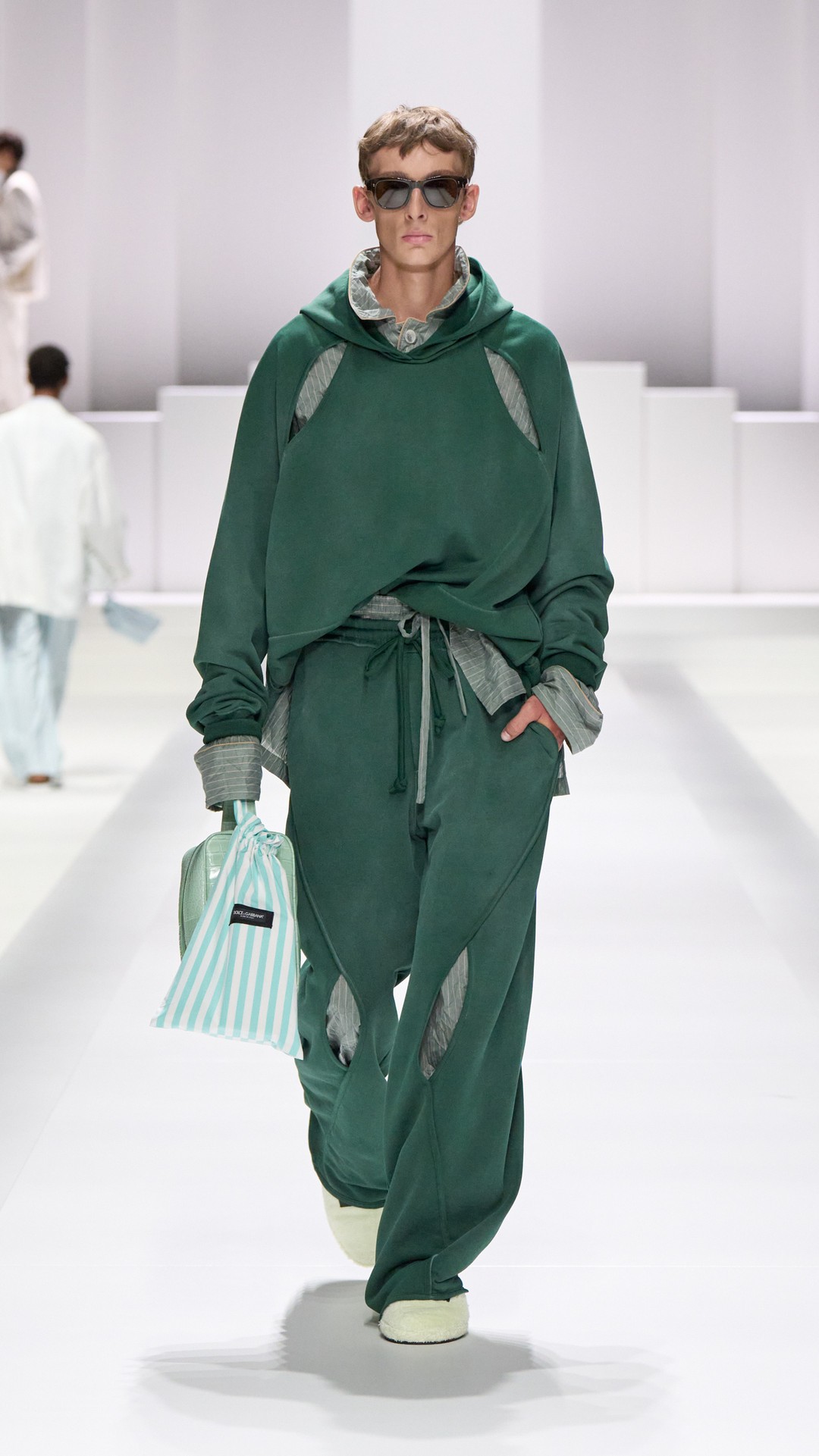
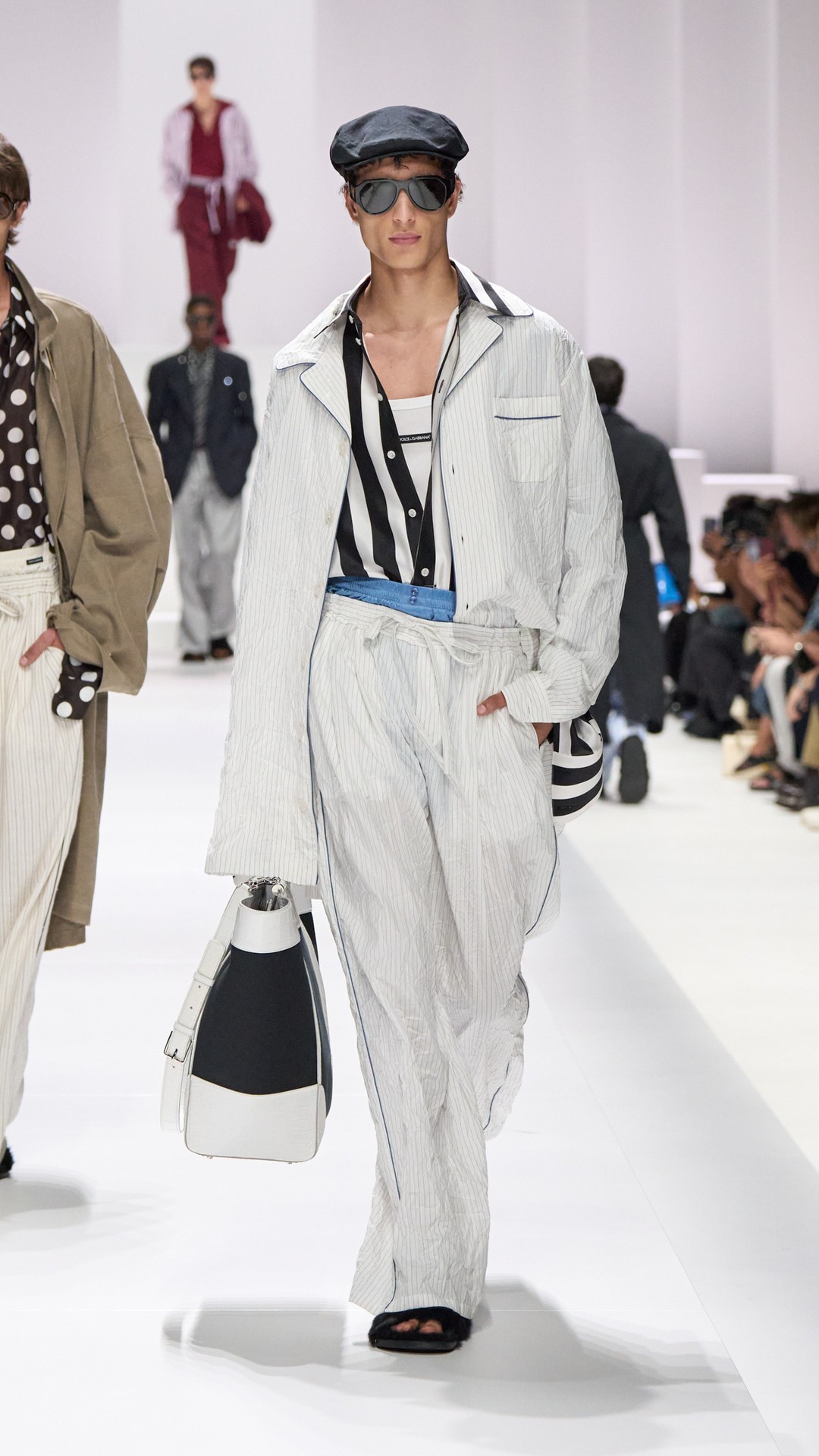
Dolce & Gabbana
Photo: dolcegabbana.com
At its core, soft tailoring resists rigid definitions. Its emphasis on adaptability, movement, and comfort makes it inherently inclusive, fluid across bodies and identities. It also dissolves seasonal boundaries, with lightweight constructions for warmer months and subtle layering for cooler ones.
This is not trend-driven dressing. It is wardrobe intelligence.
By 2026–2027, tailoring no longer relies on control to signal authority. It reflects a deeper cultural understanding: that confidence can be quiet, that elegance can be lived in, and that refinement is most powerful when it feels effortless.
Ease is no longer a compromise. It is the new language of sophistication.
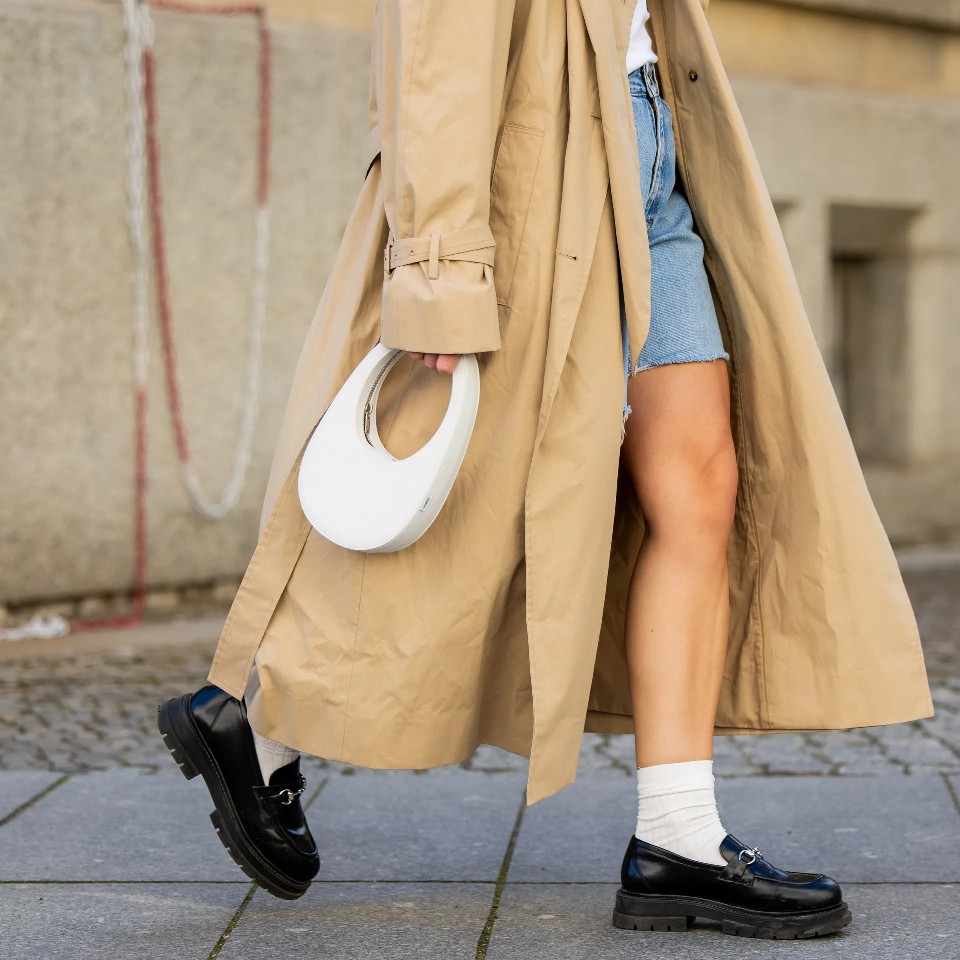
Christian Vierig
Photo: Getty Images
This article is an original editorial analysis produced by [DIBA magazine]
Research and references are used for contextual accuracy.