|
EN
Subscribe to our Newsletter
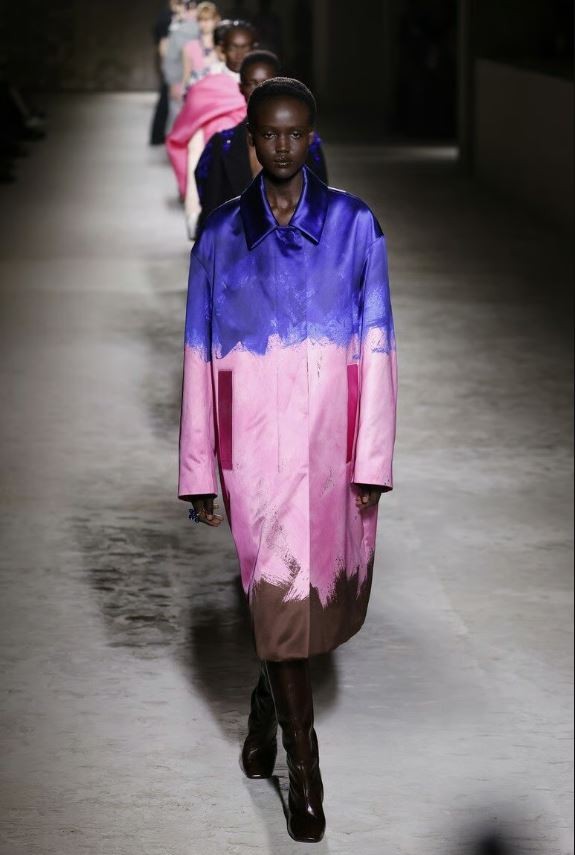
In 2026–2027, Color Blocking evolves from a stylistic technique into a structured visual language of identity, confidence, and creativity. Rooted in modern art and revived through contemporary designers, this approach uses bold, contrasting color fields to express individuality across runway collections and everyday styling, redefining how color communicates meaning in fashion.
Color Blocking in 2026–2027: Structure, Identity, and the New Chromatic Discipline
An Editorial Framework with Brand Case Studies
What is Color Blocking?
Color‑Blocking is a prominent design technique in fashion that involves placing distinct, solid blocks of color next to each other—without gradients or blending—to create a bold, modern, and visually striking effect. (Wikipedia – Color-blocking)
Key points:
Typically uses high-contrast or complementary colors.
Often two or three colors are combined in a single outfit or ensemble.
Purpose: convey energy, creativity, confidence, and identity.
A Brief History
Inspired by the works of Piet Mondrian, featuring simple blocks, clear lines, and pure colors.
Entered mainstream fashion in the 1960s, notably through Yves Saint Laurent’s Fall 1965 Mondrian collection.
Later, American designer Stephen Burrows combined it with disco-era energy and pop culture, making it a key language of personal expression. (Fashion Biography – Stephen Burrows)
Key Features of Color Blocking
Use of bold, pure, high-contrast colors (e.g., red/blue, yellow/purple).
No gradients or subtle mixing—colors sit separately and clearly.
Applicable in clothing types: one-pieces, separates, accessories, and even makeup.
Aim: express energy, identity, creativity, and confidence.
Contemporary Applications in 2026–2027
Designers like Christopher John Rogers and Brandon Maxwell have merged color-blocking with maximalism, revitalizing the technique. (Trend Analysis 2026–2027)
Color Blocking now appears not only in everyday wear and evening dresses but also in suits, bags, shoes, and makeup. (Runway Review – CJR)
Key Guidelines for Successful Color Blocking
Start with neutral tones (beige, gray, black) to balance bold colors. (Styling Guide 2026)
Combine separate pieces in contrasting colors for a modern look.
Begin with one standout color + two simple colors for a safe yet striking style.
Case Studies – Color Blocking in 2026 Collections
Christopher John Rogers
In 2026, this American maximalist designer used Color Blocking to express bold, independent personalities. Neon green, lemon yellow, and deep purple paired with exaggerated silhouettes created a powerful image of freedom and audacity. (Runway Review)
Dries Van Noten
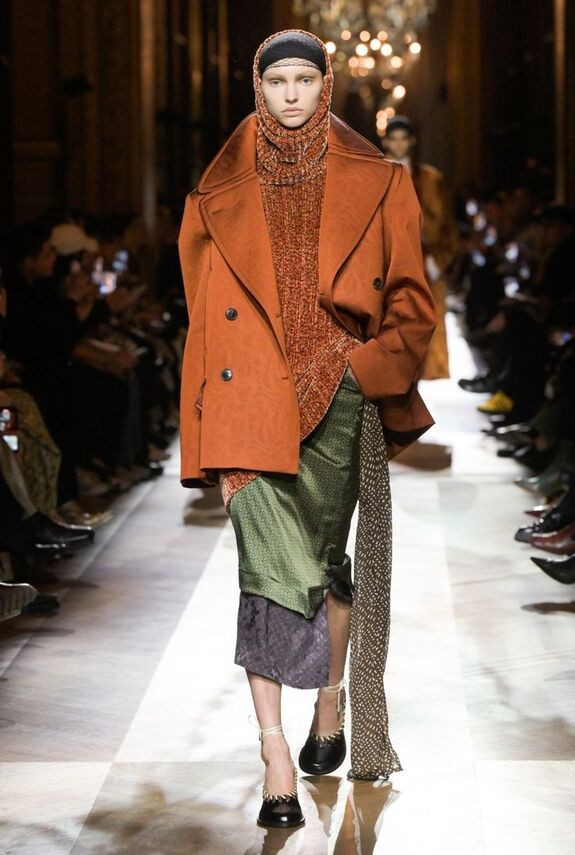
Fall/Winter 2026 collection: poetic and artistic Color Blocking with earthy tones (olive, khaki, navy) combined with warmer shades (burnt orange, brick red). Layering and geometric patterns resulted in a complex, mature, and modern outcome. (Collection Analysis)
Prada
Maintained minimalism but used Color Blocking as a visual balancing tool. Gray, beige, and white combined with stronger colors like red, cobalt blue, and purple — demonstrating that even minimalism can tell a colorful story. (Prada Show Report)
Roksanda
Bold colors, simple lines, and fluid shapes delivered a feminine, modern, and delicate approach. Coral orange, sky blue, and warm yellow on silk fabrics created standout eveningwear and suits. (Designer Interview)
Everyday Styling (2026–2027)
Even outside the runway, Color Blocking is easy to apply:
Example combination:
Navy trousers
Bright yellow blouse
Red jacket
Key takeaway:
colors speak—let them tell your identity. (Everyday Styling Guide)
Conclusion
Color Blocking in 2026–2027 is more than a passing trend — it’s a visual language for identity, creativity, and boldness. When executed thoughtfully, it works for everyday, formal, and avant-garde wear, making outfits inspiring, energetic, and visually compelling.