
|
EN
Subscribe to our Newsletter
From Old Masters to boundary-breaking modern figures, 2026 is shaping up to be a landmark year for art enthusiasts worldwide. Leading museums are preparing major retrospectives, long-awaited reunions of iconic works, and ambitious cross-disciplinary exhibitions that move fluidly across eras, movements, and geographies. Spanning London, Los Angeles, Paris, and Venice, these exhibitions will set the tone of the global cultural calendar, and explain why they belong at the top of every must-see list.
By the Editorial Staff
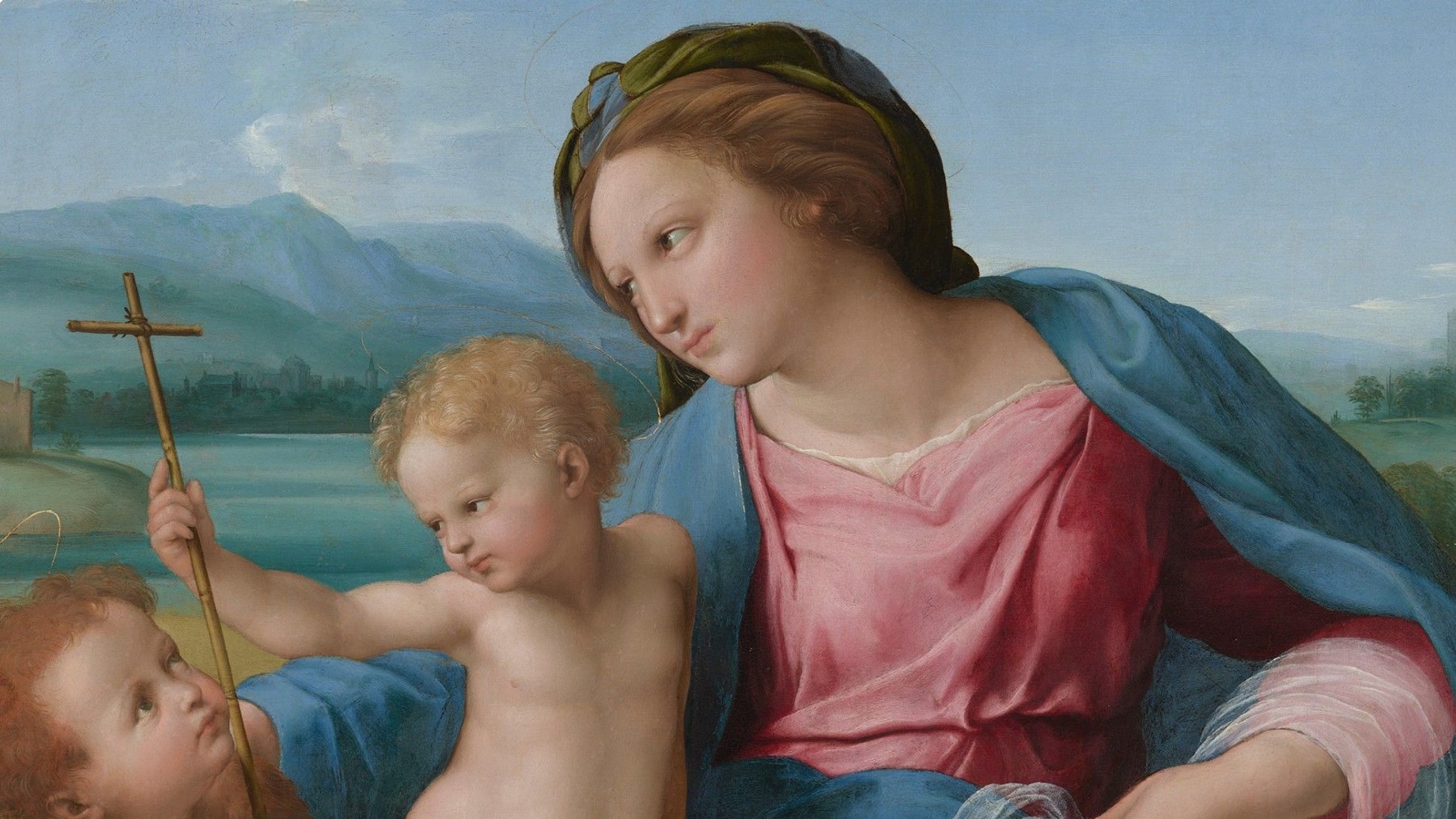
Photo: The Virgin and Child With Infant St. John the Baptist in a Landscape (The Alba Madonna), Raphael, circa 1520 National Gallery of Art
On view at The Metropolitan Museum of Art, Raphael: Sublime Poetry marks the first major U.S. exhibition devoted to Raphael. Bringing together more than 200 works, from drawings and paintings to tapestries and decorative objects, the exhibition traces his artistic journey from Urbino to Florence and ultimately to the papal court in Rome, offering new perspectives on one of the central masters of the Italian Renaissance.
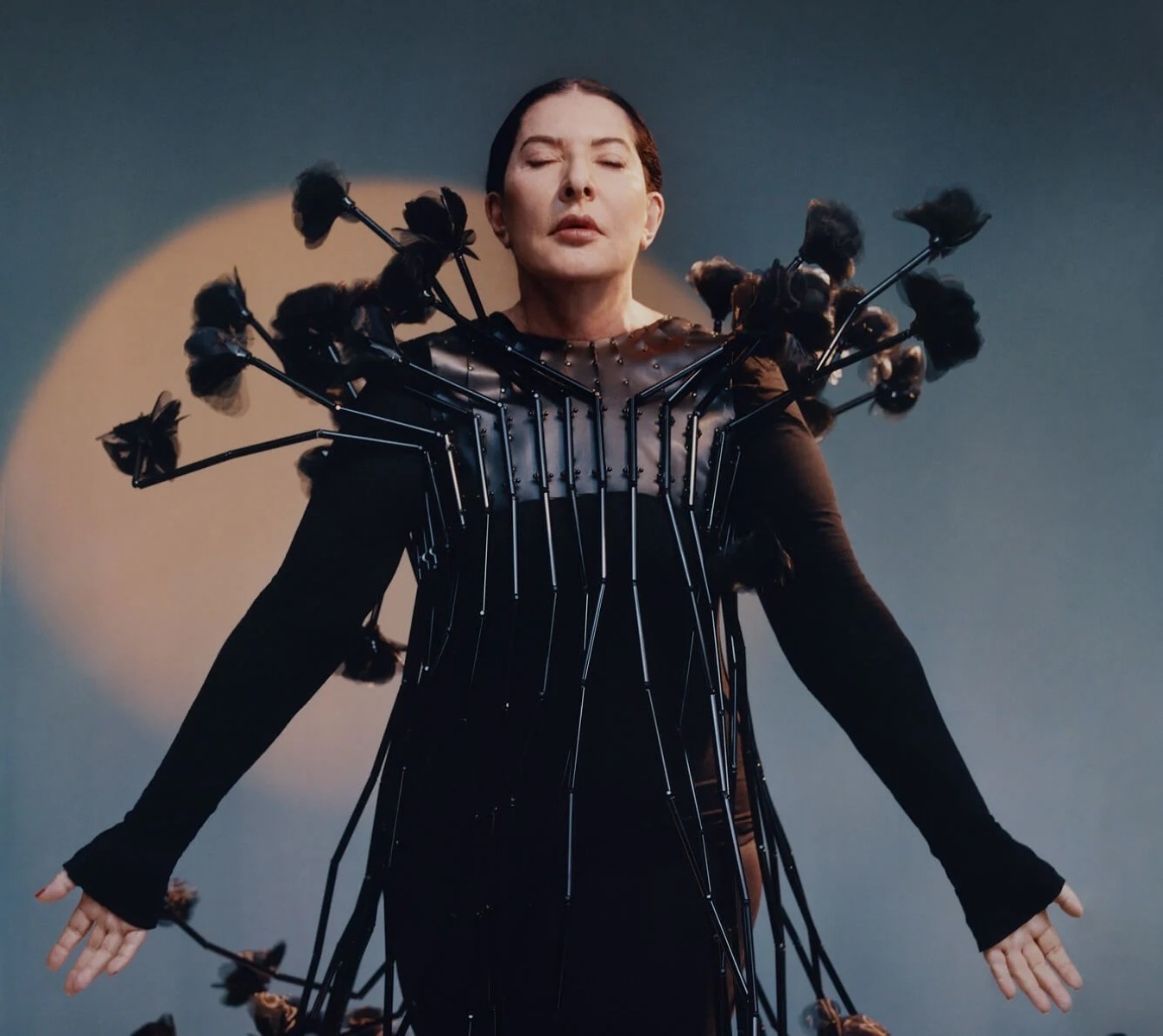
Photo: Marina Abramović ,Photography by JOSHUA WOODS
The Gallerie dell’Accademia in Venice will host a landmark solo exhibition by Marina Abramović, timed to coincide with the Venice Biennale and the artist’s 80th birthday. As the first living woman to receive a solo presentation at the historic institution, Abramović will see both new and seminal works woven throughout the museum’s permanent collection, placing contemporary performance in conversation with Renaissance masterpieces. It is also the first time the Accademia has allowed a contemporary exhibition to move beyond its traditional temporary galleries.
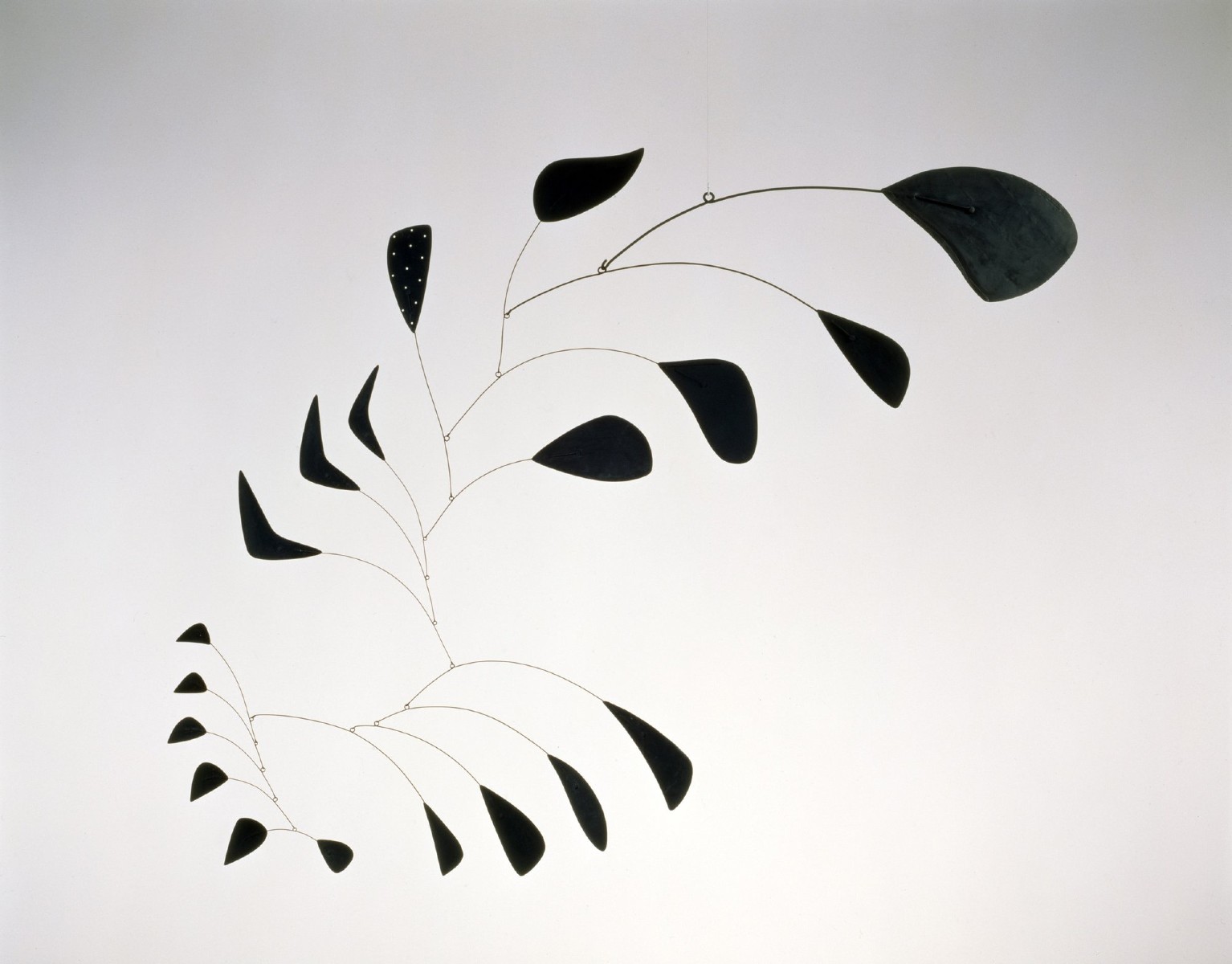
Photo: Alexander Calder, Vertical Foliage, 1941, Calder Foundation
This April, the Fondation Louis Vuitton unveils *Calder. Rêver en Équilibre, a major retrospective celebrating pivotal centenaries in Alexander Calder’s life. Covering five decades of artistic production, the exhibition follows his journey from the intimate world of *Cirque Calder* to large-scale public sculptures. Nearly 300 works are on view, with Calder’s mobiles activating Frank Gehry’s architecture in a carefully orchestrated interplay of motion and light.
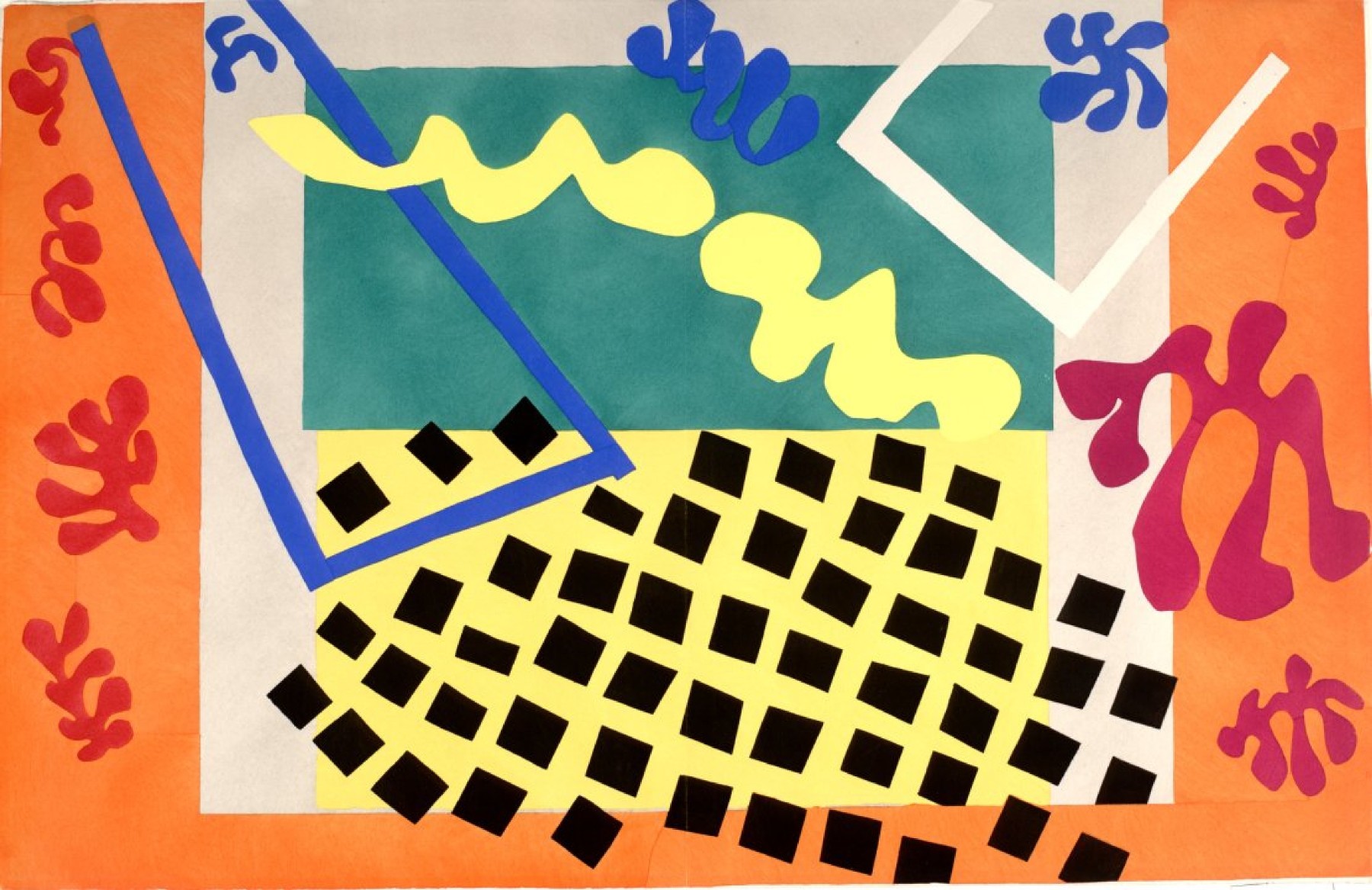
Photo: Les Codomas (The Codomas) from Jazz, 1947, Henri Matisse
This exhibition at The Art Institute of Chicago offers a renewed perspective on the iconic Henri Matisse. Unable to paint and confined to bed during the 1940s, Matisse turned to an unexpected medium: cut paper. Inspired by memories of circuses, journeys, folktales, and Parisian music-hall performances, he produced a series of 20 maquettes, now being shown together in full public view for the very first time.
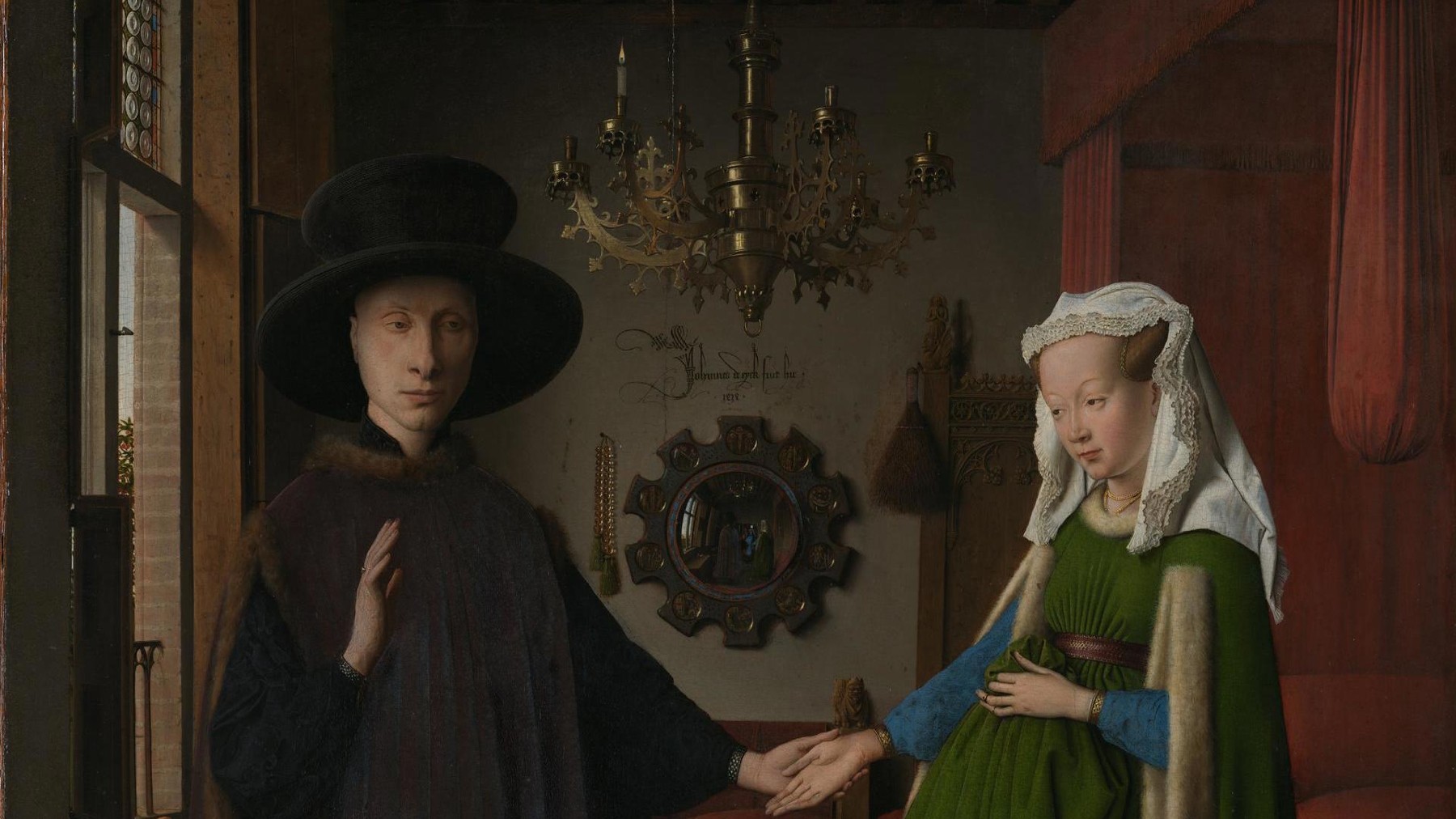
Photo: Portrait of Giovanni(?) Arnolfini and his Wife, Jan van Eyck, National Portrait Gallery
For the first time in history, every known painted portrait by Jan van Eyck will be brought together at The National Gallery. Widely regarded as the pioneer of modern portraiture, van Eyck transformed painting with an unprecedented precision and psychological realism. Rarely loaned and almost never shown side by side, these exceptionally delicate works present a singular opportunity to come face to face with the individuals he rendered immortal.
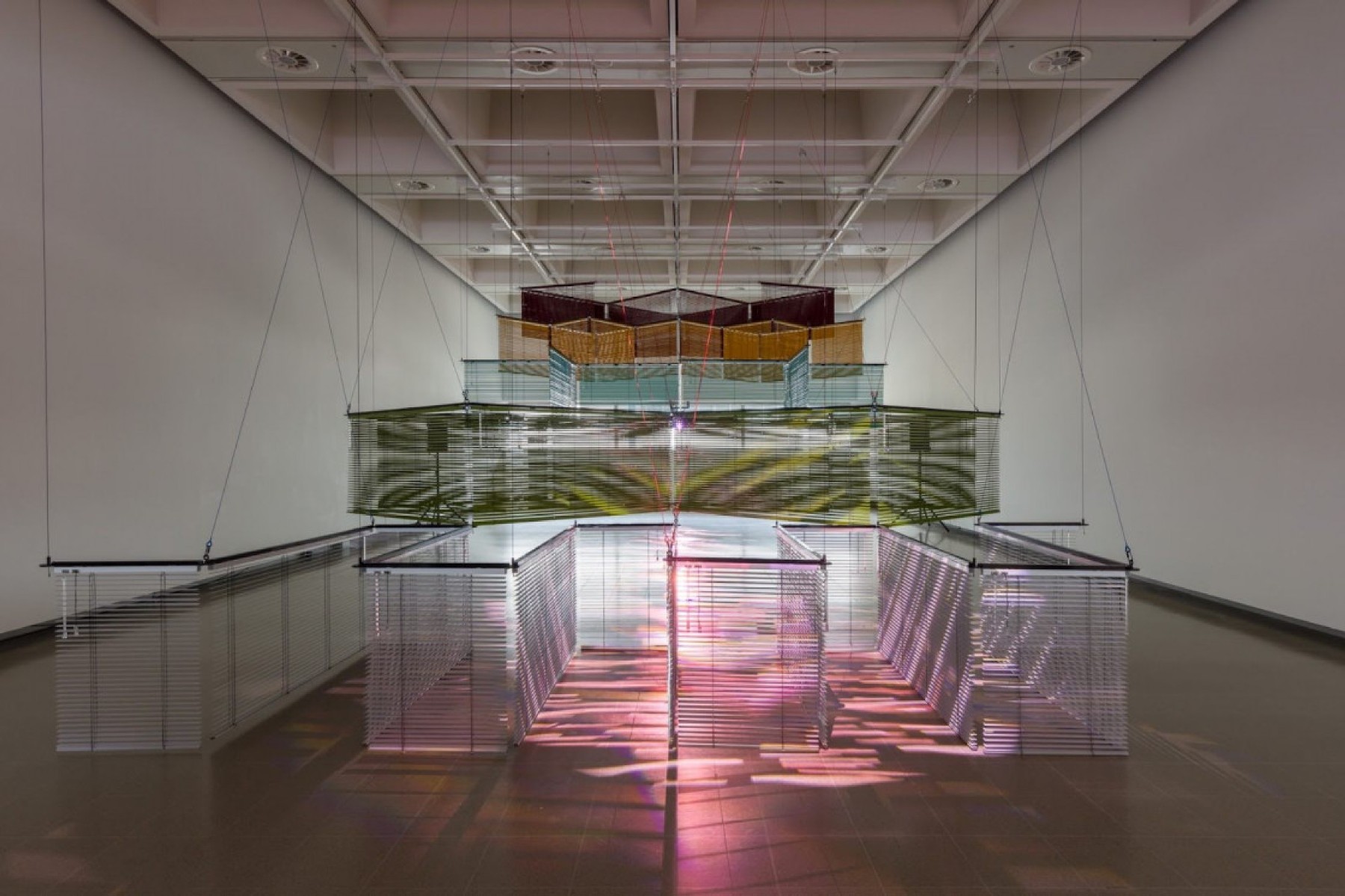
Photo: Haegue Yang, Star-Crossed Rendezvous after Yun, 2024, Courtesy of the artist.
MOCA and the Los Angeles Philharmonic join forces on an ambitious cross-disciplinary collaboration that brings together visual artist Haegue Yang and composer Isang Yun. The project includes the U.S. premiere of Yang’s installation *Star-Crossed Rendezvous after Yun* at MOCA Grand Avenue, alongside a one-night performance of Yun’s *Double Concerto* at Walt Disney Concert Hall, forging a dynamic conversation between visual form and musical expression.
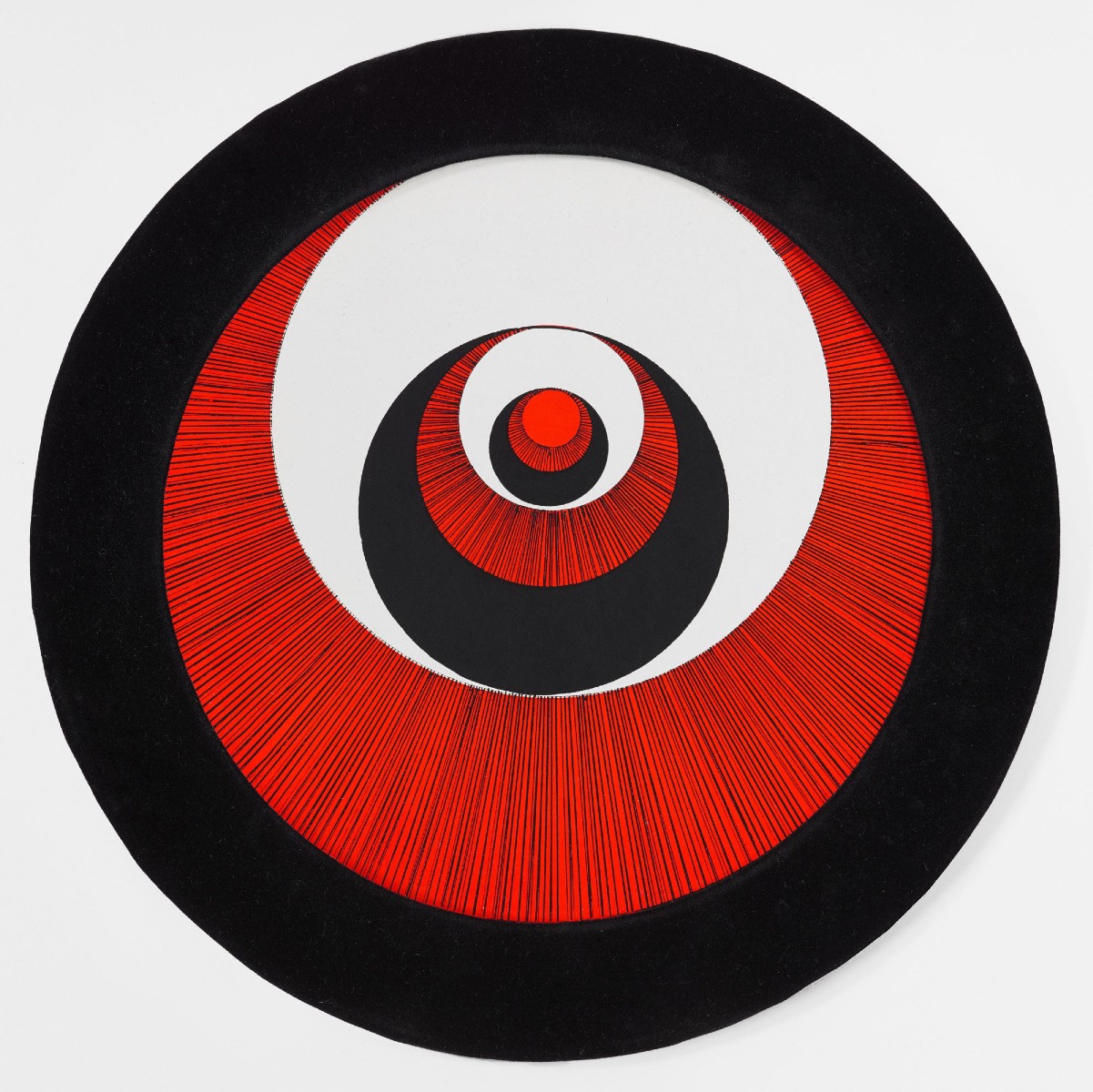
Photo: To Be Looked At, Marcel Duchamp, MoMA
Bringing together approximately 300 works, the exhibition marks the artist’s first major U.S. retrospective since 1973. In the five decades since, both critical scholarship and layers of myth have accumulated around Duchamp’s famously elusive body of work. Spanning every medium and covering the years 1900 to 1968, the exhibition offers a sweeping view of his career, granting today’s audiences a rare opportunity to grasp the full breadth of his artistic vision.
This article is an original editorial analysis produced by [DIBA magazine].
Research and references are used for contextual accuracy.