
|
EN
Subscribe to our Newsletter
For more than a thousand years, the Shahnameh has stood as the backbone of Persian cultural memory, a monumental epic that preserves myth, history, and identity in poetic form. With the release of a new Reader’s Edition in March 2025, this foundational work of world literature is now more accessible than ever to contemporary English-language readers.
By the Editorial Staff
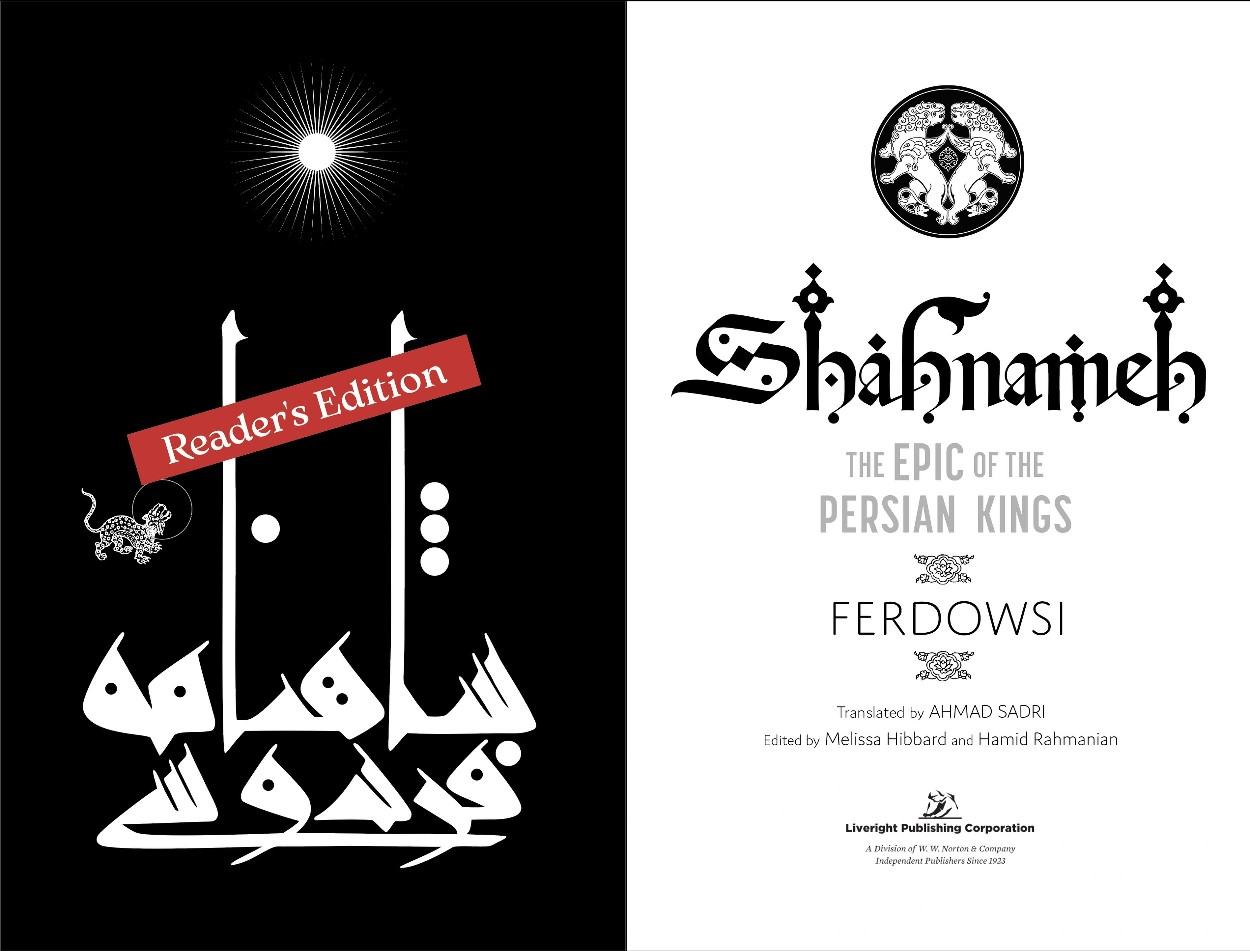
Shahnameh: The Epic of the Persian Kings , A New Reader’s Edition for a New Generation
For more than a thousand years, the Shahnameh has stood as the backbone of Persian cultural memory, a monumental epic that preserves myth, history, and identity in poetic form. With the release of a new Reader’s Edition in March 2025, this foundational work of world literature is now more accessible than ever to contemporary English-language readers.
An Epic That Shaped a Civilization
Written in the late 10th and early 11th centuries by the Persian poet Abolqasem Ferdowsi, the Shahnameh, or The Book of Kings, is one of the longest epic poems ever composed, comprising over 50,000 couplets. Ferdowsi devoted more than three decades of his life to crafting this monumental work, preserving the myths, legends, and historical memory of Iran at a time when Persian language and culture were under threat.
More than a literary masterpiece, the Shahnameh is a cultural archive. It traces the story of the world from the dawn of civilization through heroic myth, legendary kings, moral struggles, and finally into recorded history, ending with the Arab conquest of Iran in the seventh century. For centuries, it has shaped Persian ideas of justice, heroism, kingship, and resistance.
A Contemporary Translation for Modern Readers
The newly released Reader’s Edition of Shahnameh: The Epic of the Persian Kings presents the complete epic in a clear, contemporary English prose translation by Dr. Ahmad Sadri, making the text approachable without sacrificing its emotional depth or narrative power. This edition is published by Liveright and is currently available for readers in the United States and Canada.
Unlike poetic translations that can feel distant or academic, Sadri’s prose rendering emphasizes storytelling, momentum, and clarity. The result is a version of the Shahnameh that reads not as a relic of the past, but as a living narrative, rich with drama, moral tension, and timeless human questions.
What Makes This Reader’s Edition Distinct
This new edition differs significantly from the original illustrated volume published in 2013. While the earlier edition presented only the first portion of the epic—the mythological and heroic cycles, this Reader’s Edition includes the complete work for the first time.
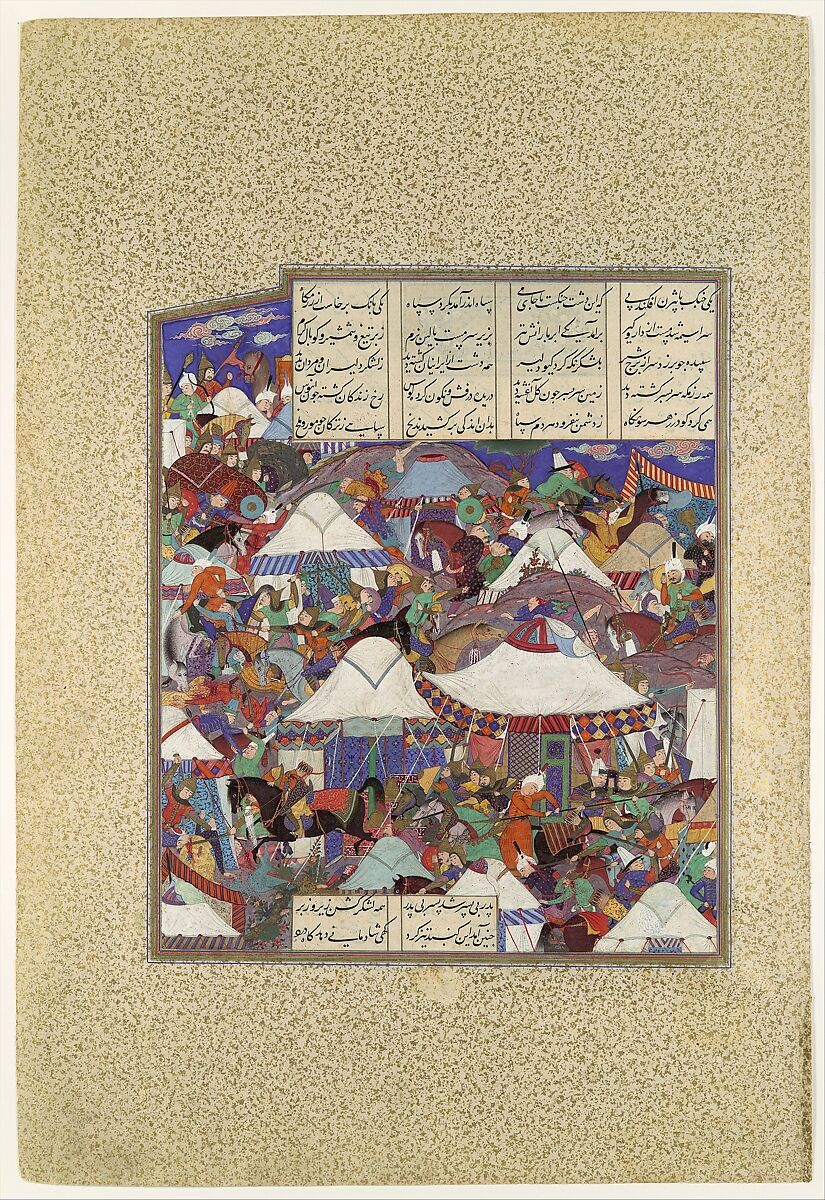
The Shahname of Tahmasp
Photo: The Met Musume
The epic is divided into two major sections:
Part I: Myth and Legend
This section spans the creation of the world through the age of heroes, culminating in the death of Rostam, the Shahnameh’s most iconic and tragic figure. These stories are filled with mythical creatures, divine tests, epic battles, and ethical dilemmas that define Persian mythology.
Part II: History and Kingship
The second half transitions into a fictionalized yet historically grounded retelling of Iran’s ancient past, from early dynasties to the fall of the Sasanian Empire. This section concludes with the Arab conquest, marking a profound turning point in Iranian history.
Together, these two parts offer a sweeping narrative that connects myth to history, imagination to memory.
Designed for Reading, Not Display
The Reader’s Edition follows a traditional 6 x 9–inch format and is intentionally unillustrated, making it lighter, more portable, and ideal for sustained reading. While it does not include the extensive artwork of the earlier edition, it features elegantly designed chapter openers by Hamid Rahmanian, preserving a visual rhythm without interrupting the flow of the text.
This format reflects the purpose of the edition: not as a collector’s object, but as a book meant to be read, studied, and revisited.
Scholarly Collaboration and Cultural Care
In addition to Ahmad Sadri’s translation, the edition is edited by Melissa Hibbard and Hamid Rahmanian, ensuring both literary precision and cultural sensitivity. The introduction by historian Lloyd Llewellyn-Jones provides historical and intellectual context, helping readers unfamiliar with Persian history navigate the epic’s vast scope.
The result is a carefully curated collaboration that respects the Shahnameh’s legacy while opening it to a broader, global audience.
Why This Edition Matters Today
The Shahnameh is not only Iran’s national epic; it is a cornerstone of world literature that has influenced storytelling traditions far beyond Persia. Its themes, power and responsibility, justice and tyranny, loyalty and betrayal, remain urgently relevant.
This new Reader’s Edition allows modern readers to encounter the Shahnameh not as an academic artifact, but as an immersive narrative experience. For readers of epic mythology, fans of works like Norse Mythology or Mythology by Edith Hamilton, and anyone interested in cultural origins, this edition offers a compelling entry point into one of humanity’s greatest literary achievements.
This article is an original editorial analysis produced by [DIBA magazine].
Research and references are used for contextual accuracy.