
|
EN
Subscribe to our Newsletter
In 2026, the bridal bouquet steps into a more intentional role. No longer just a decorative detail, it becomes a statement, reflecting the bride’s mood, aesthetic, and point of view. Defined by bold silhouettes, tactile textures, and artistic composition, this year’s bouquets feel expressive, modern, and quietly powerful.
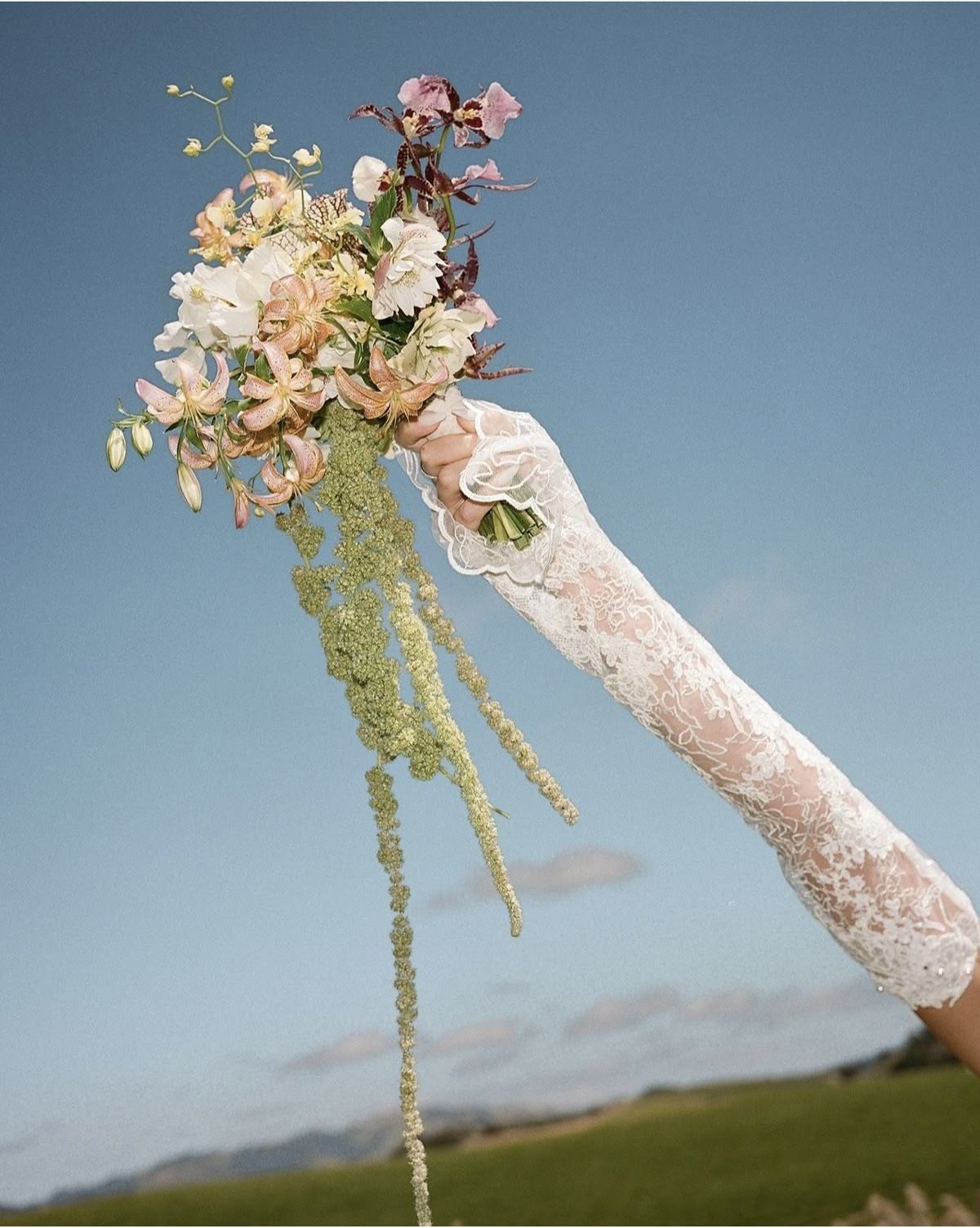
Once considered a finishing touch, the bridal bouquet has quietly evolved into one of the most expressive elements of a wedding look. It’s present in every photograph, frames the walk down the aisle, and often reveals more about the bride’s sensibility than any other detail.
By 2026, bouquets are no longer about convention or symmetry, they’re about intention. Designers are embracing bold silhouettes, tactile textures, and unexpected compositions that blur the line between floristry and contemporary art. From architectural forms to emotionally driven arrangements, these are the ten bouquet trends shaping weddings in 2026, and redefining what it means to carry flowers.
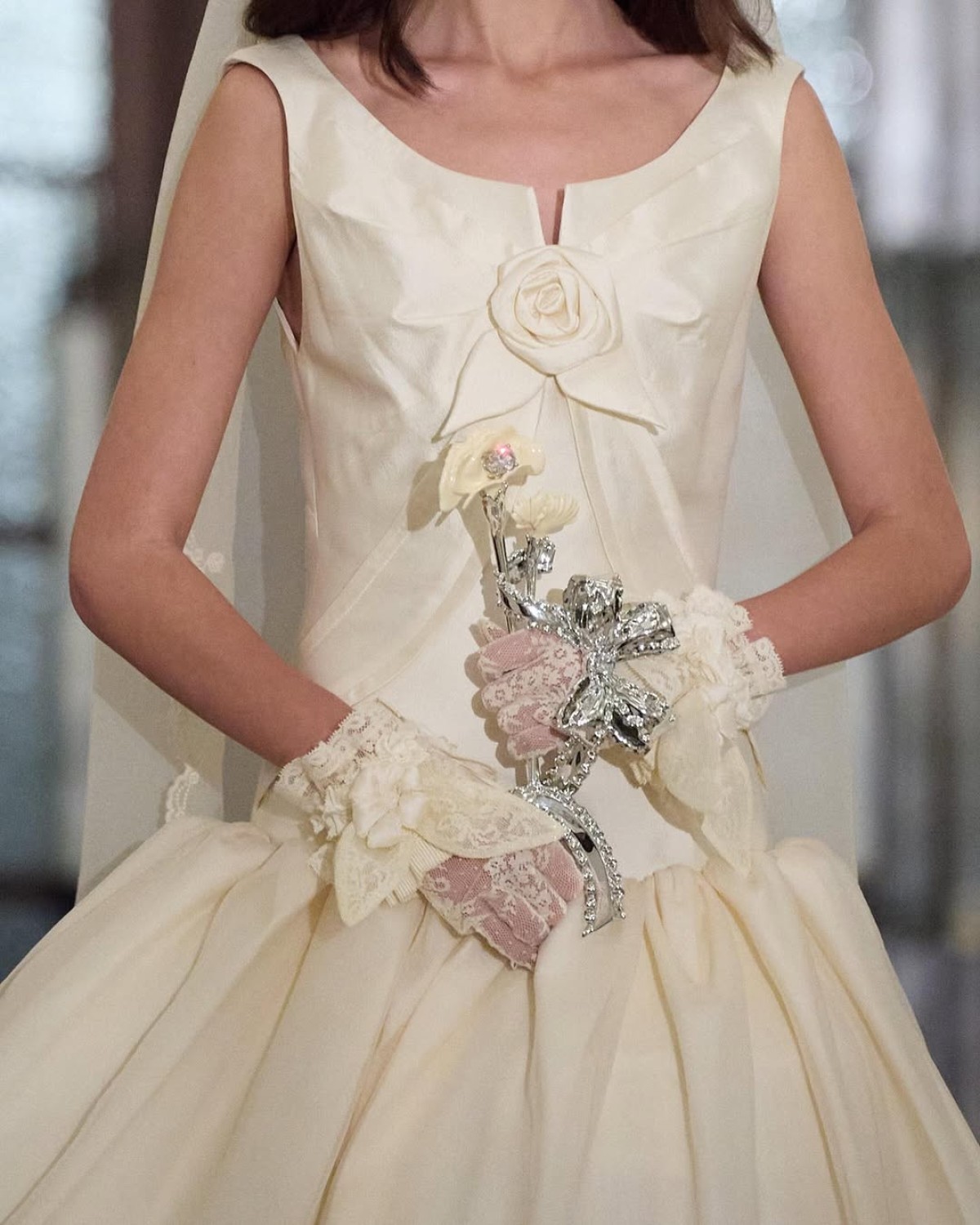
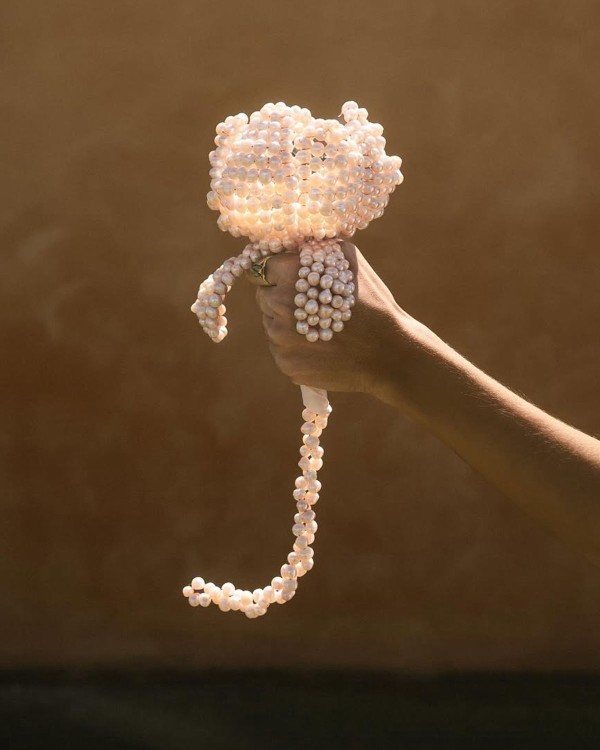
In 2026, bridal bouquets step into the realm of collectible art. Crafted by hand from materials such as glass, metal, beads, and fabric, these sculptural creations transform florals into enduring objects d’art rather than momentary arrangements. Expressive, artisanal, and entirely unique, each piece is designed not just for the aisle, but to be preserved, treasured, and admired long after the wedding day has passed.
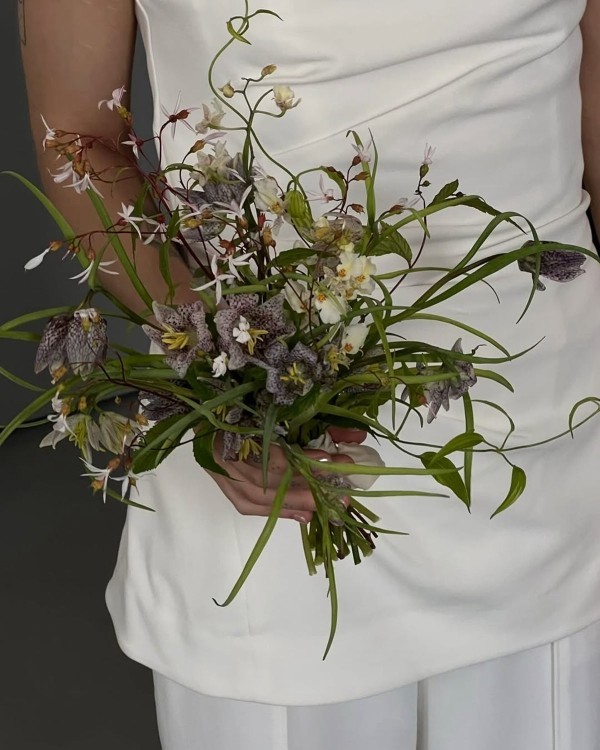
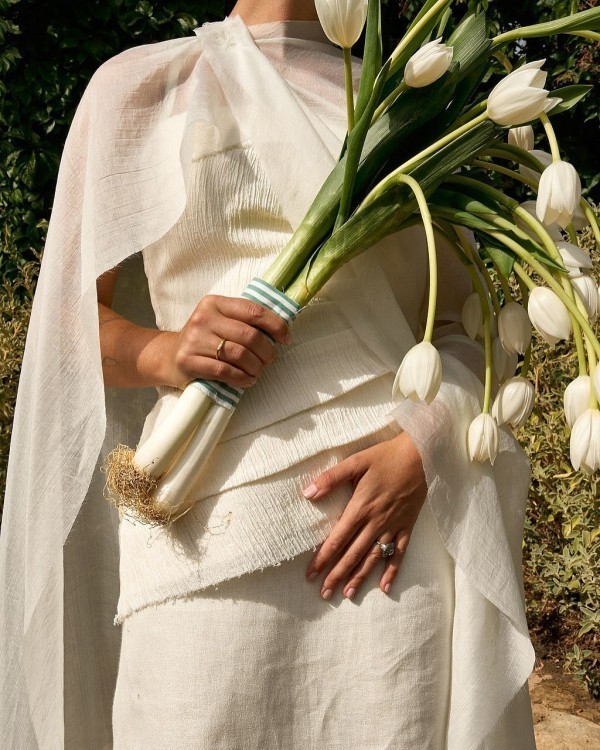
Fresh cut stem bouquets lean into instinct over structure. Celebrating simplicity at its most honest, these arrangements highlight individual blooms in their natural state, newly cut, loosely assembled, and purposefully unpolished. With exposed stems, minimal binding, and an emphasis on organic length and line rather than perfect symmetry, the result feels effortless, raw, and quietly spontaneous.
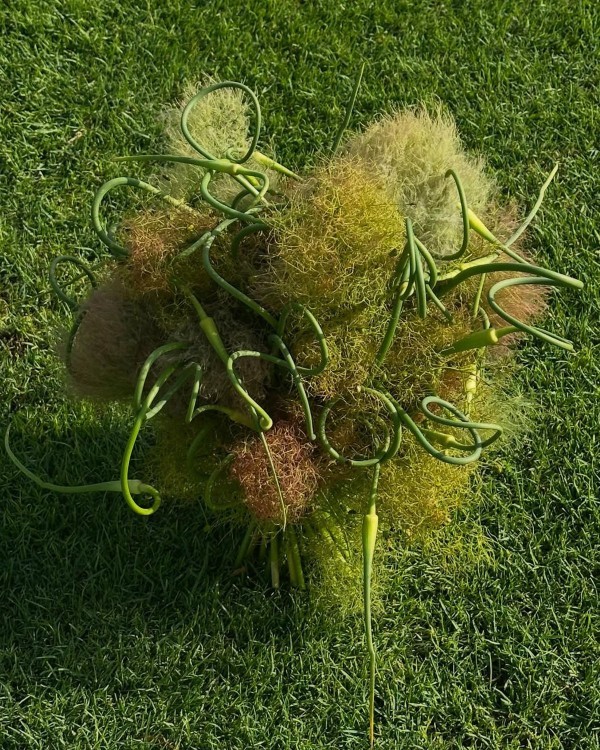
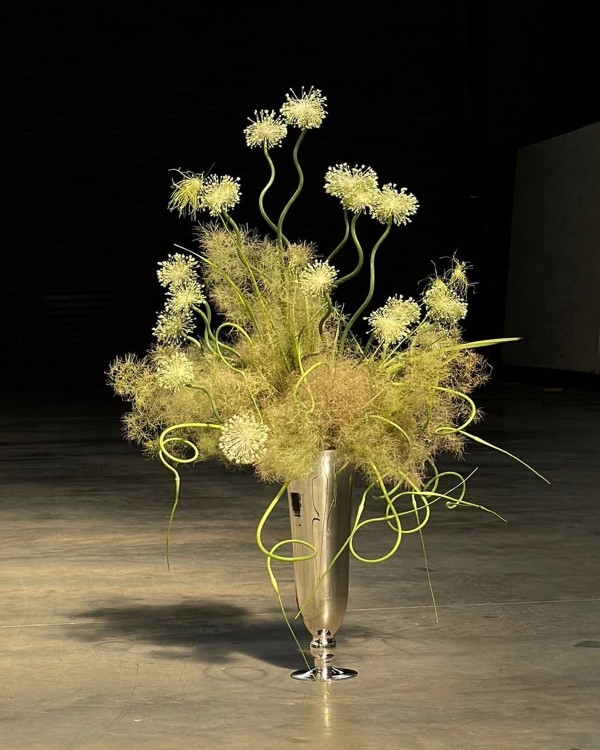
These bouquets don’t aim to behave, and that’s exactly the point. With untamed stems, asymmetric silhouettes, and fluid, free-moving compositions, they challenge traditional ideas of what it means to look “finished.” Vines spill outward, branches extend with intention, and florals appear as though they’ve grown organically into place rather than been carefully arranged. Raw, expressive, and slightly rebellious, this style favors emotion over polish, and feels all the more powerful because of it.
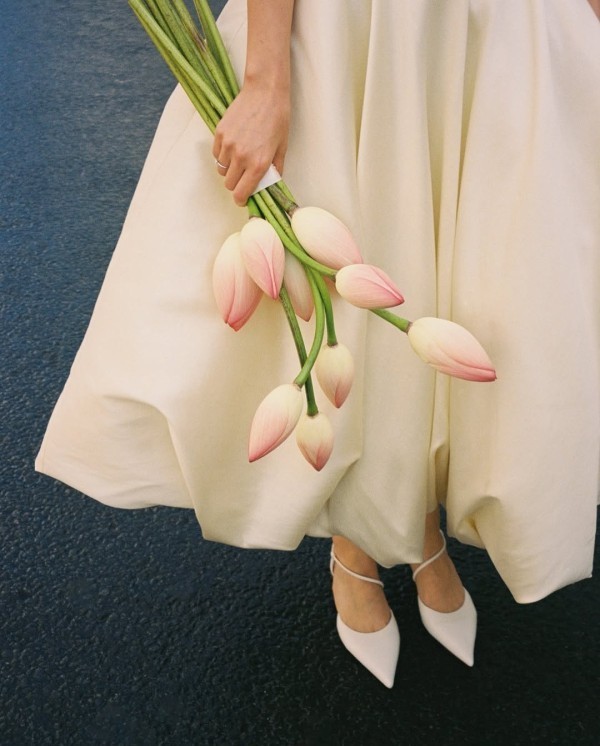
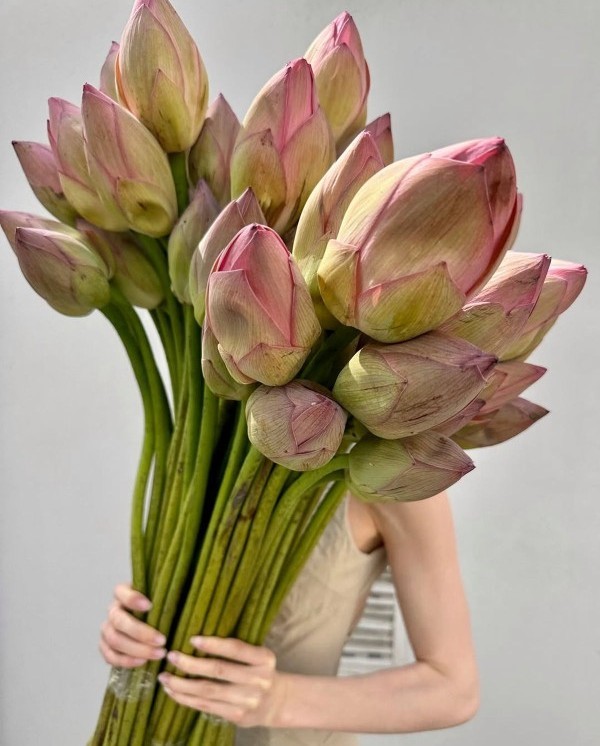
In 2026, brides are choosing florals with presence, blooms that communicate more than beauty alone. The lotus answers that call effortlessly. Valued for its sculptural form and earthy, architectural texture, the lotus pod introduces a subtle edge to bridal bouquets, while the bloom itself adds softness, symbolism, and a measured sense of drama. Used together, they create depth and contrast; standing alone, each makes a confident, intentional statement.
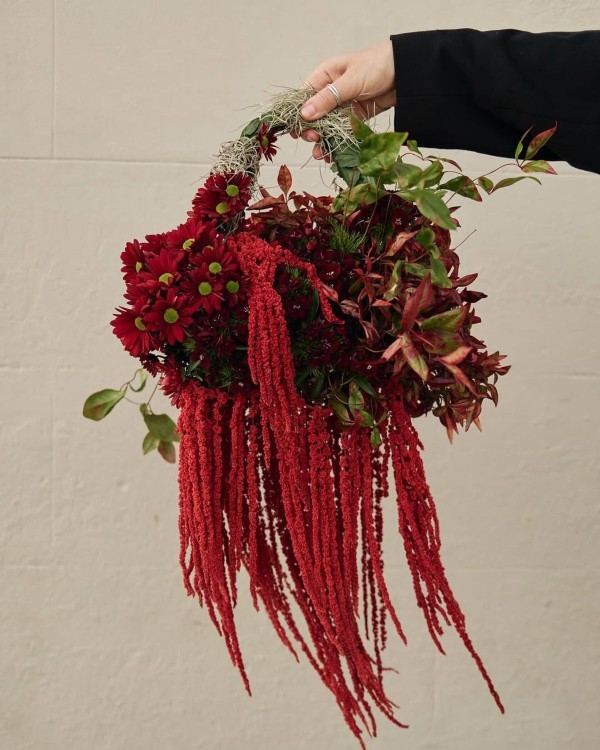
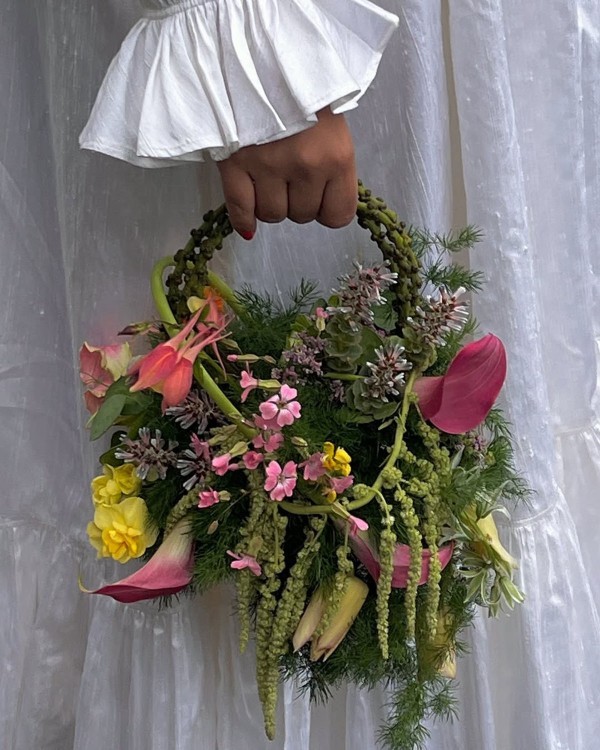
If one floral idea feels especially fresh for 2026, it’s the rise of bouquet bags. As brides look beyond classic hand-tied arrangements, this concept stands out as one of the most inventive alternatives. Sitting somewhere between floral design and fashion accessory, bouquet bags merge the emotional language of flowers with the bold presence of a statement piece, offering a modern, unexpected way to carry blooms down the aisle.
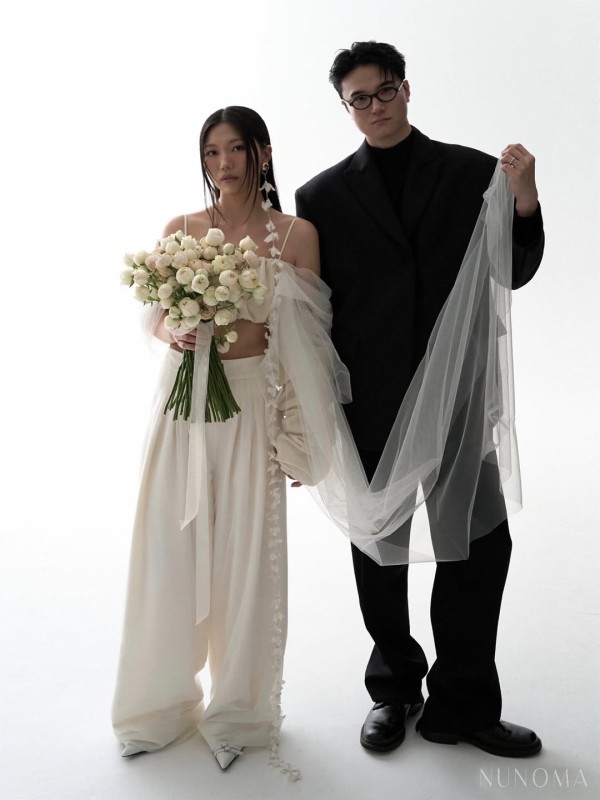
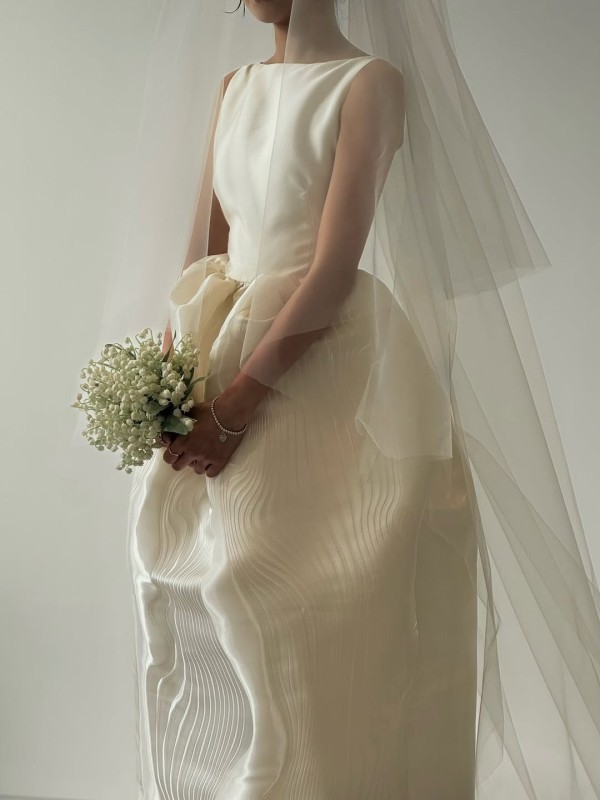
Small is stepping confidently into the spotlight. Micro vintage bouquets are reviving the romance of traditional bridal florals, reimagined through a distinctly modern, minimalist lens. Delicate and deliberately scaled, these petite arrangements often feature a single bloom, lily of the valley, garden roses, sweet peas, or stephanotis, kept crisp in white and tightly edited. The beauty lies in restraint: one flower variety, one tonal story, and a size that feels thoughtful rather than ornamental. Quietly nostalgic yet unmistakably intentional, these bouquets prove that subtlety can make the strongest statement.
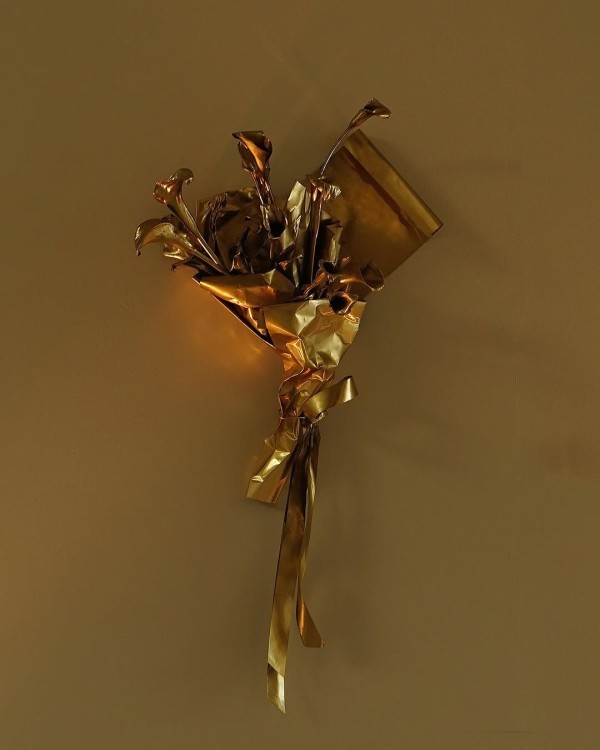
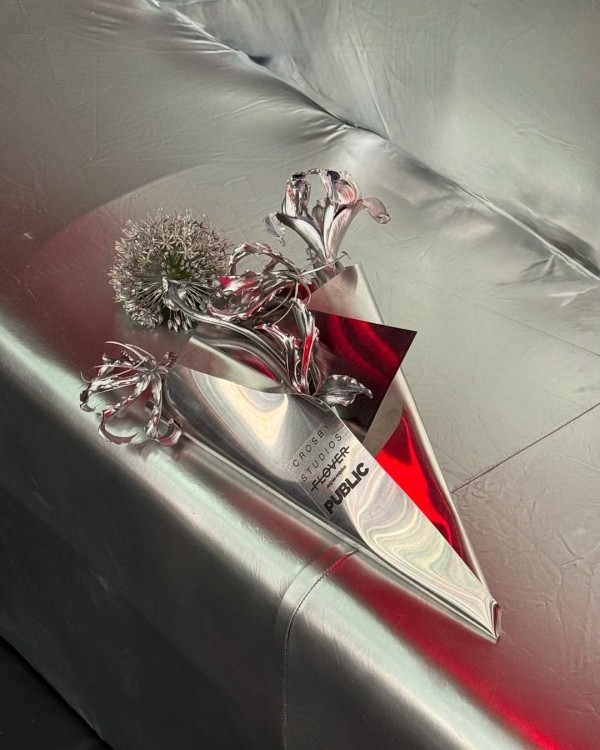
In 2026, bouquets are stepping into couture territory. Traditional ribbons are being replaced by sculptural metal wraps that transform florals into modern art objects. Hand-forged cuffs, folded brass sheets, and intricate wirework encase stems like pieces of wearable jewelry, elevating the bouquet beyond decoration. The result is a compelling tension between softness and structure, delicate petals set against sharp, architectural shine, creating a look that feels bold, intentional, and fashion-forward in the most unexpected way.
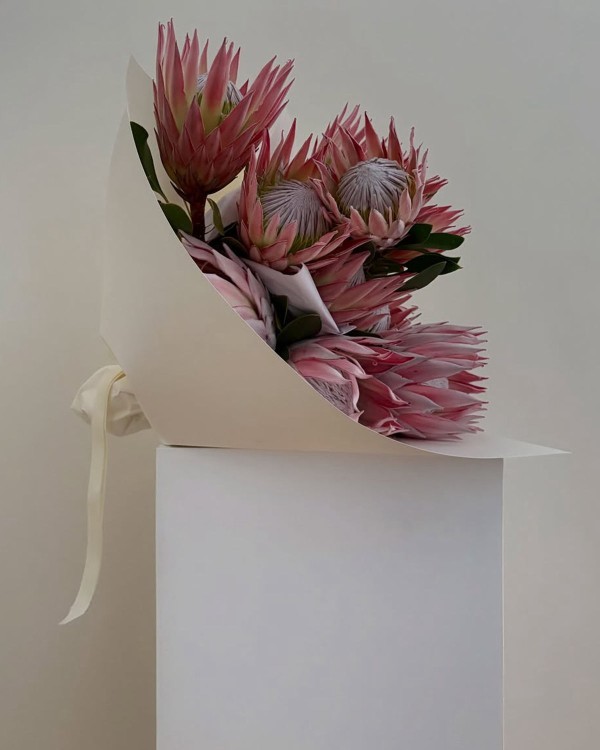
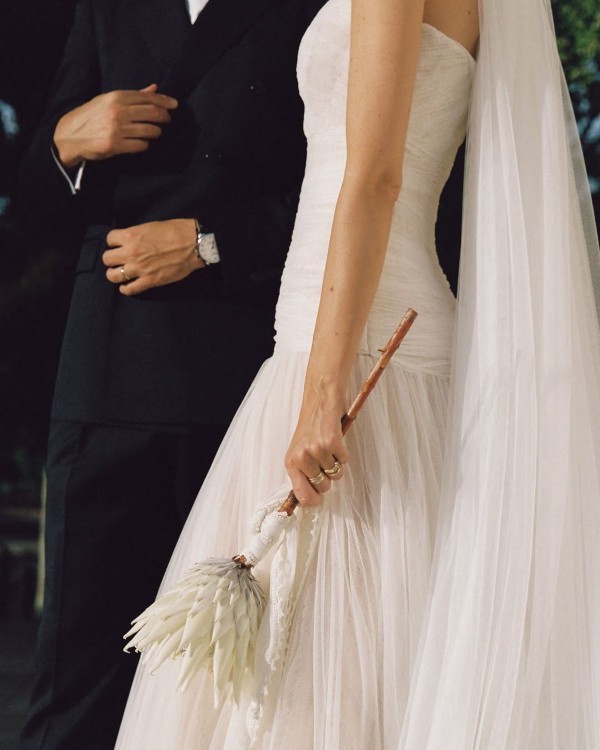
The king protea more than earns its title, effortlessly commanding attention as the undeniable focal point. Defined by its dramatic scale, spiked petals, and strikingly sculptural presence, this bloom makes a statement with minimal support, and often none at all. Styled as a single-stem bouquet or paired with only the most restrained greenery, the king protea is poised to become a go-to choice for modern brides seeking bold impact without excess.
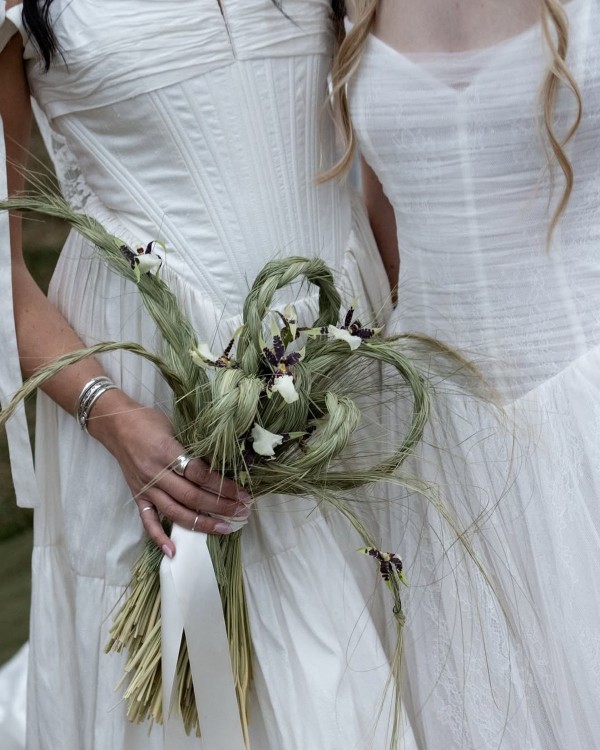
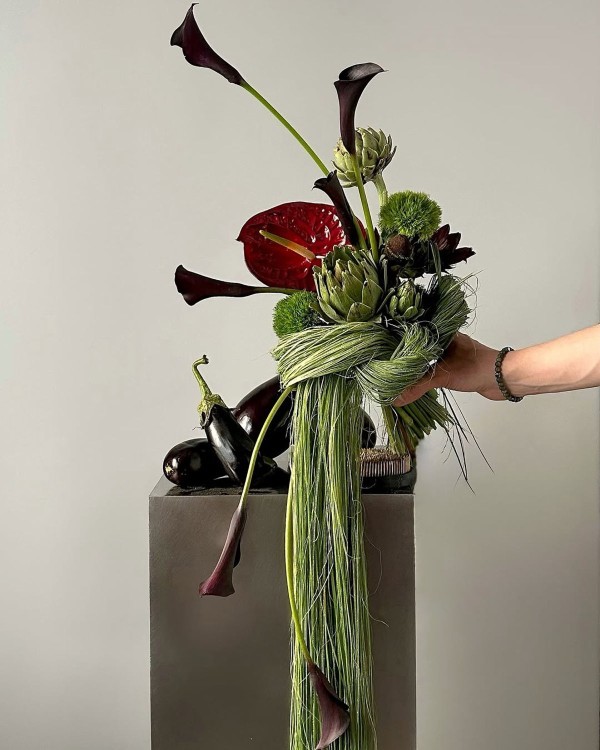
In 2026, grasses are stepping confidently into the spotlight. Wheat, reeds, sculptural green grasses, and hand-twisted strands are weaving their way into bridal bouquets, adding texture, height, and an organic elegance that feels quietly powerful. Used either for gentle movement or bold, architectural impact, grasses introduce a sense of natural poetry, hovering beautifully between earthy minimalism and modern bohemia.
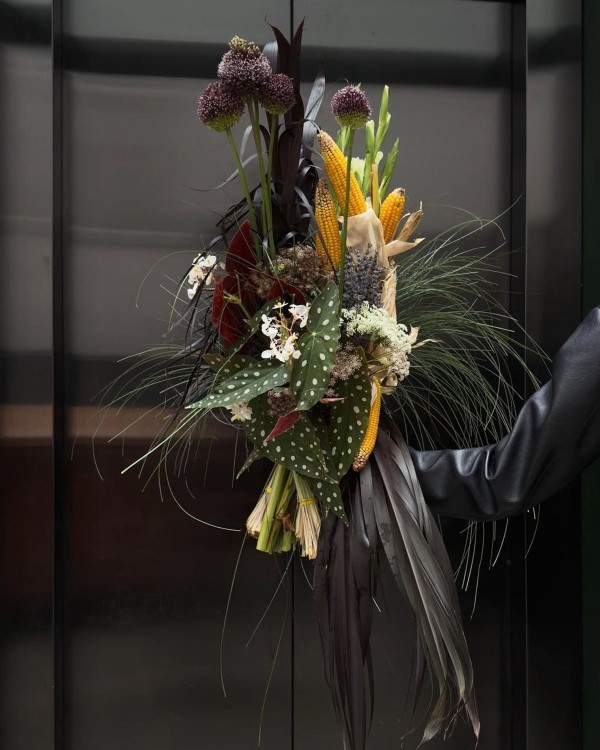
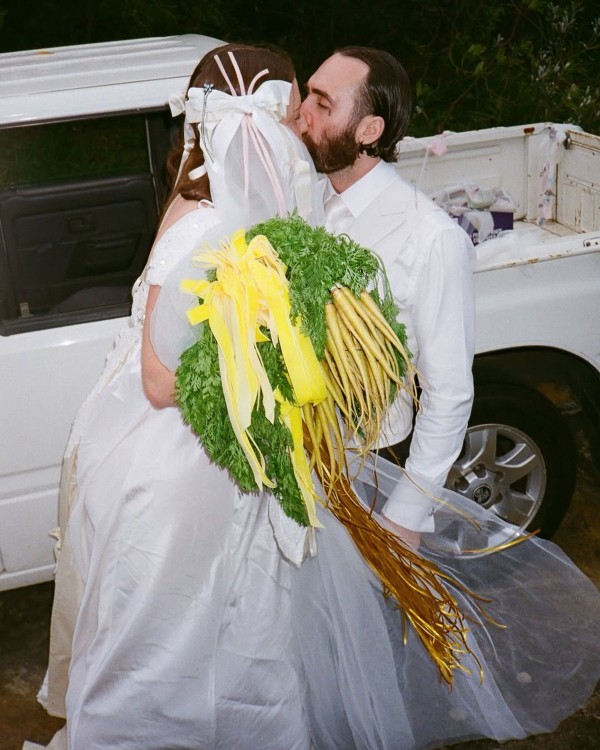
In 2026, bridal bouquets are moving far beyond flowers alone. Vegetables, berries, herbs, and even corn are being woven into arrangements, introducing a farm-to-aisle sensibility that feels tactile, organic, and delightfully unrefined. This approach embraces seasonality and imperfection, transforming fresh produce into an unexpected design element, while offering a more sustainable, thoughtfully modern alternative to traditional wedding florals.
This article is an original editorial analysis produced by [DIBA magazine].
Research and references are used for contextual accuracy.