
|
EN
Subscribe to our Newsletter
A Javanese wedding is not simply a celebration of love, it is a sacred choreography of philosophy, ritual, and symbolism shaped by centuries of tradition. Rooted in harmony between the human, the natural, and the divine, each element of the ceremony carries intention and meaning. From astrologically chosen dates to symbolic attire and poetic rituals, this guide explores the depth and beauty of Javanese weddings through a contemporary editorial lens.
By the Editorial Staff
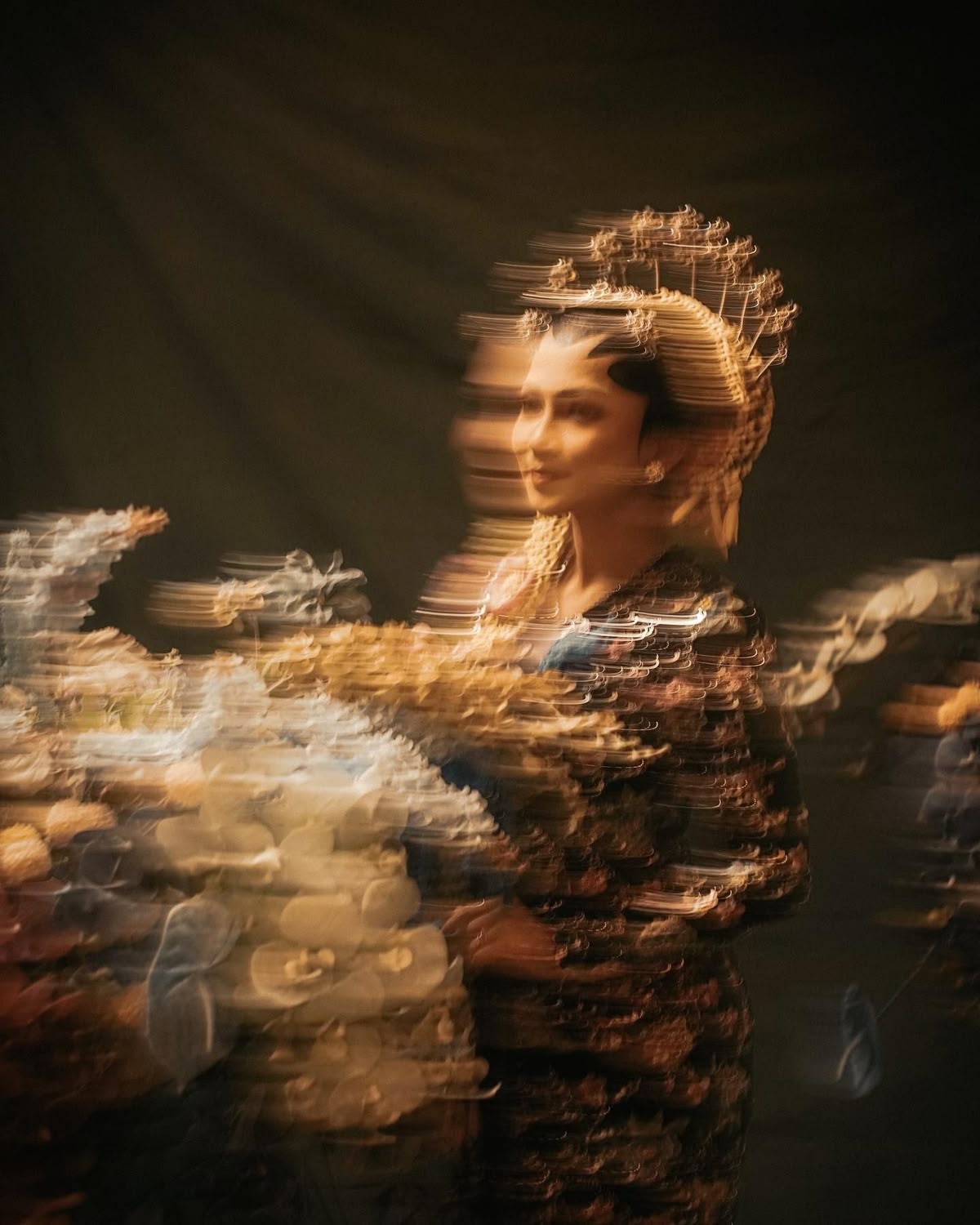
Photo: @_ka.lu.na
A Javanese wedding is not designed to impress, it is designed to align.
With the cosmos. With ancestry. With the future.
Long before vows are exchanged, a Javanese wedding unfolds as a carefully orchestrated ritual system rooted in adat, the ancient customs that shape Javanese life. Every movement, fabric, sound, and silence carries philosophical weight. This is not a single-day event, but a spiritual passage, one that binds not only two individuals, but two lineages, into a shared moral and cosmic responsibility.
To witness a Javanese wedding is to step into a living archive of wisdom, where beauty is inseparable from meaning and elegance is inseparable from intention. The atmosphere, often accompanied by the hypnotic resonance of gamelan music, feels ceremonial, almost royal, as if time itself slows to honor the moment.
At the heart of every Javanese wedding lies a single guiding principle: rukun, harmony.
Marriage is understood not merely as a romantic union, but as a pivotal rebalancing of life forces. The ceremony seeks alignment between humanity, nature, and the divine, ensuring that the couple’s future unfolds with spiritual equilibrium.
This belief begins with the selection of the wedding date through Weton, an ancient Javanese calendrical and numerological system combining the seven-day week with the five-day Pasaran cycle. Calculated using each partner’s birth date, Weton determines compatibility and identifies auspicious moments for marriage. You can explore this system through a Javanese Weton Calculator, a modern gateway into an ancient worldview.
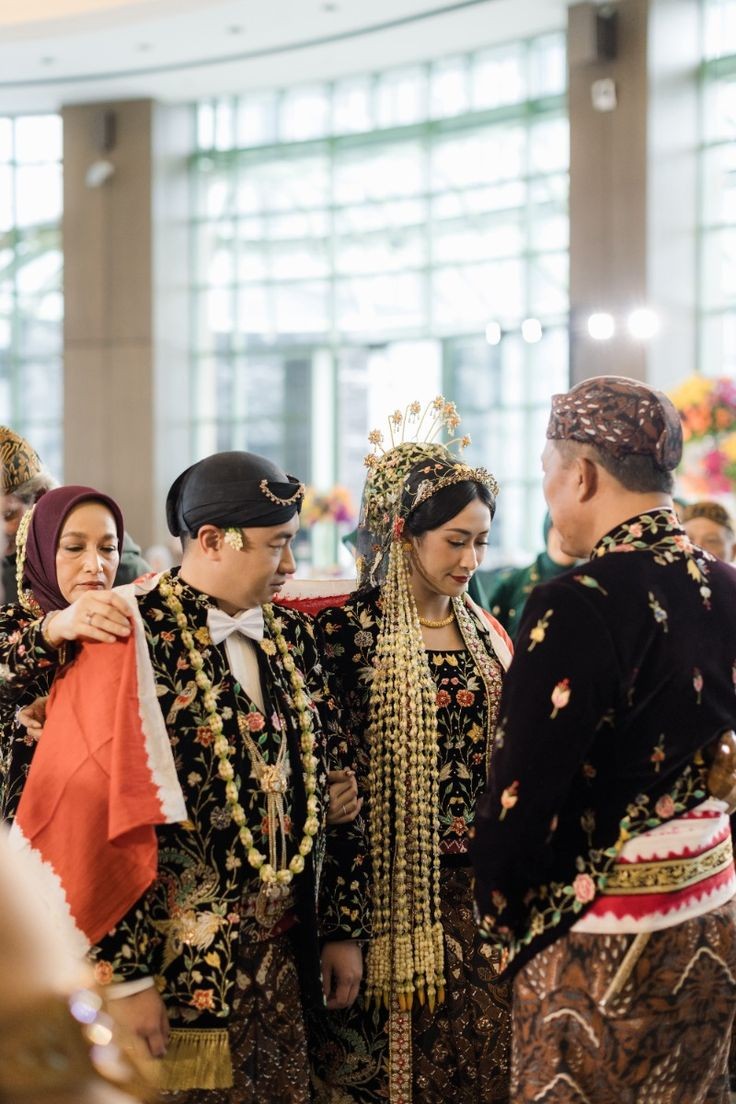
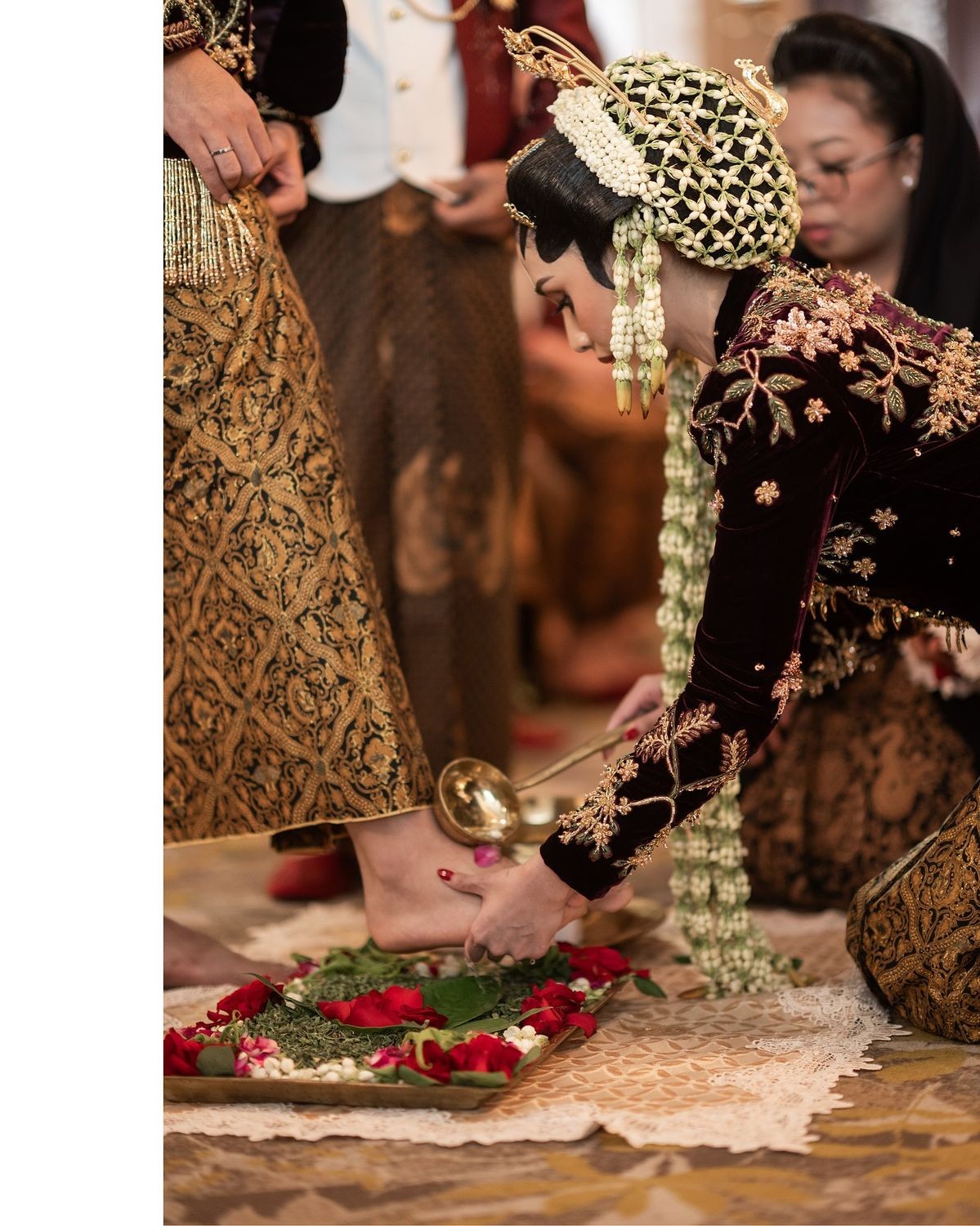
Photo: rollmoments
Siraman: Ritual Cleansing
Held on the eve of the wedding, Siraman is a ceremonial bathing ritual performed by parents and elders. Water drawn from seven sacred sources is infused with kembang setaman (a floral blend), symbolizing purification, humility, and emotional release. It marks the final moment of parental care before independence.
Midodareni: The Night of Angels
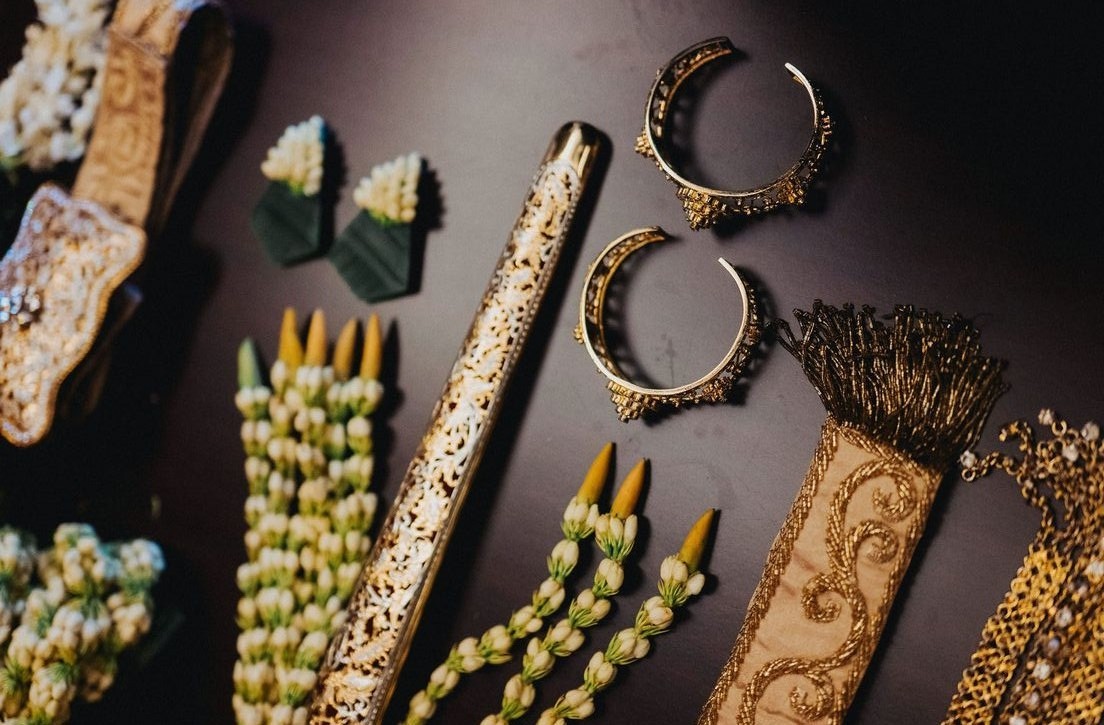
During Midodareni, the bride remains secluded, believed to be visited by celestial beings (widodari) who bless her with grace and beauty. Meanwhile, the groom presents seserahan, symbolic offerings representing provision and responsibility. The enforced separation heightens anticipation and reinforces patience as a marital virtue.
Tarub & Tuwuhan: Nature as Prayer
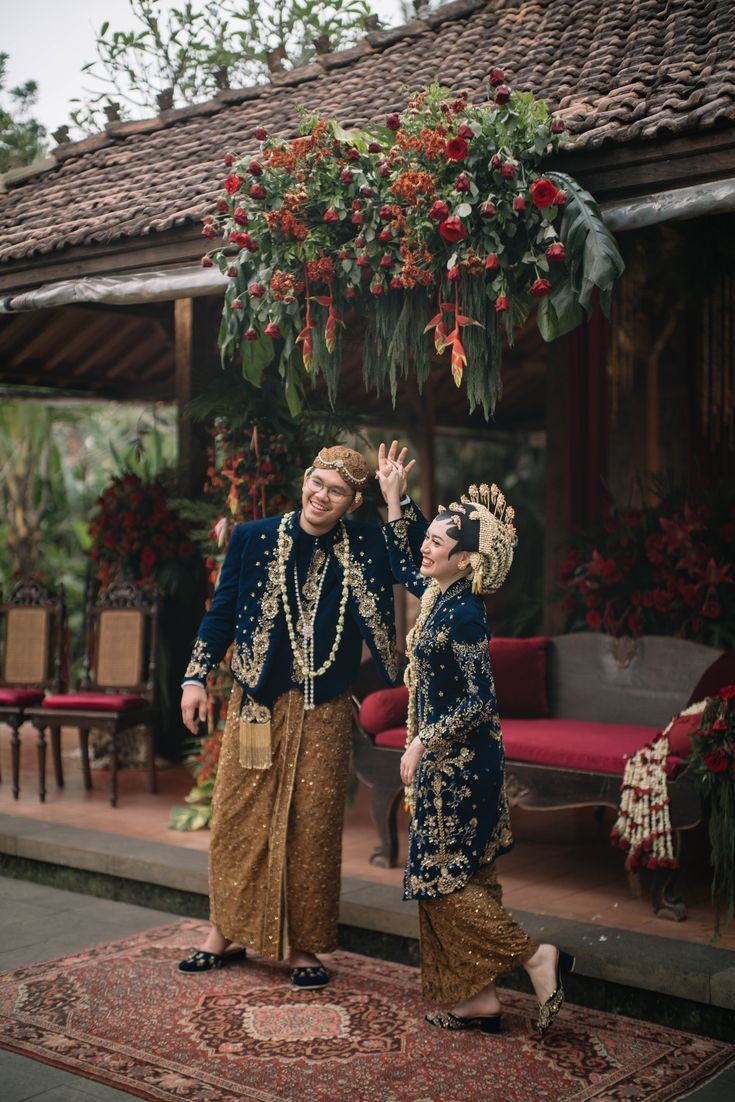
Wedding spaces are adorned with symbolic plants known as Tuwuhan, including banana trees (fertility), sugarcane (sweetness of life), and coconuts (purity). These elements act as visual prayers, embedding hope directly into the environment.
The Bride
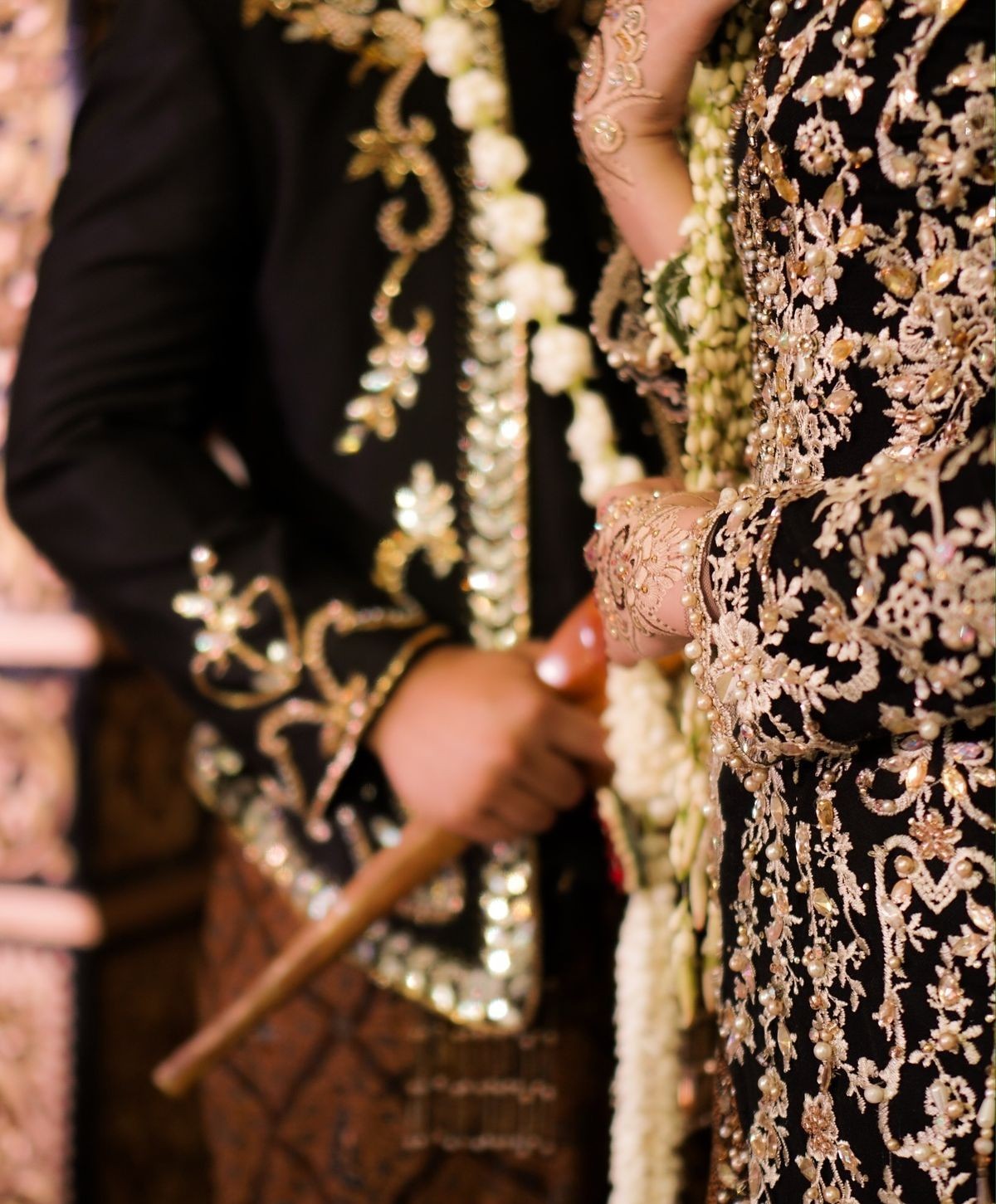
Dressed in a finely embroidered kebaya paired with symbolic batik kain, the bride becomes raja putri sedina, a queen for a day. Batik motifs such as Sido Mulyo (prosperity) or Truntum (everlasting love) are never decorative; they are philosophical declarations.
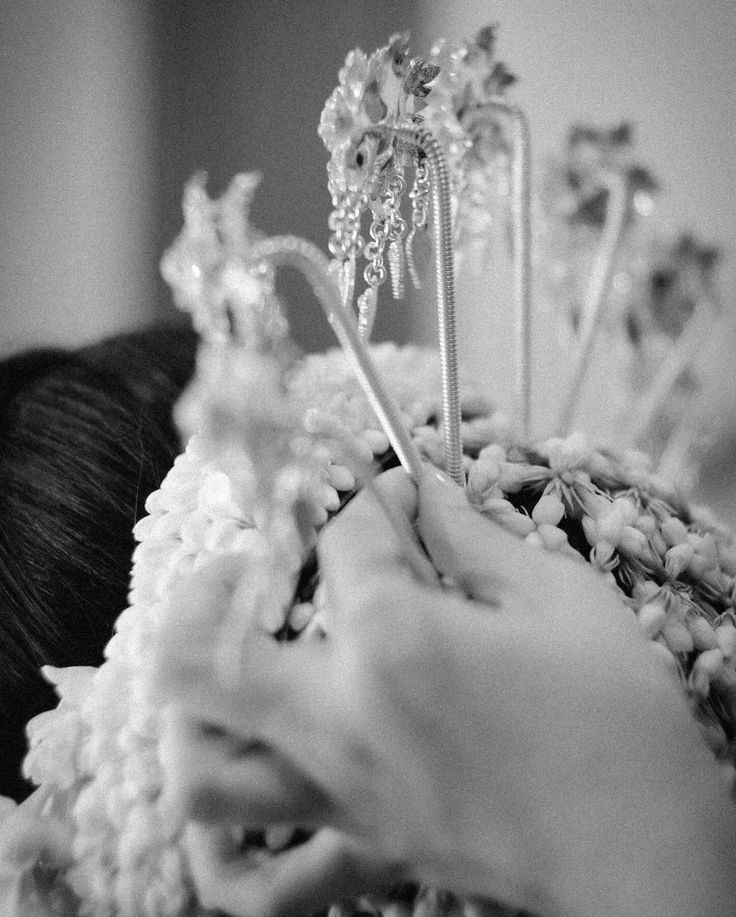
Her look is completed with paes makeup, whose sculpted forehead patterns vary between Yogyakarta and Surakarta (Solo) traditions.
Learn more about batik symbolism via UNESCO’s Batik Heritage Archive.
The Groom
The groom wears a tailored beskap, matching batik, a blangkon headpiece, and carries a keris, a ceremonial dagger symbolizing protection, integrity, and masculine responsibility.
The Ceremony: Where Meaning Unfolds
Akad Nikah
The legally and spiritually binding marriage vow, often conducted in accordance with Islamic tradition, formalizes the union.
Panggih: The Ritual Encounter
The Panggih ceremony is the emotional and symbolic apex of the wedding, featuring:
Balangan Gantal – exchanging betel leaves to ward off negative energy
-Ngidak Tigan – stepping on an egg, symbolizing readiness for parenthood
-Sinduran – parents guiding the couple as one
-Kacar-Kucur – the groom’s vow to provide, the bride’s role as steward
-Dahar Klimah – sharing food as a promise of mutual care
The Sound of the Sacred: Gamelan Music
No Javanese wedding exists without gamelan, a traditional orchestra recognized by UNESCO as Intangible Cultural Heritage. Each composition corresponds to ritual phases, elevating the ceremony into a meditative, spiritual experience rather than background entertainment.
A Living Philosophy
A Javanese wedding is not frozen in history, it is alive, intentional, and deeply relevant. It reminds us that marriage is not about spectacle, but alignment. Not about performance, but continuity.
It is a lesson in devotion, to each other, to ancestry, and to a shared future shaped by care, balance, and meaning.
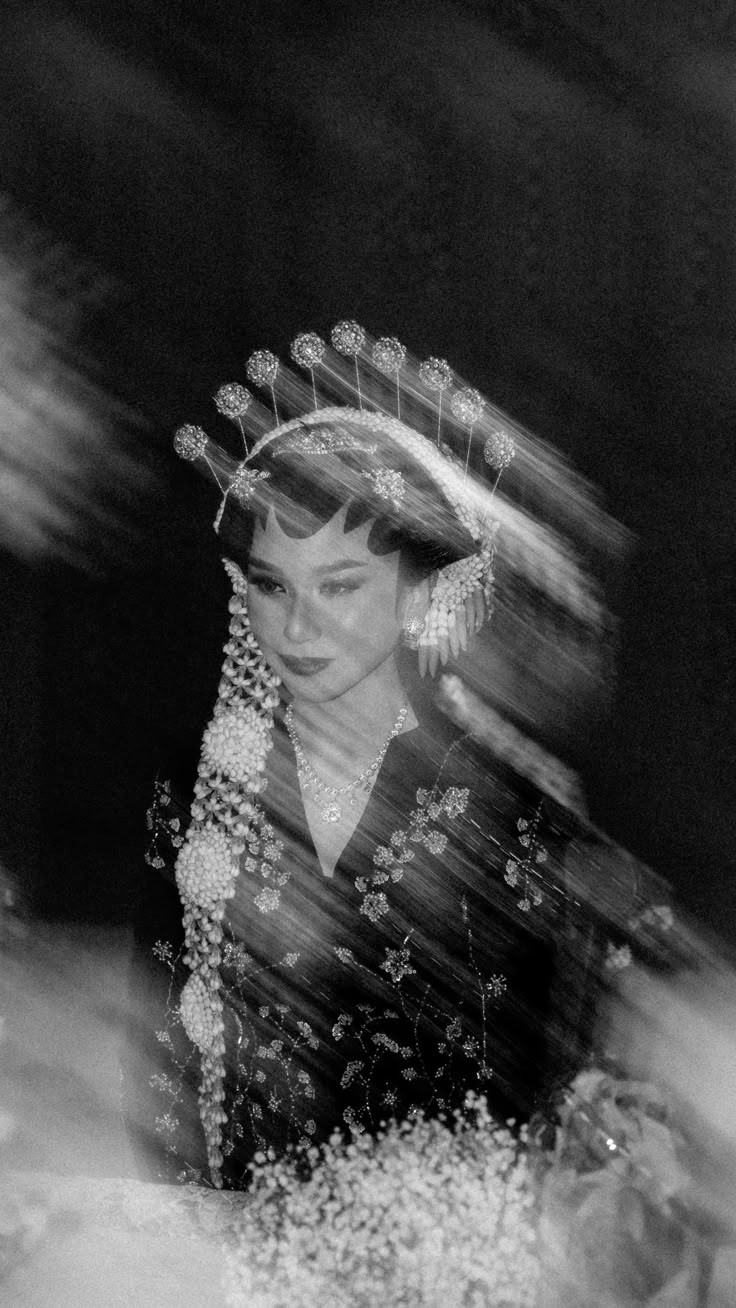
This article is an original editorial analysis produced by [DIBA magazine]
Research and references are used for contextual accuracy.