
|
EN
Subscribe to our Newsletter
In 2026, self-love is no longer aspirational or aesthetic. It has shifted from improvement to refusal, from optimizing the self to protecting it.
By the Editorial Staff

Photo: Pinterest
For years, self-love was framed as a project: something to cultivate, refine, display. It asked for consistency, discipline, and results. It promised healing, but demanded performance. Somewhere along the way, care became indistinguishable from self-surveillance.
In 2026, that framework collapses.
What replaces it is quieter, less legible, and far less marketable. Self-love is no longer about becoming more flexible, more productive, more serene. It is about learning when to stop..
Perfection stopped working because bodies could no longer sustain it.
Burnout ceased to be an exception and became a baseline. Nervous systems adapted to chronic pressure rather than recovery. According to research frequently cited by Harvard Health, prolonged stress reshapes both physiological and emotional regulation, reducing resilience over time.
Alongside burnout came bodies under pressure, not only physically, but symbolically. Bodies optimized for visibility, metrics, and approval began to show signs of resistance: fatigue, inflammation, dissociation. What once appeared as discipline increasingly resembled erosion.
Then came aesthetic exhaustion. The endless circulation of perfected bodies, routines, and rituals produced not motivation, but numbness. When everything is curated, nothing feels lived. The promise of “better” lost credibility.
Perfection did not fail because people lacked willpower.
It failed because it ignored the limits of being human.
The emerging language of care rejects visibility as a requirement.
Care is no longer synonymous with beauty.
It does not need to look effortless, youthful, or “glowing.”
Care is no longer synonymous with productivity.
Rest is not a tool to recover faster, it is an end in itself, a principle increasingly supported by nervous-system research, including findings from Stanford School of Medicine on stress regulation and recovery.
Care is no longer synonymous with routine.
Consistency matters less than responsiveness. What nourishes one day may overwhelm the next.
This form of care is difficult to monetize because it does not perform. It often goes unnoticed. It resists documentation. And that resistance is precisely its power.

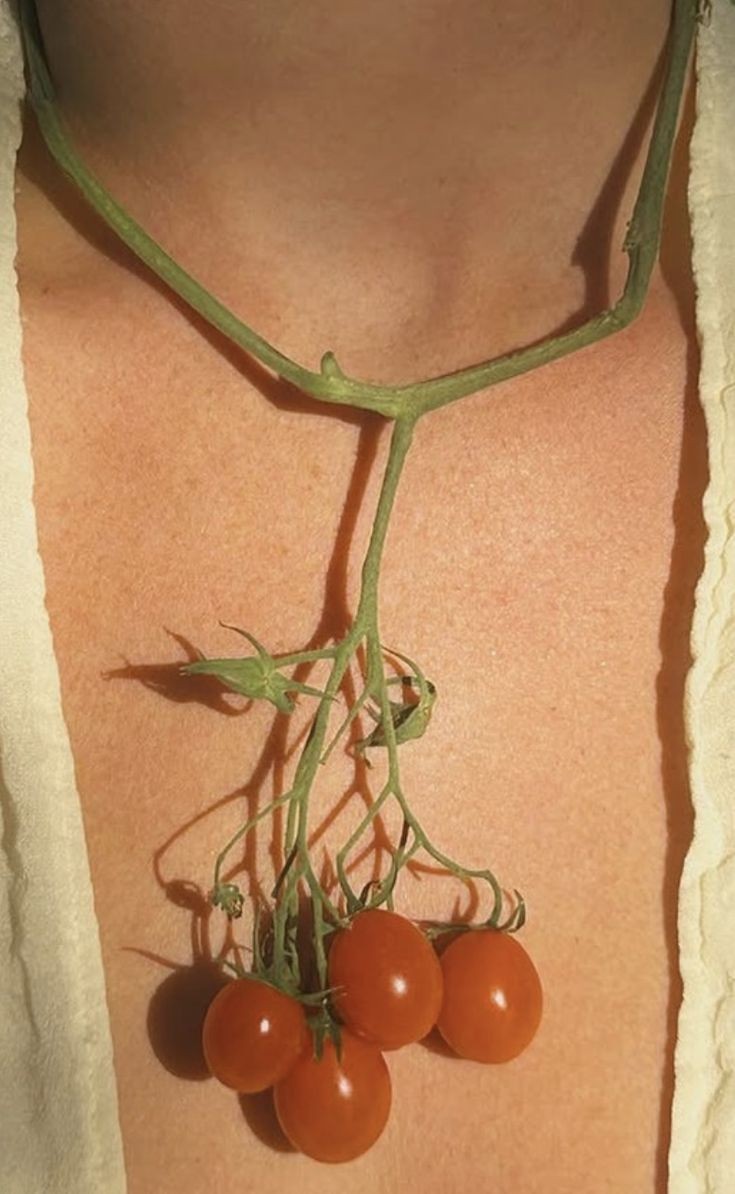
Photo: Pinterest
Self-love in 2026 has an aesthetic, but it is deliberately unfinished.
It looks quiet, not aspirational.
Low-maintenance, not optimized.
Human, not efficient.
The beauty of enough lies in what is no longer corrected. Hair left as it is. Skin allowed to fluctuate. Bodies treated as environments rather than projects.
This shift aligns with broader cultural fatigue around optimization. Medical and psychological discourse, including commentary published in The Lancet Psychiatry, has increasingly framed chronic self-optimization as a contributor to anxiety and identity fragmentation.
Enough is not minimalism.
It is permission.
Not affirmations, but actions.
It looks like removal: unsubscribing, simplifying, declining.
It looks like boundaries: choosing privacy over explanation.
It looks like silence: resisting the urge to narrate every choice.
Most of all, it looks like a body in the process of living, not fixing itself.
Self-love no longer asks, “How can I improve?”
It asks, “What can I stop tolerating?”
Self-love in 2026 is not about becoming more.
It is about refusing less.
Intuitive eating proposes a different architecture altogether. Rather than treating nutrition as adherence to rules, it reframes eating as a dynamic relationship with the body—one that evolves across stress levels, hormonal cycles, emotional states, seasons, and stages of life.
Instead of asking “What should I eat?”, a question rooted in authority and external approval, it asks “What does my body need right now?” This shift moves nourishment from compliance to dialogue.
Crucially, this approach does not reject structure. It rejects punishment.
Structure rooted in care provides containment without coercion. It allows for rhythm without rigidity. Punitive structure, by contrast, demands control regardless of context. It ignores fluctuation. It equates worth with consistency.
Self-love, in this sense, is not permissive.
It is relational.
At the center of this reorientation lies interoceptive awareness, the ability to sense internal bodily states such as hunger, fullness, fatigue, tension, and satisfaction. When this capacity is intact, food decisions are informed rather than compulsive. Eating becomes adaptive instead of reactive.
According to findings referenced by the National Institute of Mental Health, stronger mind–body awareness is associated with improved emotional regulation and reduced anxiety. These factors are critical for sustainable eating behaviors, particularly under stress.
This is where nutrition and self-love intersect neurologically.
Restriction-based eating requires constant vigilance. It collapses under emotional strain, illness, grief, or exhaustion. Guilt-driven nutrition functions only when life is stable, and life rarely is.
Responsive nutrition, by contrast, adjusts. It allows for appetite to change. It acknowledges that hunger is not static and that satisfaction is contextual.
Self-love here is not about always making the “right” choice.
It is about staying in communication when the choice feels unclear.

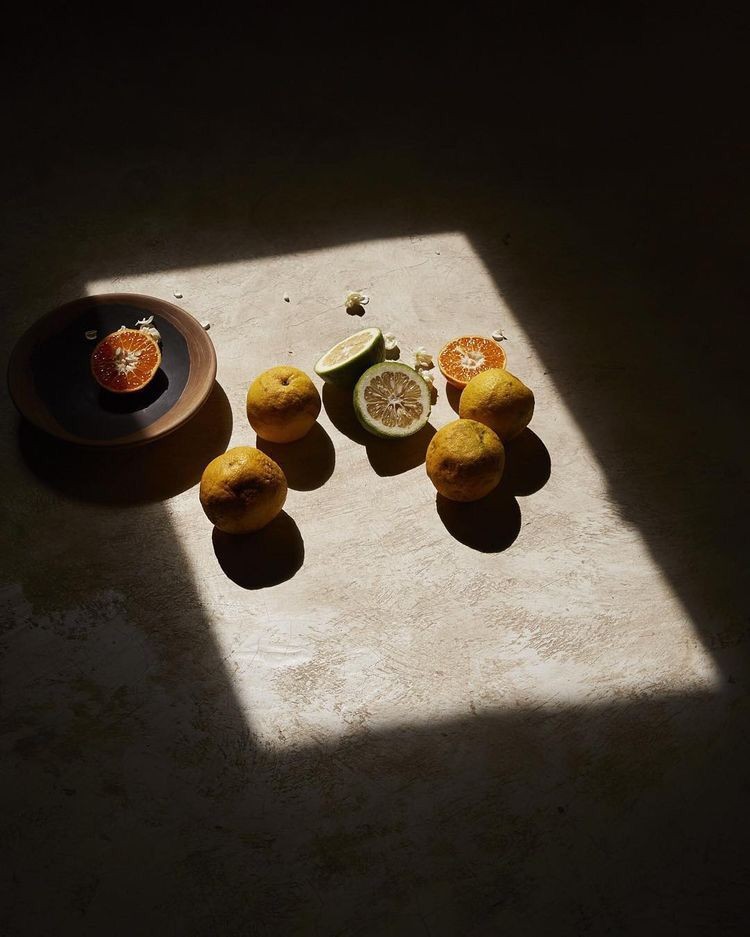
Photo: Pinterest
At the center of this reorientation lies interoceptive awareness, the ability to sense internal bodily states such as hunger, fullness, fatigue, tension, and satisfaction. When this capacity is intact, food decisions are informed rather than compulsive. Eating becomes adaptive instead of reactive.
According to findings referenced by the National Institute of Mental Health, stronger mind–body awareness is associated with improved emotional regulation and reduced anxiety. These factors are critical for sustainable eating behaviors, particularly under stress.
This is where nutrition and self-love intersect neurologically.
Restriction-based eating requires constant vigilance. It collapses under emotional strain, illness, grief, or exhaustion. Guilt-driven nutrition functions only when life is stable, and life rarely is.
Responsive nutrition, by contrast, adjusts. It allows for appetite to change. It acknowledges that hunger is not static and that satisfaction is contextual.
Self-love here is not about always making the “right” choice.
It is about staying in communication when the choice feels unclear.
Balance-based eating dismantles one of the most damaging legacies of wellness culture: food morality. The division of foods into “good” and “bad” trains individuals to judge themselves through consumption. Eating becomes a referendum on character.
This moral framework fragments self-trust.
Instead of restriction, balance emphasizes context, energy needs, emotional state, cultural meaning, pleasure, memory. Food is understood not merely as fuel, but as social practice, sensory experience, and emotional regulation tool.
From a trauma-informed perspective, this shift is essential. Research and clinical frameworks advanced by Bessel van der Kolk emphasize that safety and trust are prerequisites for regulation. A nervous system under threat prioritizes survival over digestion, both physically and psychologically.
Control tightens when safety is absent.
Restriction escalates when trust erodes.
Seen through this lens, extreme dietary discipline is often not a sign of self-mastery, but of dysregulation.
Self-love, then, is not about eating perfectly.
It is about creating enough internal safety that control is no longer necessary.
Culturally, control has long been conflated with virtue. Discipline is praised. Appetite is suspect. Restraint is framed as maturity. But this equation begins to unravel when viewed through the lens of long-term health and psychological resilience.
Control promises certainty in an unpredictable world. Yet it demands constant effort, and its failure is internalized as personal weakness.
Self-love, redefined, offers something quieter: adaptability.
It does not seek to dominate the body, but to accompany it. It allows eating to be responsive rather than exemplary. It tolerates imperfection without escalation.
This reframing aligns with a broader cultural shift away from optimization toward regulation, a movement increasingly visible across health, psychology, and somatic research, including commentary in publications such as The Lancet Psychiatry, which links chronic self-optimization to anxiety, burnout, and identity strain.

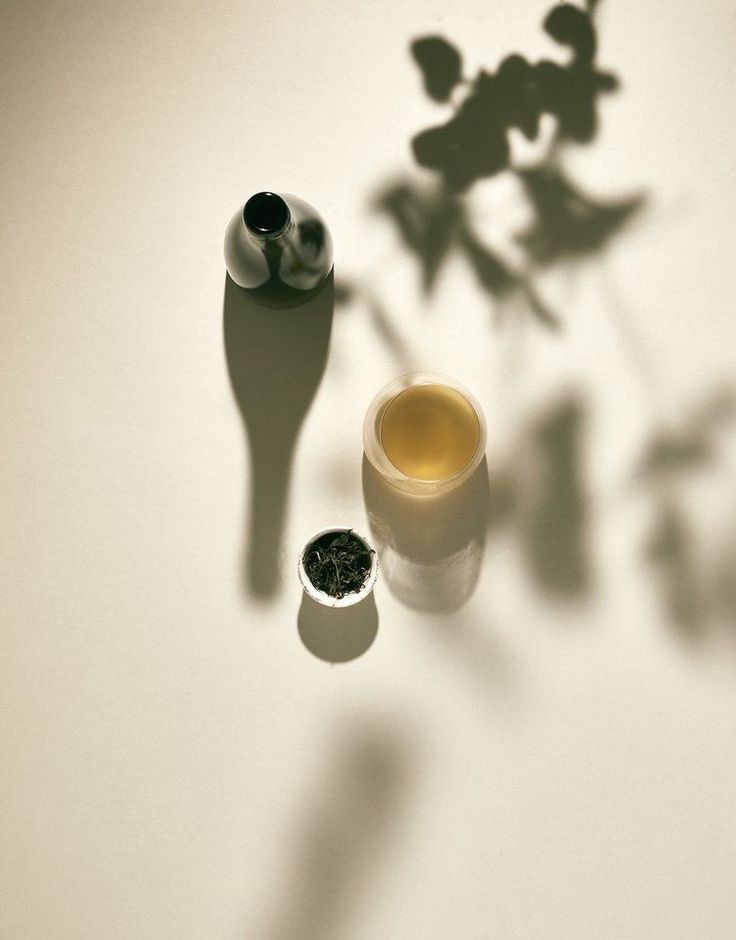
Photo: Pinterest
Eating for balance does not promise transformation.
It promises sustainability.
It accepts fluctuation.
It allows appetite to change without shame.
It recognizes that nourishment includes pleasure, memory, rest, and belonging, not only nutrients and numbers.
In a culture slowly loosening its grip on perfection, food becomes less about discipline and more about dialogue. Less about fixing the body, more about listening to it.
From this vantage point, self-love is no longer an abstract feeling or aspirational identity.
It is a daily ethic.
A refusal to dominate the body.
A commitment to trust internal signals.
A willingness to choose care over control.
And in a wellness culture still shaped by performance, that refusal is not passive.
It is quietly radical.
This article is an original editorial analysis produced by [DIBA magazine]
Research and references are used for contextual accuracy.