
|
Subscribe to our Newsletter
In contemporary visual culture, fashion is no longer mere adornment but a powerful narrative force. Through saturated color, sculptural silhouettes, and meticulously composed frames, Melina Matsoukas transforms style into a language of cultural authorship. Across music videos and cinema, she frames the dressed body as a site of identity, resistance, and power, where fashion becomes narrative architecture, shaping stories that center Black femininity, memory, and political presence.
By the Editorial Staff
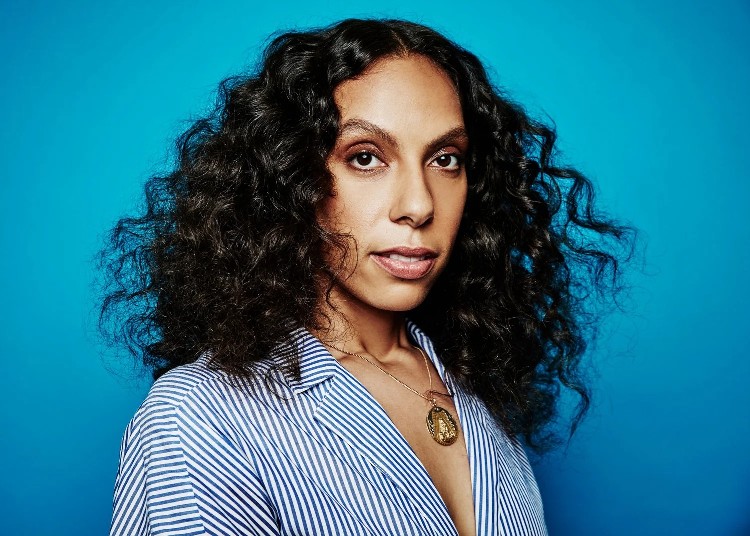
Melina Matsoukas
Melina Matsoukas was born on January 14, 1981, in New York City, into a culturally layered family of Greek, Jewish, Jamaican, and Cuban heritage, an intersectionality that would later inform the complexity of her visual language. She studied at the Tisch School of the Arts at New York University before earning her MFA in directing from the American Film Institute Conservatory. Her thesis work already demonstrated a strong inclination toward music-driven storytelling, foreshadowing the medium through which she would first gain international recognition. Matsoukas later joined the production company Prettybird, where she developed a distinctive career spanning music videos, branded content, television, and film.
She rose to prominence directing visually arresting music videos for major artists, including “We Found Love” with Rihanna and “Formation” with Beyoncé works that earned her Grammy Awards and multiple MTV honors while reshaping contemporary visual culture. Expanding beyond the music industry, Matsoukas directed and executive produced episodes of the HBO series Insecure, contributing to its nuanced portrayal of Black womanhood. In 2019, she made her feature film debut with Queen & Slim, a critically acclaimed drama that solidified her reputation as a filmmaker capable of merging political consciousness with cinematic elegance. Across formats, Matsoukas has consistently positioned image-making as a powerful cultural and aesthetic act.
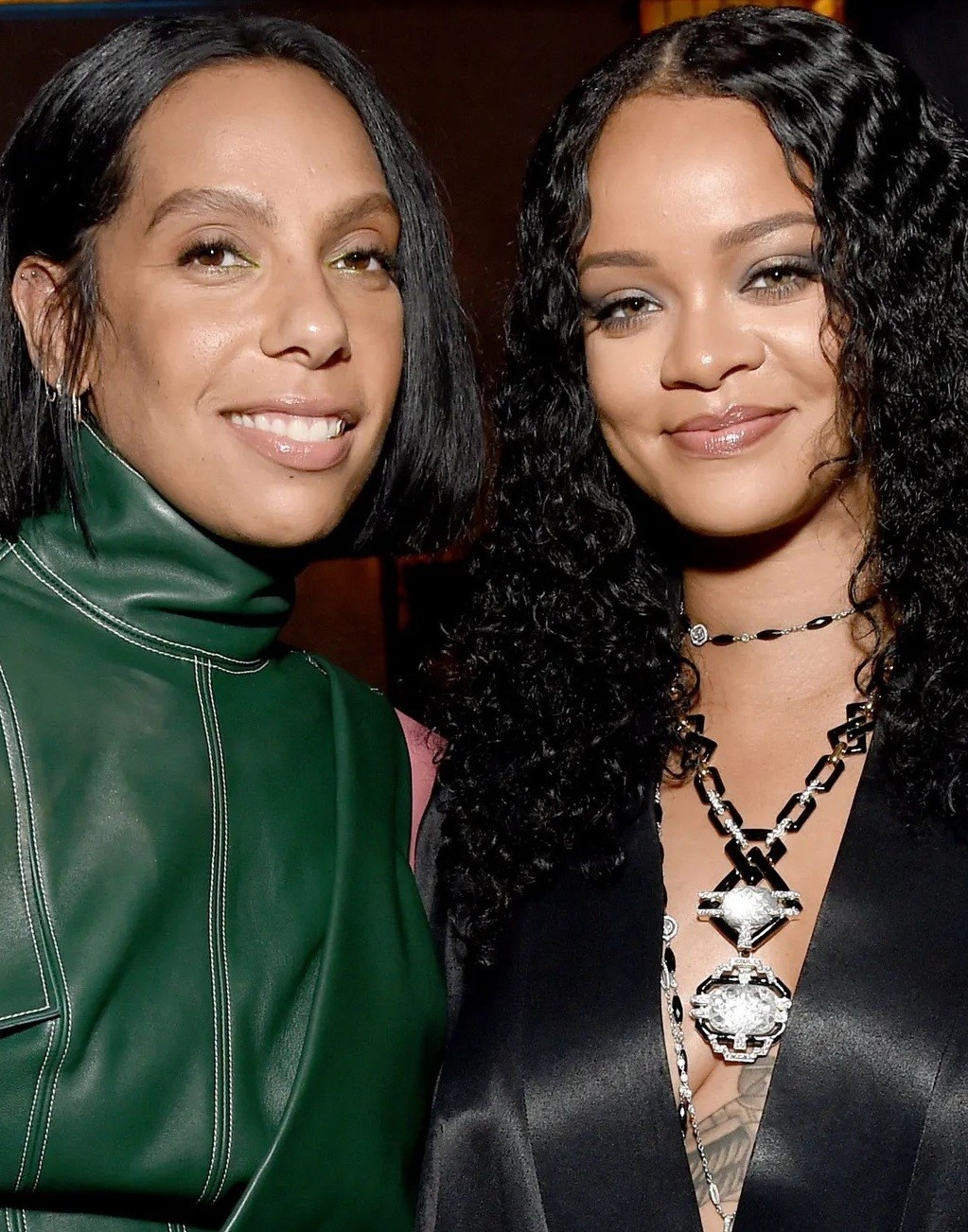
Melina & Rihanna
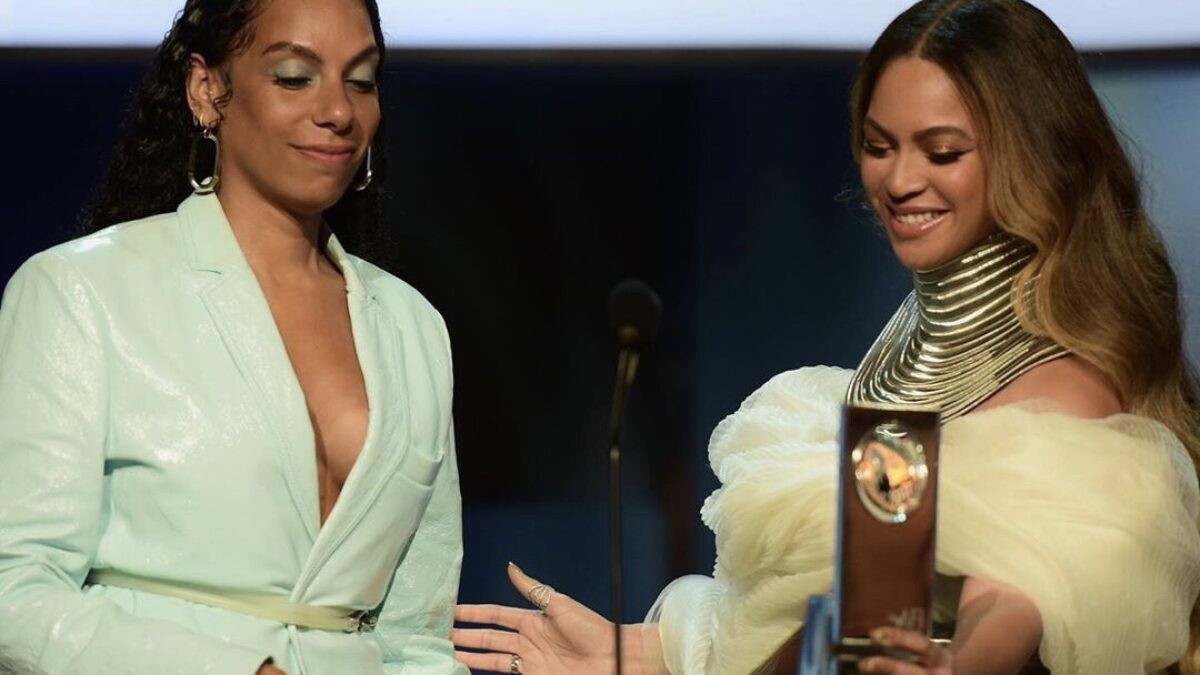
Melina & Beyonce, AFI gala by Denzel Washington
Fashion in Melina Matsoukas’s visual universe functions as an extension of emotion, identity, and cultural meaning, operating at the intersection of political symbolism and contemporary style culture. Across her work, clothing is not treated as a secondary visual layer but as a structural component of storytelling, shaping how character, history, and power are communicated through image.
The music videos Formation (2016) and We Found Love (2011) represent two contrasting yet complementary expressions of Matsoukas’ aesthetic language. In Formation (2016), fashion operates as political iconography and cultural reclamation. The antebellum-inspired gowns, wide-brimmed black hats, lace textures, and structured silhouettes reinterpret Southern American historical imagery through the presence of Black femininity. The color composition is highly deliberate: deep blacks communicate authority and protection, saturated reds introduce emotional intensity, and metallic gold accents reinforce visual sovereignty. Although the video carries editorial sophistication, its luxury is conceptually grounded rather than decorative. The body is framed as a monument, archive, and site of resistance, transforming fashion into a visual declaration of cultural power.
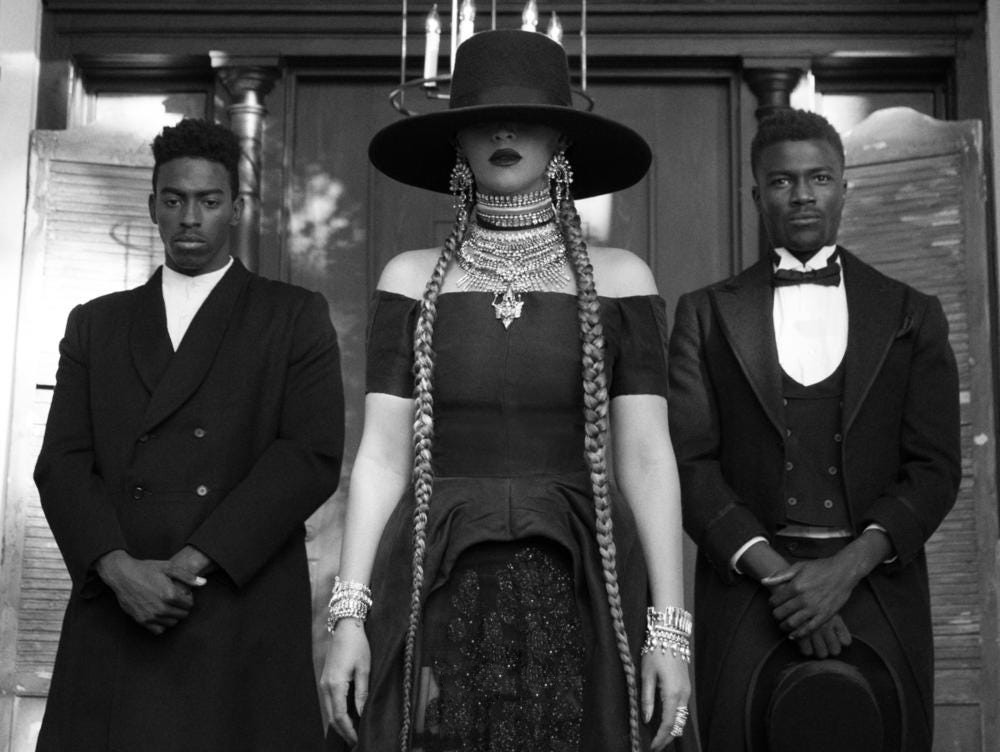
A scene from the music video of “Formation”, 2016
In contrast, We Found Love (2011) expresses fashion through emotional immediacy and youthful vulnerability. The styling reflects early-2010s street culture aesthetics, incorporating denim shorts, oversized knitwear, bleached brows, and deliberately unstructured hair textures. The visual atmosphere prioritizes spontaneity and lived-in authenticity, balancing cinematic realism with fashion campaign energy. Compared to the controlled political authority of Formation, this work embraces emotional turbulence and urban youth sensibility. The contrast between these two videos demonstrates Matsoukas’ ability to move between disciplined symbolic imagery and raw emotional portraiture while maintaining a consistent visual signature.
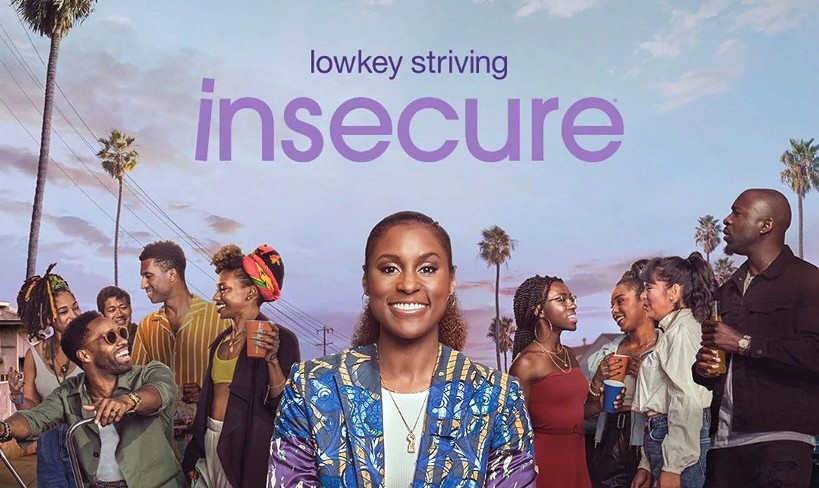
In the television series Insecure (2016–2021), Melina Matsoukas translates fashion into the visual rhythm of contemporary Black urban life, prioritizing intimacy and authenticity over spectacle. The series reflects the aesthetic environment of modern creative and professional communities, where individuality is communicated through subtle styling choices rather than dramatic transformation. Natural hair aesthetics are normalized as a primary beauty standard, positioning textured hair as a central cultural and visual element rather than a secondary stylistic detail. The wardrobe design blends luxury fashion with street and accessible contemporary brands, constructing a dialogue between aspiration and lived social reality. Through monochromatic styling, soft color blocking, and lifestyle-driven wardrobe repetition, the series portrays a generation negotiating ambition, creativity, relationships, and cultural belonging through an understated yet highly intentional fashion language.
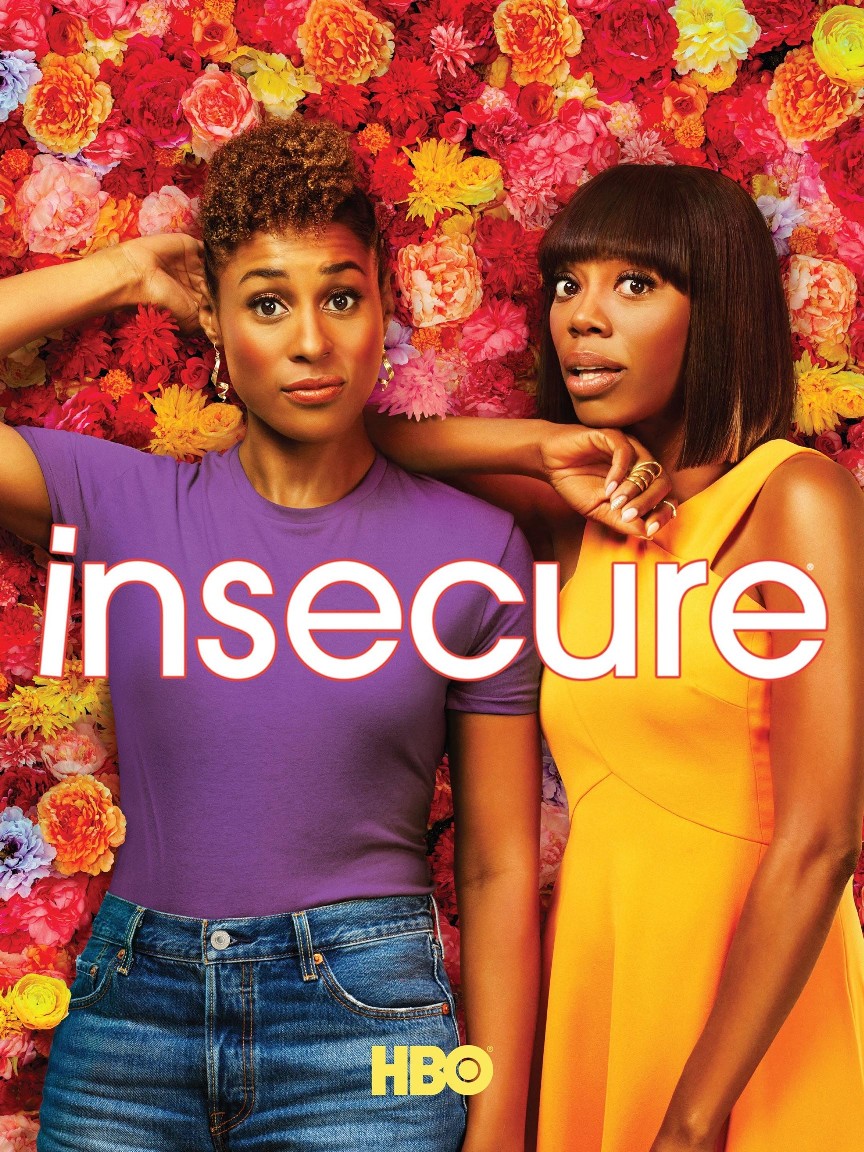
Insecure-Season-4-HBO
Insecure season-3-HBO
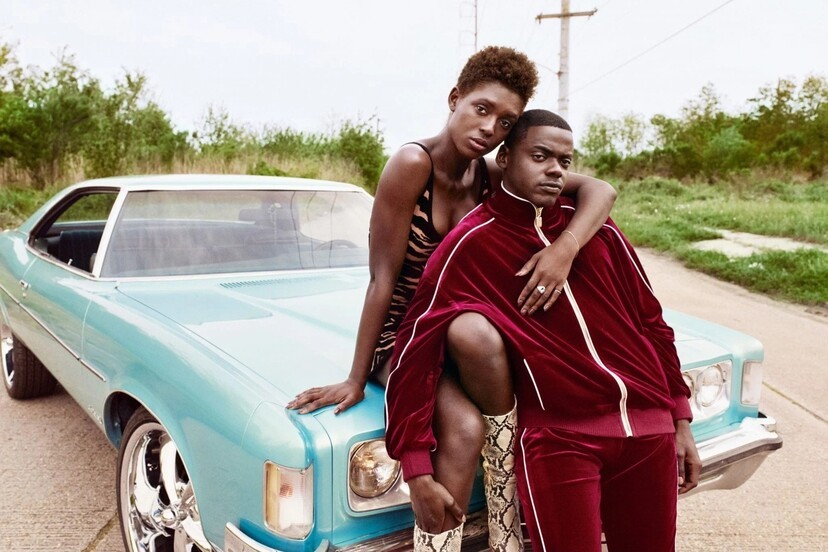
This narrative of identity and emotion continues in Queen & Slim (2019), where Matsoukas expands fashion into a cinematic storytelling instrument. The film is built around a slow-burning visual tempo and a lingering atmospheric mood, where wardrobe choices are inseparable from character development. Queen’s clothing operates with deliberate expressive force, bold silhouettes, structured tailoring, and tactile fabric surfaces gradually transform her image from everyday realism into cultural myth-making. Slim’s styling functions as a visual counterpoint, emphasizing restraint through layered minimalism and muted tonal palettes that reflect introspective emotional presence even as narrative tension increases.
The costume design, developed with the influence of Black designers and historical style references, moves beyond decorative function and becomes a system of emotional and cultural signification. The wardrobe echoes the psychological and social journey of the characters, exploring themes of love, survival, resistance, and visibility. By integrating fashion into cinematic structure, Queen & Slim transcends conventional genre boundaries, demonstrating how clothing can function simultaneously as narrative survival armor and as a declaration of cultural identity within contemporary visual storytelling.
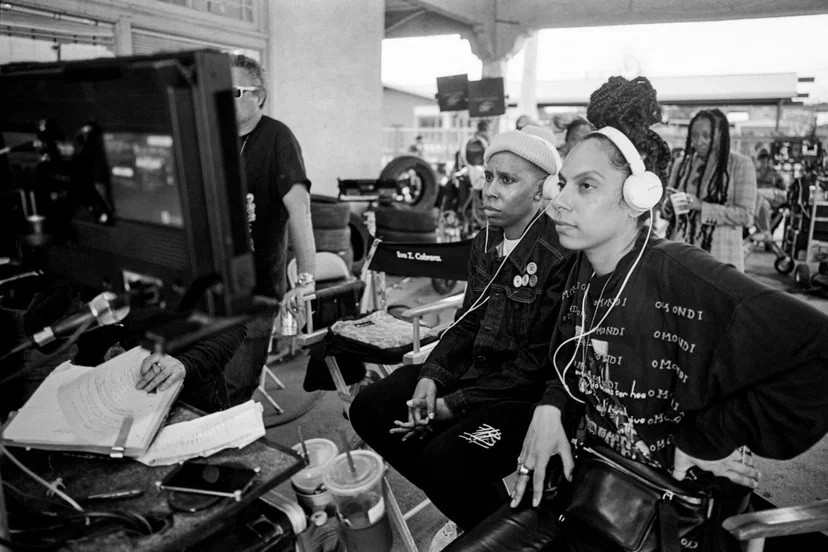
Melina Matsoukas Queen & Slim behind the scene
Queen & slim, Daniel Kaluuta & Jodie Turner
The costume design, developed with the influence of Black designers and historical style references, moves beyond decorative function and becomes a system of emotional and cultural signification. The wardrobe echoes the psychological and social journey of the characters, exploring themes of love, survival, resistance, and visibility. By integrating fashion into cinematic structure, Queen & Slim transcends conventional genre boundaries, demonstrating how clothing can function simultaneously as narrative survival armor and as a declaration of cultural identity within contemporary visual storytelling.
The visual world of Melina Matsoukas is shaped by the seamless blending of cultural storytelling, fashion consciousness, and cinematic authority. Her imagery moves between polished editorial luxury and raw cultural authenticity, creating a dynamic tension between political symbolism and contemporary fashion aesthetics. Color, form, and movement are carefully orchestrated, with the human body often treated as both subject and structural element within the frame. Rather than using clothing as simple visual decoration, Matsoukas transforms wardrobe into a narrative language through which identity, memory, and social meaning unfold.
Many of her scenes carry the rhythm of choreographed emotion, where hair design, fabric texture, and silhouette geometry interact with light and environment to produce intimate yet powerful imagery. A defining motif in her work is the representation of Black femininity as a symbol of strength, visibility, and historical continuity, often expressed through a dialogue between Southern American visual culture, street fashion codes, and high-fashion aesthetics. Her visual style embodies a controlled sense of rebellion, bold and expressive without becoming visually chaotic allowing fashion to operate as an ideological and cultural signifier rather than a purely decorative element. Through this language, Matsoukas has established a signature aesthetic that bridges music video culture, television narrative, and contemporary fashion imagery.
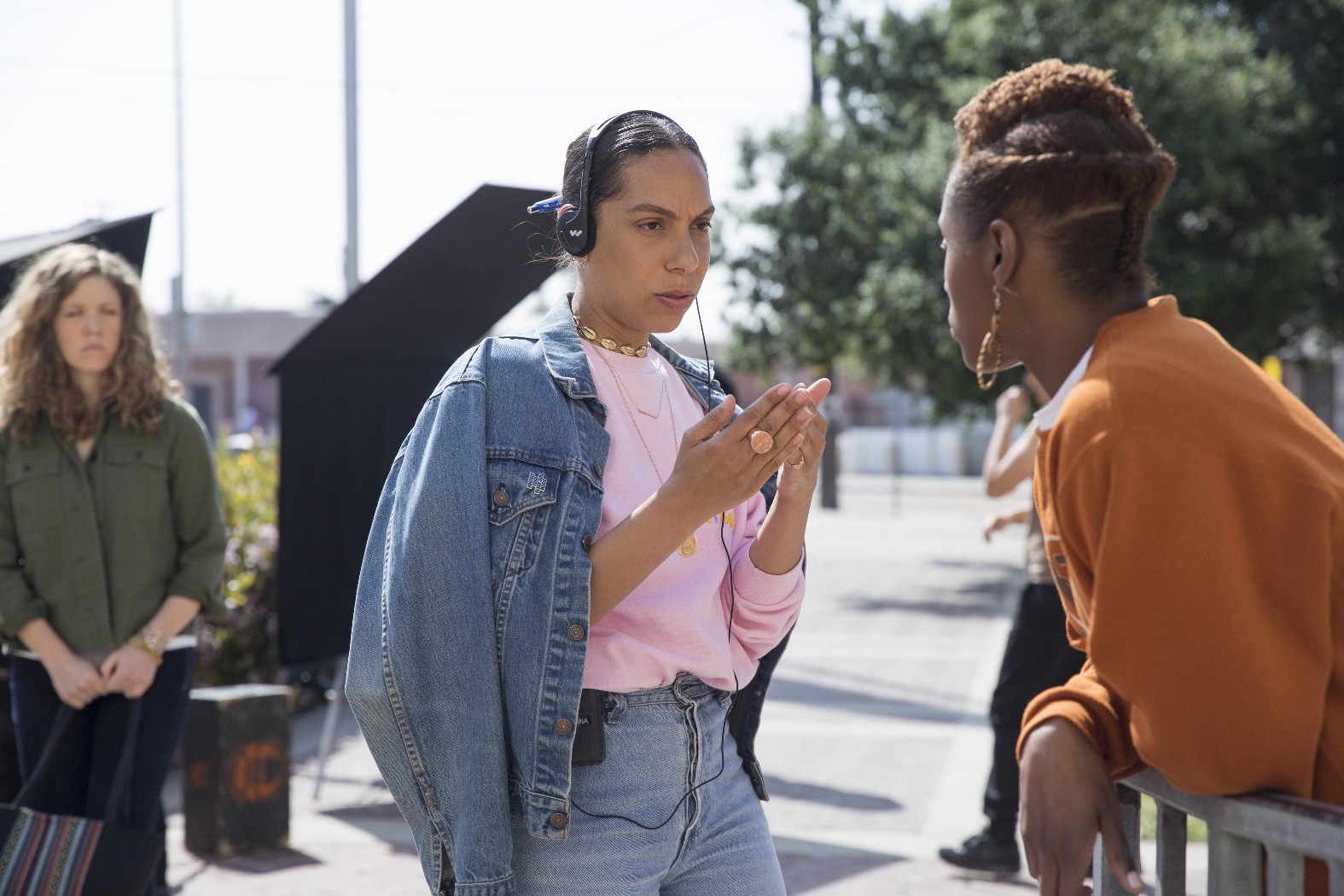
On the set of Insecure with Issa Rae. Matsoukas is an executive producer and director for the show.
Photo: HBO-2019
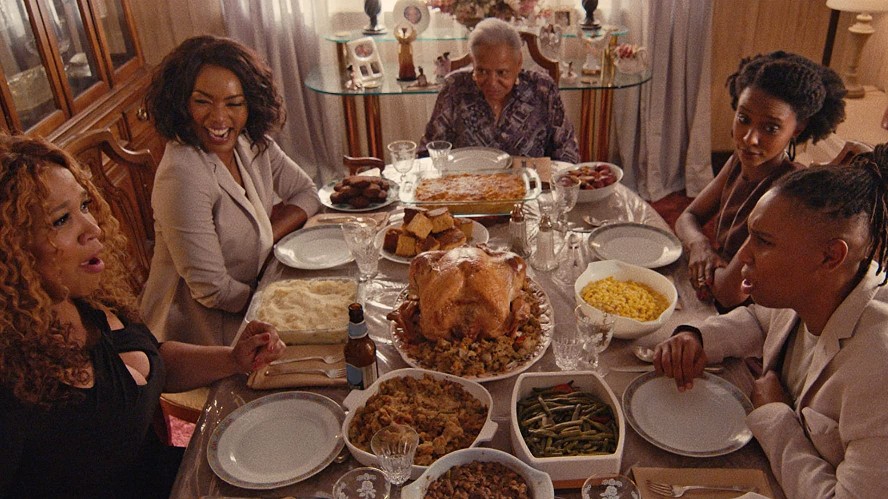
Master of None-Thanksgiving episode
Throughout her career, Melina Matsoukas has received significant recognition for her contribution to contemporary visual culture across music, television, and film. She has won multiple prestigious awards, including Grammy Awards and MTV Video Music Awards, largely for her work in music video direction, particularly for projects such as Formation and We Found Love, which helped redefine the visual grammar of modern pop and R&B music. In television, her work on the episode “Thanksgiving” from Master of None earned an Emmy Award, further establishing her as a filmmaker capable of merging narrative sensitivity with cultural and social commentary. Her feature film debut, Queen & Slim, was widely praised by critics for its visual sophistication, fashion integration, and symbolic storytelling approach.
Matsoukas’ career portfolio spans music video direction, television production, branded content, and feature filmmaking, with a consistent focus on identity, cultural representation, and image politics. Working with major artists such as Rihanna and Beyoncé has positioned her as one of the most influential visual storytellers in contemporary pop culture. Looking ahead, Matsoukas is expected to continue expanding her cinematic practice into feature-length storytelling and culturally driven visual narratives, further exploring themes of social identity, fashion symbolism, and Black cultural aesthetics within global media contexts. While specific upcoming projects have not been widely confirmed, her trajectory suggests a continued focus on bridging commercial visual production with art-driven filmmaking and culturally resonant storytelling.
This article is an original editorial analysis produced by [DIBA magazine]
Research and references are used for contextual accuracy.
